
សិល្បៈ
សម្រស់ និង សុខុមាលភាព
សិប្បកម្ម
វប្បធម៌ និង ប្រវត្តិសាស្ត្រ
ការកម្សាន្ត
បរិស្ថាន
ម្ហូប និង ភេសជ្ជៈ
អនាគតបៃតង
វិស្វកម្មបញ្ច្រាស
វិទ្យាសាស្ត្រ
កីឡា
បច្ចេកវិទ្យា
ប្រដាប់ដែលស្លៀក
Using a Drawknife — Shaping Riven Timber by Drawing a Blade Toward You
Woody

បង្កើតដោយ

Woody

26. ឧសភា 2026NO
0
0
0
1
0

Using a Drawknife — Shaping Riven Timber by Drawing a Blade Toward You

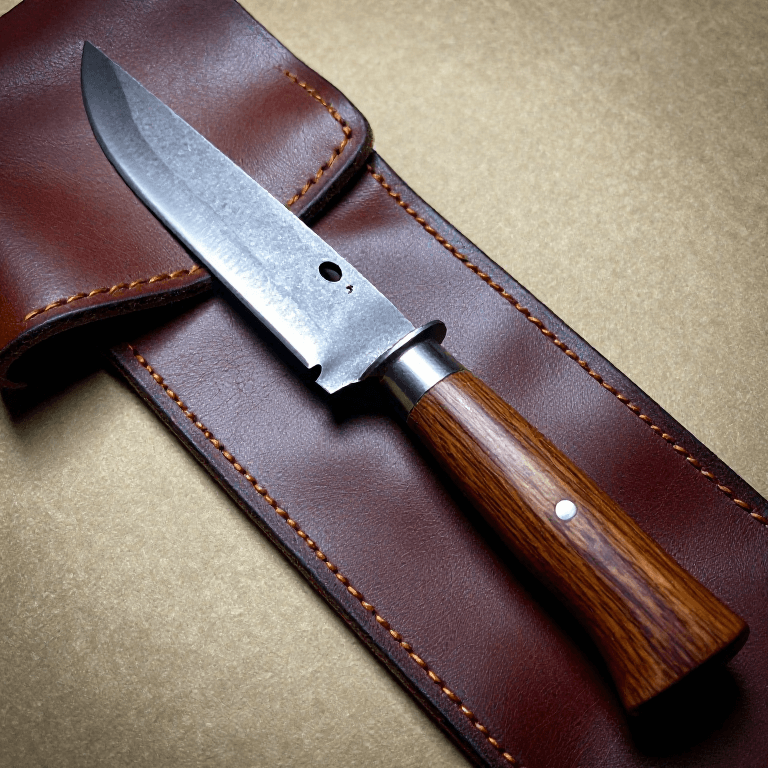
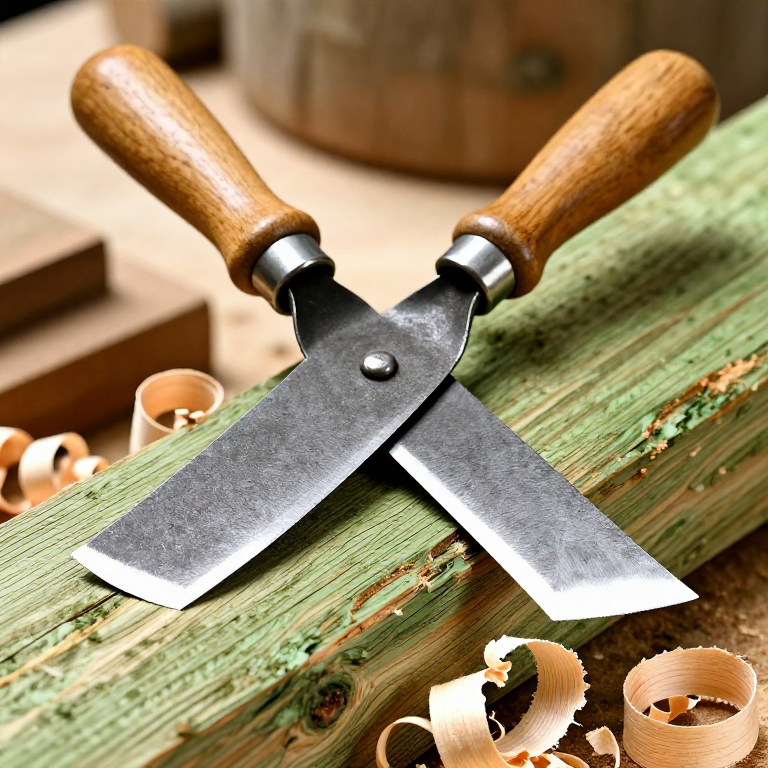
The drawknife is one of the oldest and most efficient woodworking tools: a wide blade with a handle at each end, drawn toward the body to shave wood in long, controlled strokes. It removes material faster than any plane and follows curves that no flat-soled tool can reach. Every piece of riven timber — every chair leg, every barrel stave, every roof shingle — was brought to its final shape with a drawknife.

The technique depends on reading the grain. Pull with the grain and the blade glides through the wood, lifting a clean shaving. Pull against the grain and the blade digs in, tearing the surface and jamming. The worker reads the fibres at the edge of each cut and adjusts the angle and direction constantly. Bevel up gives a light, controlled cut for finishing. Bevel down gives an aggressive cut for roughing, letting the blade dig into the wood under its own weight.

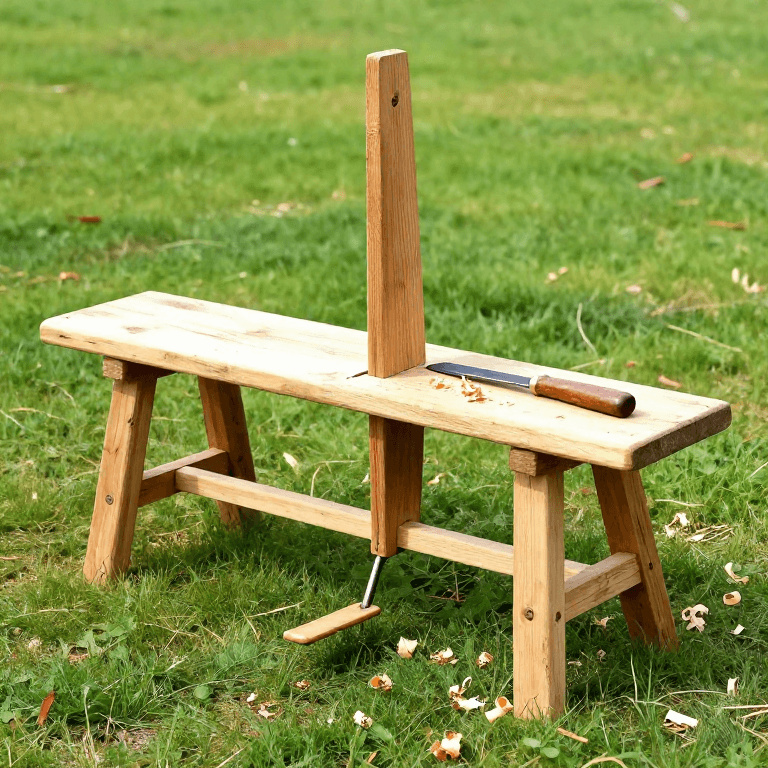
The drawknife works best on green (freshly cut) wood, which shaves cleanly and requires less effort than seasoned timber. Combined with a shave horse for clamping, a drawknife turns a rough riven billet into a smooth, shaped component in minutes — faster than any powered tool for one-off shaping work.

ចាប់ផ្តើម
30 minutes to 2 hours (per piece)

ការណែនាំ

1

Secure the workpiece in a shave horse or vise

Clamp the piece of riven timber firmly with the working end facing toward you. A shave horse is ideal — the foot-operated clamp lets you reposition the workpiece in a fraction of a second. If using a bench vise, clamp the piece at an angle so the working surface faces upward and toward you. The piece must not move or rotate when you pull the drawknife — any movement wastes energy and makes the cut uneven.
2

Read the grain direction

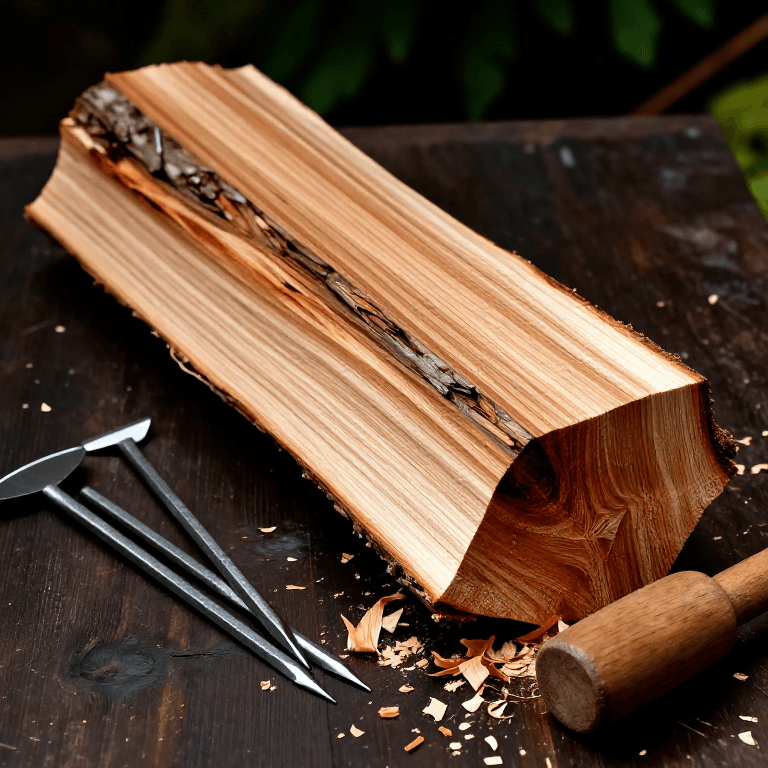
Before cutting, examine the end grain and the surface of the wood. The fibres angle slightly — like the scales of a fish. You must pull the drawknife in the direction that lifts the fibres away from the surface, not into it. On a split piece, the grain direction is usually obvious from the riving marks. If unsure, take a light test shaving — if the blade glides smoothly, you are going with the grain. If it digs in or tears, reverse the workpiece.
3

Rough shaping — bevel down

For removing large amounts of material, hold the drawknife with the bevel (the angled grind) facing down toward the wood. This positions the flat back of the blade as the upper reference surface, and the bevel acts like a ramp that drives the edge into the wood. Grip both handles firmly and pull the blade toward your chest in a smooth, steady motion. Let the weight of the blade do the work — forcing it causes the edge to dig too deep. Take overlapping strokes across the width of the piece.

Tools needed:

DrawknifeDrawknife
4

Finish shaping — bevel up

For controlled finishing cuts, flip the drawknife so the bevel faces up (away from the wood). Now the flat back rides against the surface, limiting how deep the edge can bite. This produces thin, even shavings and a smoother surface. Use lighter pressure and shorter strokes. For curved shapes — like a chair leg taper or a boat rib — roll the blade slightly as you pull, following the curve you want. The drawknife is one of the few tools that can follow a compound curve in a single stroke.
5

Work green wood for best results

Freshly cut (green) wood shaves far more easily than dry wood. The moisture acts as a lubricant, and the fibres are flexible rather than brittle. Green oak, ash, and chestnut produce long, curling shavings that come off cleanly. Dry hardwood requires more force, dulls the blade faster, and tends to tear rather than shave. If working dry wood, take thinner cuts and keep the blade very sharp. A few strokes on a strop between passes keeps the edge keen.
6

Sharpen and maintain the drawknife

A drawknife must be sharp to work well — a dull blade tears the wood instead of cutting it. Sharpen by clamping the blade in a vise (edge up) and running a flat stone along the bevel at a consistent angle, about 25-30 degrees. Then flip the blade and remove the burr by laying the stone flat on the back. Strop on leather to polish the edge. A well-maintained drawknife holds its edge for hours of green wood work before needing re-sharpening.

ឧបករណ៍ចាំបាច់

1

Connected Blueprint Materials

ប្លង់ពាក់ព័ន្ធ

ប្លង់ទាំងនេះចែករំលែកចំណេះដឹង — បច្ចេកទេស សម្ភារៈ ឬគោលការណ៍
CC0 សាធារណៈ

ប្លង់នេះត្រូវបានចេញផ្សាយក្រោម CC0។ អ្នកមានសិទ្ធិចម្លង កែប្រែ ចែកចាយ និងប្រើប្រាស់ដោយមិនចាំបាច់សុំអនុញ្ញាត។

គាំទ្រអ្នកបង្កើតដោយទិញផលិតផលតាមរយៈប្លង់របស់ពួកគេ ដែលពួកគេទទួលបាន កម្រៃជើងសារអ្នកបង្កើត កំណត់ដោយអ្នកលក់ ឬបង្កើតកំណែថ្មីនៃប្លង់នេះ ហើយបញ្ចូលជាការតភ្ជាប់ក្នុងប្លង់របស់អ្នកដើម្បីចែករំលែកចំណូល។

ការពិភាក្សា

(0)

ចូល ដើម្បីចូលរួមពិភាក្សា

កំពុងផ្ទុកមតិ...