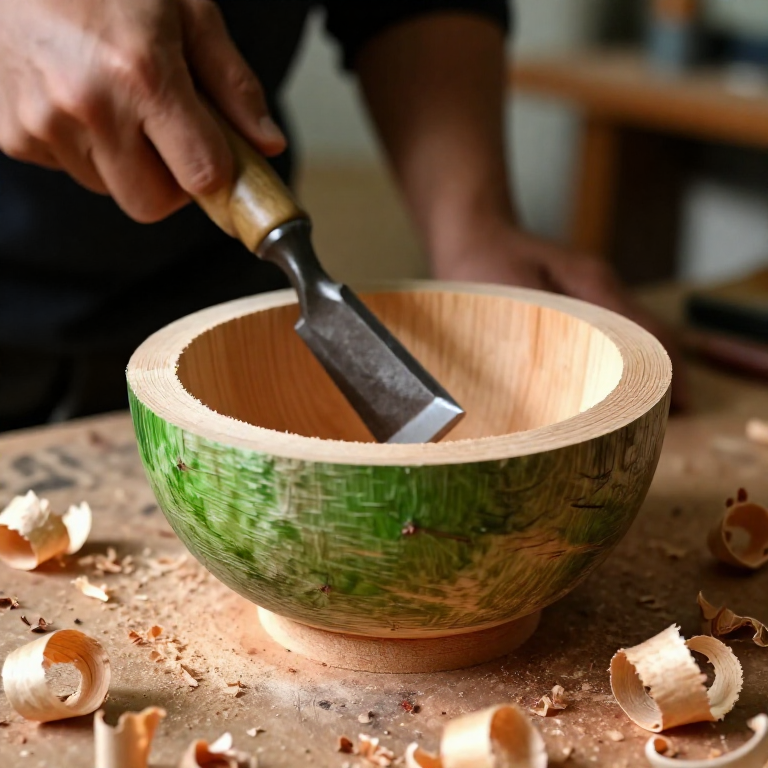


Carving a Wooden Bowl with an Adze — Hollowing from a Green Wood Blank
Before the lathe, every wooden bowl was carved by hand. The primary tool for hollowing was the adze — a blade set perpendicular to the handle, swung in short arcs to scoop out wood. A skilled worker can hollow a bowl from a green wood half-log in under an hour with nothing more than an adze and a gouge. The technique is ancient — wooden bowls carved with stone adzes have been found in Neolithic lake dwellings dating to 4000 BCE.
Green wood is essential. Freshly split wood is soft and forgiving — the adze bites cleanly and lifts chips without tearing. Seasoned wood is hard, punishes a slightly mis-angled blow, and tends to crack. The bowl is roughed out while green, then left to dry slowly. As it dries, a hand-carved bowl will move — the walls thin unevenly, and tension in the grain pulls the rim into a gentle oval. This is not a defect but a signature of hand work.
The combination of adze for roughing and gouge for finishing produces a bowl with visible tool marks that are both decorative and functional — the textured interior grips food better than a smooth turned surface, and the thick walls retain heat longer than thin-walled lathe work.
ការណែនាំ
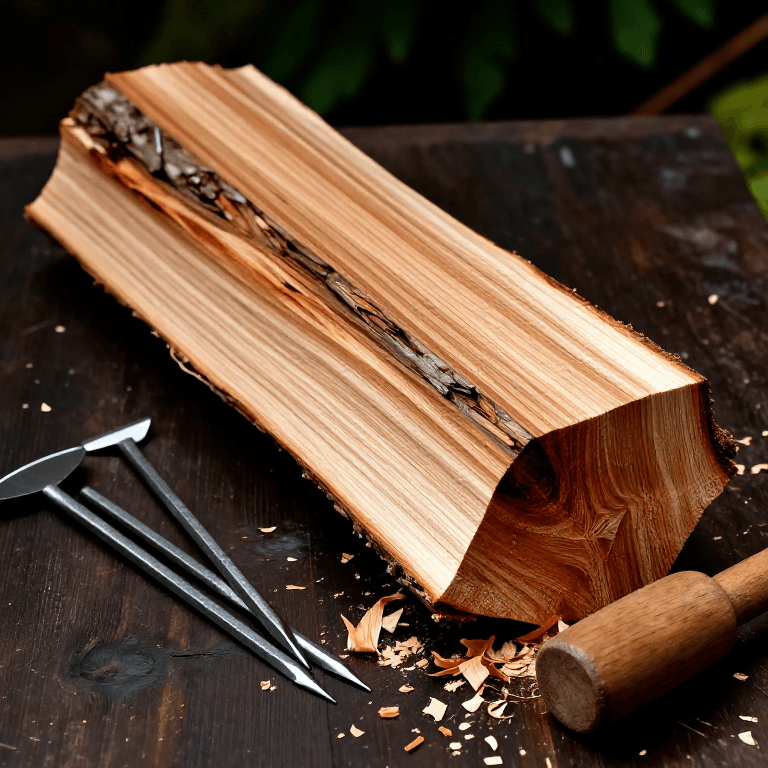
Split a bowl blank from a green log
Split a bowl blank from a green log
សម្ភារៈសម្រាប់ជំហាននេះ៖
 ធ្នឹមឈើប៊ែច1 ដុំ
Shape the outside with a hatchet
Shape the outside with a hatchet
ឧបករណ៍ដែលត្រូវការ៖
 ពូថៅតូច
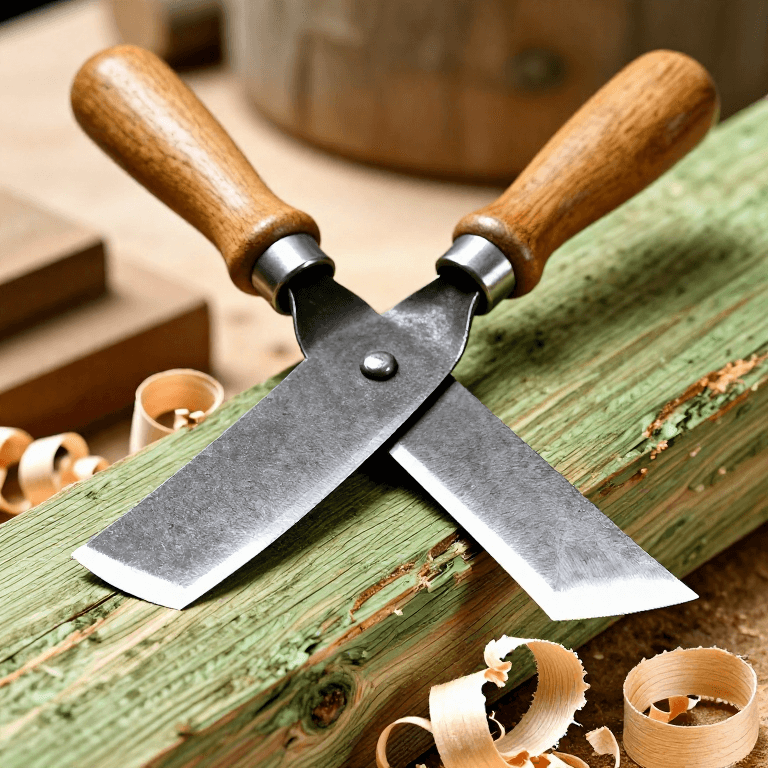
Hollow with the adze
Hollow with the adze
ឧបករណ៍ដែលត្រូវការ៖
 ពូថៅជីក
Refine with a gouge
Refine with a gouge
ឧបករណ៍ដែលត្រូវការ៖
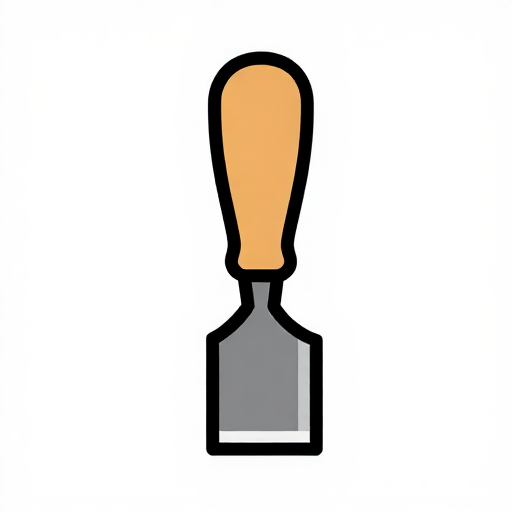 ដែកឆូតកោង
 ញញួរឈើ
Even the wall thickness
Even the wall thickness
Dry the bowl slowly
Dry the bowl slowly
សម្ភារៈសម្រាប់ជំហាននេះ៖
 ក្រមួនឃ្មុំ1 ដុំ
សម្ភារៈ
2- 1 ដុំកន្លែងទុក
- 1 ដុំកន្លែងទុក
សម្ភារៈប្លង់ដែលបានភ្ជាប់
ប្លង់ពាក់ព័ន្ធ
ប្លង់ទាំងនេះចែករំលែកចំណេះដឹង — បច្ចេកទេស សម្ភារៈ ឬគោលការណ៍
CC0 សាធារណៈ
ប្លង់នេះត្រូវបានចេញផ្សាយក្រោម CC0។ អ្នកមានសិទ្ធិចម្លង កែប្រែ ចែកចាយ និងប្រើប្រាស់ដោយមិនចាំបាច់សុំអនុញ្ញាត។
គាំទ្រអ្នកបង្កើតដោយទិញផលិតផលតាមរយៈប្លង់របស់ពួកគេ ដែលពួកគេទទួលបាន កម្រៃជើងសារអ្នកបង្កើត កំណត់ដោយអ្នកលក់ ឬបង្កើតកំណែថ្មីនៃប្លង់នេះ ហើយបញ្ចូលជាការតភ្ជាប់ក្នុងប្លង់របស់អ្នកដើម្បីចែករំលែកចំណូល។