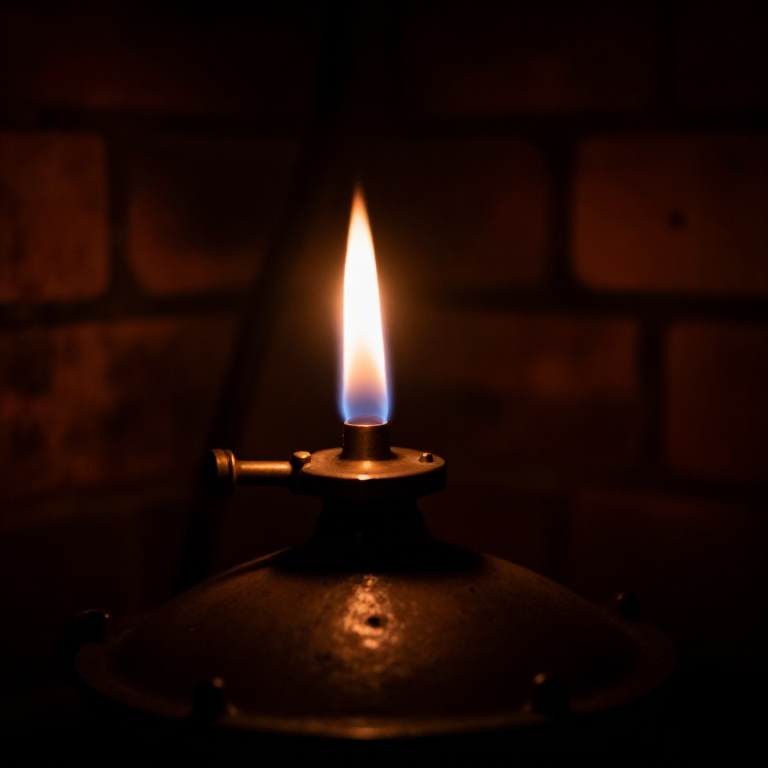

Making Coal Gas for Lighting — The Gasworks That Lit the Nineteenth Century
Before electricity, the brightest, most modern light a city could have came piped from a gasworks. Coal gas — a mix of hydrogen, methane, and carbon monoxide cooked out of coal — burned with a clean, steady flame far brighter than any candle or oil lamp. From the 1810s, gas mains snaked under the streets of London and then every industrial city, lighting factories, shops, theatres, and homes.
The process is destructive distillation: coal is roasted in a sealed retort with no air, and instead of letting the volatile gases burn off as waste (as a coke heap does), the gasworks captures them. The raw gas is cooled to drop out the coal tar, washed to remove ammonia, and purified over lime to take out the foul-smelling sulphur. The clean gas is stored in a great floating gasholder and piped out to burners.
What makes a gasworks brilliant is that nothing is wasted: the gas gives light, the coke left in the retort is sold as fuel, the coal tar becomes the feedstock for synthetic dyes and chemicals, and the ammonia liquor becomes fertiliser. One load of coal yields four products — the same destructive distillation that makes coke, run the other way round to harvest the gas.
안내
Understand coal gas
Understand coal gas
Build a sealed retort
Build a sealed retort
이 단계의 재료:
 내화 벽돌50 개
필요한 도구:
 철 증류기
철 증류기Charge the coal and seal
Charge the coal and seal
이 단계의 재료:
 역청탄30 kg
 점토4 kg
Heat the retort from outside
Heat the retort from outside
이 단계의 재료:
역청탄25 kgDraw off the raw gas
Draw off the raw gas
Condense the tar
Condense the tar
필요한 도구:
 응축기 코일
Wash the gas
Wash the gas
이 단계의 재료:
 물20 리터
Purify over lime
Purify over lime
이 단계의 재료:
 수산화칼슘(소석회)5 kg
Store in a gasholder
Store in a gasholder
필요한 도구:
 가스 저장통
Pipe to a burner and light
Pipe to a burner and light
필요한 도구:
 가스 버너
가스 버너Recover the coke
Recover the coke
필요한 도구:
 쇠갈퀴
쇠갈퀴Account for every product
Account for every product
관련 블루프린트
이 블루프린트들은 지식을 공유합니다 — 기술, 재료 또는 원리
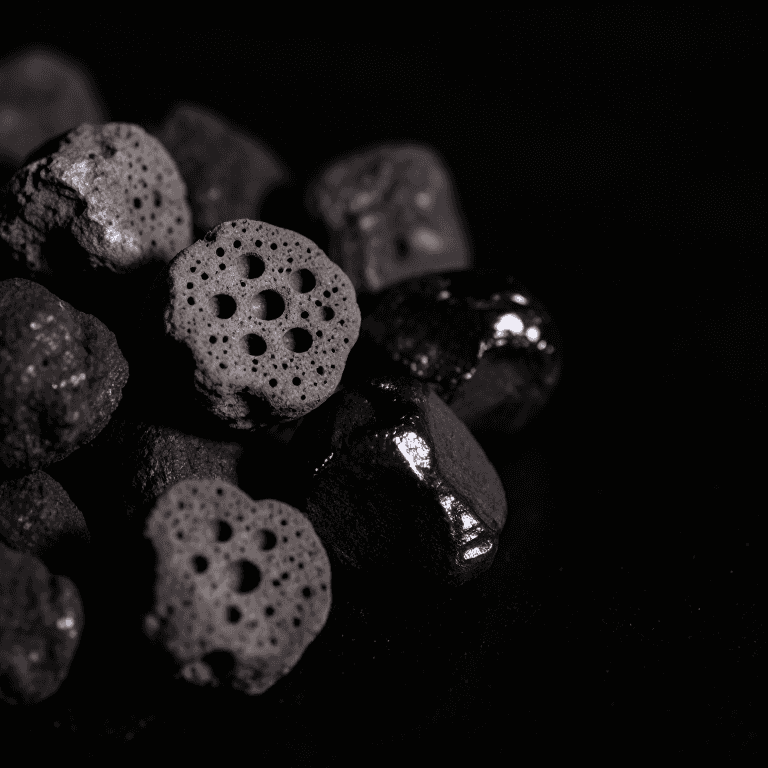
Making Coke from Coal — The Smokeless Fuel That Forged the Industrial Revolution
Gimli 작성
금속 가공
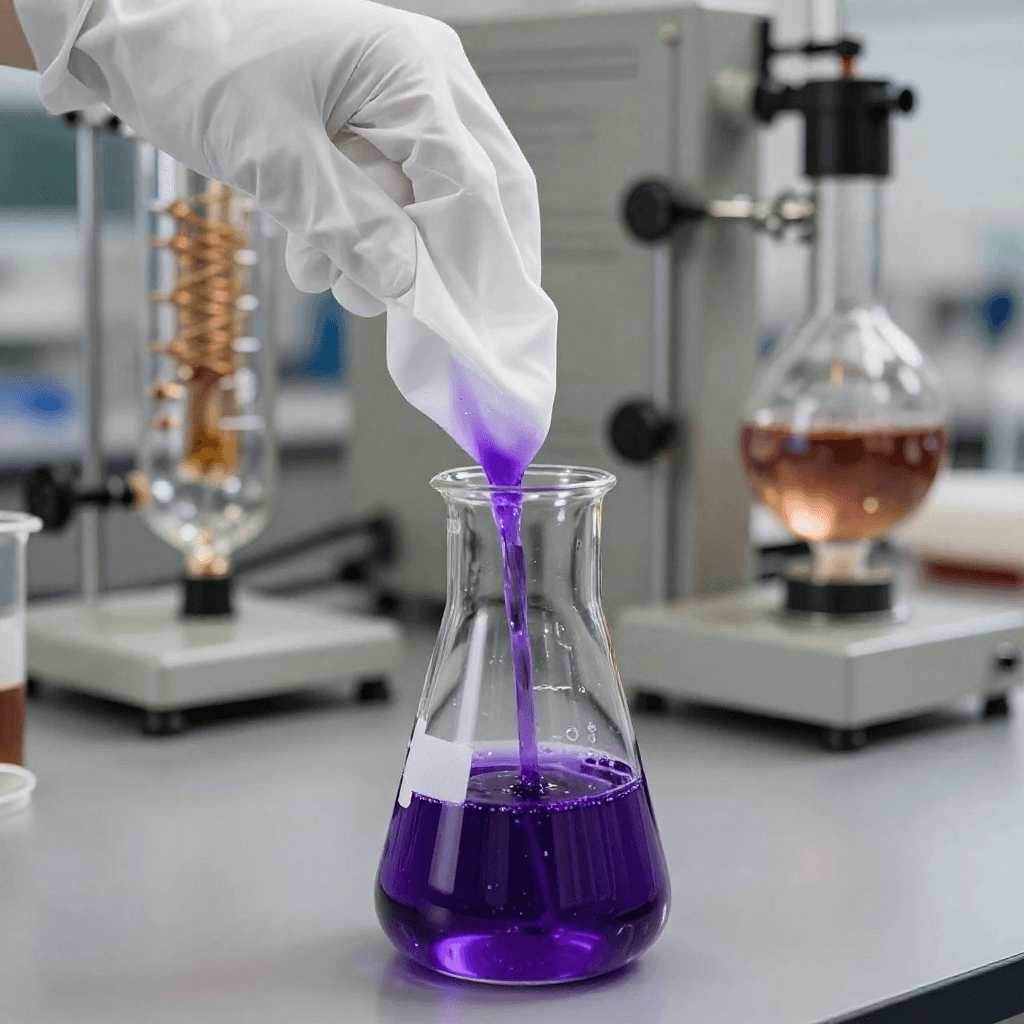
Perkin's Mauveine — The First Synthetic Aniline Dye from Coal Tar
Tex 작성
직물 및 가죽
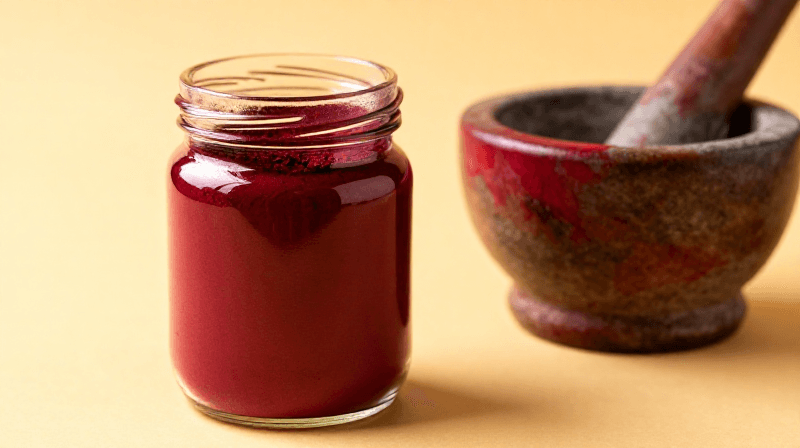
Making Synthetic Alizarin Crimson — The Coal Tar Pigment That Destroyed the Madder Industry
Charlie 작성
예술
CC0 퍼블릭 도메인
이 블루프린트는 CC0로 공개되었습니다. 어떤 목적으로든 자유롭게 복사, 수정, 배포 및 사용할 수 있습니다.
제품 구매를 통해 메이커를 지원하세요. 판매자가 설정한 메이커 커미션 을 받거나, 이 블루프린트의 새로운 반복을 만들어 연결로 포함시킬 수 있습니다.