예술
뷰티 및 웰니스
공예
문화 및 역사
엔터테인먼트
환경
음식 및 음료
역공학
과학
스포츠
기술
웨어러블
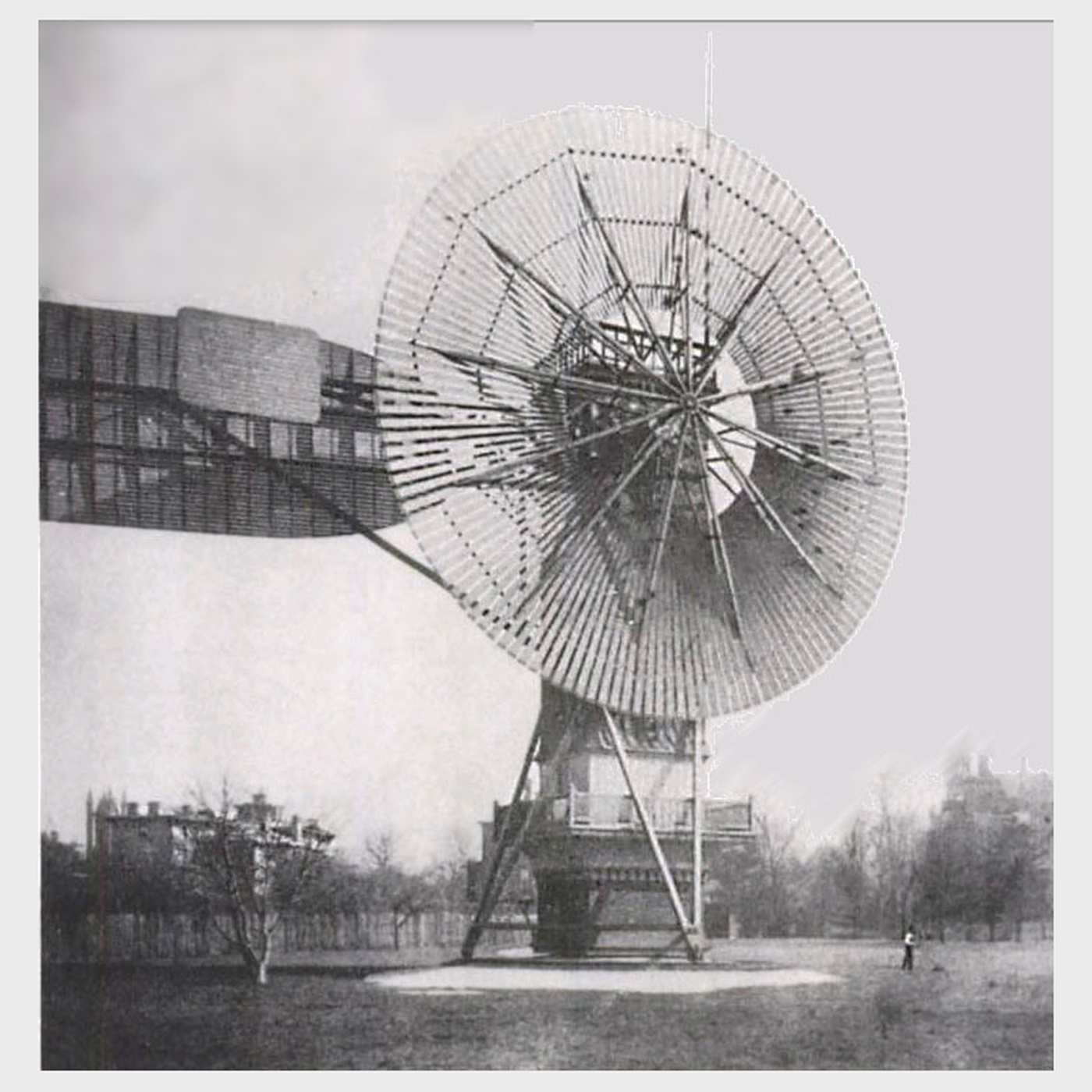


Electricity From the Wind: The Cube Law and a Rotor on a Dynamo
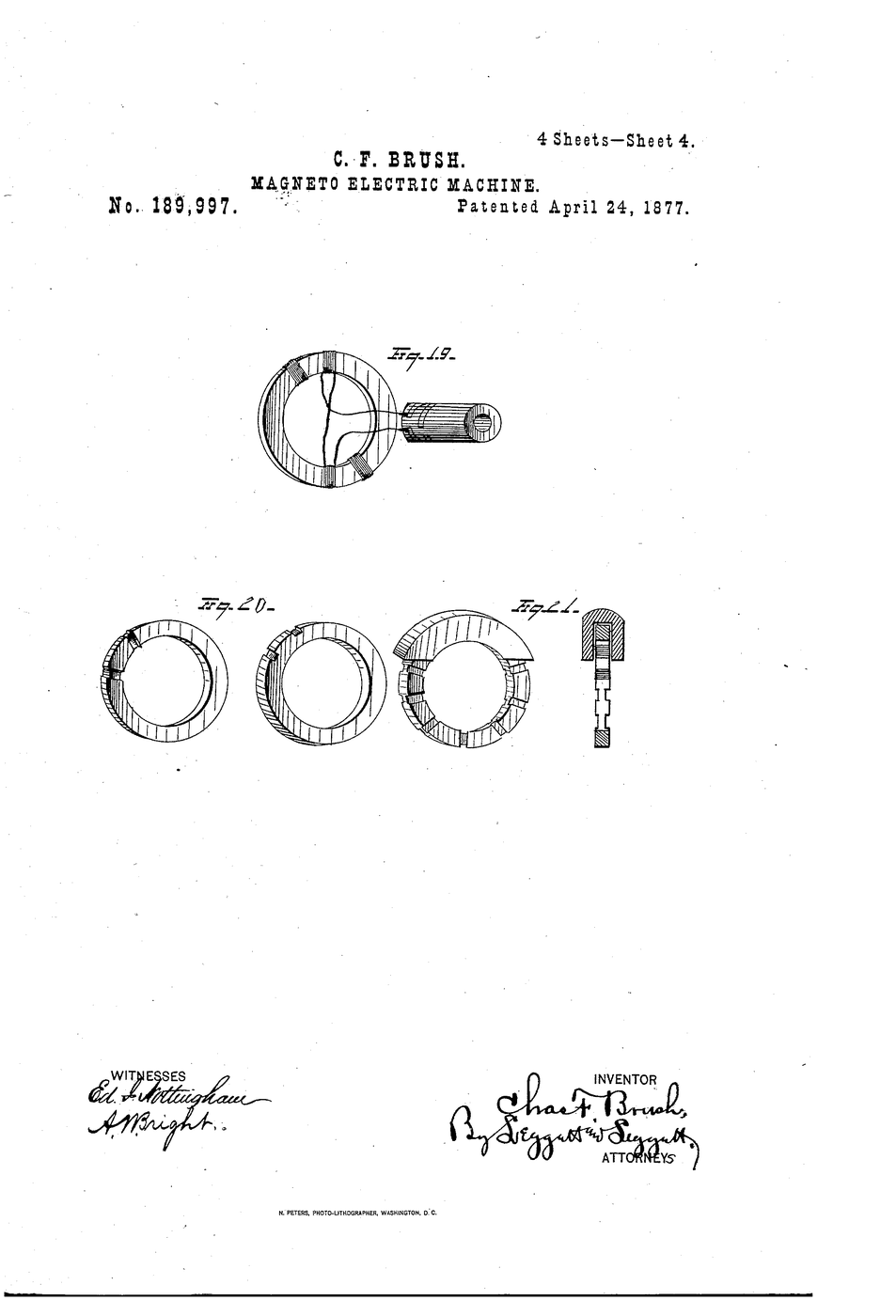
For a thousand years windmills ground grain and pumped water. In the winter of 1887–88 Charles F. Brush put one to a new job in the back garden of his house in Cleveland, Ohio: a 17-metre rotor of 144 cedar blades turning a dynamo that charged a cellar full of batteries — electricity from the wind.
Everything about a wind generator follows from one relation: the power in the wind goes with the cube of its speed and the square of the rotor's diameter. That is why turbines grew huge and why their sites are chosen with such care.
This rung builds a small wind generator from a hobby motor and a printed rotor, measures its power in front of a fan at several wind speeds, and checks the cube law.
초급
About 4 hours
안내
1
1
The cube law
The cube law
Jupyter 노트북 불러오는 중…
2
2
Build a small wind generator
Build a small wind generator
A small permanent-magnet DC motor is also a generator: turn its shaft and it makes a voltage proportional to speed.
Print a three-bladed rotor 300 mm across in PETG, with a hub that presses onto the motor shaft, each blade twisted — steep near the hub, flatter towards the tip — because the tip moves faster through the air than the root. Mount the motor on a dowel mast clamped to a plywood base, with the rotor facing the fan.
Wire the motor's terminals to a 330 Ω resistor as a load, with the multimeter across it. Add an LED in series if you want to see it light.
이 단계의 재료:
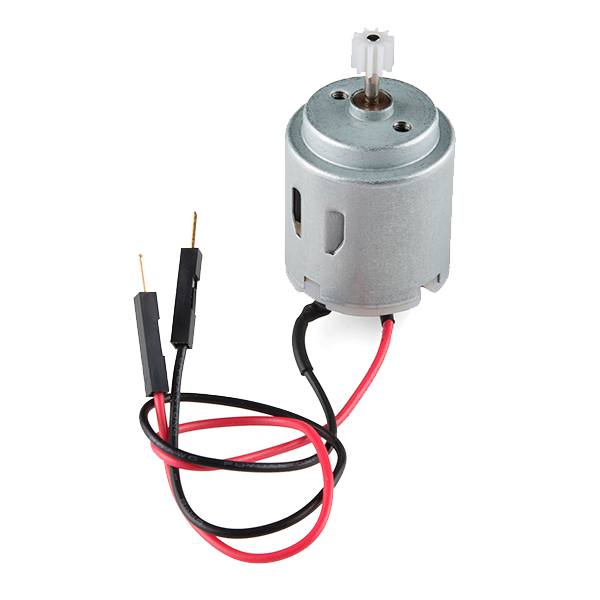 Hobby Motor - Gear1 개
 PETG 필라멘트60 g
 단단한 나무 목심1 세트
 합판1 장
합판1 장 330 옴 저항1 개
 5 mm LED1 개
 점퍼 와이어1 세트
필요한 도구:
 FDM 3D 프린터
 무선 드릴
무선 드릴 드릴 비트 세트
 육각 렌치 세트
3
3
Measure its power at three wind speeds
Measure its power at three wind speeds
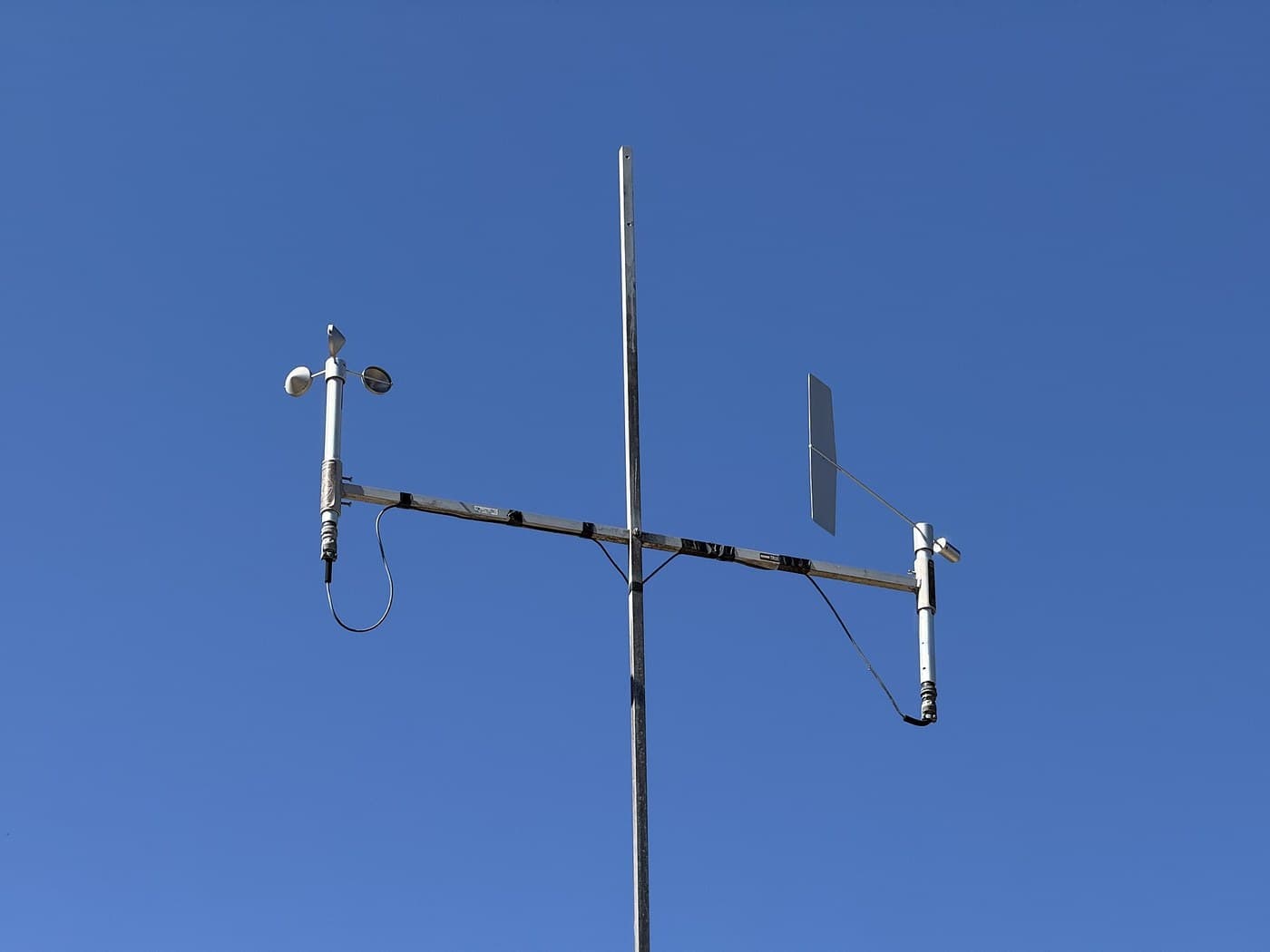
Stand the box fan 1.5 m away, facing the rotor. Measure the wind speed at the rotor with the anemometer before fitting the rotor, at each fan setting.
Fit the rotor, run the fan, and read the voltage across the resistor once it is steady. The electrical power is **V² ÷ R**. Record wind speed and power for each fan setting.
Plot power against wind speed cubed. It should be roughly a straight line — not exactly, because a small motor's own losses take a bigger share at low speed. Then divide your power by the notebook's power passing through a 0.3 m disc at the same wind speed. That ratio is your rotor's power coefficient, and the Betz rung shows the most it could ever be.
필요한 도구:
 박스 팬(속도 조절)
 휴대용 풍속계
 멀티미터
멀티미터 줄자
줄자 디지털 회전 속도계
4
4
History and context
History and context
**Charles F. Brush, Cleveland, Ohio, 1887–88** — a 17 m, 144-bladed rotor on a tower about 18 m (60 ft) high driving a 12 kW dynamo through step-up gearing, charging batteries that lit his house; it ran for some twenty years. Brush had already built the arc-lighting dynamo in this catalogue. No patent number is asserted here.
In Denmark from 1891, **Poul la Cour** tested rotors in a wind tunnel of his own and found that fewer blades turning faster made better use of the wind than many slow ones — the direction every modern turbine took.
**Honest limits.** The wind stops; a wind generator needs storage or another source behind it. Its output swings with the cube of a quantity that changes by the minute. And a large rotor is a serious hazard: it must be able to stop itself in a storm, as the Halladay windmill's governor in this catalogue already could.
재료
7- Hobby Motor - Gear10% 수수료1 개₩34
- 60 g플레이스홀더
- 1 세트플레이스홀더
- 1 장플레이스홀더
- 1 개플레이스홀더
필요 도구
9- 플레이스홀더
- 1 vendor sell this, none ship to you yet플레이스홀더
- 플레이스홀더
- 플레이스홀더
- 플레이스홀더
- 플레이스홀더
- 플레이스홀더
- 1 vendor sell this, none ship to you yet플레이스홀더
- 플레이스홀더
예상 총액
만든 사람이 산 것. 가격이 없는 재료는 구매하는 곳에서 구하면 됩니다.
관련 블루프린트
이 블루프린트들은 지식을 공유합니다 — 기술, 재료 또는 원리


CC0 퍼블릭 도메인
이 블루프린트는 CC0로 공개되었습니다. 어떤 목적으로든 자유롭게 복사, 수정, 배포 및 사용할 수 있습니다.
제품 구매를 통해 메이커를 지원하세요. 판매자가 설정한 메이커 커미션 을 받거나, 이 블루프린트의 새로운 반복을 만들어 연결로 포함시킬 수 있습니다.