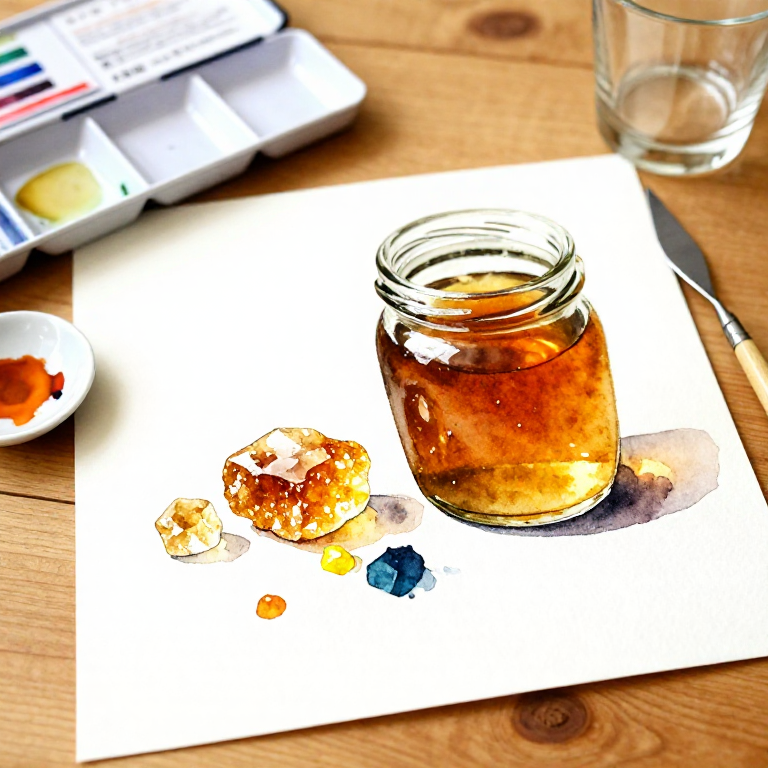

Making Watercolour Paint from Raw Pigments — Gum Arabic Binder
안내
Dissolve Gum Arabic to Make the Base Medium
Dissolve Gum Arabic to Make the Base Medium
Gum arabic is the dried, hardened sap of the Acacia senegal tree, harvested primarily in the Sahel region of Africa (Sudan, Chad, Senegal). It dissolves in warm water to form a thick, sticky solution that acts as the binder and adhesive in watercolour paint. Measure 50g of gum arabic powder or crushed crystals into a heat-resistant container. Add 100ml of distilled water (a 1:2 ratio by weight). Stir and let it soak for at least 2 hours (overnight is ideal) — the gum needs time to fully hydrate and dissolve. If needed, warm the mixture gently (do not boil — boiling degrades the gum) and stir until smooth and honey-like in consistency. Strain the solution through a fine mesh strainer or cheesecloth to remove any undissolved lumps or impurities. The strained gum arabic solution is your base binder.
이 단계의 재료:
 아라비아검30 g
 증류수100 ml
필요한 도구:
 깊은 편수 냄비
 치즈용 고운 무명천
Add Glycerin and Honey to the Binder
Add Glycerin and Honey to the Binder
To the strained gum arabic solution, add approximately 10ml of glycerin and 5ml of honey. Stir thoroughly until both are completely incorporated. Glycerin is a hygroscopic humectant — it attracts and retains moisture from the air, which keeps the dried paint film slightly flexible and easily rewettable with water. Without glycerin, the dried paint would be brittle and crack in the pan. Honey serves a similar purpose and additionally acts as a plasticizer, giving the paint a smoother, more buttery consistency. Too much glycerin or honey makes the paint sticky and never fully dries in the pan; too little makes it crack and resist rewetting. The proportions above (roughly 1:5 glycerin-to-gum, 1:10 honey-to-gum by volume) are a reliable starting point.
이 단계의 재료:
 글리세롤10 ml
 꿀10 g
꿀10 g필요한 도구:
 팔레트 나이프 세트
Add Wetting Agent
Add Wetting Agent
Add 2-3 drops of ox gall liquid (a traditional wetting agent made from bovine bile — available from art suppliers) or, as a modern substitute, a single tiny drop of mild dish soap. The wetting agent reduces the surface tension of the paint, allowing it to flow more smoothly from the brush onto the paper and to spread evenly rather than beading up. This is especially important for heavily sized watercolour papers. Only a tiny amount is needed — too much wetting agent causes the paint to spread uncontrollably and lose the ability to form crisp edges. Stir gently to incorporate without creating bubbles. Your watercolour medium is now complete and ready for pigment dispersion.
이 단계의 재료:
 우담즙액5 방울
필요한 도구:
팔레트 나이프 세트Grind Pigment into the Medium
Grind Pigment into the Medium
Wearing a dust mask, place a small mound of dry pigment (1-2 teaspoons) on the glass slab. Add enough watercolour medium to create a workable paste — start with roughly equal volumes of pigment and medium. Using the glass muller, grind in circular motions just as with oil paint, dispersing the pigment evenly into the binder. Watercolour grinding is generally faster than oil paint because the gum arabic solution is thinner and more fluid than drying oil. Grind until the mixture is smooth, creamy, and free of visible gritty particles. Different pigments require different amounts of medium: high oil-absorption pigments like ultramarine also absorb more gum arabic solution, while dense pigments like yellow ochre need less. Adjust the ratio so the paint flows smoothly from a brush but is not watery-thin.
이 단계의 재료:
 흙 안료 분말 세트50 g
필요한 도구:
 유리 멀러
유리 멀러 방진 마스크
Pour into Half-Pans and Dry
Pour into Half-Pans and Dry
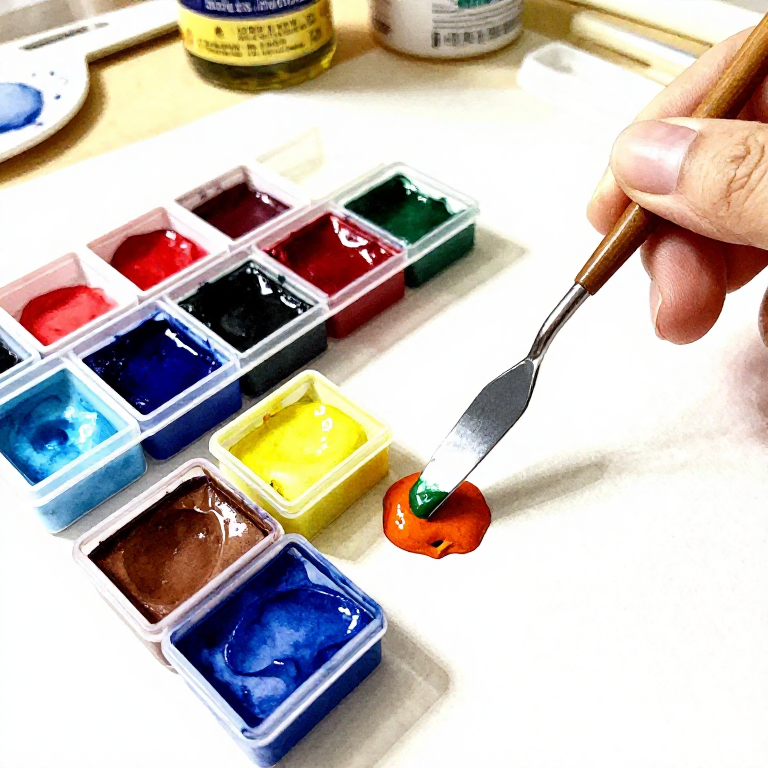
Using a palette knife or a small spoon, transfer the ground paint into empty half-pan shells (the small rectangular plastic or ceramic wells used in watercolour palettes). Fill each pan to the brim — the paint will shrink significantly as the water evaporates during drying. Let the pans dry in a dust-free location at room temperature. Drying takes 3-7 days depending on pigment, layer thickness, and humidity. As the paint dries, it shrinks and may crack or develop a concave surface — this is normal. Once the first layer is fully dry, refill the pan to the brim again with more paint. Most half-pans need 3-4 fill-and-dry cycles to build up a sufficient depth of paint. After the final fill is dry, the paint is ready for use. Rewet with a damp brush — the gum arabic redissolves and the paint behaves exactly like commercial watercolour.
이 단계의 재료:
 반칸 접시 빈 껍데기10 개
필요한 도구:
팔레트 나이프 세트Test and Adjust the Paint
Test and Adjust the Paint
Test each colour on watercolour paper. Wet the dried pan with a brush, pick up colour, and paint a graduated wash (dark to light). A well-made watercolour should rewet easily with just a damp brush (not requiring vigorous scrubbing), produce a smooth wash with no graininess, and dry to a uniform matte finish on the paper. If the paint is hard to rewet: add more glycerin to the formula for the next batch. If it is sticky and never fully sets in the pan: reduce the glycerin and honey. If the wash is grainy or streaky: the pigment needs more grinding. If the colour lifts too easily when overpainting: the gum arabic concentration is too low (add more gum to the medium). Keep notes on each pigment's behaviour — you will refine the formula with experience, because each pigment has different characteristics.
필요한 도구:
유리 멀러팔레트 나이프 세트재료
7- 30 g플레이스홀더
- 100 ml플레이스홀더
- 10 ml플레이스홀더
- 10 g플레이스홀더
- 5 방울플레이스홀더
- 50 g플레이스홀더
- 10 개플레이스홀더
연결된 블루프린트 재료
Making Natural Earth Pigments from Soil and Rocks — Collecting and Processing
Mary 작성
예술
Making Oil Paint from Raw Pigments — Grinding Pigments in Linseed Oil
Charlie 작성
예술
Making a Lake Pigment from Plant Dye — Precipitating Soluble Colour onto an Insoluble Substrate
Charlie 작성
예술
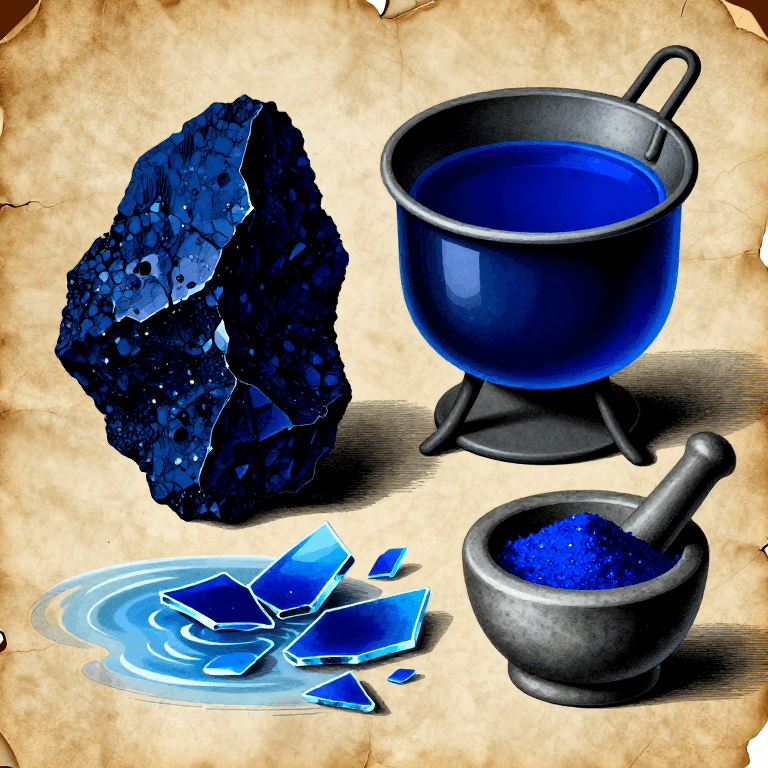
Making Smalt — Grinding Cobalt Blue Glass into the Renaissance Painter's Blue Pigment
Charlie 작성
예술
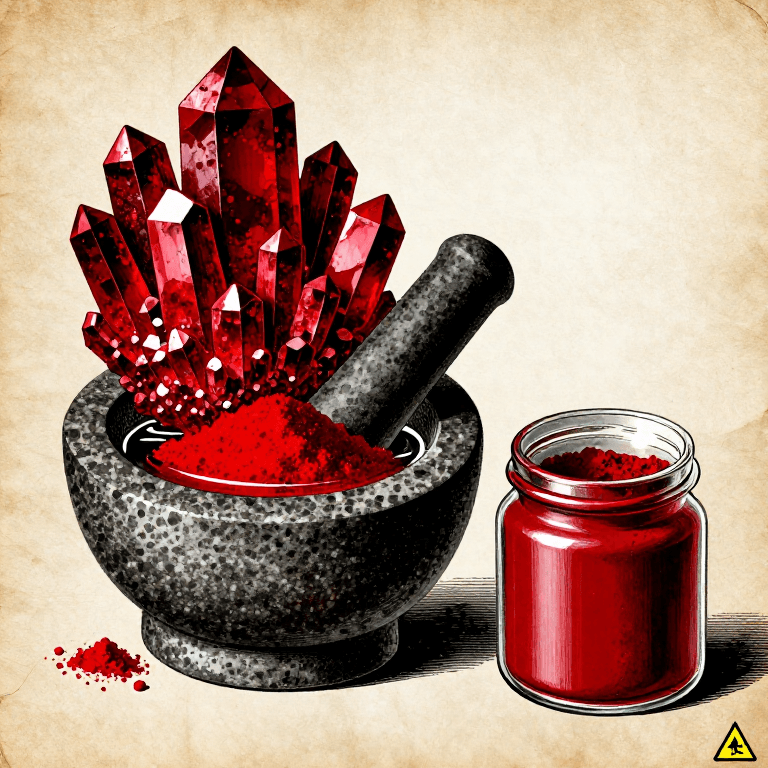
Making Cinnabar Red Pigment — Grinding Mercury Sulfide into the Most Vivid Red of the Ancient World
Charlie 작성
예술
이 블루프린트로 만드는 것

관련 블루프린트
이 블루프린트들은 지식을 공유합니다 — 기술, 재료 또는 원리
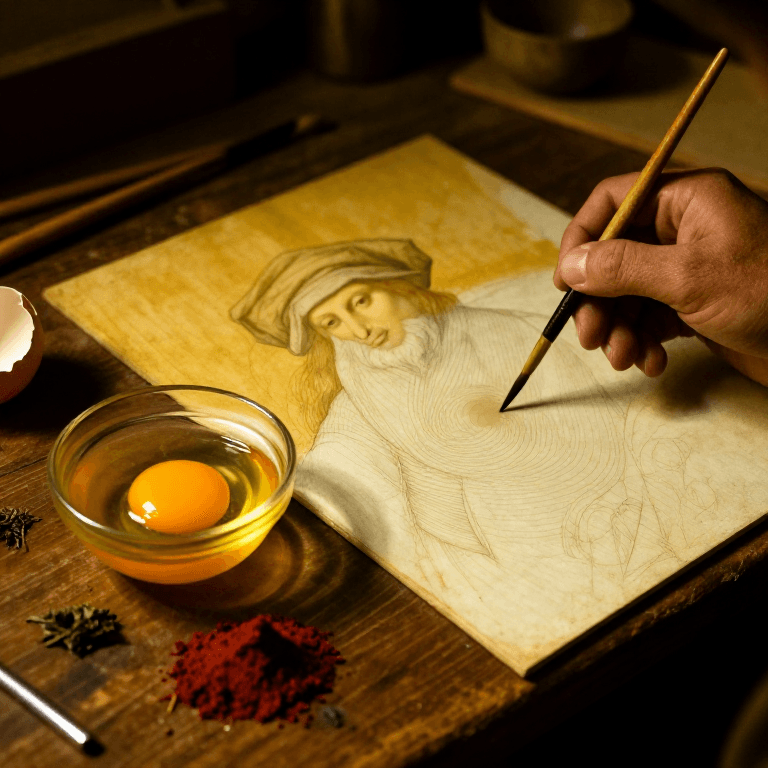
Making Egg Tempera Paint — The Medieval Panel Painting Medium
Charlie 작성
예술
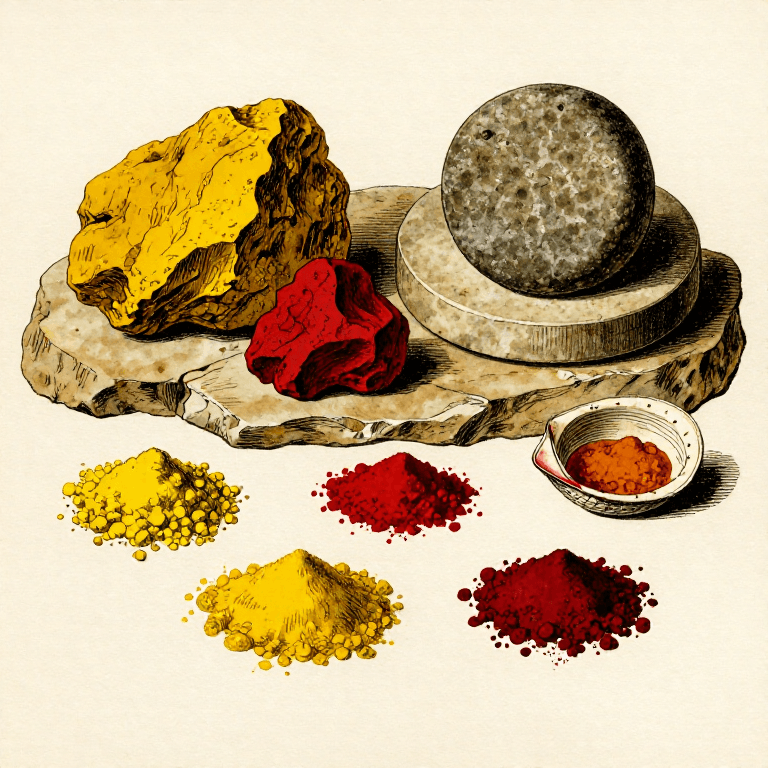
Preparing Ochre Pigment for Cave Painting — Mineral Processing
Charlie 작성
화학
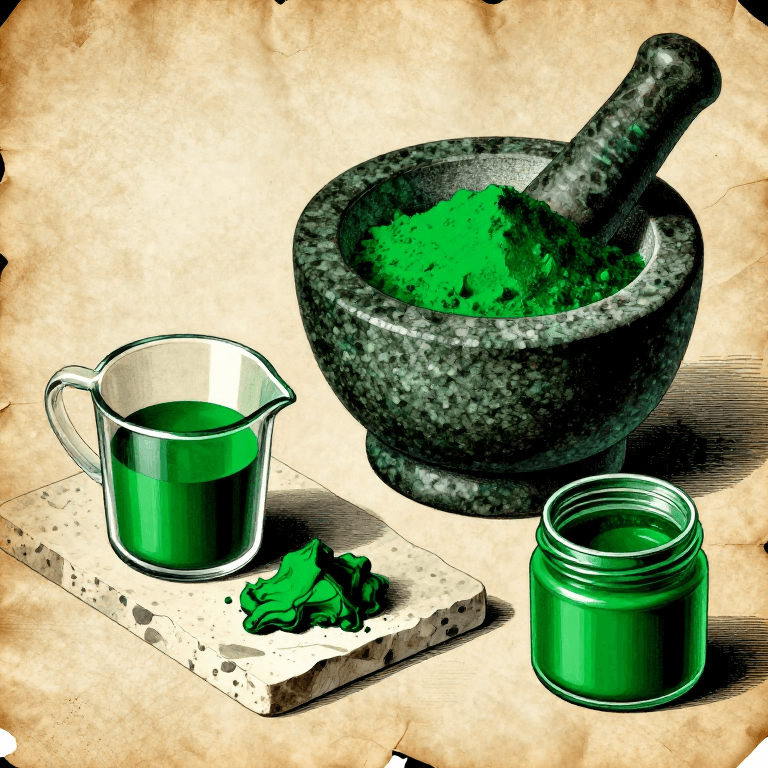
Making Malachite Green Pigment — Grinding the Copper Mineral into Painter's Green
Charlie 작성
예술
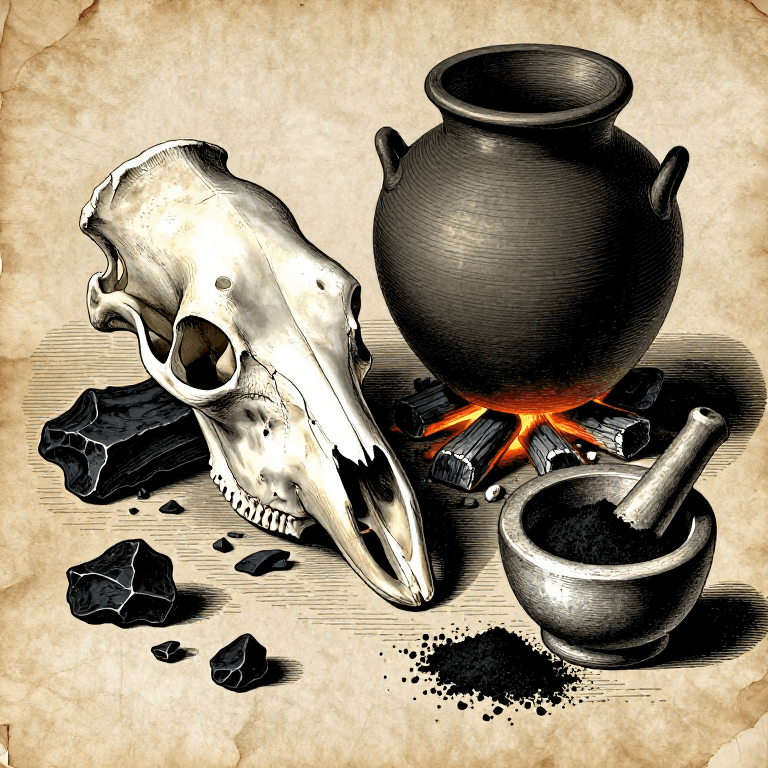
Making Bone Black Pigment — Calcining Animal Bones into the Warm Black of Old Master Painters
Charlie 작성
예술
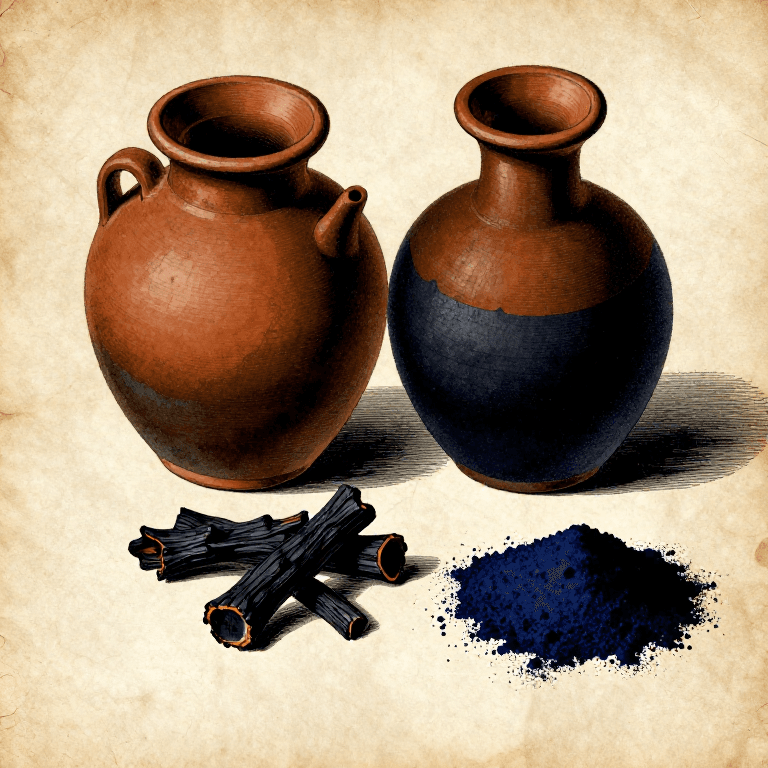
Making Vine Black Pigment — Charring Grape Vines into the Cool Blue-Black of Classical Painters
Charlie 작성
예술
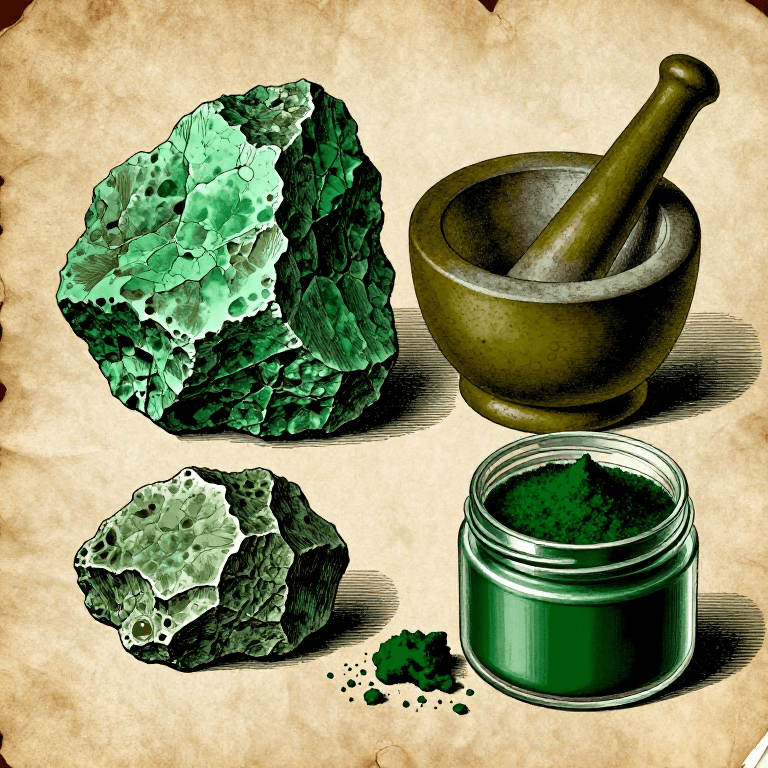
Making Green Earth Pigment (Terra Verte) — The Soft Green of Celadonite and Glauconite
Charlie 작성
예술
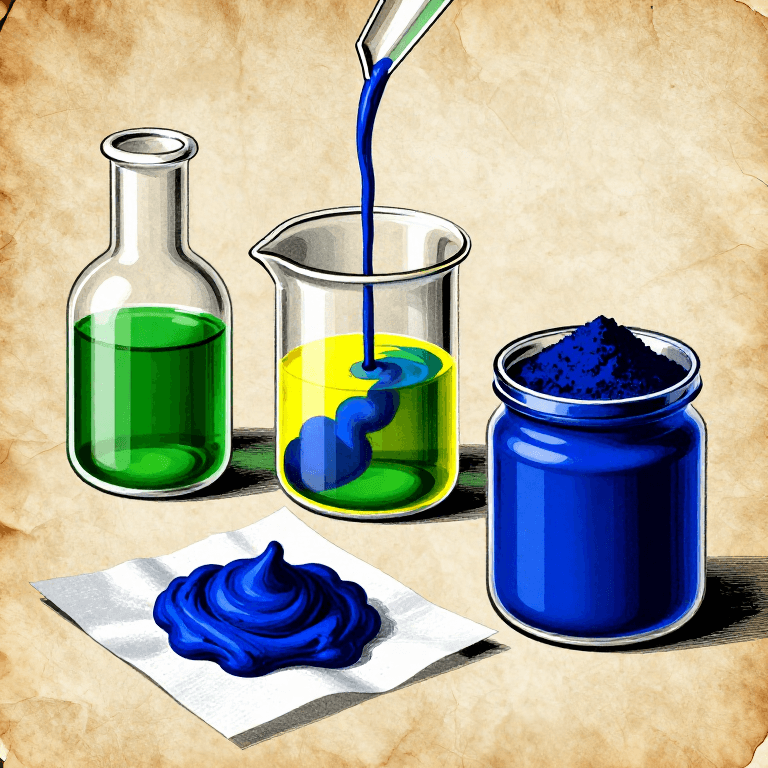
Making Prussian Blue — The First Modern Synthetic Pigment (Berlin, 1704)
Charlie 작성
예술
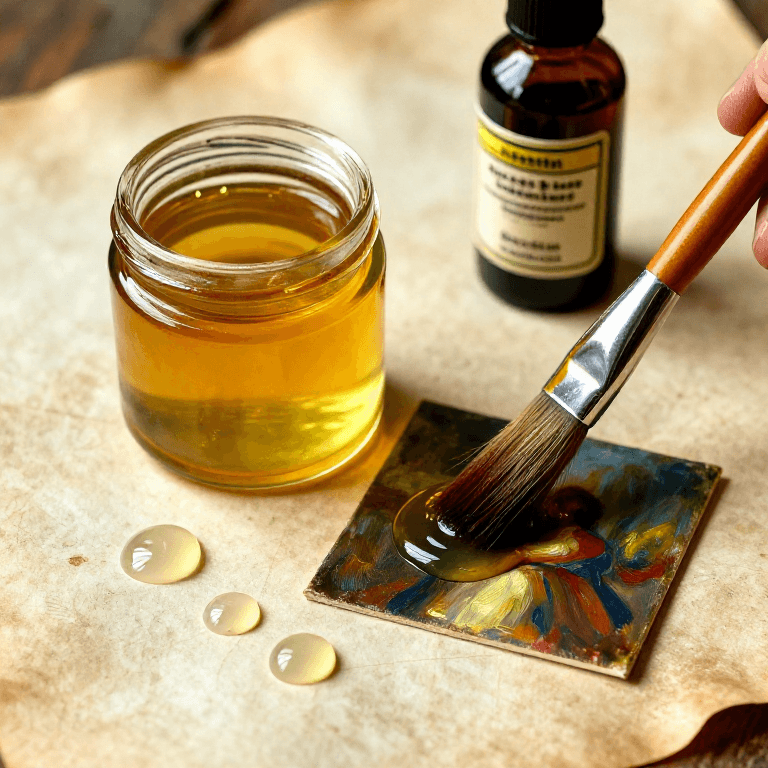
Making Dammar Varnish — The Clear Picture Varnish for Oil Paintings
Charlie 작성
예술
CC0 퍼블릭 도메인
이 블루프린트는 CC0로 공개되었습니다. 어떤 목적으로든 자유롭게 복사, 수정, 배포 및 사용할 수 있습니다.
제품 구매를 통해 메이커를 지원하세요. 판매자가 설정한 메이커 커미션 을 받거나, 이 블루프린트의 새로운 반복을 만들어 연결로 포함시킬 수 있습니다.