ศิลปะ
ความงามและสุขภาพ
งานฝีมือ
วัฒนธรรมและประวัติศาสตร์
ความบันเทิง
สิ่งแวดล้อม
อาหารและเครื่องดื่ม
วิศวกรรมย้อนรอย
วิทยาศาสตร์
กีฬา
เทคโนโลยี
อุปกรณ์สวมใส่
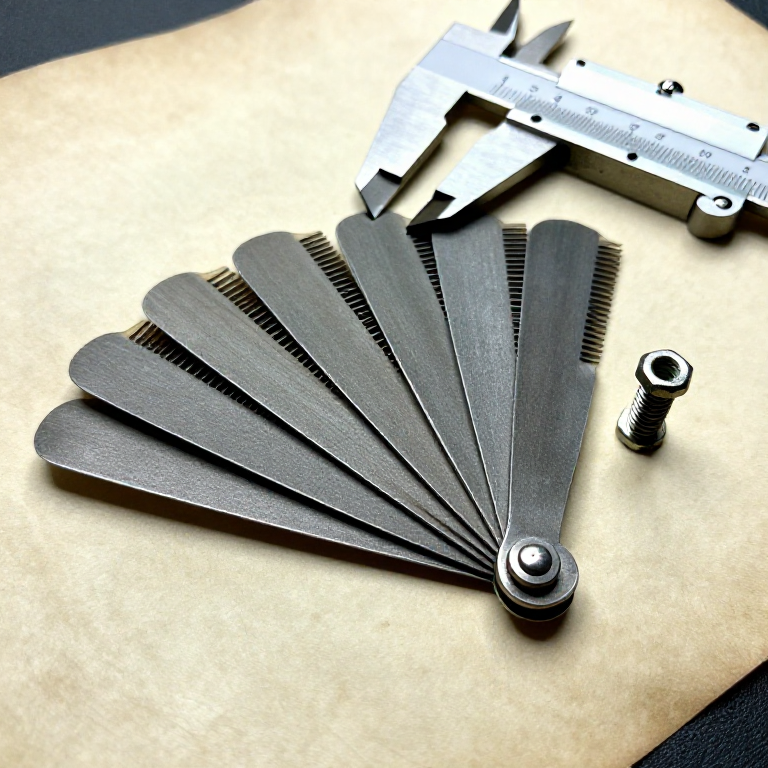


Identifying a Thread: Which Bolt Is That, Actually?
A drawer of unlabelled bolts is a common problem and an easy one, once you know that only two measurements identify a thread: the diameter across the crests and the pitch.
Get either wrong and the fastener will start, bind, and strip the threads it is going into — which is why guessing is expensive. M8 and 5/16 UNC are close enough to start in each other's holes and different enough to destroy them.
This rung covers measuring both, the handful of standards a maker will actually meet, and the trap of the two systems that look identical until they are tightened.
เริ่มต้น
2 hours
คำแนะนำ
1
1
Measure the diameter over the crests
Measure the diameter over the crests
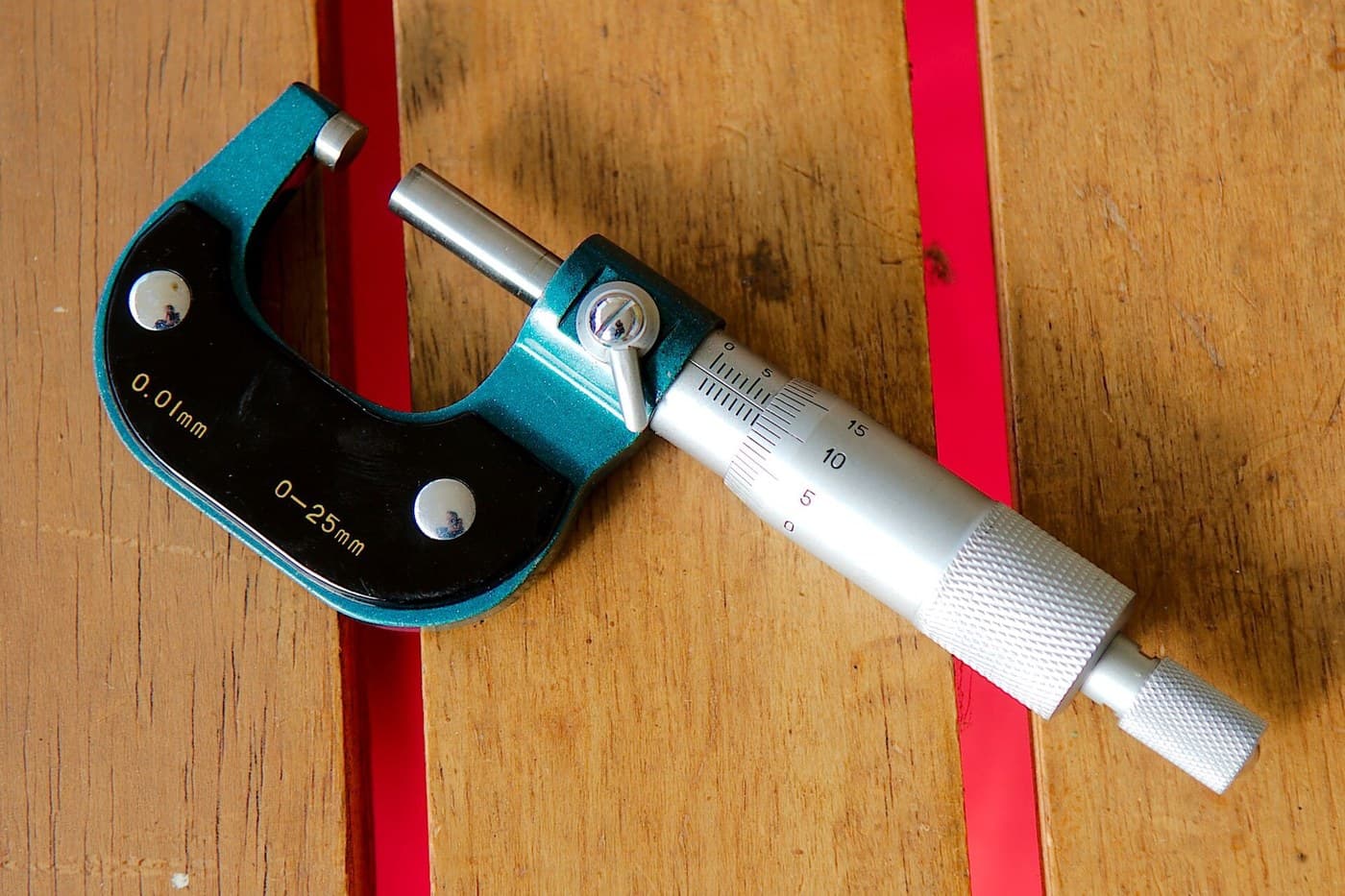
Put a caliper across the widest part of the thread and read it. An M8 bolt measures very close to 8 mm; a 5/16 inch bolt measures about 7.9 mm.
That 0.1 mm is the entire difference and a caliper alone will not settle it — which is exactly why the pitch matters more than the diameter for identification. Measure the diameter to narrow it to two or three candidates, then use the pitch to decide.
Measure a clean unworn part of the thread, not a damaged end or the run-out near the head. And measure a BOLT rather than trying to measure the hole: an internal thread is far harder to measure directly, and the published bore-measurement blueprint exists for exactly that reason.
เครื่องมือที่ต้องใช้:
 เวอร์เนียคาลิเปอร์
 ชุดสลักเกลียวหกเหลี่ยมคละขนาด
 สกรูเกลียวมิล
2
2
Use a thread gauge — do not count threads by eye
Use a thread gauge — do not count threads by eye
A thread pitch gauge is a fan of thin steel leaves, each cut to one pitch. Try them against the bolt until one seats with no light showing between the teeth anywhere along it.
Counting threads per inch with a rule works but is slow and error-prone, and the commonest mistake is off-by-one at the ends. The gauge is unambiguous: the right leaf disappears into the thread and every wrong one rocks or shows light.
Metric leaves are marked in millimetres of pitch (1.25, 1.5) and imperial ones in threads per inch (18, 20, 24). A set usually carries both, and which kind of leaf fits is itself half the identification.
เครื่องมือที่ต้องใช้:
 เกจวัดเกลียวชุดสลักเกลียวหกเหลี่ยมคละขนาด
 กล้องส่องขยาย
3
3
The standards you will actually meet
The standards you will actually meet
กำลังโหลดสมุด Jupyter…
เครื่องมือที่ต้องใช้:
เกจวัดเกลียวเวอร์เนียคาลิเปอร์ เครื่องคิดเลข
4
4
Label the drawer — and keep the odd ones apart
Label the drawer — and keep the odd ones apart
Once a fastener is identified, it costs nothing to keep it that way. Sort by thread into labelled compartments and the whole problem disappears permanently.
Keep imperial fasteners physically separate from metric ones rather than mixed and labelled. The near-miss pairs are what cause the damage, and they only cause it when both are within reach of the same hand.
Where a machine uses an unusual thread, tape a labelled sample to it or write the thread on the maintenance note. Working it out from scratch takes ten minutes every time, and stripping the hole because you guessed takes an afternoon to repair.
เครื่องมือที่ต้องใช้:
ชุดสลักเกลียวหกเหลี่ยมคละขนาดสกรูเกลียวมิล ชุดนัตและแหวนรองเกจวัดเกลียว
เครื่องมือที่จำเป็น
7- ตัวยึดตำแหน่ง
- ตัวยึดตำแหน่ง
- ตัวยึดตำแหน่ง
- ตัวยึดตำแหน่ง
- ตัวยึดตำแหน่ง
- ตัวยึดตำแหน่ง
- ตัวยึดตำแหน่ง
บลูพริ้นท์ที่เกี่ยวข้อง
บลูพริ้นท์เหล่านี้แบ่งปันความรู้ — เทคนิค วัสดุ หรือหลักการ

CC0 สาธารณสมบัติ
พิมพ์เขียวนี้เผยแพร่ภายใต้ CC0 คุณสามารถคัดลอก แก้ไข แจกจ่าย และใช้งานผลงานนี้เพื่อวัตถุประสงค์ใดก็ได้ โดยไม่ต้องขออนุญาต
สนับสนุนเมกเกอร์โดยซื้อสินค้าผ่านพิมพ์เขียวของพวกเขา ซึ่งพวกเขาจะได้รับ ค่าคอมมิชชันเมกเกอร์ ที่ผู้ขายกำหนด หรือสร้างเวอร์ชันใหม่ของพิมพ์เขียวนี้และรวมเป็นการเชื่อมต่อในพิมพ์เขียวของคุณเพื่อแบ่งรายได้