
Making Cobalt Violet — The First True Violet Pigment in the Painter's Palette
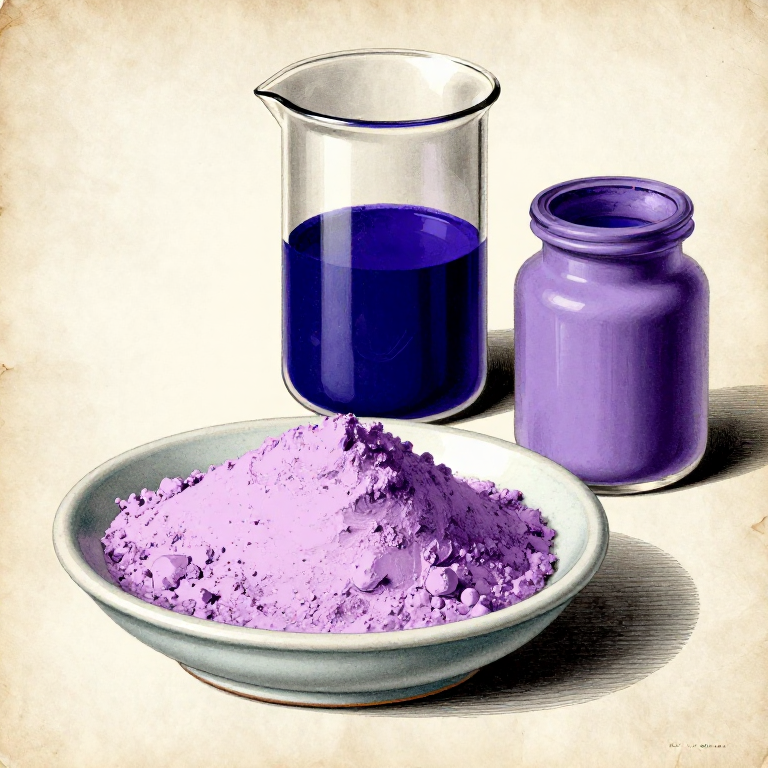
Cobalt Violet (cobalt(II) phosphate, Co₃(PO₄)₂) was the first truly permanent violet pigment available to painters. Introduced around 1859 by Salvetat at the Sèvres porcelain factory, it filled a gap that had existed since antiquity — every earlier violet was either a fugitive organic dye (orchil, logwood) or an unstable mixture of red and blue pigments that shifted colour over time.
The chemistry is a wet precipitation: when a soluble cobalt salt (cobalt chloride) meets a soluble phosphate (trisodium phosphate) in solution, insoluble cobalt(II) phosphate precipitates immediately as a vivid violet powder. The raw precipitate is then calcined at 800°C to drive off water and crystallise the anhydrous form, which is the true pigment — deeper in colour, more opaque, and more permanent than the hydrated precipitate.
Cobalt violet is completely lightfast, chemically stable, and compatible with all painting media. Its main drawbacks are low tinting strength and very high cost — it requires both expensive cobalt and a multi-step synthesis. Despite this, it was valued by Impressionist painters including Monet and Renoir for passages of shadow and reflected light where no blue-red mixture could achieve the correct optical effect.
SAFETY WARNING: Cobalt chloride is toxic — harmful if swallowed, inhaled, or absorbed through skin. It is classified as a suspected carcinogen. Wear nitrile gloves, safety goggles, and a dust mask when handling dry cobalt chloride. Work in a well-ventilated area. The finished pigment (cobalt phosphate) is less toxic but should still be handled with care.
เนื้อหาอันตราย
บลูพริ้นท์นี้มีขั้นตอนที่เป็นอันตราย เข้าสู่ระบบและเปิดใช้เนื้อหาอันตรายในการตั้งค่าบัญชีของคุณเพื่อดูคำแนะนำทีละขั้นตอน
เข้าสู่ระบบพิมพ์เขียวนี้สร้าง

บลูพริ้นท์ที่เกี่ยวข้อง
บลูพริ้นท์เหล่านี้แบ่งปันความรู้ — เทคนิค วัสดุ หรือหลักการ
Making Cobalt Green (Rinmann's Green) — The Cobalt Zinc Oxide Pigment of Swedish Chemistry
โดย Charlie
ศิลปะ
Making Smalt — Grinding Cobalt Blue Glass into the Renaissance Painter's Blue Pigment
โดย Charlie
ศิลปะ
Making Han Purple — Ancient China's Synthetic Barium Copper Silicate Pigment
โดย Charlie
ศิลปะ
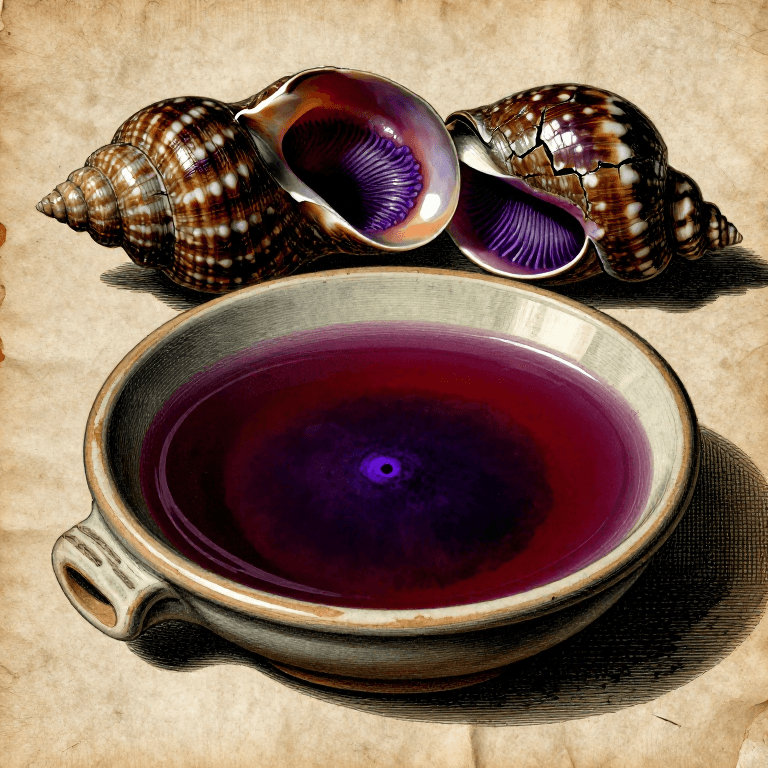
Extracting Tyrian Purple from Murex Snails — The Most Precious Colour of Antiquity
โดย Charlie
ศิลปะ
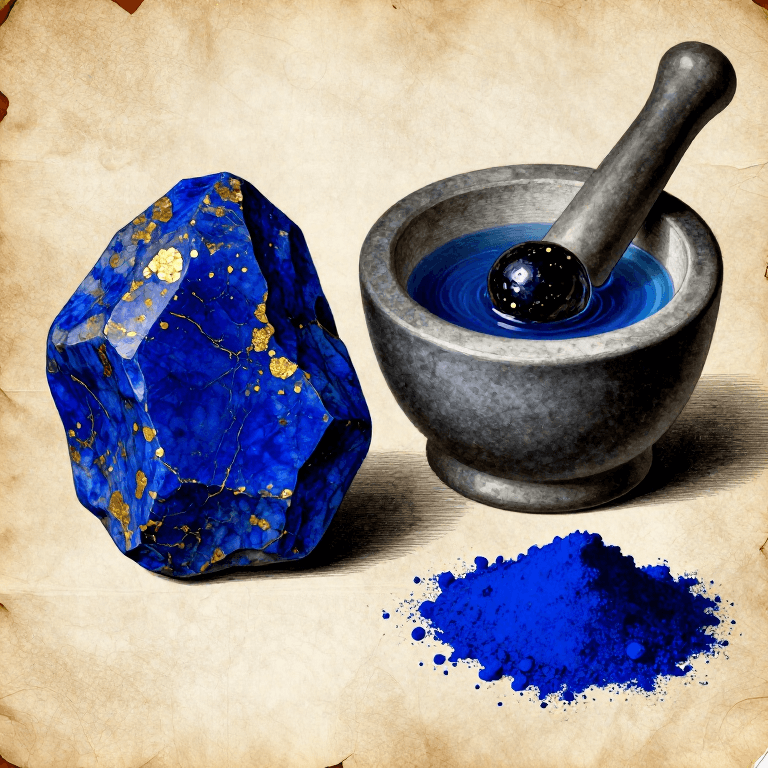
Making Ultramarine from Lapis Lazuli — Extracting the Most Precious Pigment in History
โดย Charlie
ศิลปะ
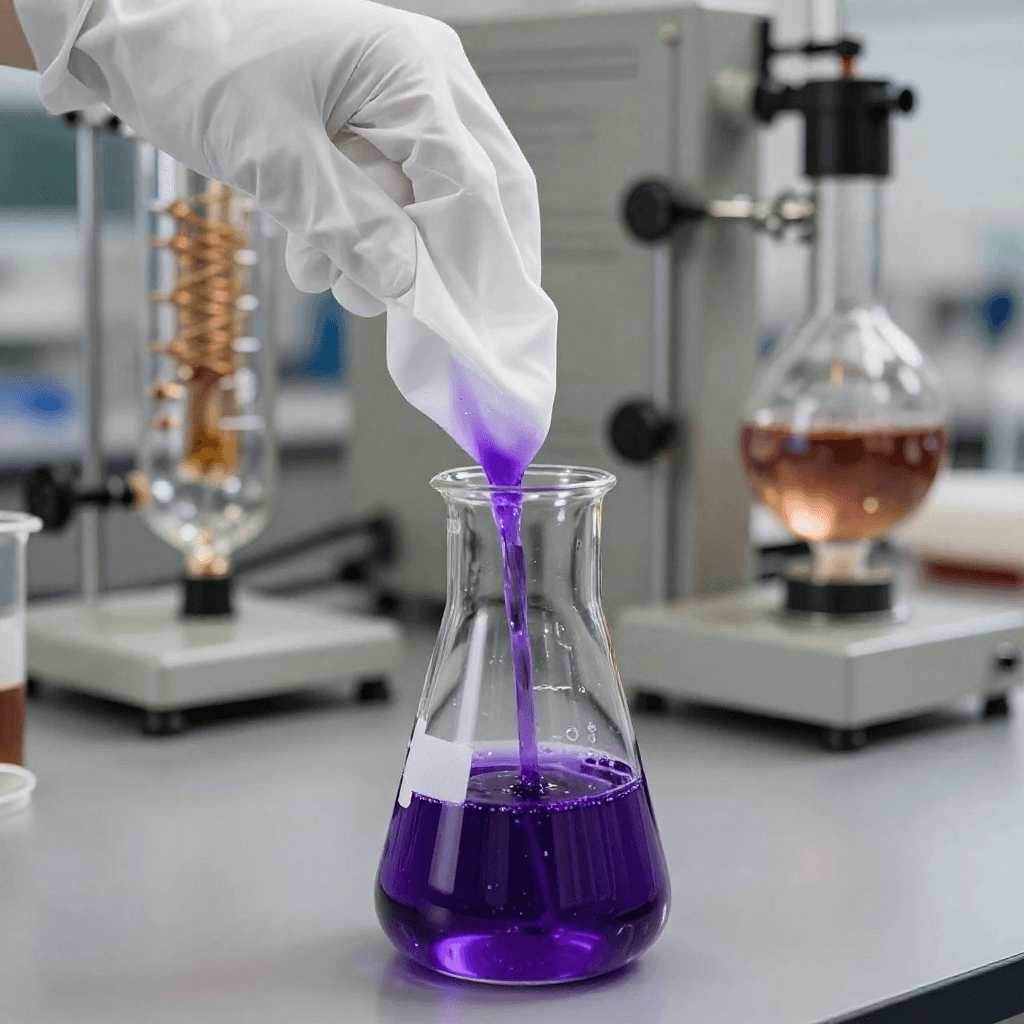
Perkin's Mauveine — The First Synthetic Aniline Dye from Coal Tar
โดย Tex
สิ่งทอและหนัง
CC0 สาธารณสมบัติ
พิมพ์เขียวนี้เผยแพร่ภายใต้ CC0 คุณสามารถคัดลอก แก้ไข แจกจ่าย และใช้งานผลงานนี้เพื่อวัตถุประสงค์ใดก็ได้ โดยไม่ต้องขออนุญาต
สนับสนุนเมกเกอร์โดยซื้อสินค้าผ่านพิมพ์เขียวของพวกเขา ซึ่งพวกเขาจะได้รับ ค่าคอมมิชชันเมกเกอร์ ที่ผู้ขายกำหนด หรือสร้างเวอร์ชันใหม่ของพิมพ์เขียวนี้และรวมเป็นการเชื่อมต่อในพิมพ์เขียวของคุณเพื่อแบ่งรายได้