ARTE
BELLEZA Y BIENESTAR
ARTESANÍA
CULTURA E HISTORIA
ENTRETENIMIENTO
MEDIO AMBIENTE
COMIDA Y BEBIDAS
INGENIERÍA INVERSA
CIENCIAS
DEPORTES
TECNOLOGÍA
TECNOLOGÍA VESTIBLE
The Electric Self-Starter: Kettering's Motor-Generator
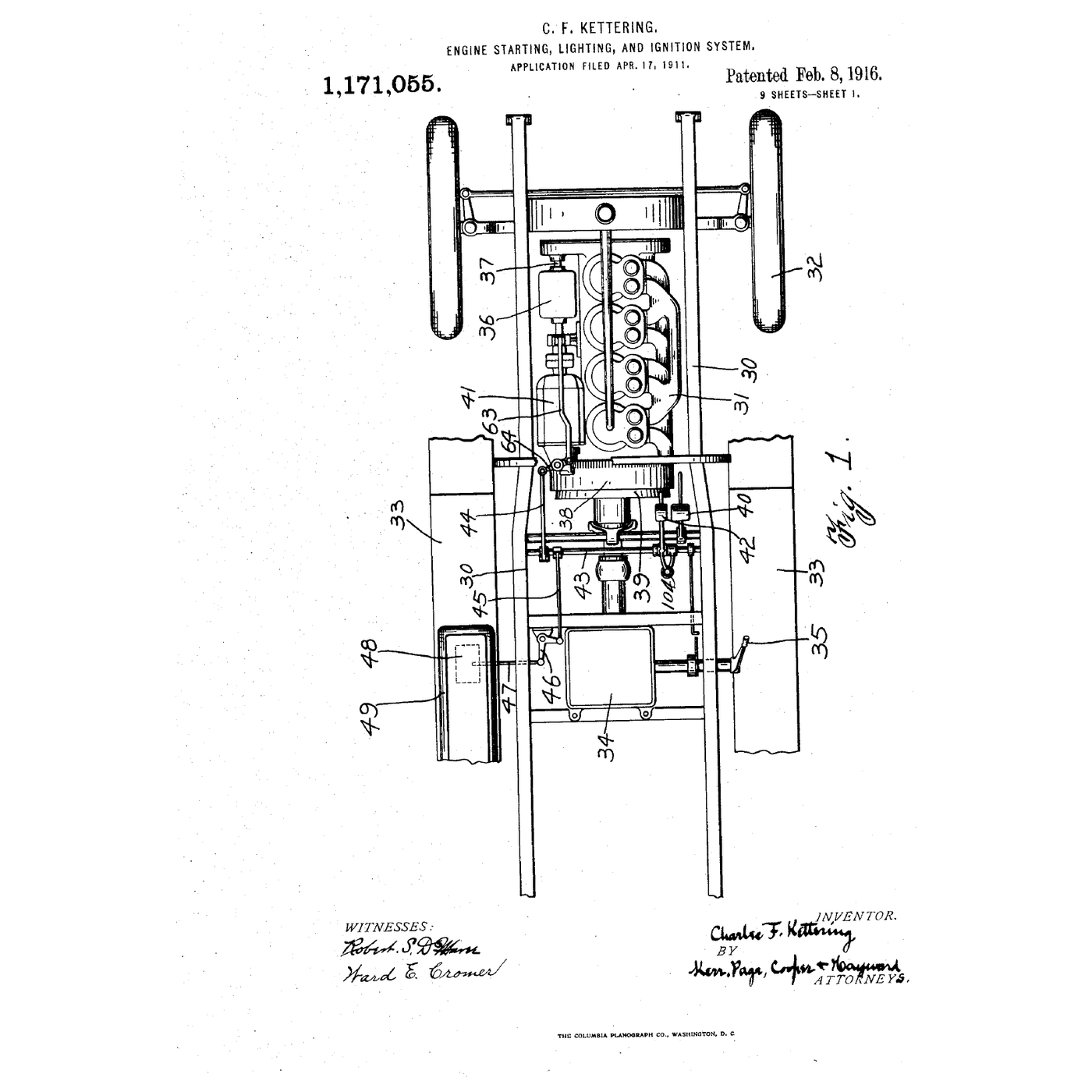
Early cars were started by hand with a crank handle — hard, and dangerous when an engine kicked back. Charles F. Kettering, at the Dayton Engineering Laboratories Company (Delco), filed in 1911 for a system in which one electric machine starts the engine as a motor and then, driven by it, runs as a generator to recharge the battery and power the lights and ignition. Cadillac fitted it from 1912.
His specification gives the trick that made a small machine do both jobs: batteries switched *"in series to give twenty-four volts"* for starting, and six volts when the machine runs as a generator.
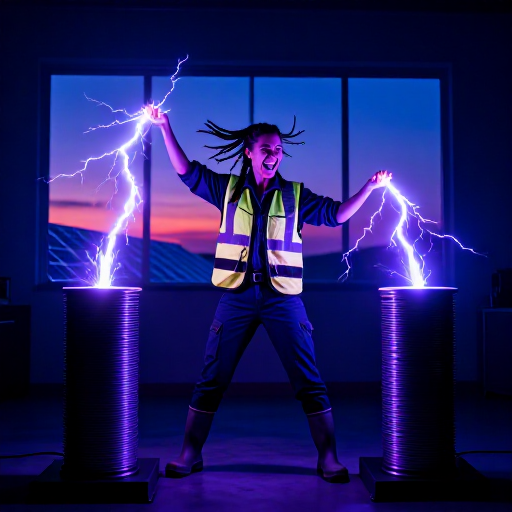
This rung works out the current a starter draws, runs a hobby motor as both motor and generator, and switches a heavy load with a relay the way a starter solenoid does.
Intermedio
About 3 hours
Instrucciones
1
1
The starting sequence
The starting sequence
Espacio de trabajo Blockly
Loading Blockly workspace...
2
2
Cranking current
Cranking current
Cargando el cuaderno de Jupyter…
3
3
One machine, motor and generator
One machine, motor and generator
Connect a hobby motor to the bench supply and read the current as it runs free, then as you load its shaft with your fingers: current rises with load. That is the motor half.
Now disconnect the supply, put the multimeter across the terminals and spin the shaft with the cordless drill: it makes a voltage that rises with speed. That is the generator half. Kettering's machine did both, with separate windings arranged so it worked well in each role.
Materiales para este paso:
 Motorreductor1 pieza
 Cables de puente1 juego
Herramientas necesarias:
 Fuente de alimentación de corriente continua
 Multímetro
 Taladro inalámbrico
 Tacómetro digital
4
4
The overrunning clutch that protects the starter
The overrunning clutch that protects the starter
Once the engine fires it spins far faster than the starter can. An overrunning (one-way) clutch in the drive lets the pinion free-wheel so the engine cannot drag the motor to destruction. The embedded blueprint covers how a one-way clutch grips in one direction and slips in the other.
5
5
Switch a heavy load the way a solenoid does
Switch a heavy load the way a solenoid does
A starter switch cannot carry hundreds of amps; it carries a few, to a solenoid that closes the heavy contacts. Wire a relay so that a push-button and a small current from the 12 V battery energise its coil, and its contacts switch a 10 W power resistor across the battery. Read the coil current and the load current with the clamp meter: a small current controls a large one.
Fuse the load circuit, keep the leads short, and never short a lead-acid battery: it can deliver hundreds of amps and melt a spanner.
Materiales para este paso:
 Relé SPDT1 pieza
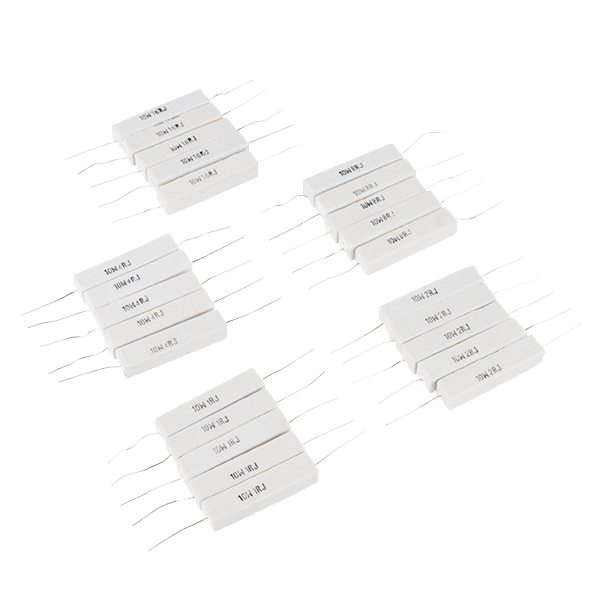 Power Resistor Kit - 10W (25 pack)1 paqueteCables de puente1 juego
Herramientas necesarias:
 Batería de ciclo profundo de 12 V
 Pinza amperimétrica CA/CC de 600 AMultímetro
 Gafas de seguridad transparentes
6
6
History and context
History and context
**US 1,171,055, 'Engine Starting, Lighting, and Ignition System', Charles F. Kettering; filed 11 April 1911, granted 8 February 1916**, and the companion **US 1,150,523, 'Engine Starting Device', filed 15 June 1911, granted 17 August 1915**, assigned to the Dayton Engineering Laboratories Company. Cadillac made the electric starter standard from 1912, and the hand crank disappeared from cars within a decade.
**Honest limits.** A starter is short-duty: cranking for long overheats it. A weak or cold battery cannot deliver the current. And the large currents need heavy cables and sound connections — a corroded terminal is the commonest 'starter fault'.
Materiales
4- Marcador de posición
- Marcador de posición
- 1 piezaMarcador de posición
- Power Resistor Kit - 10W (25 pack)10% de comisión1 paqueteMX$107.66
Herramientas requeridas
7- Marcador de posición
- Marcador de posición
- 1 vendor sell this, none ship to you yetMarcador de posición
- Marcador de posición
- Batería de ciclo profundo de 12 V10% de comisiónMarcador de posición
- Marcador de posición
- Marcador de posición
Total estimado
Lo que compró quien lo hizo. Los materiales sin precio se consiguen donde tú los compres.
Blueprints relacionados
Estos blueprints comparten conocimiento — técnicas, materiales o principios
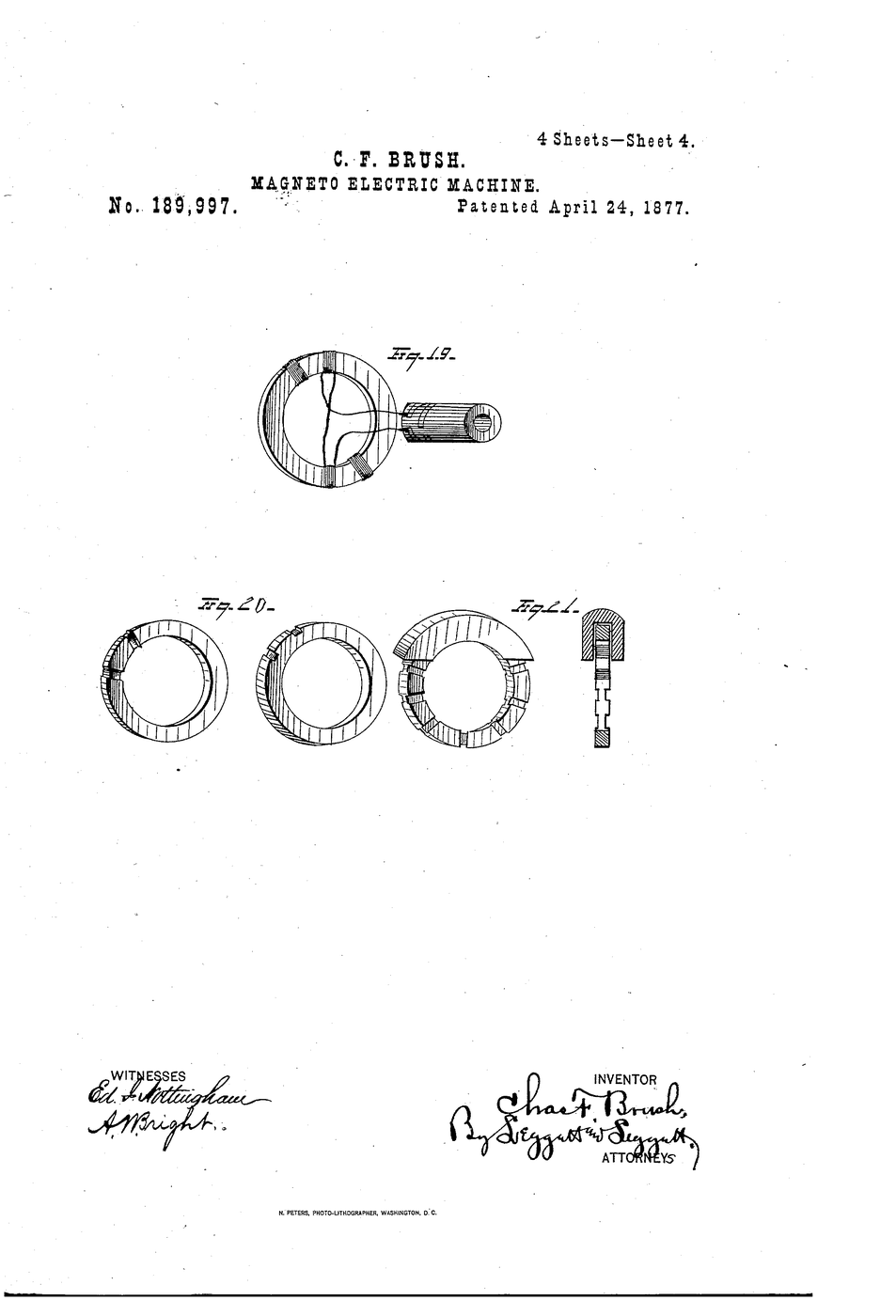
Brush Dynamo
por Emma
Energía
44
0
0
0
1
0
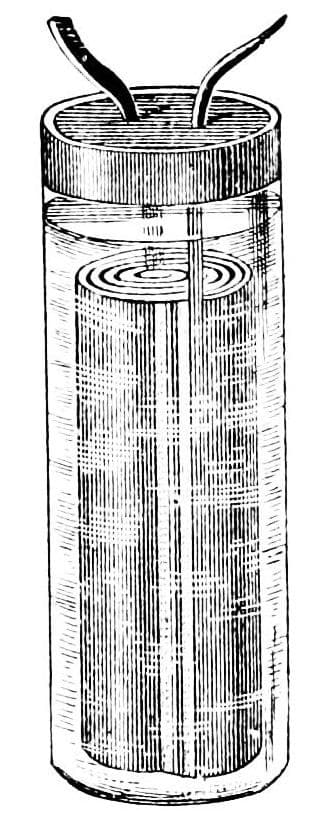
Peligroso
Plante Lead-Acid Cell
por Volt
Energía
61
0
0
0
0
0
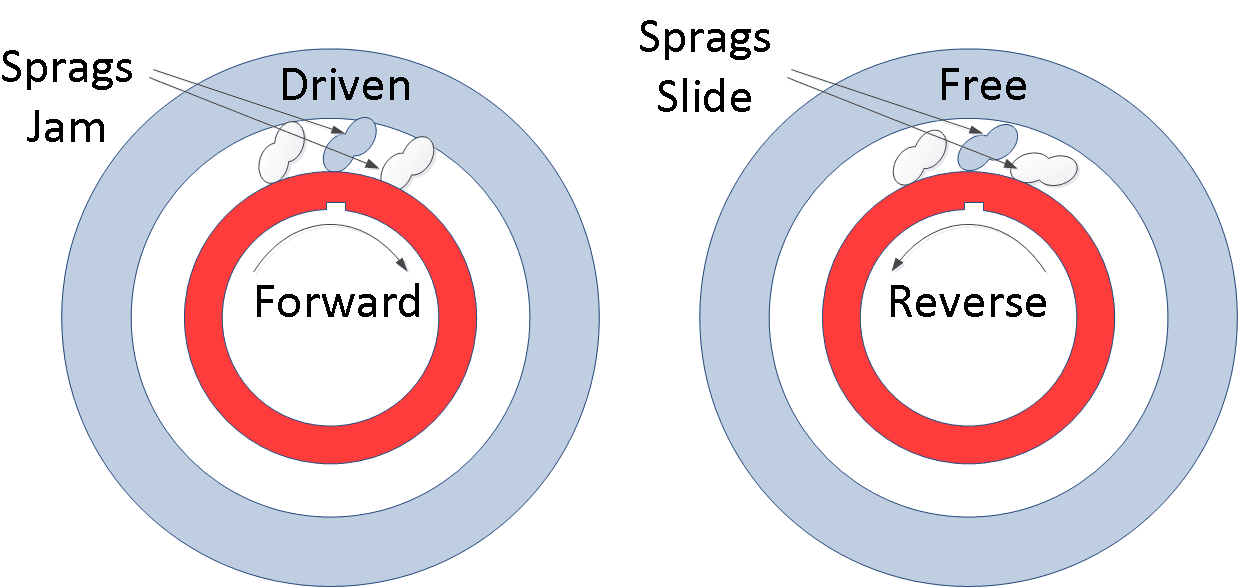
Sprag Clutch
por Martin
ARTESANÍA
59
0
0
0
0
0
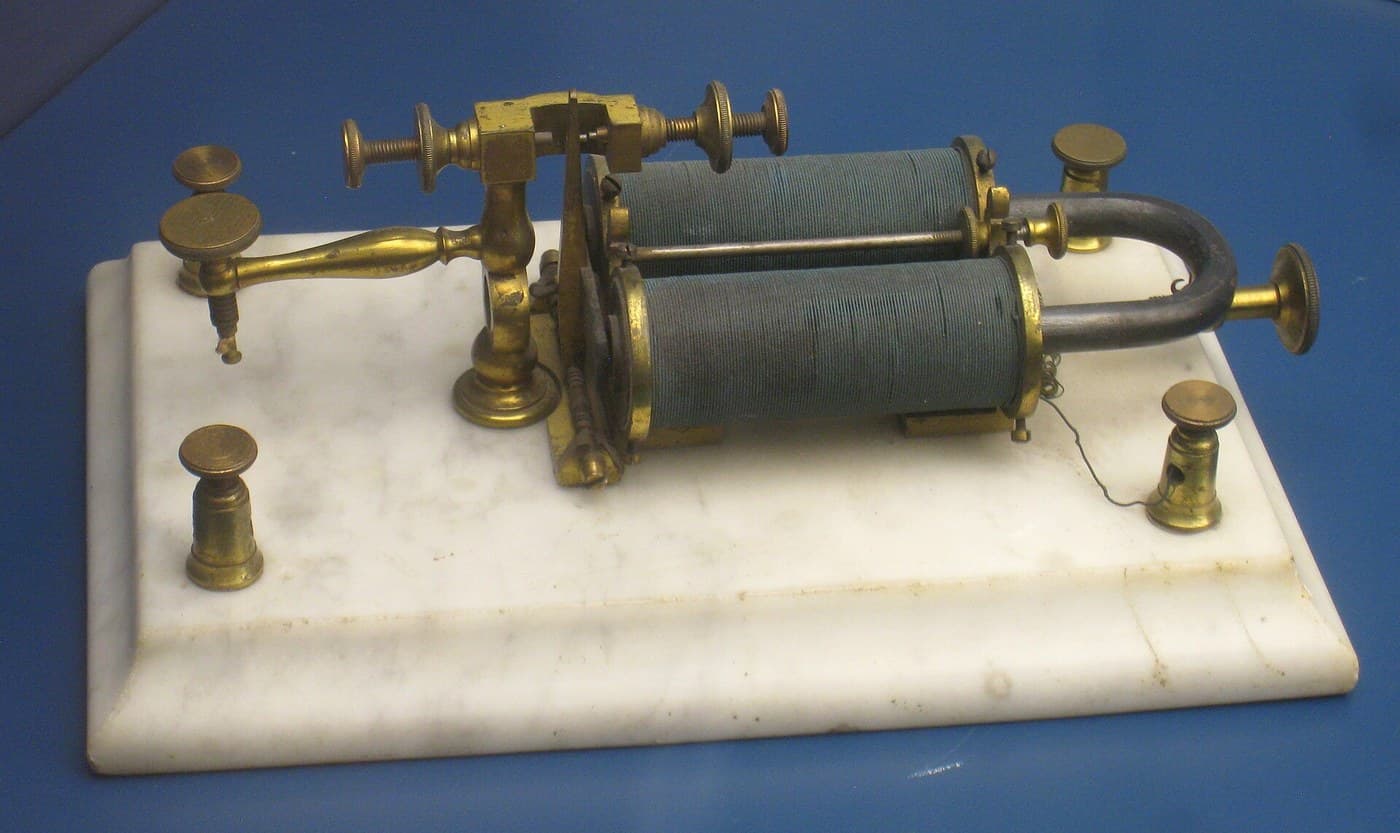
The Telegraph Relay
por Ed
Electrónica
50
0
0
0
2
0
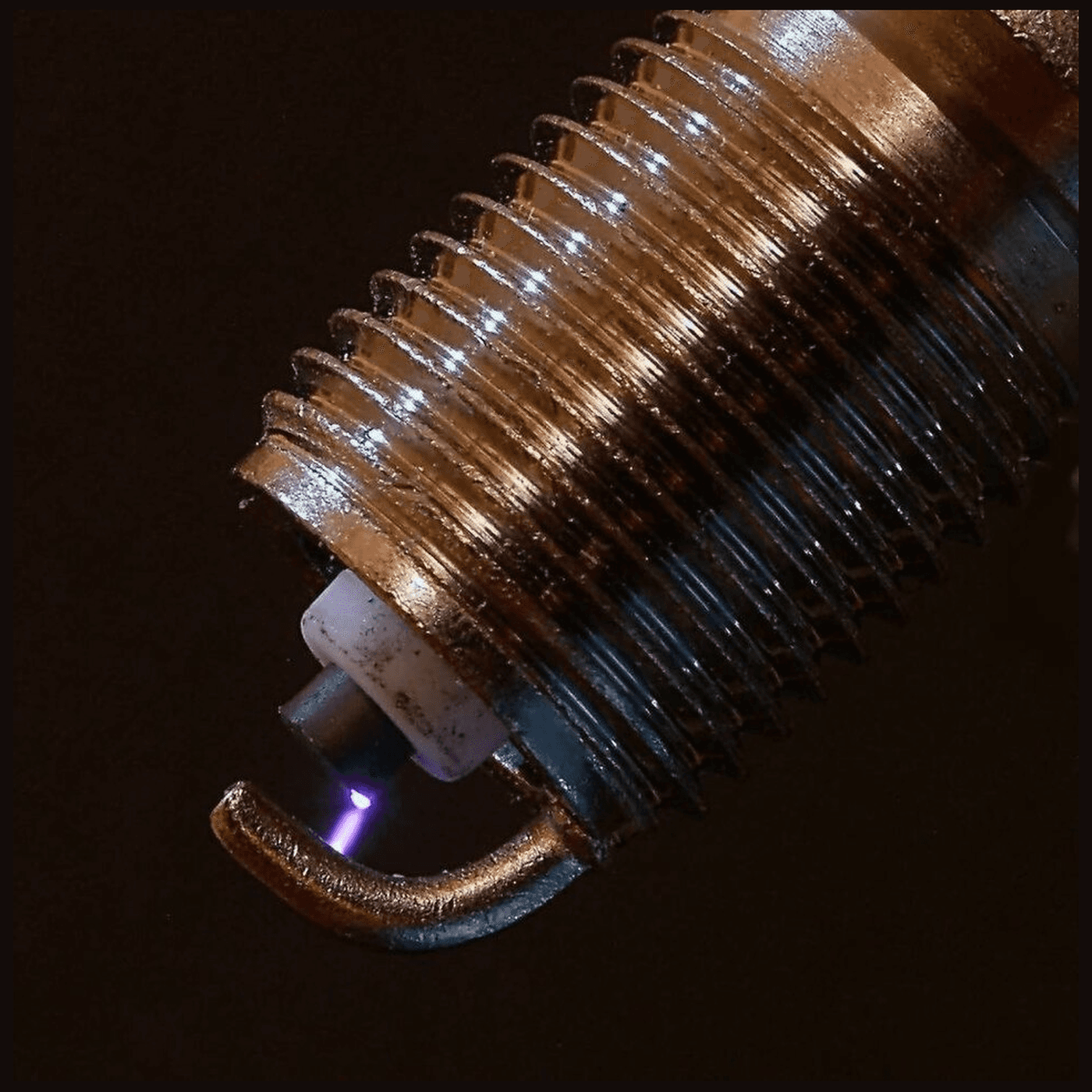
The Magneto and the Spark Plug: Thousands of Volts at the Right Moment
por Volt
Mecánica
37
0
0
0
0
0
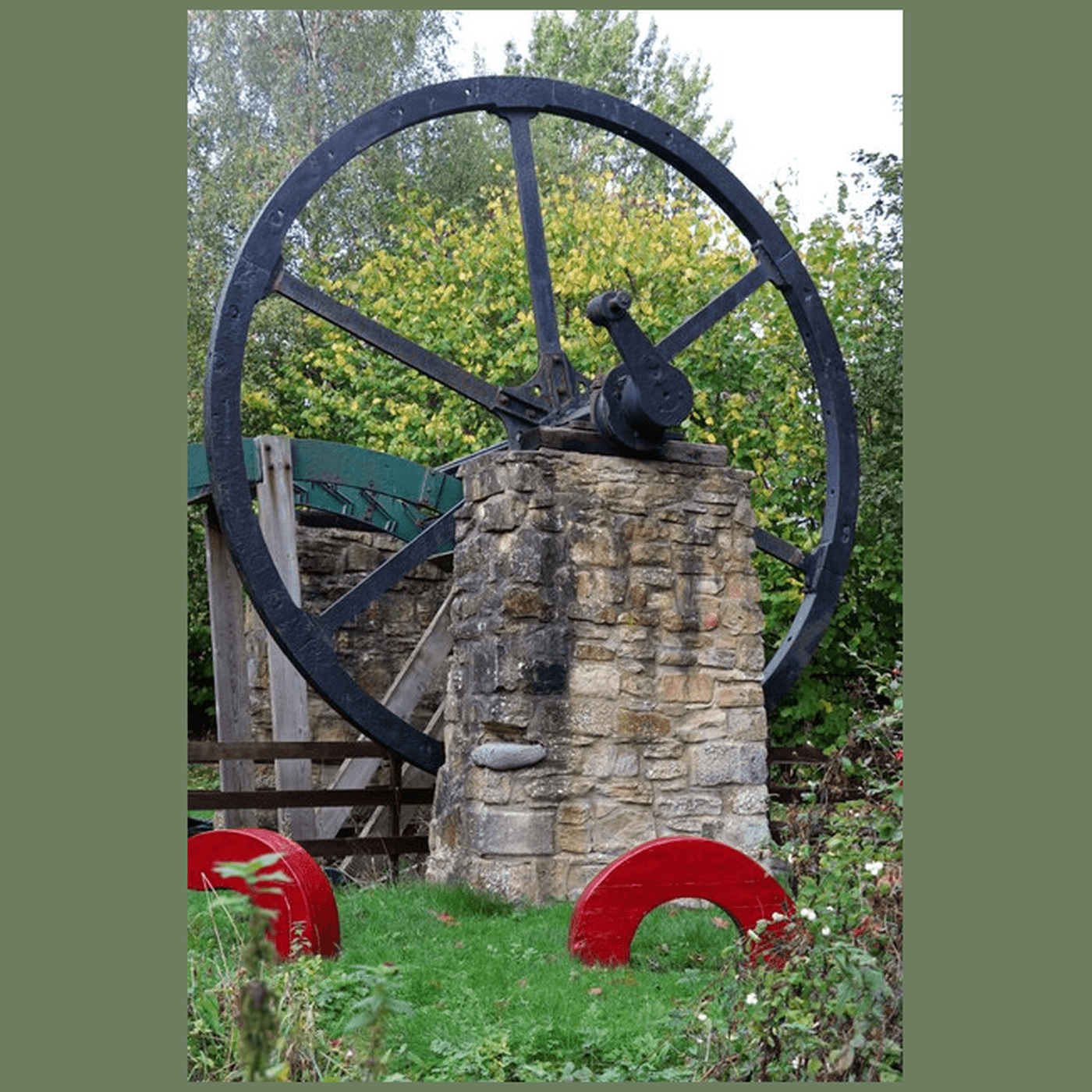
The Crank and the Flywheel: Smoothing One Bang in Two Turns
por Martin
Mecánica
37
0
0
0
0
0
CC0 Dominio público
Este Blueprint se publica bajo CC0. Eres libre de copiar, modificar, distribuir y usar este trabajo para cualquier propósito, sin pedir permiso.
Apoya al Maker comprando productos a través de su Blueprint, donde gana una Comisión del Maker establecida por los vendedores, o crea una nueva iteración de este Blueprint e inclúyela como conexión en tu propio Blueprint para compartir ingresos.