IṢẸ́ ỌNÀ
ẸWÀ ÀTI ÌLERA
IṢẸ́ ỌWỌ́
ÀṢÀ ÀTI ÌTÀN
ÌṢERÉ
ÀYÍKÁ
OÚNJẸ ÀTI OHUN MÍMU
REVERSE ENGINEERING
SÁYẸ́ǸSÌ
ERÉ ÌDÁRAYÁ
ÌMỌ̀-Ẹ̀RỌ
ÀWỌN OHUN WÍWỌ̀


Abaca Twine: Two-Ply Reverse Wrap from Manila Hemp
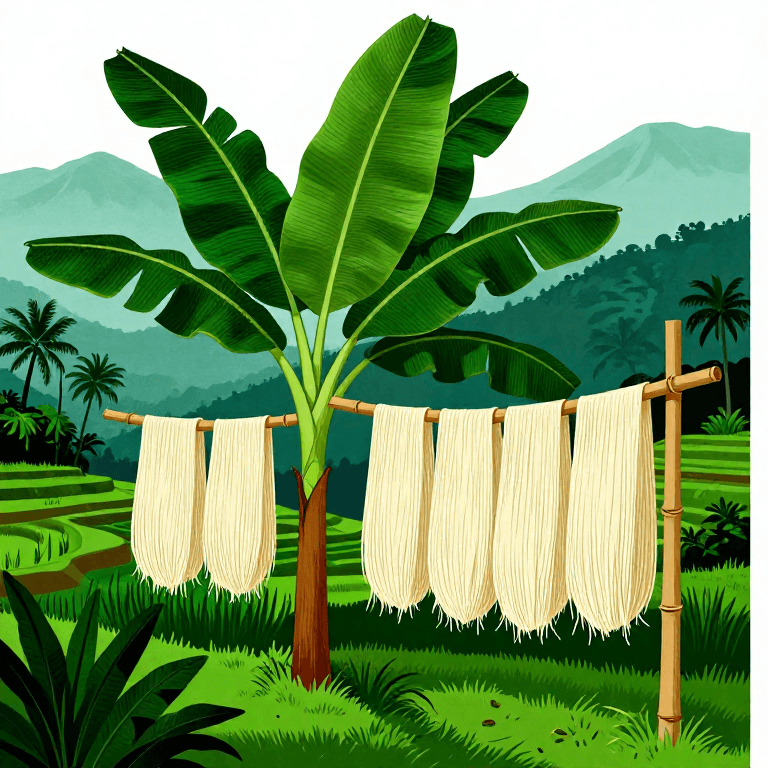
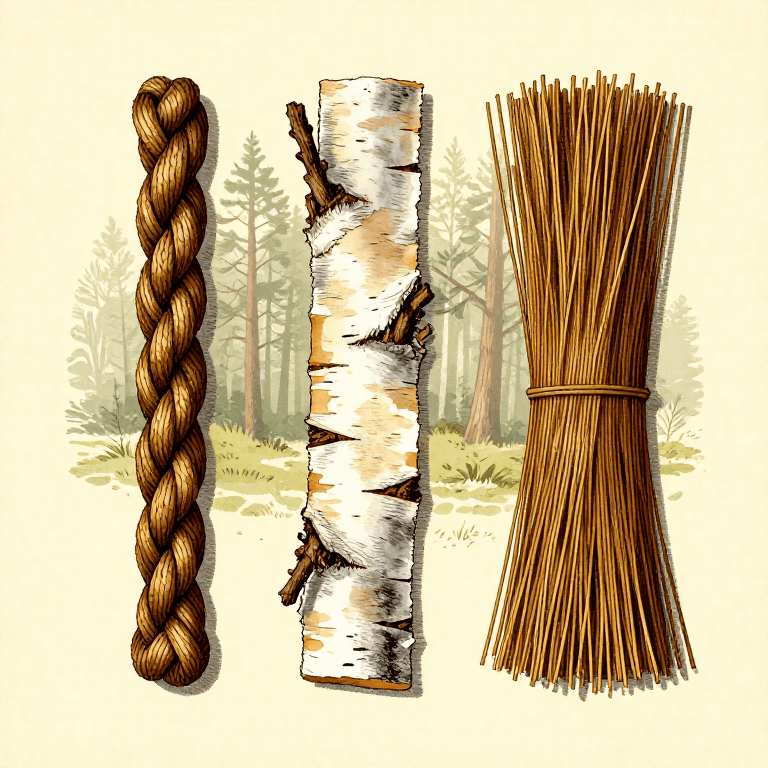
Abaca, Manila hemp, is a banana plant whose leaf-sheath fibre is stronger than hemp and stands up to salt water, which is why ships' ropes were made of it. Its fibres are 1.8 to 3.7 metres long, so a twine twisted from them needs few splices. This twine is made by the same two-ply reverse wrap as our bark rope.
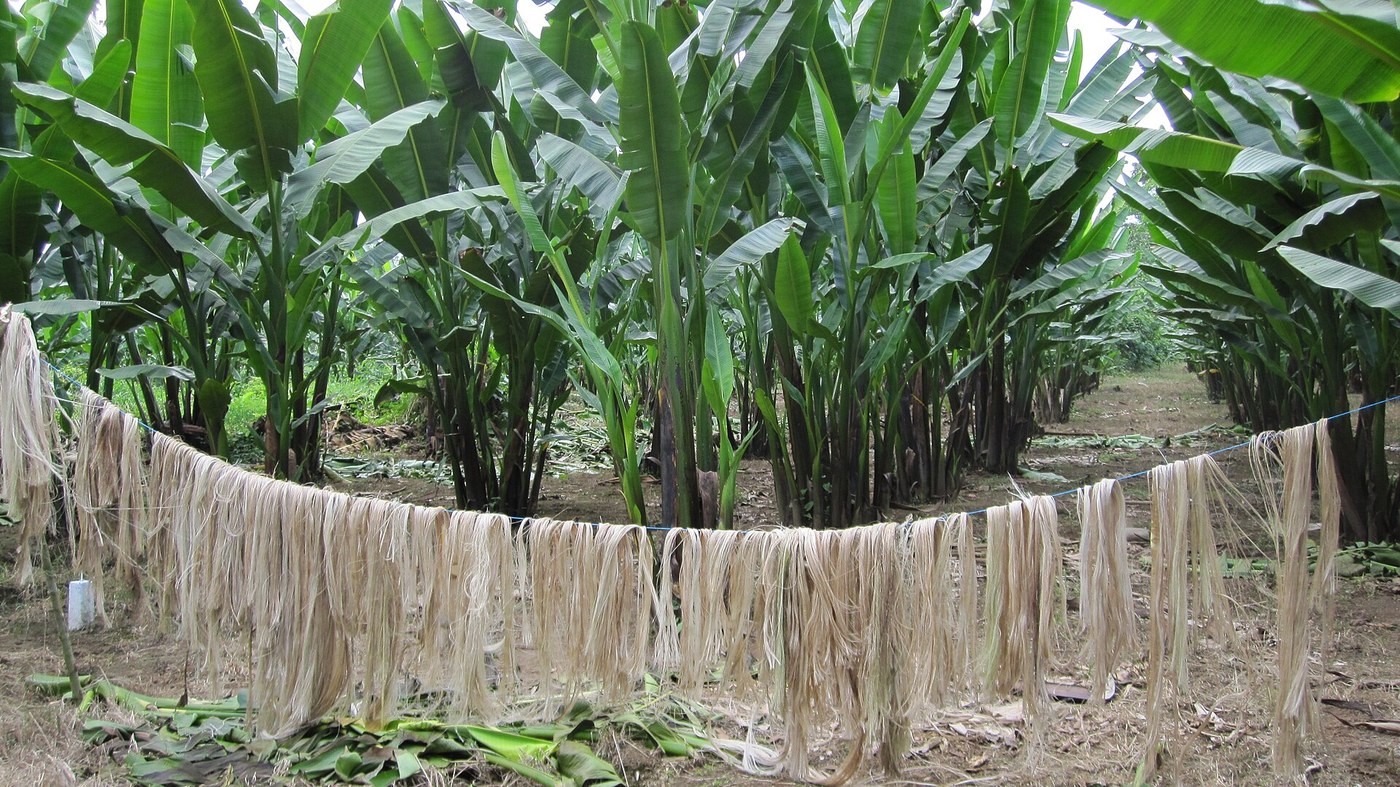
The picture: abaca fibre drying on a line among the plants, Costa Rica.
Olùbẹ̀rẹ̀
An hour for a few metres
Ìlànà
1
1
Dampen and split the fibre
Dampen and split the fibre
Dip a hank of abaca fibre in water so it twists without springing back, and split off thin strands, a few fibres each.
Àwọn ohun èlò fún ìgbésẹ̀ yìí:
 Okùn abaca (Musa textilis)50 g
 Omi1 as required
Àwọn irinṣẹ́ tí a nílò:
 Abọ́
2
2
Reverse-wrap it into two-ply twine
Reverse-wrap it into two-ply twine
Fold a strand bundle at its middle and reverse-wrap it as the bark rope is made: twist one ply away from you until it kinks, wrap it back over the other, and repeat. Splice in new fibre with 5 to 8 cm of overlap, never on both plies at the same point.
3
3
Finish and trim
Finish and trim
Tie an overhand knot at the end, trim the loose fibre ends close and wind the twine into a ball.
Àwọn irinṣẹ́ tí a nílò:
 Ọ̀bẹ iṣẹ́
Ìtọ́nisọ́nà yìí ń ṣe
Blueprint tó jọra
Àwọn blueprint wọ̀nyí pín ìmọ̀ — ọ̀nà, ohun-èlò tàbí ìlànà


CC0 Àgbègbè Gbogbogbò
Blueprint yìí ti jáde lábẹ́ CC0. O lè ṣe àdàkọ, yí padà, pín, àti lò láìsí ìyọ̀ǹda.
Ṣàtìlẹ́yìn Olùṣẹ́dá nípa rírà àwọn ọjà nipasẹ̀ Blueprint wọn Ẹ̀san Olùṣẹ́dá tí àwọn Olùtajà gbé kalẹ̀, tàbí ṣẹ̀dá àtúnṣe tuntun ti Blueprint yìí kí o sì fi sínú Blueprint rẹ gẹ́gẹ́ bí ìsopọ̀ láti pín owó-wíwọlé.