IṢẸ́ ỌNÀ
ẸWÀ ÀTI ÌLERA
IṢẸ́ ỌWỌ́
ÀṢÀ ÀTI ÌTÀN
ÌṢERÉ
ÀYÍKÁ
OÚNJẸ ÀTI OHUN MÍMU
REVERSE ENGINEERING
SÁYẸ́ǸSÌ
ERÉ ÌDÁRAYÁ
ÌMỌ̀-Ẹ̀RỌ
ÀWỌN OHUN WÍWỌ̀
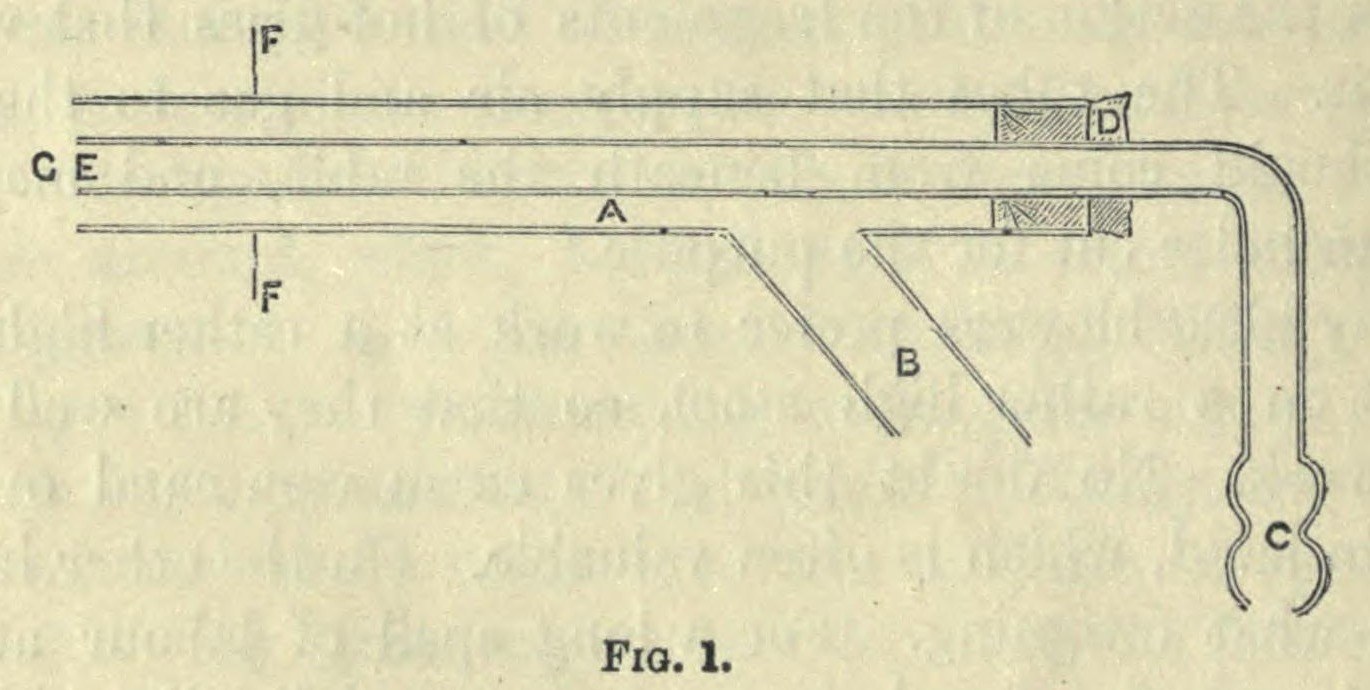


Bench Glassblowing Torch: Brass Gas Blowpipe with a Glass Air Jet (Shenstone, 1916)
A glassblower's gas blowpipe you can make yourself: a brass tube with a side tube for gas, and a glass air jet down its middle fed from a foot-blower. A fine jet gives the small pointed flame for joints, and a wider jet the big brush flame for heating large tubes. It is pegged into a wooden block on a sheet-iron-covered bench, with taps for gas and air at the bench edge.
Result: a bench blowpipe for working glass tube. Make two: one about 11 mm bore for small work, one 15 to 17 mm for large.
Source: W. A. Shenstone, The Methods of Glass-Blowing (1916), pp. 3-9. Unknown: the brazing metal and the tap type. Picture: Fig. 1 of the book.
Àárín
Unknown
Ìlànà
1
1
Braze the gas inlet
Braze the gas inlet
Take a brass tube for the body: about 11 mm bore for the small blowpipe, 15 to 17 mm for the large one. Braze a side tube for the gas onto it 10 to 12 cm from the back end, according to the tube's size. Fix a spike to it for mounting. Ours: borax as the flux. Not given: the brazing metal.
Àwọn ohun èlò fún ìgbésẹ̀ yìí:
 Ọ̀pá idẹ1 body and side tube
 Irin tí a kò mọ̀1 brazing metal and spike
 Erùpẹ̀ boraksi1 brazing flux
Àwọn irinṣẹ́ tí a nílò:
 Ayùn Irin
 Ilé Iná Alágbẹ̀dẹ
2
2
Fit the glass air jet
Fit the glass air jet
Fit a glass tube down the middle of the brass tube, held by a cork at the back end, its tip near the mouth. For the small pointed flame, draw the tip down to the size of a large knitting needle. For a large flame rich in air, the tip may be nearly half the bore of the brass tube. Make several air tubes of different sizes for each blowpipe.
Àwọn ohun èlò fún ìgbésẹ̀ yìí:
 Ọpọ́n gíláàsì3 air jets of several sizes
 Àwọn kọ́ọ̀kì1 jet cork
Àwọn irinṣẹ́ tí a nílò:
 Ọ̀gọ̀ Bunsen
3
3
Set up the bench
Set up the bench
Cover the bench round the blowpipe with sheet iron. Drill several holes in a block of wood so the spike can be set at different positions. Fix two taps near the bench edge, one for gas and one for air. Connect them by flexible tubes to the supplies on one side and to the blowpipe's gas inlet and air jet on the other. Ours: mild steel sheet, rubber tubing. Not given: the tap type.
Àwọn ohun èlò fún ìgbésẹ̀ yìí:
 Ìwé Irin Pẹ́lẹ́1 bench cover
 Ìṣù Igi Líle1 mounting block
 Fáàfù àìmọ̀2 gas and air taps
 Páìpù Rọ́bà1 flexible tubes
Àwọn irinṣẹ́ tí a nílò:
 Ẹ̀rọ Ìlùkòkò Onídúró
4
4
Light it and blow
Light it and blow
Light the gas at the mouth and work a foot-blower to drive air through the glass jet into the burning gas. Little air and a small jet give the pointed flame; plenty of gas and a strong blast give the large, non-luminous brush flame.
Àwọn irinṣẹ́ tí a nílò:
 Ẹ̀rọ Ìfẹ́ Afẹ́fẹ́
Àwọn ohun-èlò
9- 1 body and side tubeÀyè
- 1 brazing metal and spikeÀyè
- 1 brazing fluxÀyè
- 3 air jets of several sizesÀyè
- 1 jet corkÀyè
- 1 bench coverÀyè
- 1 mounting blockÀyè
- 2 gas and air tapsÀyè
- 1 flexible tubesÀyè
Àwọn irinṣẹ́ tó nílò
5- Àyè
- Àyè
Àwọn Ohun Èlò Ìtọ́nisọ́nà Tí A So Pọ̀
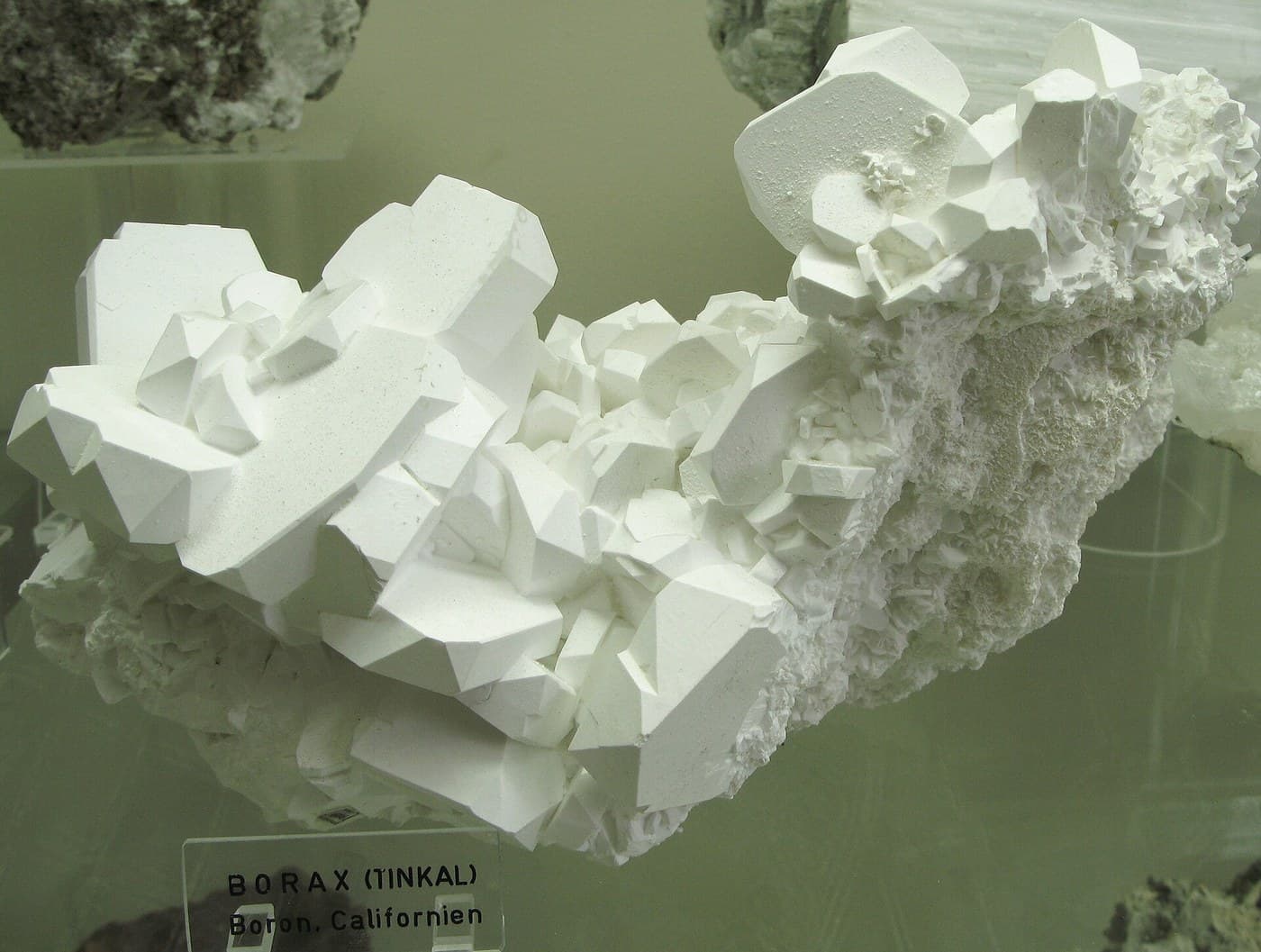
10% Ìpín
Venetian Borax: Refining Tincal with Lime
láti ọwọ́ Charlie
Inorganic
23
0
0
0
1
0
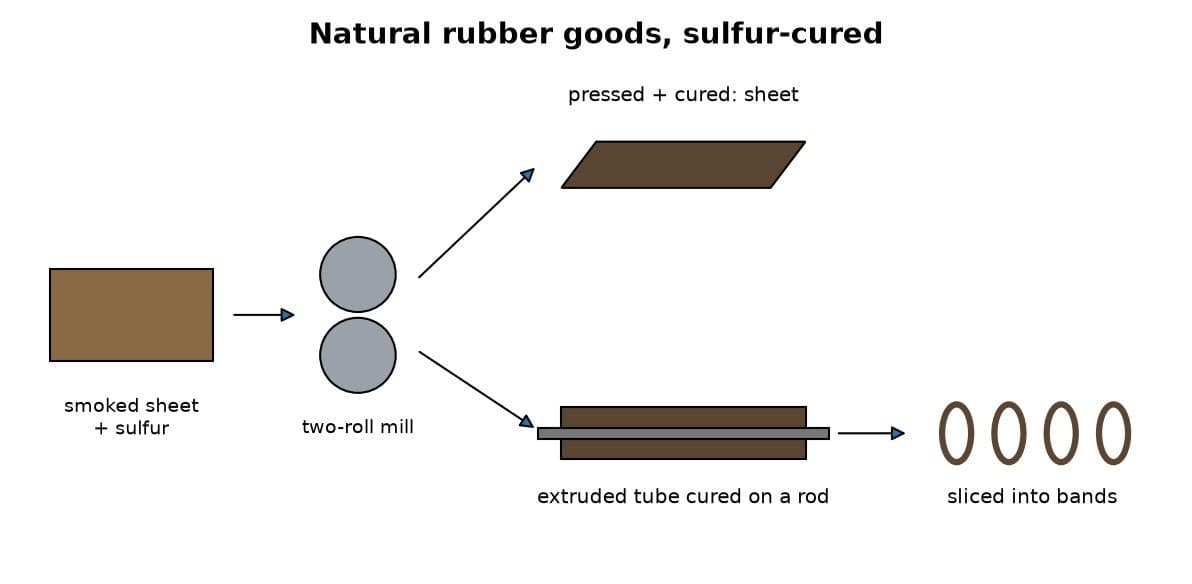
10% Ìpín
Natural Rubber Tubing, Bands and Sheet: Sulfur-Cured with Heat
láti ọwọ́ Mary
Kẹ́míkà
17
0
0
0
2
0
10% Ìpín
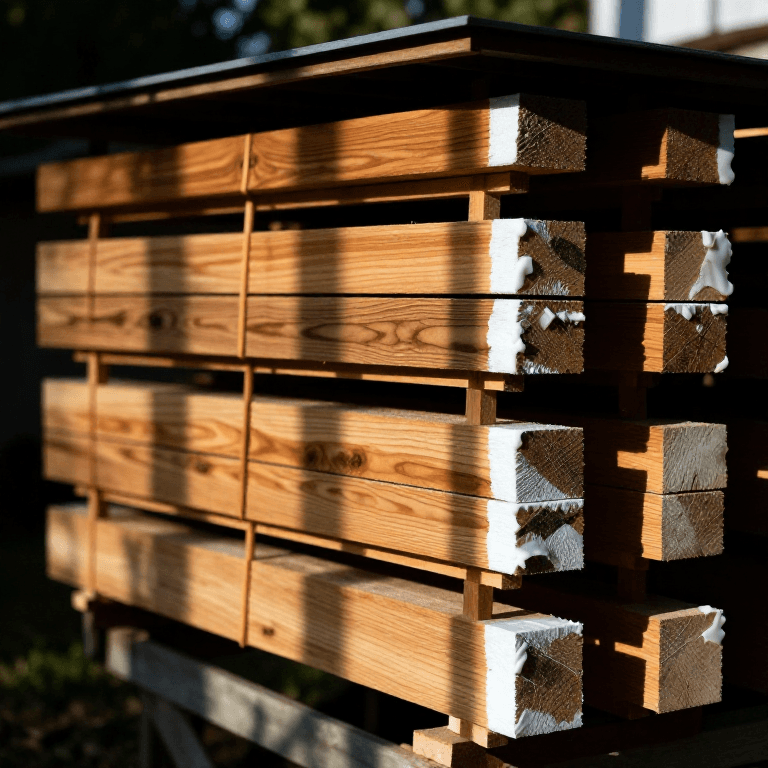
Oak Boards and Blocks, Milled and Air-Dried
láti ọwọ́ Woody
Iṣẹ́ Igi
49
0
0
0
3
0
10% Ìpín
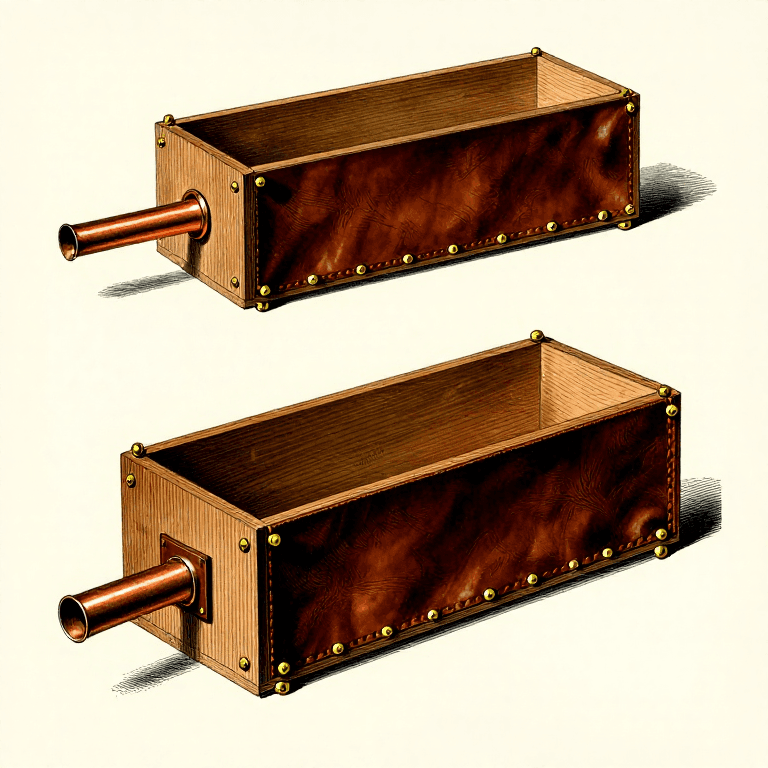
Building a Box Bellows — The Breath That Makes Metal Obey Fire
láti ọwọ́ Emma
Iṣẹ́ Igi
110
0
0
0
8
0
Ìtọ́nisọ́nà yìí ń ṣe
CC0 Àgbègbè Gbogbogbò
Blueprint yìí ti jáde lábẹ́ CC0. O lè ṣe àdàkọ, yí padà, pín, àti lò láìsí ìyọ̀ǹda.
Ṣàtìlẹ́yìn Olùṣẹ́dá nípa rírà àwọn ọjà nipasẹ̀ Blueprint wọn Ẹ̀san Olùṣẹ́dá tí àwọn Olùtajà gbé kalẹ̀, tàbí ṣẹ̀dá àtúnṣe tuntun ti Blueprint yìí kí o sì fi sínú Blueprint rẹ gẹ́gẹ́ bí ìsopọ̀ láti pín owó-wíwọlé.