IṢẸ́ ỌNÀ
ẸWÀ ÀTI ÌLERA
IṢẸ́ ỌWỌ́
ÀṢÀ ÀTI ÌTÀN
ÌṢERÉ
ÀYÍKÁ
OÚNJẸ ÀTI OHUN MÍMU
REVERSE ENGINEERING
SÁYẸ́ǸSÌ
ERÉ ÌDÁRAYÁ
ÌMỌ̀-Ẹ̀RỌ
ÀWỌN OHUN WÍWỌ̀
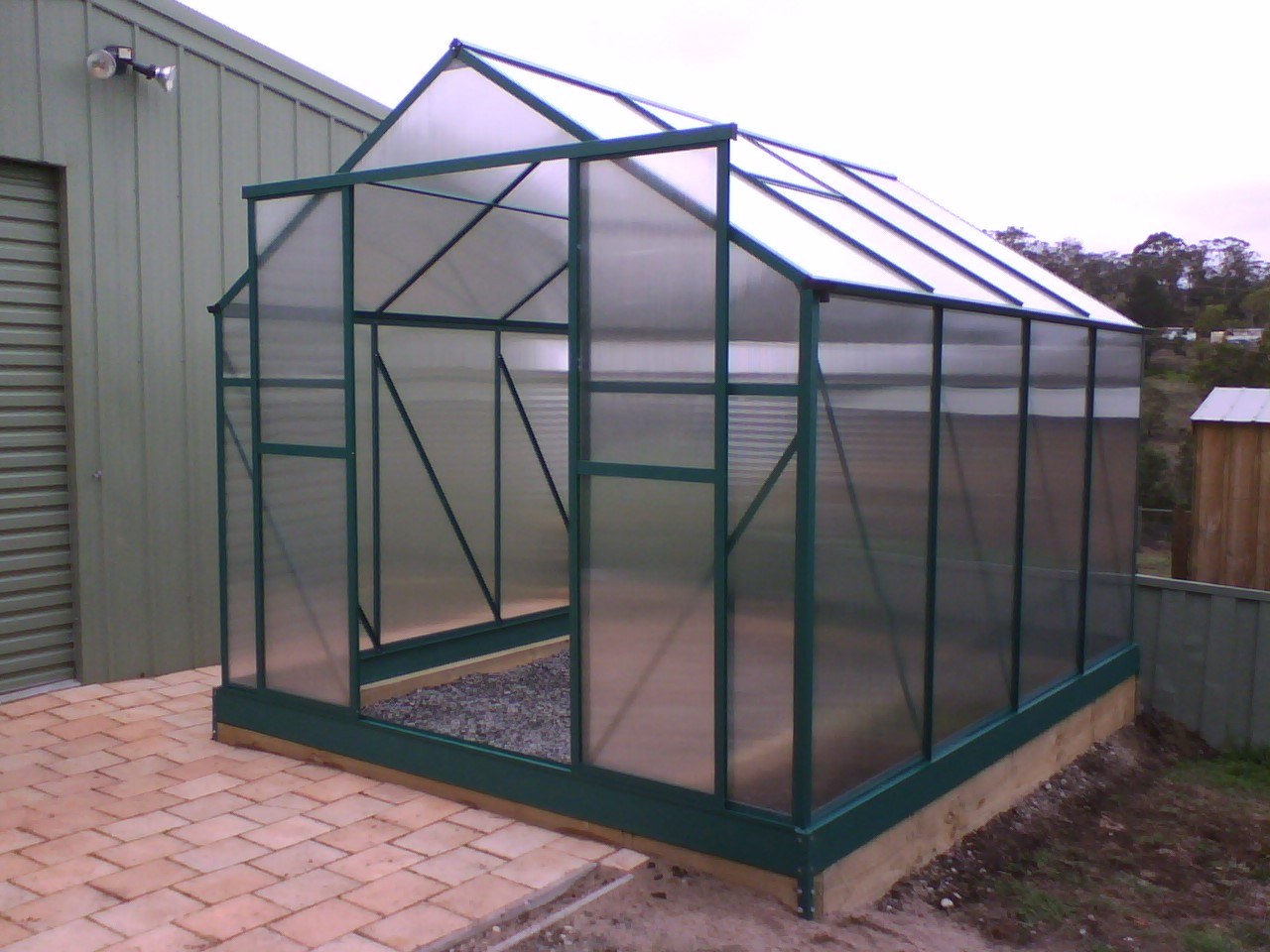


Polycarbonate
In 1953 Hermann Schnell at Bayer joined bisphenol A into long chains through carbonate links and got a clear plastic of remarkable toughness. Daniel Fox at General Electric reached the same material independently the same year, and both companies were selling it by around 1960.
**US 3,028,365**, "Thermoplastic aromatic polycarbonates and their manufacture", Schnell, Bottenbruch and Krimm, assigned to Bayer, filed 12. October 1954, granted 3. April 1962, claims "a high molecular weight, thermoplastic polycarbonate having a melting point of at least about 135°C", made from bisphenol A among a wider family.
**The classic route uses phosgene, a war gas.** You build a drop-weight rig and find the energy that cracks acrylic - then drop the same on polycarbonate.
Olùbẹ̀rẹ̀
2 hours
Ìlànà
1
1
The specimen table
The specimen table
Cut a 300 x 300 mm plywood board and bore a 100 mm hole in its centre with the hole saw. Rest it on two blocks so the hole is open underneath.
Àwọn ohun èlò fún ìgbésẹ̀ yìí:
 Àwo igi tí a lẹ̀ pọ̀1 ẹyọ
Àwọn irinṣẹ́ tí a nílò:
 Ayùn Ọwọ́
 Ìṣètò ayùn ihò
 Ẹ̀rọ Ìlùkòkò Aláìlókùn
2
2
The drop tube
The drop tube
Take 2 m of 32 mm PVC pipe. Mark heights from the bottom every 100 mm and drill a 3 mm hole straight through at each mark. A nail through a hole holds the ball; pulling it drops the ball from that height.
Àwọn ohun èlò fún ìgbésẹ̀ yìí:
 Páìpù PVC2 mítà
 Ìṣó1 ẹyọ
Àwọn irinṣẹ́ tí a nílò:
 Okùn Ìdíwọ̀n
 Ètò péènì àwọ̀Ẹ̀rọ Ìlùkòkò Aláìlókùn
 Àkójọ Orí Ìlùkòkò
3
3
Stand it plumb
Stand it plumb
Clamp the tube to a post or bench leg with pipe clamps, its bottom 10 mm above the hole's centre. Check it with the plumb bob in two directions.
Àwọn irinṣẹ́ tí a nílò:
 Ìdìmú páìpù
 Ohun ìdọ́gba tí ó rọ̀
4
4
Clamp a sheet
Clamp a sheet
Cut 150 x 150 mm squares of 3 mm acrylic and 3 mm polycarbonate. Leave the protective film on. Clamp one over the hole at all four corners.
Àwọn ohun èlò fún ìgbésẹ̀ yìí:
 Pẹlẹbẹ Akrílíìkì1 ẹyọ
 Pátákó polycarbonate (mímọ́)1 ẹyọ
Àwọn irinṣẹ́ tí a nílò:
 Ìdìmú onídàbí C
 Gílásì Ààbò Tí Ó Mọ́
5
5
Climb the ladder
Climb the ladder
Glasses on. Weigh the 25 mm ball. Drop it from 100 mm, then 200 mm, and so on, on a fresh spot each time, until the acrylic cracks. Record that height. If it survives the top hole, repeat with the 1 kg weight as in the next step.
Àwọn irinṣẹ́ tí a nílò:
 Bearing bọ́ọ̀lù irin
 Òṣùwọ̀n Díjítà PípéGílásì Ààbò Tí Ó Mọ́
6
6
Same on polycarbonate
Same on polycarbonate
Repeat the whole ladder on polycarbonate. If it survives the top hole, tape the 1 kg weight to a rounded bolt head and drop that from 1.8 m outside the tube, hands clear.
Àwọn irinṣẹ́ tí a nílò:
 Ìwọ̀nGílásì Ààbò Tí Ó Mọ́
7
7
Energy at failure
Energy at failure
Ń ṣí ìwé Jupyter…
8
8
History & Context
History & Context
**What the patent specifies:** high-molecular aromatic polycarbonates from dihydroxy compounds such as bisphenol A, melting at 135 °C or more. **Modern build (derived):** extruded clear polycarbonate sheet.
It went into safety glasses, riot shields, machine guards, bottles and later CDs. Its limits: it scratches easily, yellows in sunlight without a UV coat, is attacked by some solvents, and bisphenol A leaching from food containers made many makers switch those to other plastics.
Àwọn ohun-èlò
5- 1 ẹyọÀyè
- 2 mítàÀyè
- 1 ẹyọÀyè
- 1 ẹyọÀyè
- Àyè
Àwọn irinṣẹ́ tó nílò
13- Àyè
- 1 vendor sell this, none ship to you yetÀyè
- 1 vendor sell this, none ship to you yetÀyè
- Àyè
- Àyè
Blueprint tó jọra
Àwọn blueprint wọ̀nyí pín ìmọ̀ — ọ̀nà, ohun-èlò tàbí ìlànà

CC0 Àgbègbè Gbogbogbò
Blueprint yìí ti jáde lábẹ́ CC0. O lè ṣe àdàkọ, yí padà, pín, àti lò láìsí ìyọ̀ǹda.
Ṣàtìlẹ́yìn Olùṣẹ́dá nípa rírà àwọn ọjà nipasẹ̀ Blueprint wọn Ẹ̀san Olùṣẹ́dá tí àwọn Olùtajà gbé kalẹ̀, tàbí ṣẹ̀dá àtúnṣe tuntun ti Blueprint yìí kí o sì fi sínú Blueprint rẹ gẹ́gẹ́ bí ìsopọ̀ láti pín owó-wíwọlé.