IṢẸ́ ỌNÀ
ẸWÀ ÀTI ÌLERA
IṢẸ́ ỌWỌ́
ÀṢÀ ÀTI ÌTÀN
ÌṢERÉ
ÀYÍKÁ
OÚNJẸ ÀTI OHUN MÍMU
REVERSE ENGINEERING
SÁYẸ́ǸSÌ
ERÉ ÌDÁRAYÁ
ÌMỌ̀-Ẹ̀RỌ
ÀWỌN OHUN WÍWỌ̀
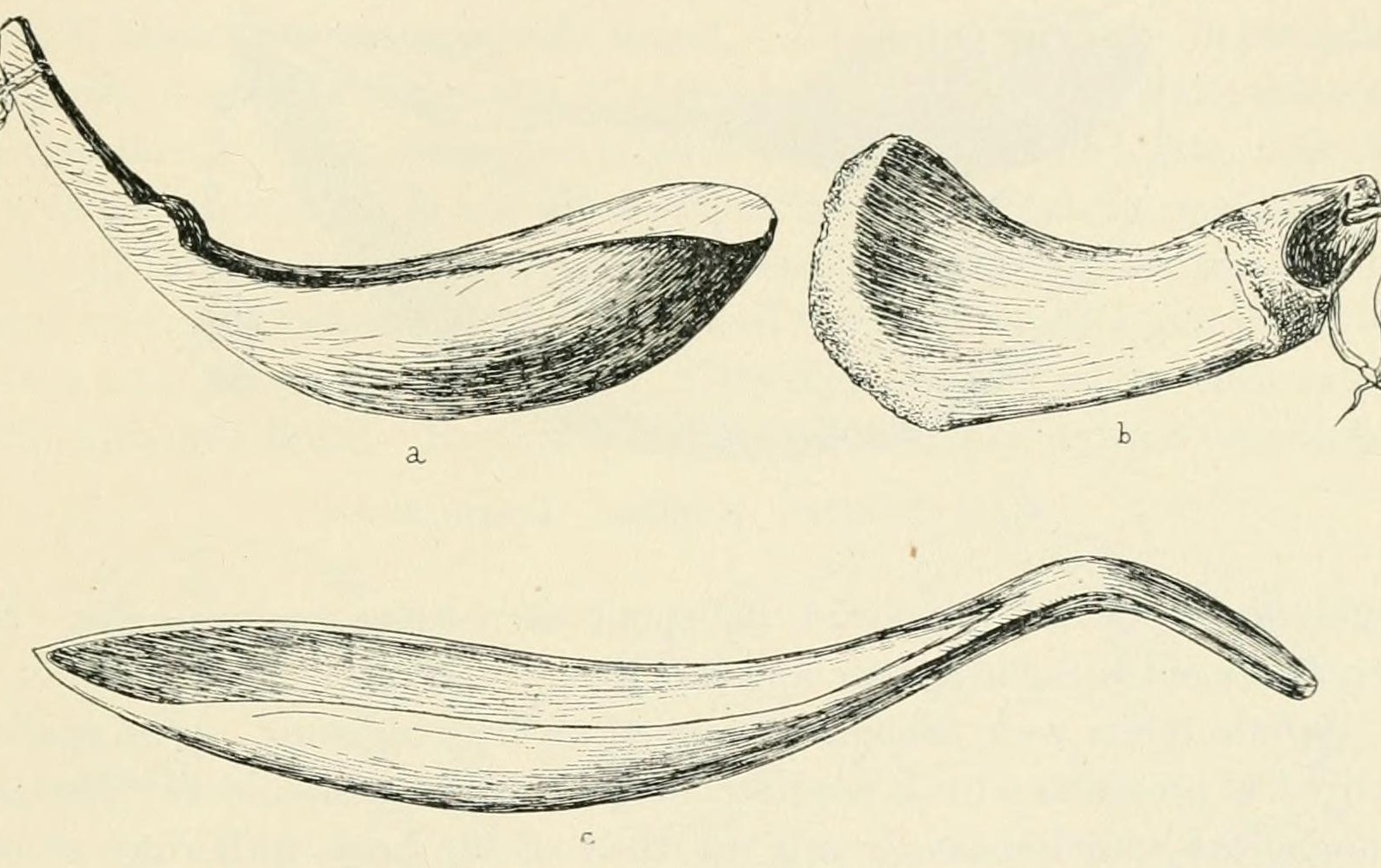


Blackfoot Horn Spoon: Horn Scorched, Trimmed, Boiled Soft, Bowl Pressed over a Stone in the Ground, Tip Bent for a Handle (Wissler, 1910)
The Blackfoot (Niitsitapi) horn spoon as Clark Wissler recorded it: a buffalo or cow horn scorched in the fire to fry out the glue, trimmed with a knife, boiled soft, its bowl pressed out over a shaped stone held in a hole in the ground, and the tip bent into a handle and weighted down with stones until it dries.
Olùbẹ̀rẹ̀
An afternoon, then days to dry
Ìlànà
1
1
Read Wissler
Read Wissler
"The process of shaping horn spoons was simple."
2
2
Scorch and trim
Scorch and trim
Scorch the horn in the fire until the gluey matter fries out, then trim it to shape with a knife: split the wide base for a long slender bowl (his Fig. 3c), leaving the tip for the handle. Ours: a saw for the split.
Àwọn ohun èlò fún ìgbésẹ̀ yìí:
 Ìwo màlúù1 ẹyọ
Àwọn irinṣẹ́ tí a nílò:
 Ihò iná
 Ọ̀bẹ
 Ayùn Irin
3
3
Boil soft
Boil soft
Boil the horn in water until it is soft.
Àwọn ohun èlò fún ìgbésẹ̀ yìí:
 Omi1 ẹyọ
Àwọn irinṣẹ́ tí a nílò:
 Kẹ́tù IrinIhò iná
4
4
Press the bowl and bend the handle
Press the bowl and bend the handle
Dig a hole in the ground to hold a stone of the right shape. Force the soft bowl part over the stone so the hole's sides hold it in place. Bend the handle as you want it and weigh it down with stones.
Àwọn irinṣẹ́ tí a nílò:
 Òkúta Ìlù
 Ọkọ́
5
5
Dry and finish
Dry and finish
Leave it until thoroughly dry, then take it out: the spoon is ready. Larger ladles were made the same way from mountain sheep horn, with a hole at one end for a thong.
Àwọn ohun èlò fún ìgbésẹ̀ yìí:
 Okùn awọ tútù1 ẹyọ
Àwọn irinṣẹ́ tí a nílò:
 Ọ̀kọ̀ Ìlùhò
6
6
Troubleshooting
Troubleshooting
Horn spoon troubleshooting.
Flow
Loading...
7
7
History and honest limits
History and honest limits
From Clark Wissler, *Material Culture of the Blackfoot Indians*, **Anthropological Papers of the American Museum of Natural History** vol. V (1910), pp. 28-30 and Figs. 3-4 (checked on the archive.org scan materialcultureo00wiss). Both men and women made spoons and bowls; by 1910 most horn spoons had gone out of use. Cattle horn standing for buffalo, the saw and timings are ours.
Ìtọ́nisọ́nà yìí ń ṣe
Blueprint tó jọra
Àwọn blueprint wọ̀nyí pín ìmọ̀ — ọ̀nà, ohun-èlò tàbí ìlànà
Blackfoot Pemmican: Dried Meat Warmed and Pounded, Marrow and Tallow Melted In, Crushed Chokecherries Worked Through (Wissler, 1910)
láti ọwọ́ TheChef
OÚNJẸ ÀTI OHUN MÍMU
6
0
0
0
0
0
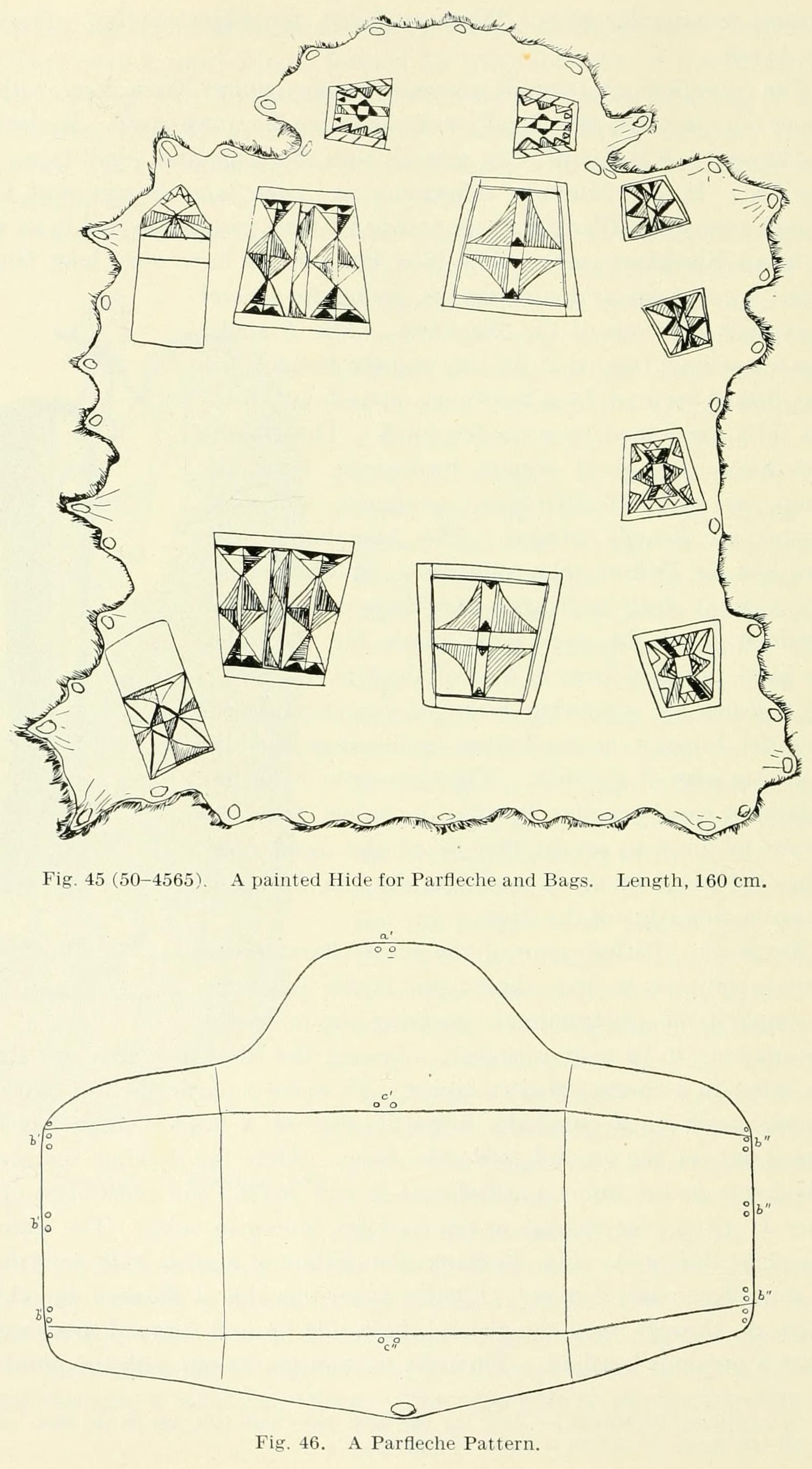
Blackfoot Parfleche: Rawhide Pegged Out, Fleshed, Painted While Staked, Scraped Even, Cut and Folded Like an Envelope (Wissler, 1910)
láti ọwọ́ Tex
Aṣọ àti Awọ
7
0
0
0
0
0
CC0 Àgbègbè Gbogbogbò
Blueprint yìí ti jáde lábẹ́ CC0. O lè ṣe àdàkọ, yí padà, pín, àti lò láìsí ìyọ̀ǹda.
Ṣàtìlẹ́yìn Olùṣẹ́dá nípa rírà àwọn ọjà nipasẹ̀ Blueprint wọn Ẹ̀san Olùṣẹ́dá tí àwọn Olùtajà gbé kalẹ̀, tàbí ṣẹ̀dá àtúnṣe tuntun ti Blueprint yìí kí o sì fi sínú Blueprint rẹ gẹ́gẹ́ bí ìsopọ̀ láti pín owó-wíwọlé.