IṢẸ́ ỌNÀ
ẸWÀ ÀTI ÌLERA
IṢẸ́ ỌWỌ́
ÀṢÀ ÀTI ÌTÀN
ÌṢERÉ
ÀYÍKÁ
OÚNJẸ ÀTI OHUN MÍMU
REVERSE ENGINEERING
SÁYẸ́ǸSÌ
ERÉ ÌDÁRAYÁ
ÌMỌ̀-Ẹ̀RỌ
ÀWỌN OHUN WÍWỌ̀

Blackfoot Pemmican: Dried Meat Warmed and Pounded, Marrow and Tallow Melted In, Crushed Chokecherries Worked Through (Wissler, 1910)
The Blackfoot (Niitsitapi) everyday bread-substitute, as Clark Wissler recorded it: the best cuts dried in thin flakes, warmed over the fire till soft and oily, pounded fine on a stone, mixed with melted marrow and tallow, then chokecherries pounded with their pits worked in, sometimes a little peppermint, and packed into a parfleche as a sticky mass that keeps.
Olùbẹ̀rẹ̀
Several days of drying; an afternoon to make
Ìlànà
1
1
The yield
The yield
Ń ṣí ìwé Jupyter…
2
2
Read Wissler
Read Wissler
"One pound of pemmican is equal to five pounds of meat."
3
3
Dry the meat
Dry the meat
Cut the best cuts into thin flakes and dry them on a rack. Buffalo was preferred, deer or elk if at hand (ours: lean beef).
Àwọn ohun èlò fún ìgbésẹ̀ yìí:
 Ẹran màlúù tí kò ní ọ̀rá1 ẹyọ
Àwọn irinṣẹ́ tí a nílò:
 Ọ̀bẹ
 Ẹ̀rọ ìgbẹ̀ ẹran gbígbẹ
4
4
Crush the cherries
Crush the cherries
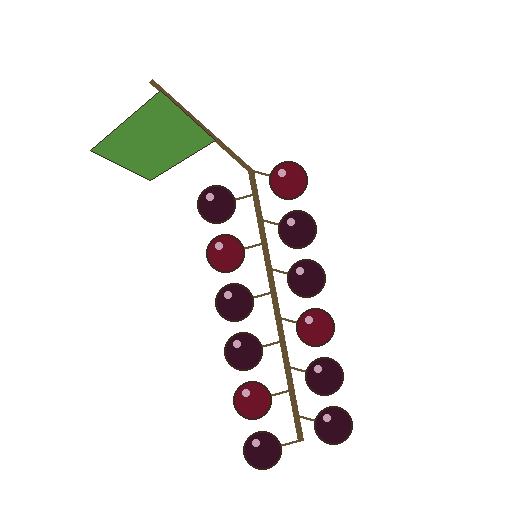
Pound ripe chokecherries, pits and all, on a stone to a thick paste; it can be dried and kept.
Àwọn ohun èlò fún ìgbésẹ̀ yìí:
 Chokecherries1 ẹyọ
Àwọn irinṣẹ́ tí a nílò:
 Òkúta Ìlù
5
5
Render the fat
Render the fat
Melt marrow with the best tallow together over a slow fire so it does not burn. Marrow fat came from boiling cracked bones and skimming the fat off the top.
Àwọn ohun èlò fún ìgbésẹ̀ yìí:
 Mùdùnmúdùn1 ẹyọ
 Ọ̀rá Ẹranko1 ẹyọ
Àwọn irinṣẹ́ tí a nílò:
 Kẹ́tù Irin
 Ihò ináÒkúta Ìlù
6
6
Pound and mix
Pound and mix
Hold the dried meat over the fire until soft and oily, then pound it on a flat stone to the fineness of mince. Spread a layer about 5 cm thick, pour some of the melted fat over it (to taste), and repeat. Work in the cherry paste and, if you like, a few peppermint leaves.
Àwọn ohun èlò fún ìgbésẹ̀ yìí:
 Ewé mint gbígbẹ1 ẹyọ
Àwọn irinṣẹ́ tí a nílò:
Òkúta ÌlùIhò iná7
7
Pack
Pack
Pack the sticky mass tightly into a parfleche or other bag. It keeps and is eaten as it is.
Àwọn irinṣẹ́ tí a nílò:
 Àpò awọ tútù tí a ká
8
8
Troubleshooting
Troubleshooting
Pemmican troubleshooting.
Flow
Loading...
9
9
History and honest limits
History and honest limits
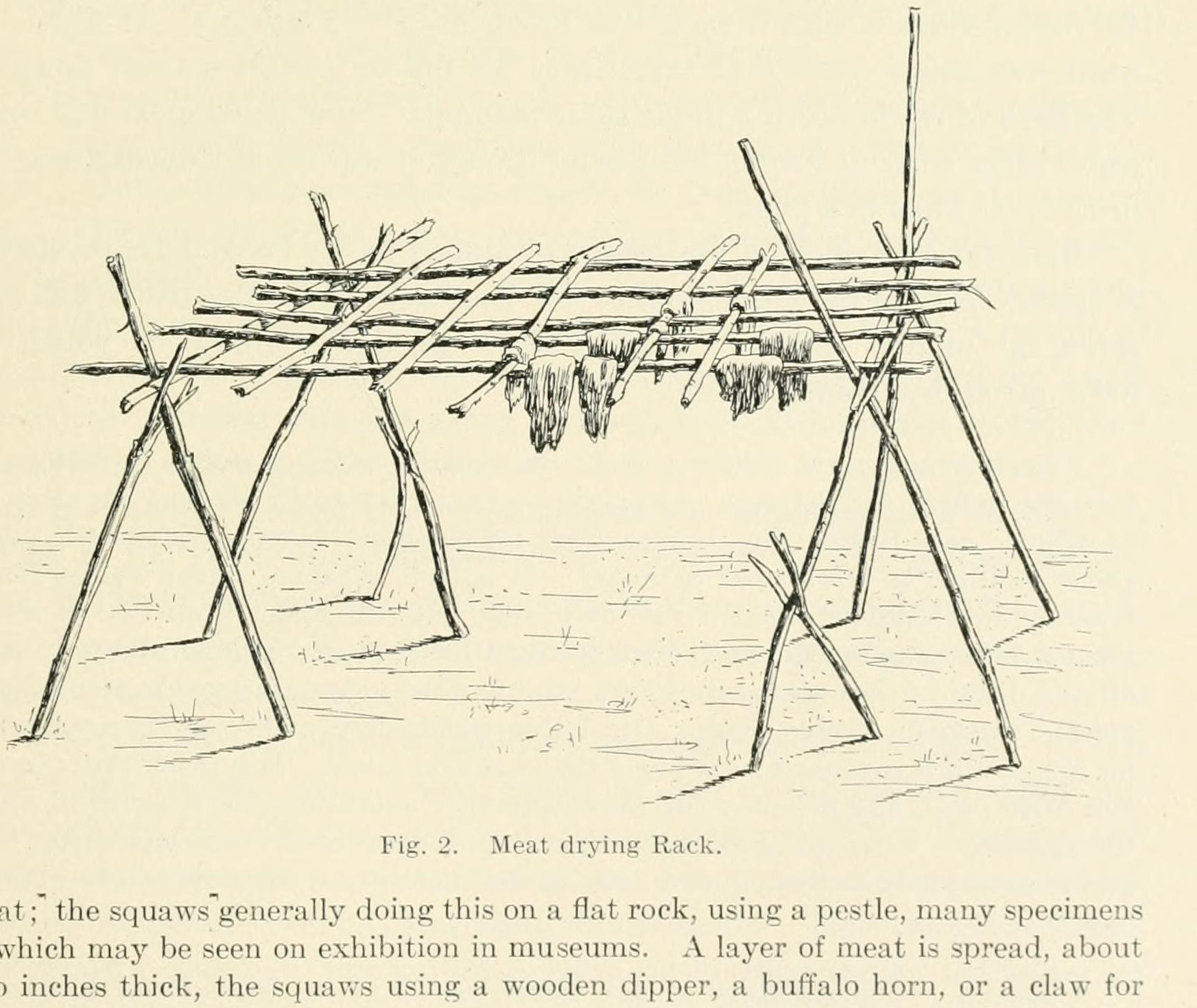
From Clark Wissler, *Material Culture of the Blackfoot Indians*, **Anthropological Papers of the American Museum of Natural History** vol. V (1910), pp. 21-24 and Fig. 2, the meat-drying rack (checked on the archive.org scan materialcultureo00wiss). Wissler calls pemmican the Blackfoot substitute for bread; the fur companies bought it in large bags sealed with tallow. Lean beef for buffalo, and amounts, are ours.
Àwọn ohun-èlò
5- Àyè
- 1 ẹyọÀyè
- 1 ẹyọÀyè
- 1 ẹyọÀyè
- 1 ẹyọÀyè
Ìtọ́nisọ́nà yìí ń ṣe

Blueprint tó jọra
Àwọn blueprint wọ̀nyí pín ìmọ̀ — ọ̀nà, ohun-èlò tàbí ìlànà
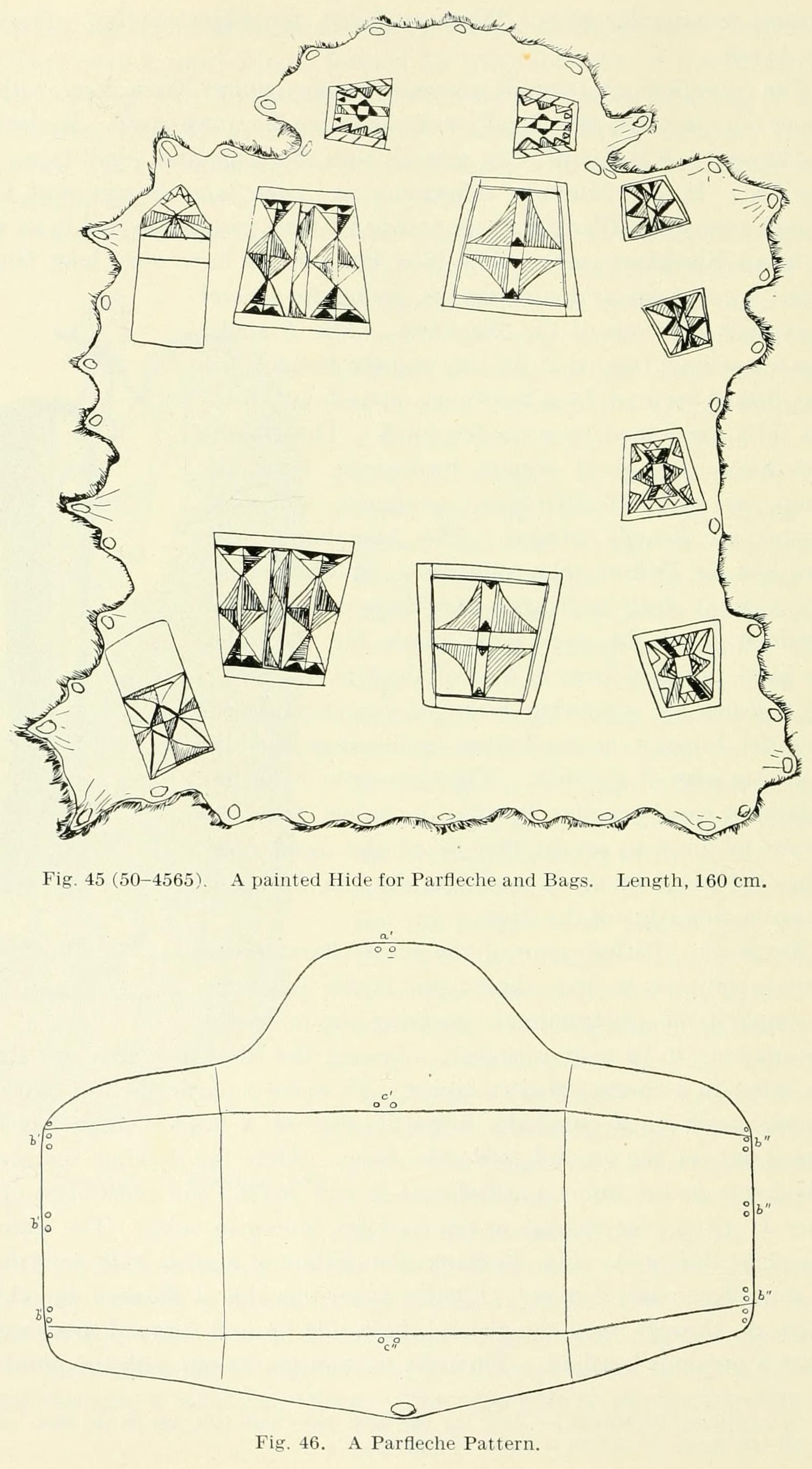
Blackfoot Parfleche: Rawhide Pegged Out, Fleshed, Painted While Staked, Scraped Even, Cut and Folded Like an Envelope (Wissler, 1910)
láti ọwọ́ Tex
Aṣọ àti Awọ
7
0
0
0
0
0
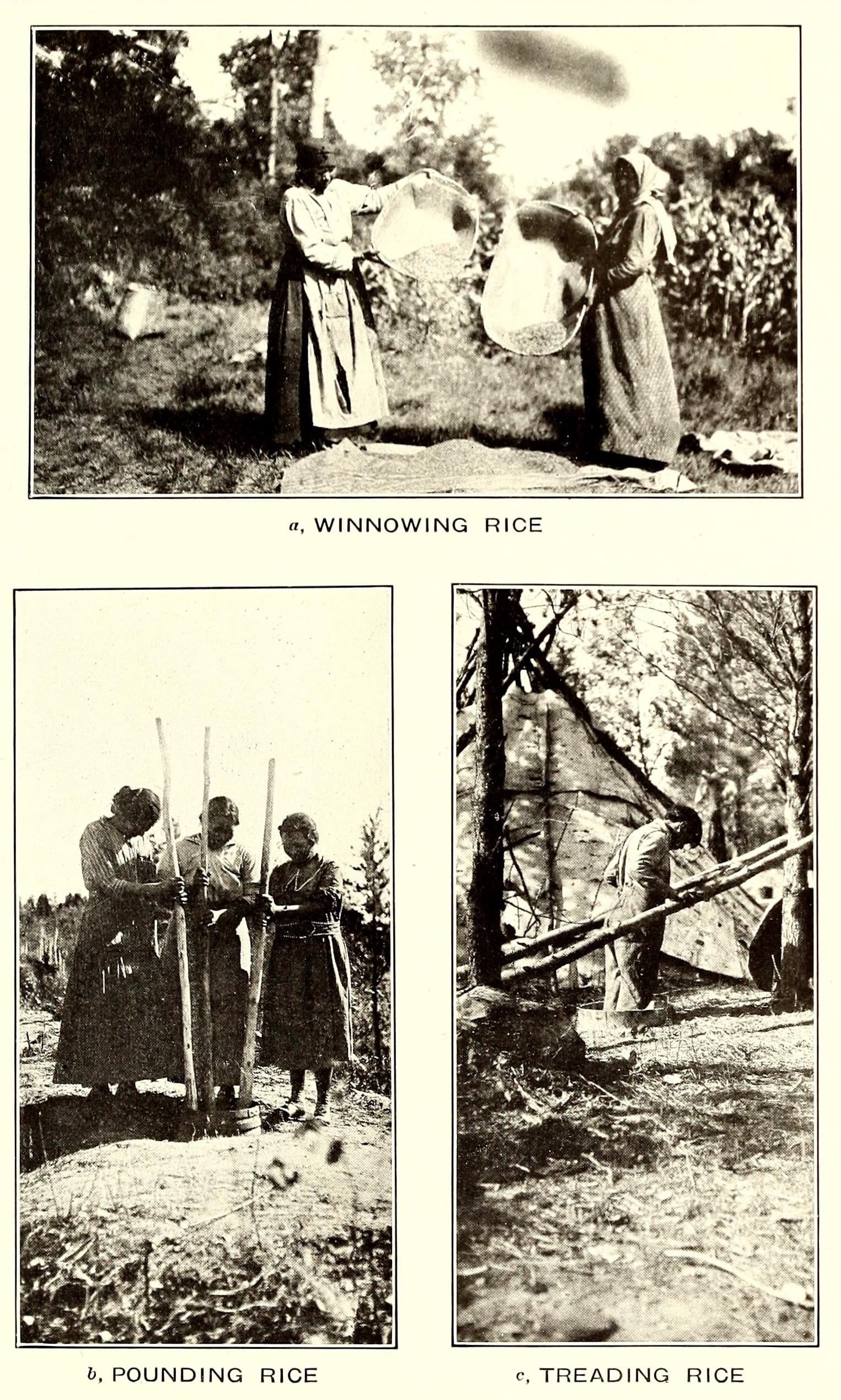
Chippewa Wild Rice: Knocked into the Canoe with Two Sticks, Parched, Pounded, Winnowed and Trodden (Densmore, 1928)
láti ọwọ́ TheChef
OÚNJẸ ÀTI OHUN MÍMU
8
0
0
0
0
0
CC0 Àgbègbè Gbogbogbò
Blueprint yìí ti jáde lábẹ́ CC0. O lè ṣe àdàkọ, yí padà, pín, àti lò láìsí ìyọ̀ǹda.
Ṣàtìlẹ́yìn Olùṣẹ́dá nípa rírà àwọn ọjà nipasẹ̀ Blueprint wọn Ẹ̀san Olùṣẹ́dá tí àwọn Olùtajà gbé kalẹ̀, tàbí ṣẹ̀dá àtúnṣe tuntun ti Blueprint yìí kí o sì fi sínú Blueprint rẹ gẹ́gẹ́ bí ìsopọ̀ láti pín owó-wíwọlé.