IṢẸ́ ỌNÀ
ẸWÀ ÀTI ÌLERA
IṢẸ́ ỌWỌ́
ÀṢÀ ÀTI ÌTÀN
ÌṢERÉ
ÀYÍKÁ
OÚNJẸ ÀTI OHUN MÍMU
REVERSE ENGINEERING
SÁYẸ́ǸSÌ
ERÉ ÌDÁRAYÁ
ÌMỌ̀-Ẹ̀RỌ
ÀWỌN OHUN WÍWỌ̀

Blackfoot Sinew Thread: Dried Leg and Neck Sinew Shredded, Softened and Rolled Between the Palms (Wissler, 1910)
Blackfoot (Niitsitapi) sewing thread as Clark Wissler recorded it: broad bands of sinew from an animal's legs and neck dried and stored, shreds pulled off as needed, softened in water and smoothed with the fingers, then twisted into thread by rolling between the palms, one end held fast; twisted threads braided together make heavy cord.
Olùbẹ̀rẹ̀
A few days drying; minutes per thread
Ìlànà
1
1
Read Wissler
Read Wissler
"Then placing one end in the mouth, the shreds are twisted by rolling between the palms."
2
2
Dry the sinew
Dry the sinew
Take the broad bands of sinew from the legs and neck, clean off any flesh, and dry and store them (ours: on a rack in dry air until hard).
Àwọn ohun èlò fún ìgbésẹ̀ yìí:
 Iṣan ẹsẹ̀ ẹranko1 ẹyọ
Àwọn irinṣẹ́ tí a nílò:
 Ọ̀bẹ
 Àká Ìgbẹ
3
3
Shred, soften and roll
Shred, soften and roll
When thread is needed, pull shreds off the dried sinew (the Blackfoot used their teeth; ours: an awl point), soften them in water and smooth them out with the fingers. Hold one end fast (Wissler: in the mouth, or under the foot) and roll the shreds between the palms to twist them into thread. Twist or braid several threads together for heavy cord.
Àwọn ohun èlò fún ìgbésẹ̀ yìí:
 Omi1 ẹyọ
Àwọn irinṣẹ́ tí a nílò:
 Ọ̀kọ̀ Egungun
4
4
Sew with it
Sew with it
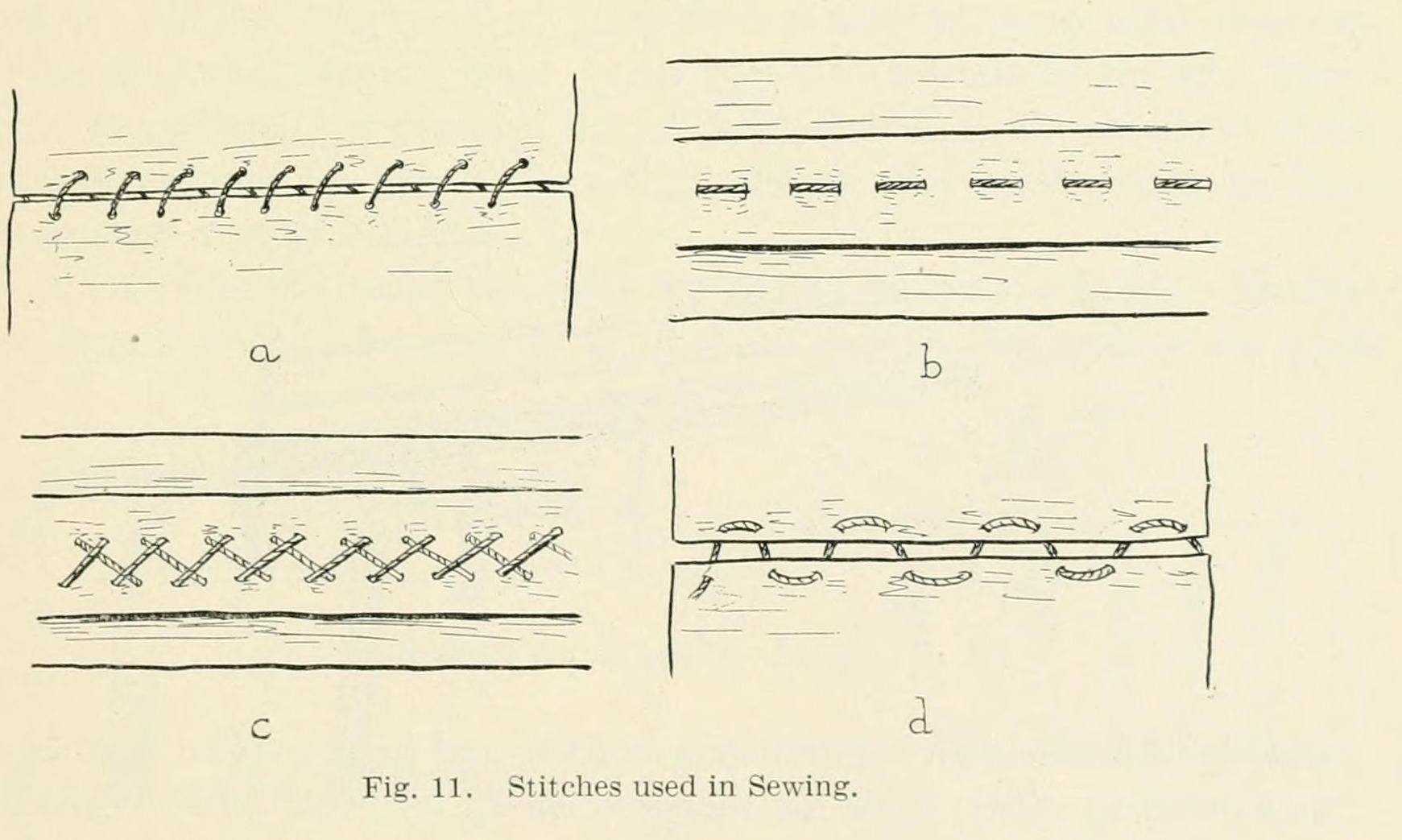
Sew with a bone or metal bodkin. The Blackfoot used an over-and-over stitch for seams and moccasin soles, a running stitch for borders, a mending stitch and an ornamental one (Fig. 11), always with a single thread.
Àwọn irinṣẹ́ tí a nílò:
Ọ̀kọ̀ Egungun5
5
Troubleshooting
Troubleshooting
Sinew thread troubleshooting.
Flow
Loading...
6
6
History and honest limits
History and honest limits
From Clark Wissler, *Material Culture of the Blackfoot Indians*, **Anthropological Papers of the American Museum of Natural History** vol. V (1910), pp. 53-54 and Fig. 11 (checked on the archive.org scan materialcultureo00wiss). In 1910 the sinew came from steers; buffalo before. Sewing with two threads, as in European shoemaking, was unknown to them. Drying details are ours.
Ìtọ́nisọ́nà yìí ń ṣe

Blueprint tó jọra
Àwọn blueprint wọ̀nyí pín ìmọ̀ — ọ̀nà, ohun-èlò tàbí ìlànà
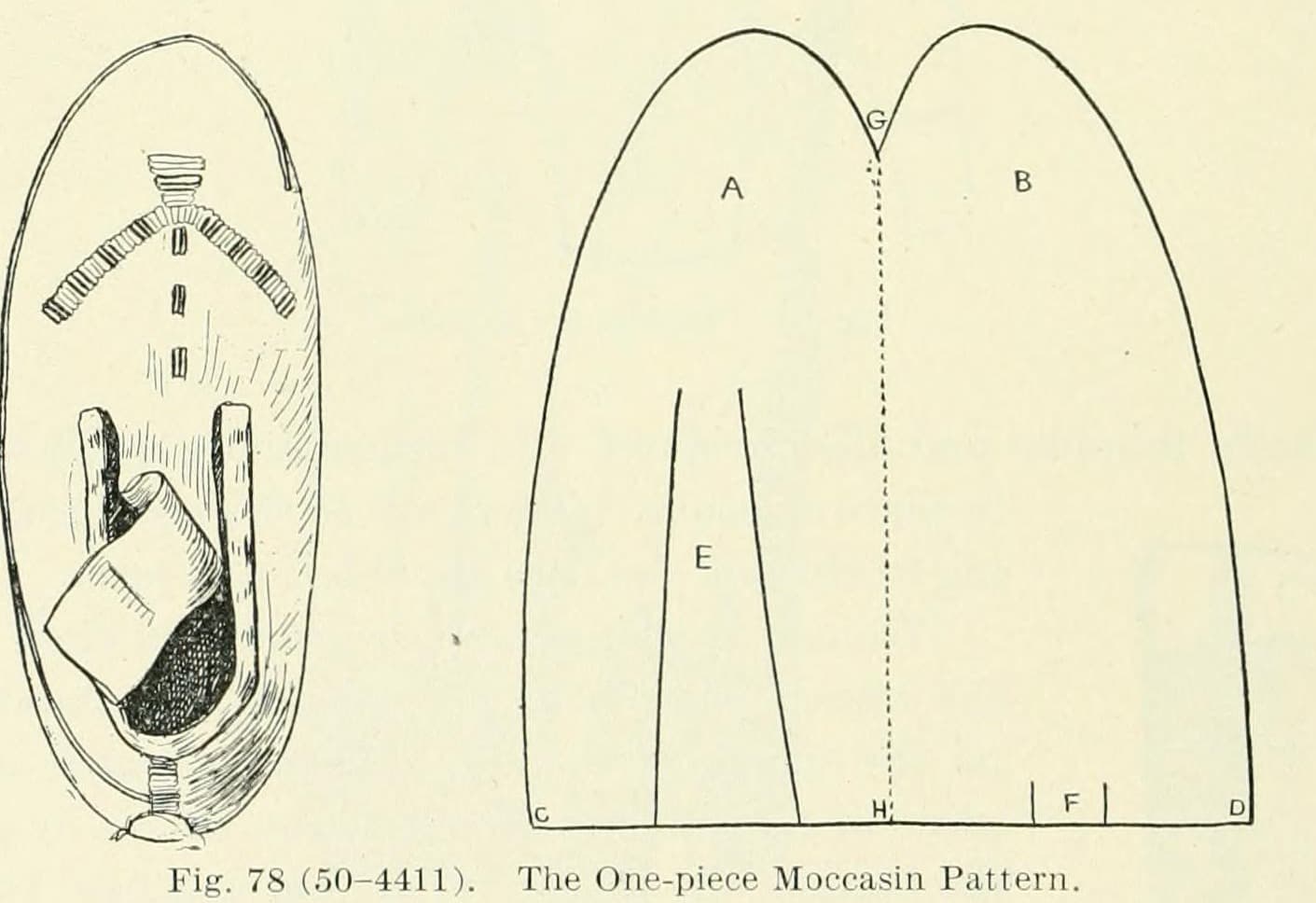
Blackfoot One-Piece Moccasin: One Skin Folded Lengthwise, Seamed Round the Toes, Heel Seam with Trailer, Ankle Flap (Wissler, 1910)
láti ọwọ́ Tex
Aṣọ àti Awọ
6
0
0
0
0
0
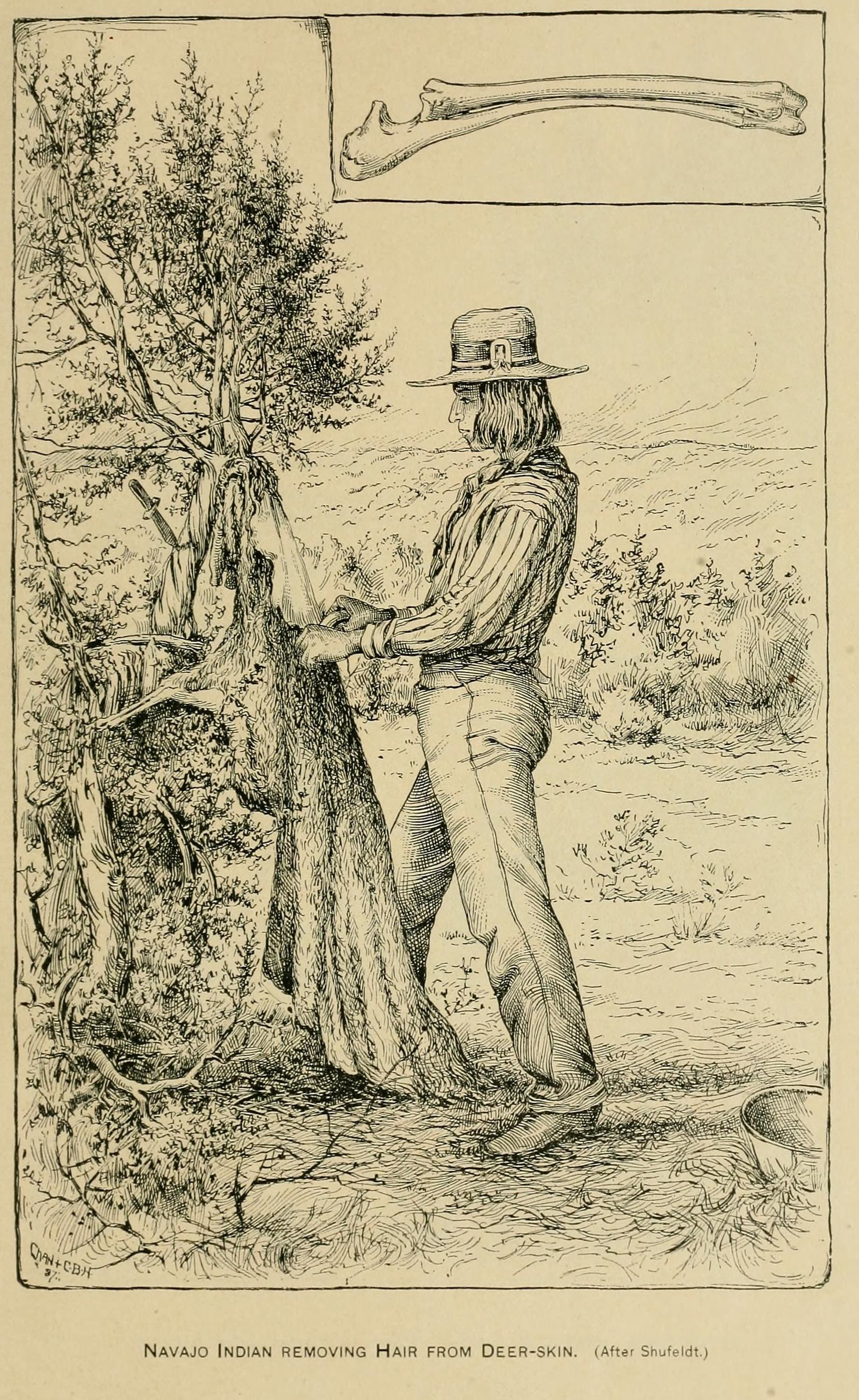
Navajo Buckskin: Hair Shaved with the Deer's Own Foreleg Bone, Brains Rubbed In, Wrung on a Tree, Worked Dry over the Feet (Shufeldt, 1888)
láti ọwọ́ Tex
Aṣọ àti Awọ
6
0
0
0
0
0
CC0 Àgbègbè Gbogbogbò
Blueprint yìí ti jáde lábẹ́ CC0. O lè ṣe àdàkọ, yí padà, pín, àti lò láìsí ìyọ̀ǹda.
Ṣàtìlẹ́yìn Olùṣẹ́dá nípa rírà àwọn ọjà nipasẹ̀ Blueprint wọn Ẹ̀san Olùṣẹ́dá tí àwọn Olùtajà gbé kalẹ̀, tàbí ṣẹ̀dá àtúnṣe tuntun ti Blueprint yìí kí o sì fi sínú Blueprint rẹ gẹ́gẹ́ bí ìsopọ̀ láti pín owó-wíwọlé.