IṢẸ́ ỌNÀ
ẸWÀ ÀTI ÌLERA
IṢẸ́ ỌWỌ́
ÀṢÀ ÀTI ÌTÀN
ÌṢERÉ
ÀYÍKÁ
OÚNJẸ ÀTI OHUN MÍMU
REVERSE ENGINEERING
SÁYẸ́ǸSÌ
ERÉ ÌDÁRAYÁ
ÌMỌ̀-Ẹ̀RỌ
ÀWỌN OHUN WÍWỌ̀
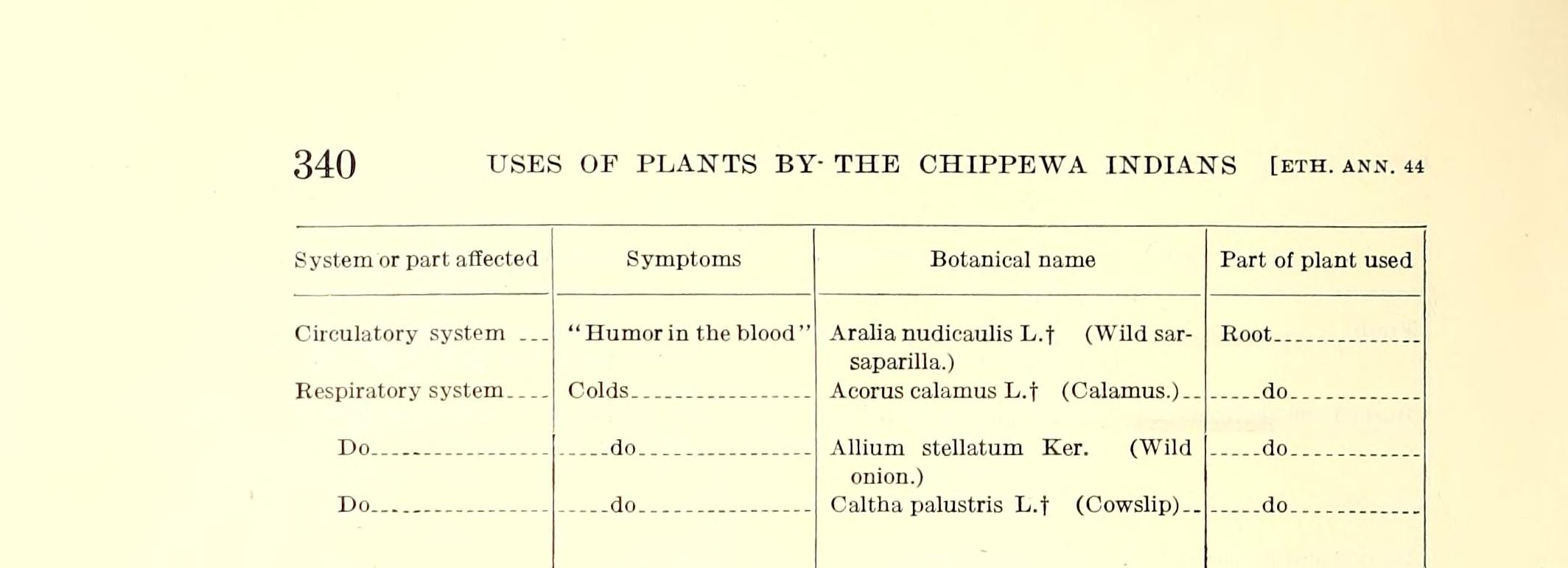

Chippewa Cold Remedies: Calamus Root as Snuff or Decoction, Sweetened Wild Onion for Children (Densmore, 1928)
Two Chippewa (Ojibwe) cold remedies recorded by Frances Densmore: calamus root, either pulverised and snuffed up the nostrils or boiled as a decoction and drunk, and a sweetened decoction of wild onion root, used chiefly for children. Recorded use, not medical advice.
Olùbẹ̀rẹ̀
An hour
Ìlànà
1
1
Read Densmore
Read Densmore
Her table gives plant, part, preparation and use; no amounts. Recorded use, not medical advice.
2
2
Calamus as snuff
Calamus as snuff
Pulverise dried calamus root and snuff it up the nostrils. Densmore also lists calamus for toothache, sore throat and as a physic. Ours: calamus is barred from food in the US (21 CFR 189.110).
Àwọn ohun èlò fún ìgbésẹ̀ yìí:
 Calamus Root (Dried)1 ẹyọ
Àwọn irinṣẹ́ tí a nílò:
 Odó àti Ọmọ Odó Òkúta
3
3
Calamus decoction
Calamus decoction
Boil the root in water (amounts not given) and drink it.
Àwọn ohun èlò fún ìgbésẹ̀ yìí:
Calamus Root (Dried)1 ẹyọ Omi1 ẹyọ
Àwọn irinṣẹ́ tí a nílò:
 Ọ̀bẹ
 Ìkòkò amọ̀
 Ihò iná
 Aṣọ wàrà-dídì
4
4
Wild onion for children
Wild onion for children
Make a decoction of the root of wild onion (Allium stellatum) and sweeten it. Used chiefly for children. Ours: maple sugar as the sweetener, the Chippewa sugar.
Àwọn ohun èlò fún ìgbésẹ̀ yìí:
 Wild Onion Bulbs1 ẹyọ
 Maple Sugar1 ẹyọOmi1 ẹyọ
Àwọn irinṣẹ́ tí a nílò:
Ọ̀bẹÌkòkò amọ̀Ihò iná5
5
Troubleshooting
Troubleshooting
Cold remedy troubleshooting.
Flow
Loading...
6
6
History and honest limits
History and honest limits
From Frances Densmore, *Uses of Plants by the Chippewa Indians*, **44th Annual Report of the Bureau of American Ethnology** (1928), pp. 340-341 (checked on the archive.org scan usesofplantsbych00dens). Chippewa remedies were mostly knowledge of the Midewiwin, shared with her so a record would survive. A weak dogbane decoction for infants in the same rows is left out on purpose: dogbane is toxic. Amounts, sweetener and safety lines are ours. Recorded use, not medical advice.
Àwọn ohun-èlò
4- 1 ẹyọÀyè
- 2 ẹyọÀyè
- 1 ẹyọÀyè
- 1 ẹyọÀyè
Ìtọ́nisọ́nà yìí ń ṣe
Blueprint tó jọra
Àwọn blueprint wọ̀nyí pín ìmọ̀ — ọ̀nà, ohun-èlò tàbí ìlànà
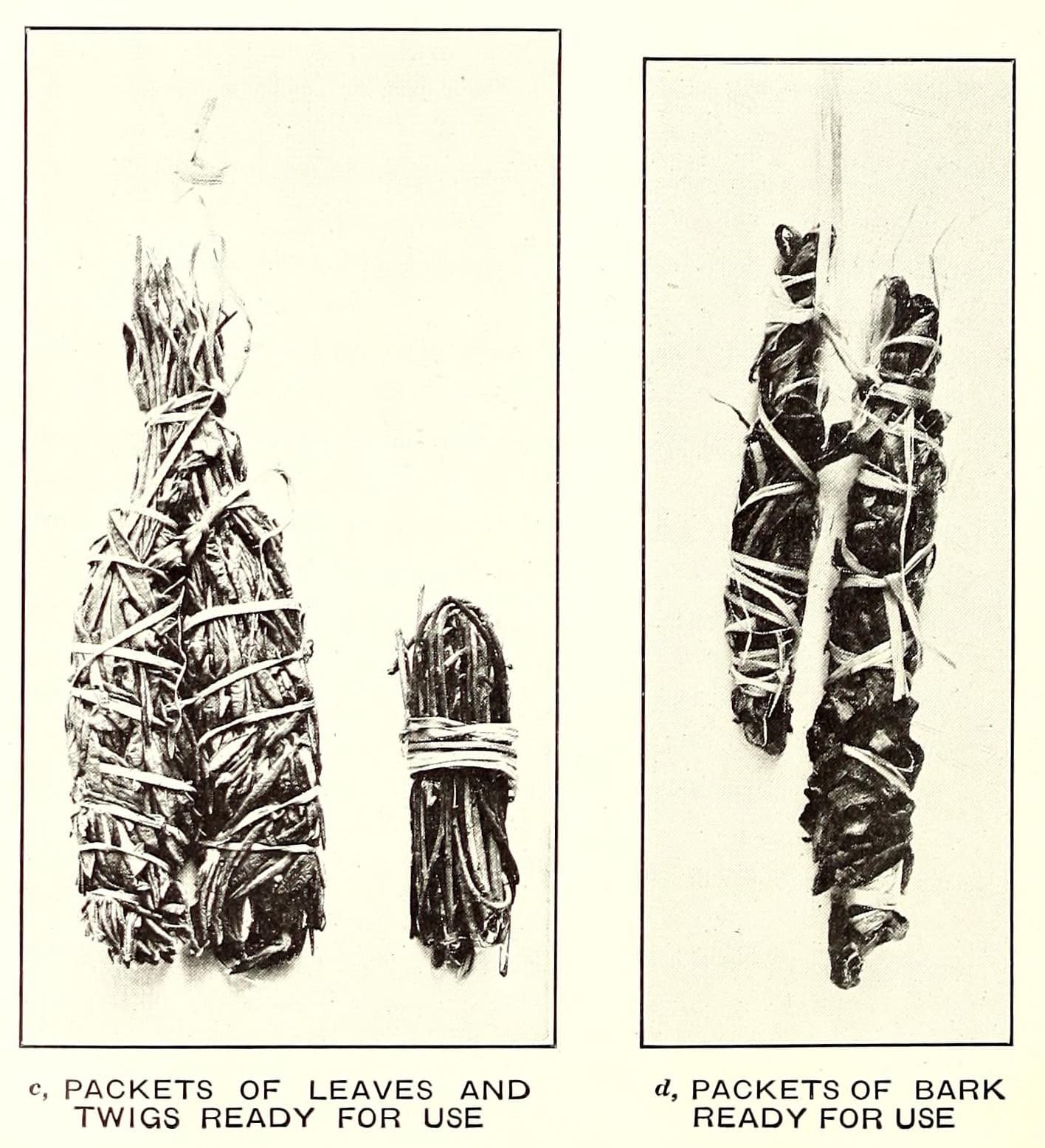
Chippewa Medicinal Roots and Barks: Gathered by the Sap, Dried, Tied in Packets and Kept in Bags (Densmore, 1928)
láti ọwọ́ Bob
Ẹ̀kọ́ Ewéko
7
0
0
0
0
0
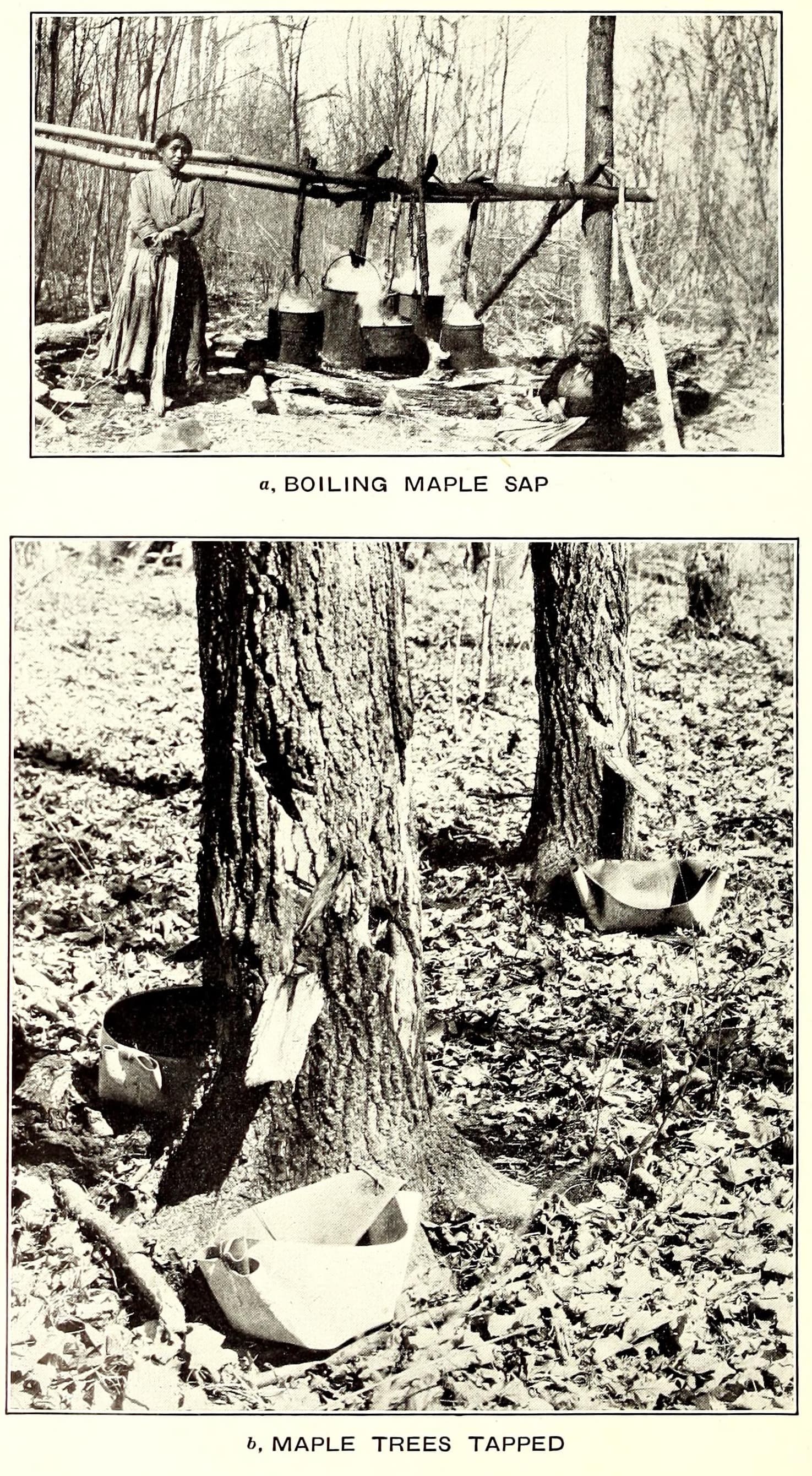
Chippewa Maple Sugar Camp: Spiles Below a Diagonal Cut, Kettles Boiled All Night, Sugar Worked in a Trough (Densmore, 1928)
láti ọwọ́ TheChef
OÚNJẸ ÀTI OHUN MÍMU
5
0
0
0
0
0
CC0 Àgbègbè Gbogbogbò
Blueprint yìí ti jáde lábẹ́ CC0. O lè ṣe àdàkọ, yí padà, pín, àti lò láìsí ìyọ̀ǹda.
Ṣàtìlẹ́yìn Olùṣẹ́dá nípa rírà àwọn ọjà nipasẹ̀ Blueprint wọn Ẹ̀san Olùṣẹ́dá tí àwọn Olùtajà gbé kalẹ̀, tàbí ṣẹ̀dá àtúnṣe tuntun ti Blueprint yìí kí o sì fi sínú Blueprint rẹ gẹ́gẹ́ bí ìsopọ̀ láti pín owó-wíwọlé.