IṢẸ́ ỌNÀ
ẸWÀ ÀTI ÌLERA
IṢẸ́ ỌWỌ́
ÀṢÀ ÀTI ÌTÀN
ÌṢERÉ
ÀYÍKÁ
OÚNJẸ ÀTI OHUN MÍMU
REVERSE ENGINEERING
SÁYẸ́ǸSÌ
ERÉ ÌDÁRAYÁ
ÌMỌ̀-Ẹ̀RỌ
ÀWỌN OHUN WÍWỌ̀
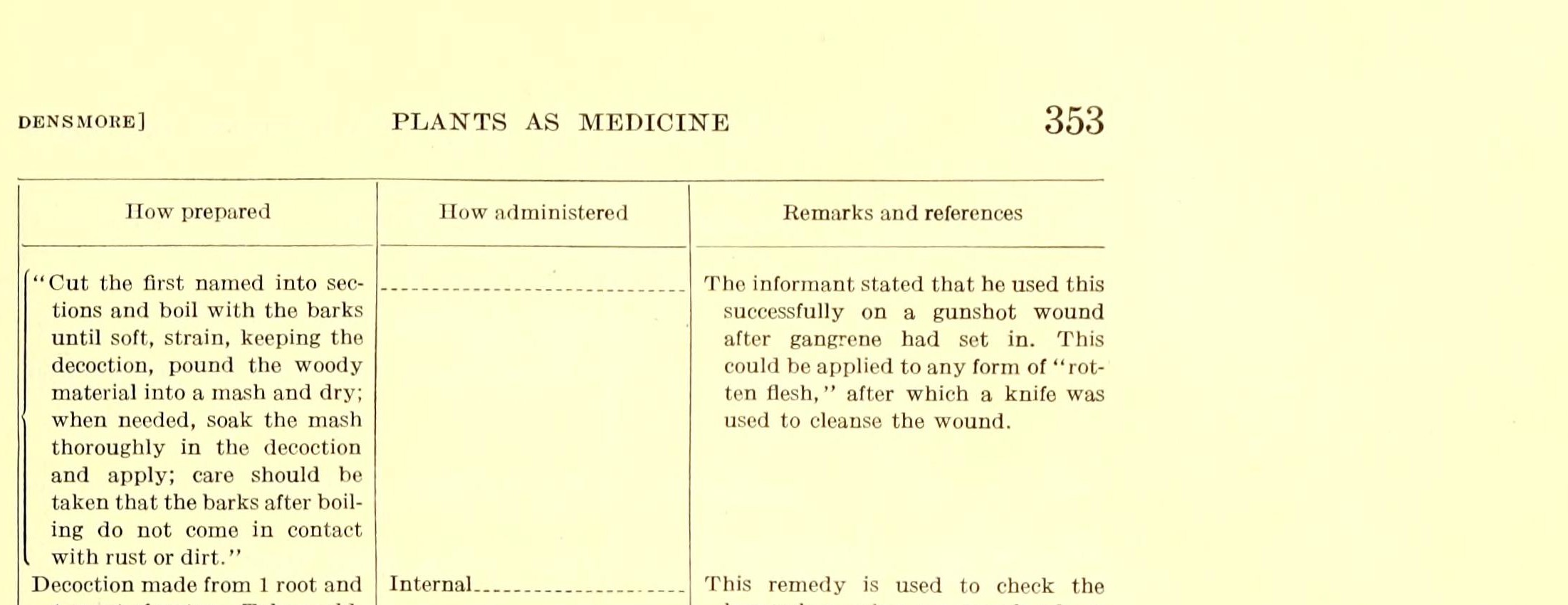


Chippewa Poultices for Cuts and Bruises: White Pine with Cherry and Plum Bark, and Fireweed Leaves (Densmore, 1928)
Two Chippewa (Ojibwe) poultices recorded by Frances Densmore. For cuts: a young white pine trunk boiled with wild cherry and wild plum inner bark, strained, the wood pounded to a mash and dried, then soaked in the kept decoction when needed. For bruises: moistened fireweed leaves. Recorded use, not medical advice.
Olùbẹ̀rẹ̀
Half a day, plus drying
Ìlànà
1
1
Read Densmore
Read Densmore
"Care should be taken that the barks after boiling do not come in contact with rust or dirt." Recorded use, not medical advice: deep or dirty wounds need a doctor (ours).
2
2
Boil pine with the barks
Boil pine with the barks
Cut the trunk of a young white pine into sections and boil them with wild cherry inner bark and the inner bark of a young wild plum until soft. Ours: a clay pot, since nothing boiled may touch rust; amounts are not given.
Àwọn ohun èlò fún ìgbésẹ̀ yìí:
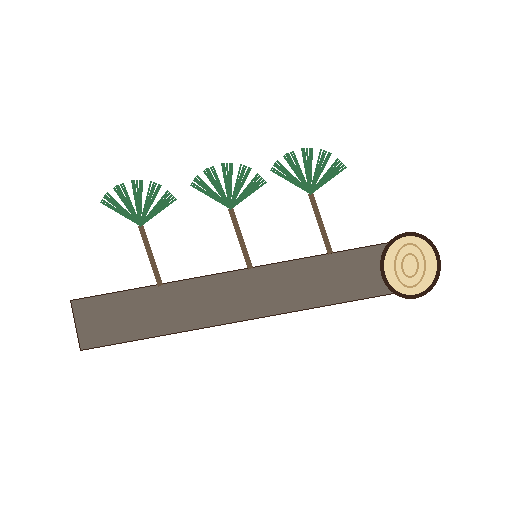 White Pine Sapling1 ẹyọ
 Wild Cherry Inner Bark1 ẹyọ
 Wild Plum Bark1 ẹyọ
 Omi1 ẹyọ
Àwọn irinṣẹ́ tí a nílò:
 Àáké kékeré
 Ìkòkò amọ̀
 Ihò iná
3
3
Strain, mash and dry
Strain, mash and dry
Strain and keep the decoction. Pound the woody material into a mash and dry it. Ours: keep both clean and covered.
Àwọn irinṣẹ́ tí a nílò:
 Aṣọ wàrà-dídì
 Òkúta Ìlù
 Àká Ìgbẹ
 Ohun-èlò Èèpo Betula
4
4
Apply to a cut
Apply to a cut
When needed, soak the mash thoroughly in the decoction and apply. The informant said he used it on a gunshot wound after gangrene had set in, and that it could go on any "rotten flesh", after which a knife was used to clean the wound.
Àwọn irinṣẹ́ tí a nílò:
Ìkòkò amọ̀5
5
Fireweed poultice for a bruise
Fireweed poultice for a bruise
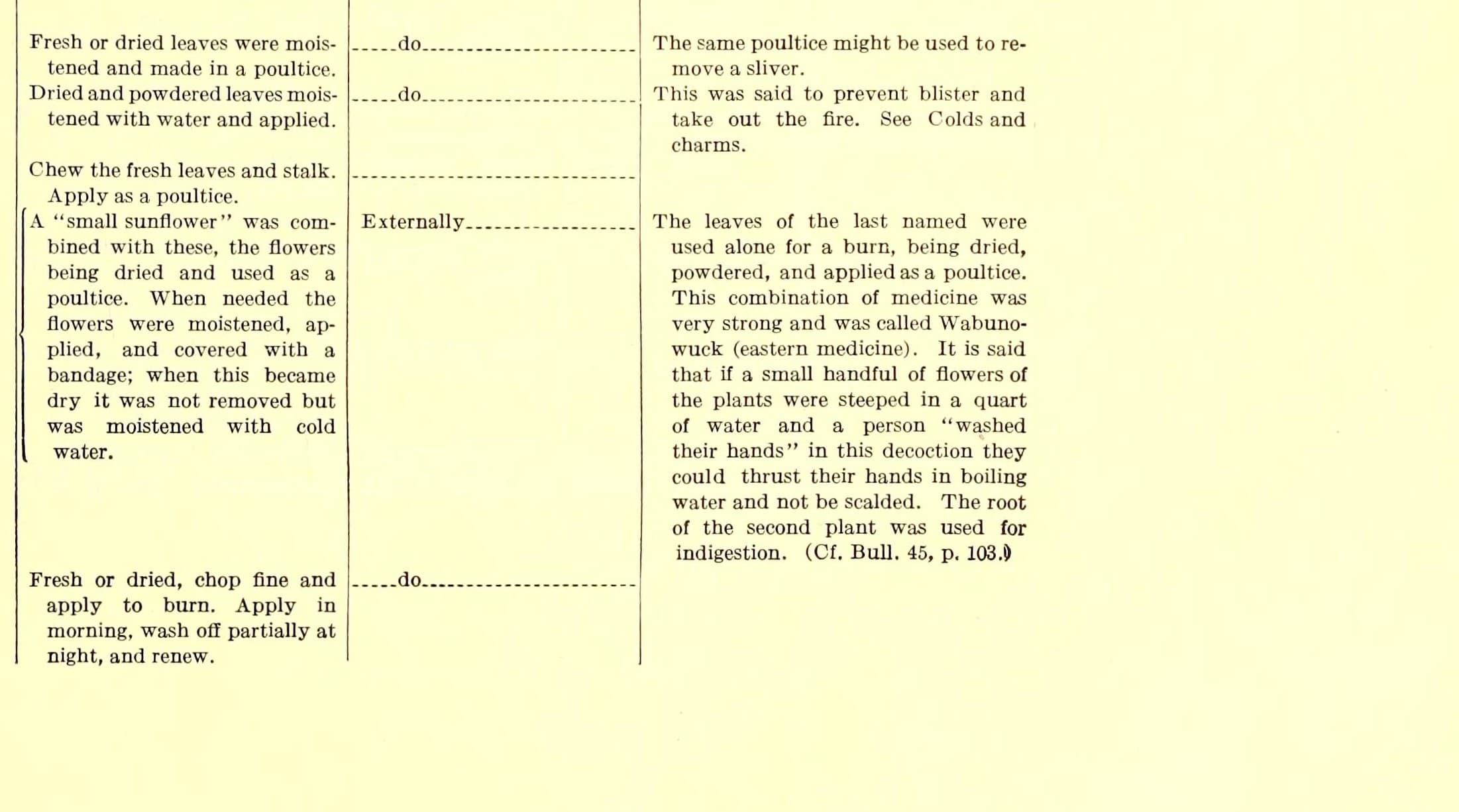
Moisten fresh or dried fireweed leaves and make them into a poultice. The same poultice might be used to draw out a sliver.
Àwọn ohun èlò fún ìgbésẹ̀ yìí:
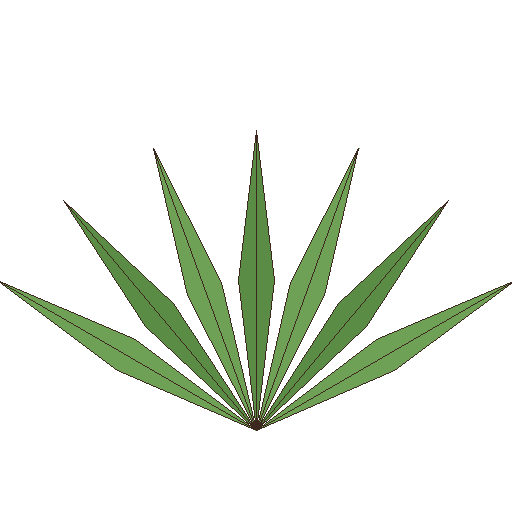 Fireweed Leaves1 ẹyọOmi1 ẹyọ
Àwọn irinṣẹ́ tí a nílò:
Òkúta Ìlù6
6
Troubleshooting
Troubleshooting
Poultice troubleshooting.
Flow
Loading...
7
7
History and honest limits
History and honest limits
From Frances Densmore, *Uses of Plants by the Chippewa Indians*, **44th Annual Report of the Bureau of American Ethnology** (1928), pp. 352-353 (checked on the archive.org scan usesofplantsbych00dens). Chippewa remedies were mostly knowledge of the Midewiwin, shared with her so a record would survive. Amounts, the clay pot and safety advice are ours. Recorded use, not medical advice.
Àwọn ohun-èlò
5- 1 ẹyọÀyè
- Àyè
- 1 ẹyọÀyè
- 2 ẹyọÀyè
- 1 ẹyọÀyè
Ìtọ́nisọ́nà yìí ń ṣe
Blueprint tó jọra
Àwọn blueprint wọ̀nyí pín ìmọ̀ — ọ̀nà, ohun-èlò tàbí ìlànà
CC0 Àgbègbè Gbogbogbò
Blueprint yìí ti jáde lábẹ́ CC0. O lè ṣe àdàkọ, yí padà, pín, àti lò láìsí ìyọ̀ǹda.
Ṣàtìlẹ́yìn Olùṣẹ́dá nípa rírà àwọn ọjà nipasẹ̀ Blueprint wọn Ẹ̀san Olùṣẹ́dá tí àwọn Olùtajà gbé kalẹ̀, tàbí ṣẹ̀dá àtúnṣe tuntun ti Blueprint yìí kí o sì fi sínú Blueprint rẹ gẹ́gẹ́ bí ìsopọ̀ láti pín owó-wíwọlé.