IṢẸ́ ỌNÀ
ẸWÀ ÀTI ÌLERA
IṢẸ́ ỌWỌ́
ÀṢÀ ÀTI ÌTÀN
ÌṢERÉ
ÀYÍKÁ
OÚNJẸ ÀTI OHUN MÍMU
REVERSE ENGINEERING
SÁYẸ́ǸSÌ
ERÉ ÌDÁRAYÁ
ÌMỌ̀-Ẹ̀RỌ
ÀWỌN OHUN WÍWỌ̀
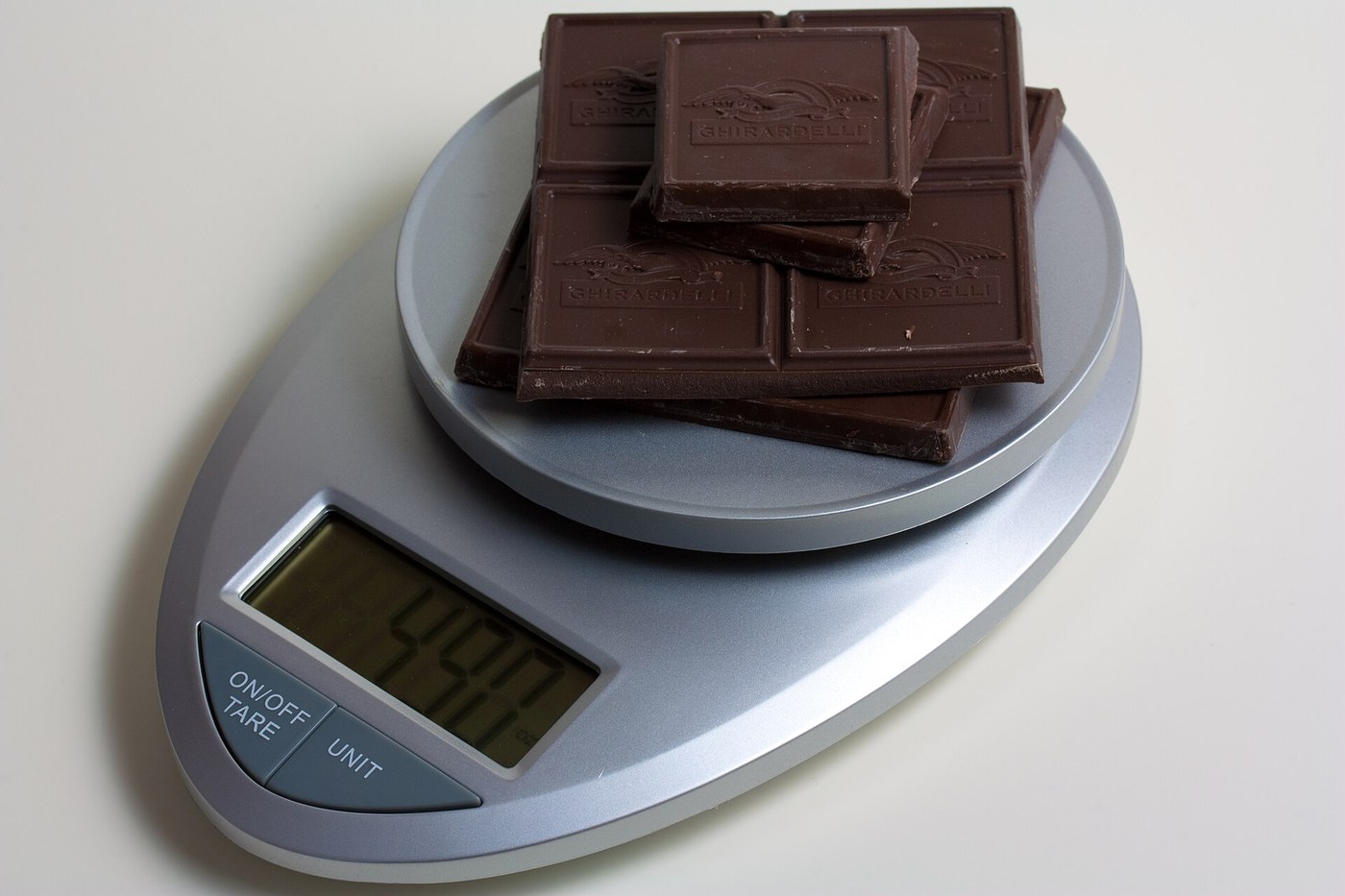

Digital Kitchen Scale: a Cantilever Load Cell in a Sealed Dual Housing (Edlund, 2009)
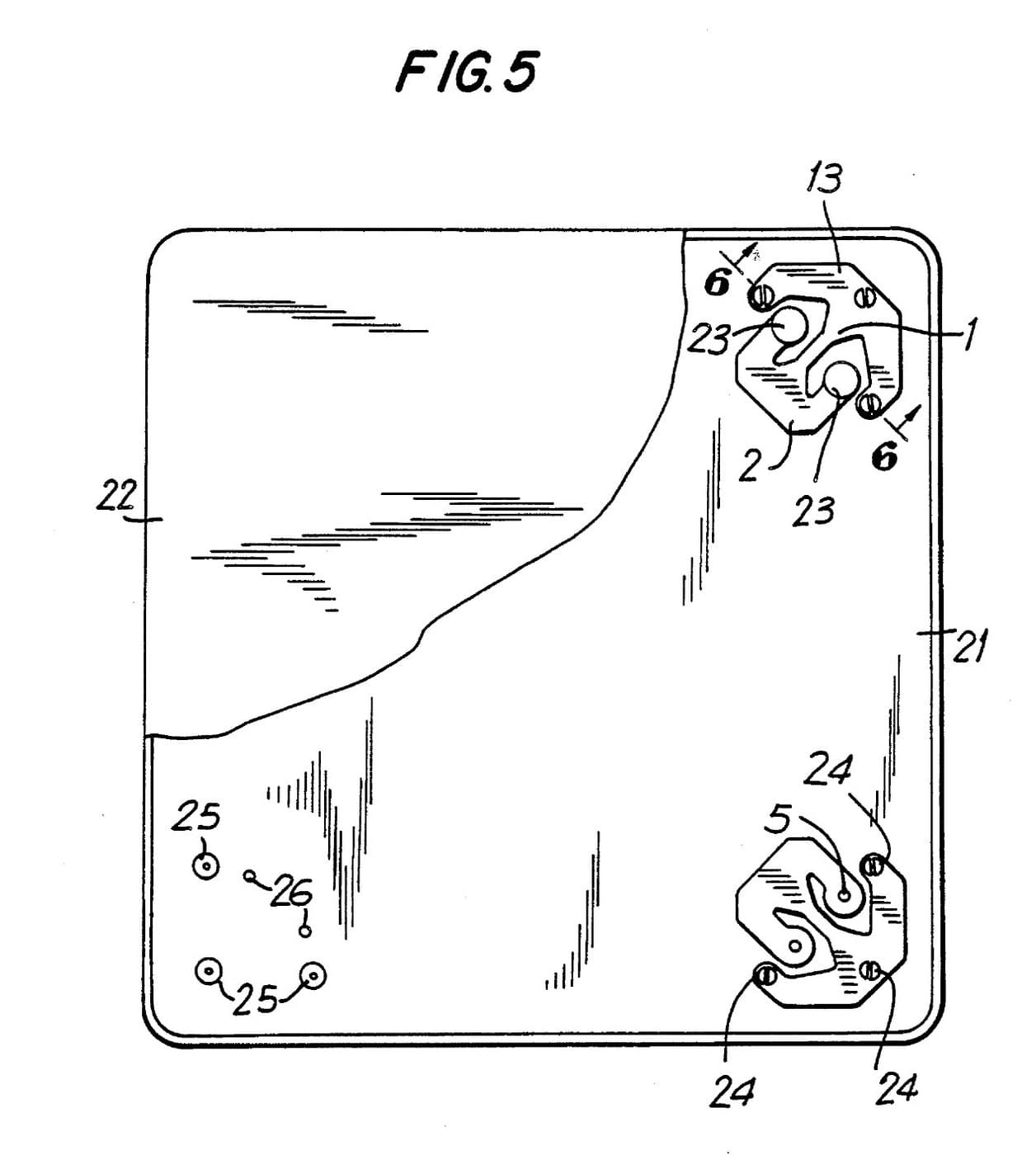
A digital scale built to survive a kitchen: spills, washing and being dropped. The load cell is a short cantilever with a strain sensor on top, and the electronics sit in a sealed compartment. Both are in a plastic chassis held loosely inside a second, outer housing of stainless steel and plastic, with crushable spacers between the two.
Result: a digital kitchen scale with a removable pan, sealed display and touchpad, battery power and an overload stop under the load cell.
Source: R. S. Whitney (Edlund Company), US Patent 7,554,043 (2009). Unknown: sizes, capacity, resolution and the electronics; the patent says suitable force transducers are readily available. Ours: the display and button types. Picture: Wikimedia Commons.
Ilọsíwájú
2 days
Ìlànà
1
1
Mount the cantilever load cell
Mount the cantilever load cell
In the load-cell cavity of the plastic chassis, screw a base plate to the cavity floor. Screw the cantilever support to the base plate; a support plate on the cantilever carries the posts for the pan. A strain transducer on top of the cantilever senses the top stretching as it bends under a load. A window in the base plate leaves the cavity floor just below the free end, so an overload bottoms out there instead of breaking the transducer.
Àwọn ohun èlò fún ìgbésẹ̀ yìí:
 Sẹ́ẹ̀lì ẹrù1 cantilever type
 Ṣíṣú1 chassis
 Skurú ẹ̀rọ1 ìtò
Àwọn irinṣẹ́ tí a nílò:
 Ìṣù àwọn ohun ìyí skurú
 Ìwọ̀n tí a kò mọ̀
2
2
Seal in the electronics
Seal in the electronics
On the other side of the chassis, fit the display electronics behind one opening and the touchpad electronics behind another, wired to the strain transducer through sealing bushings. Fit a battery holder. Close the compartment with its cover on gaskets, so the electronics stay dry. Not given: the circuit, the display and the battery. Ours: a segment LCD and push buttons.
Àwọn ohun èlò fún ìgbésẹ̀ yìí:
 IC1 weighing and display electronics
 Pánẹ́ẹ̀lì LCD oní-apá1 ẹyọ
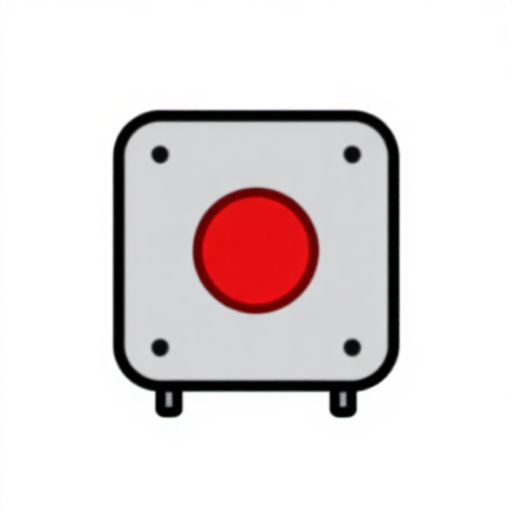 Bọ́tìnì ìtẹ̀1 touchpad keys
 Bátìrì1 ẹyọ
 Gásíkẹ́ẹ̀tì ìdí2 ẹyọ
 Okun waya ìsopọ̀1 short
 Wáyà Sọ́ldà1 a little
Àwọn irinṣẹ́ tí a nílò:
 Irin ìsúdìÌṣù àwọn ohun ìyí skurú
3
3
Close it in the outer housing
Close it in the outer housing
Place the chassis, unfastened, between the two halves of the outer housing: a stainless-steel top with downturned sides, and a plastic bottom. Spacers moulded on the chassis sides press against the housing sides. They take a blow if the scale is dropped, and may crush on purpose to save the load cell and electronics. A sealed window of plastic or glass shows the display. A flexible sheet covers the touchpad. Fit four height-adjustable feet.
Àwọn ohun èlò fún ìgbésẹ̀ yìí:
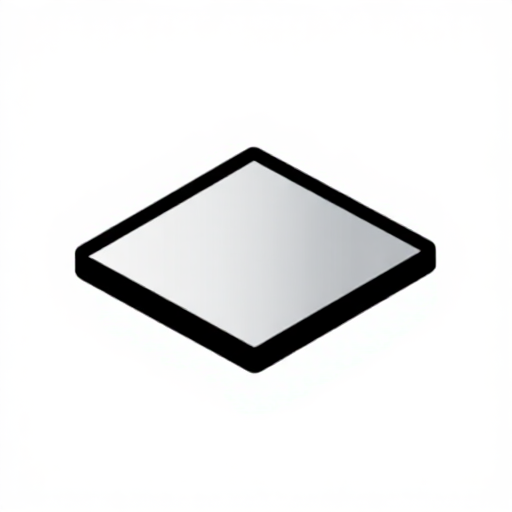 Àwo irin tí kò ń yá1 upper housingṢíṣú1 lower housing
 Ohun èlò tí a kò mọ̀1 window, touchpad sheet, four feet
Àwọn irinṣẹ́ tí a nílò:
Ìṣù àwọn ohun ìyí skurúÌwọ̀n tí a kò mọ̀4
4
Fit the pan and check
Fit the pan and check
Screw the pan support to the four supports of the load cell. Rest the removable pan on it, or snap it on, so it lifts off for washing. A flexible boot can seal each support where it passes through the housing. Ours: check the reading with calibration weights.
Àwọn ohun èlò fún ìgbésẹ̀ yìí:
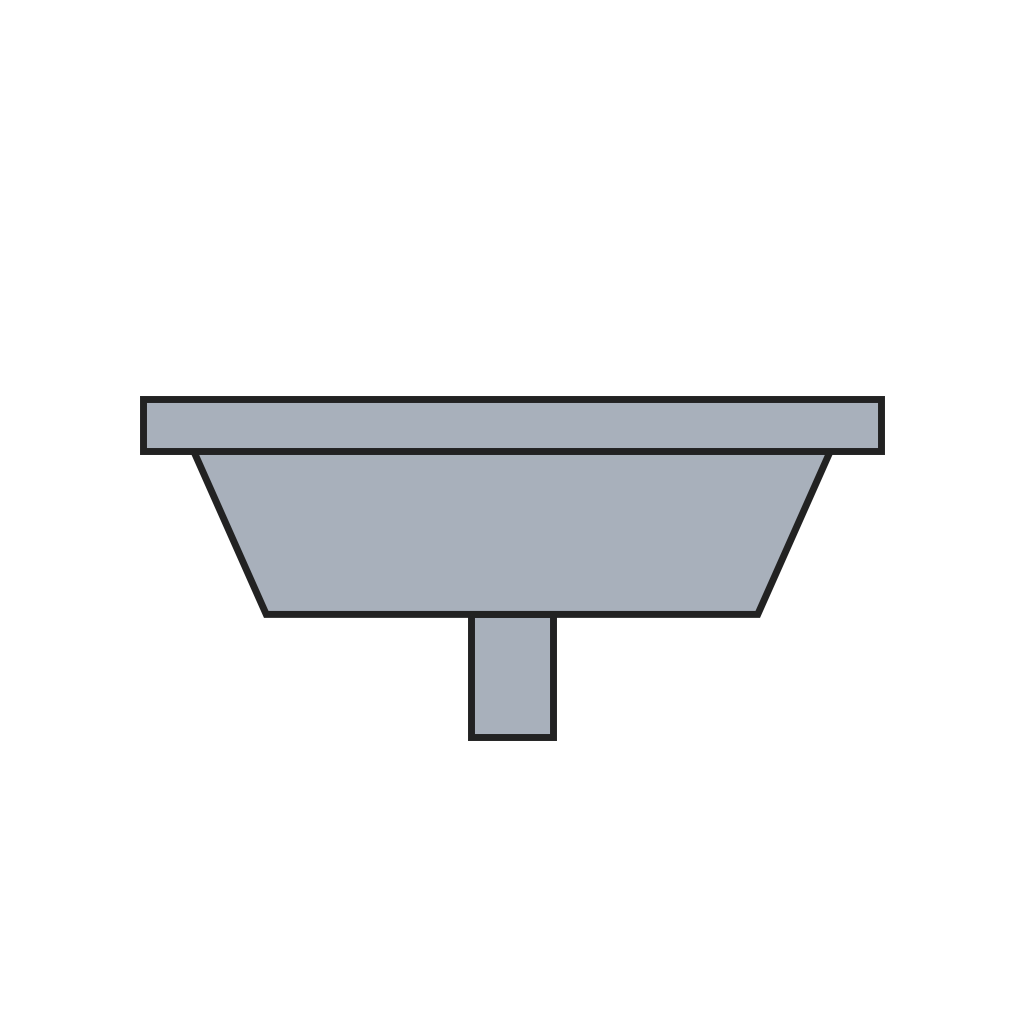 Àwo Òṣùwọ̀n1 metal or plasticSkurú ẹ̀rọ1 ìtò
Àwọn irinṣẹ́ tí a nílò:
Ìṣù àwọn ohun ìyí skurú Ìdìpọ̀ ìwọ̀n ìdánwò
Àwọn ohun-èlò
13- 1 cantilever typeÀyè
- 1 lower housingÀyè
- 2 ìtòÀyè
- 1 weighing and display electronicsÀyè
- Àyè
- Àyè
- 1 ẹyọÀyè
- 2 ẹyọÀyè
- 1 shortÀyè
- 1 a littleÀyè
- 1 upper housingÀyè
- 1 window, touchpad sheet, four feetÀyè
- 1 metal or plasticÀyè
Àwọn irinṣẹ́ tó nílò
4- 2 vendors sell this, none ship to you yetÀyè
Àwọn Ohun Èlò Ìtọ́nisọ́nà Tí A So Pọ̀
10% Ìpín
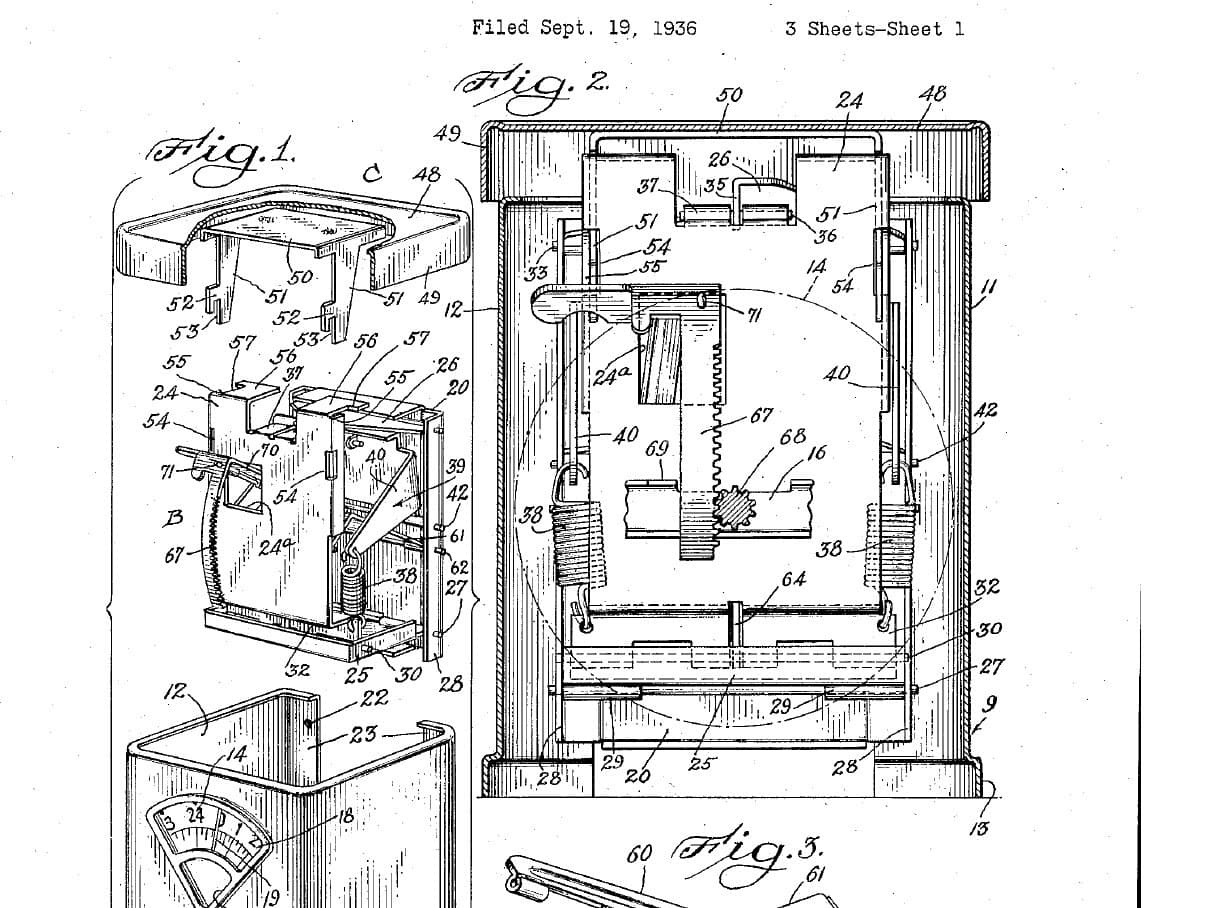
Mechanical Kitchen Scale: Sheet-Metal Case, Guided Plate and Two Springs to a Dial (Hansen, 1939)
láti ọwọ́ Penny
Ìmọ̀ Ẹ̀rọ
0
0
0
0
1
0
10% Ìpín
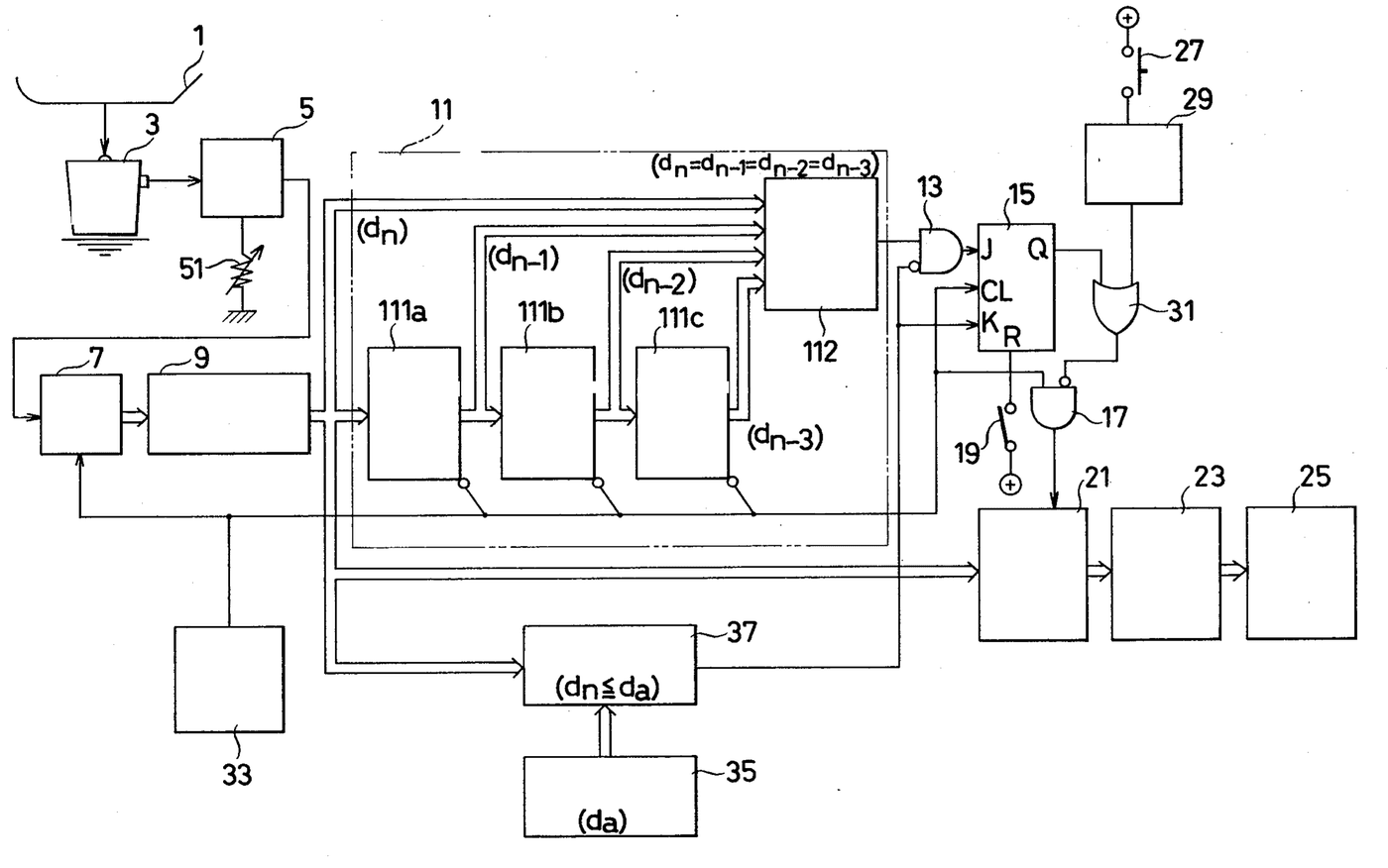
Electronic Baby Scale That Holds a Steady Reading: Hino & Itani, 1981
láti ọwọ́ Penny
Ẹ̀rọ Ìtanná
21
0
0
0
2
0
10% Ìpín
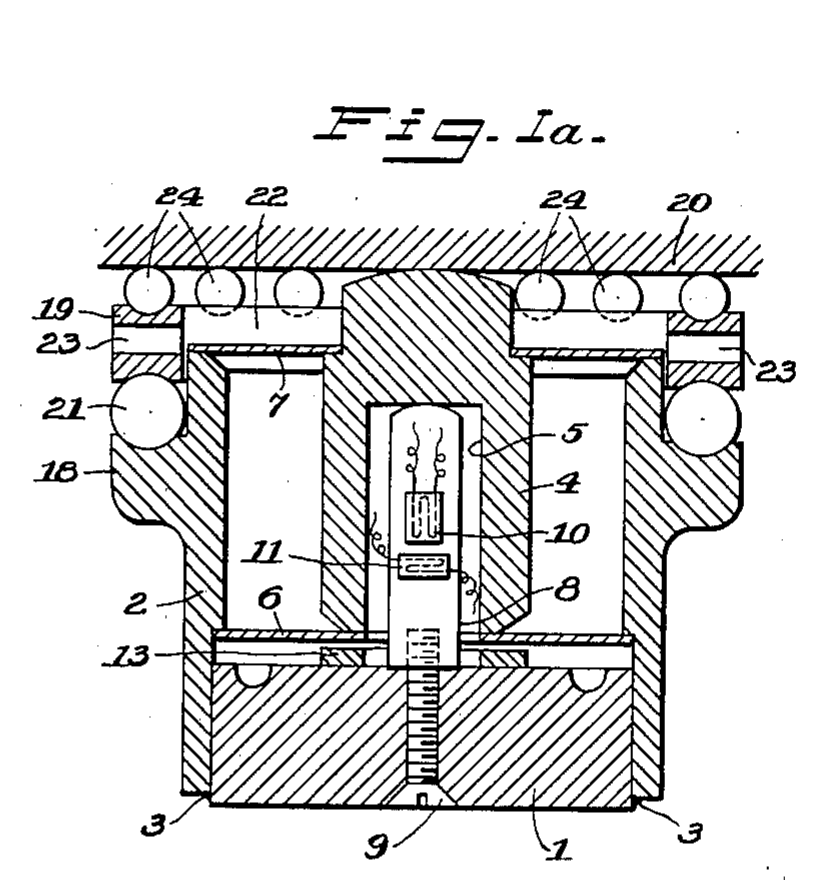
Strain-Gauge Load Cell with Floating Piston: Ruge, 1949
láti ọwọ́ Penny
Ẹ̀rọ Ìtanná
27
0
0
0
3
0
Ìtọ́nisọ́nà yìí ń ṣe

Blueprint tó jọra
Àwọn blueprint wọ̀nyí pín ìmọ̀ — ọ̀nà, ohun-èlò tàbí ìlànà
CC0 Àgbègbè Gbogbogbò
Blueprint yìí ti jáde lábẹ́ CC0. O lè ṣe àdàkọ, yí padà, pín, àti lò láìsí ìyọ̀ǹda.
Ṣàtìlẹ́yìn Olùṣẹ́dá nípa rírà àwọn ọjà nipasẹ̀ Blueprint wọn Ẹ̀san Olùṣẹ́dá tí àwọn Olùtajà gbé kalẹ̀, tàbí ṣẹ̀dá àtúnṣe tuntun ti Blueprint yìí kí o sì fi sínú Blueprint rẹ gẹ́gẹ́ bí ìsopọ̀ láti pín owó-wíwọlé.