IṢẸ́ ỌNÀ
ẸWÀ ÀTI ÌLERA
IṢẸ́ ỌWỌ́
ÀṢÀ ÀTI ÌTÀN
ÌṢERÉ
ÀYÍKÁ
OÚNJẸ ÀTI OHUN MÍMU
REVERSE ENGINEERING
SÁYẸ́ǸSÌ
ERÉ ÌDÁRAYÁ
ÌMỌ̀-Ẹ̀RỌ
ÀWỌN OHUN WÍWỌ̀
Léwu


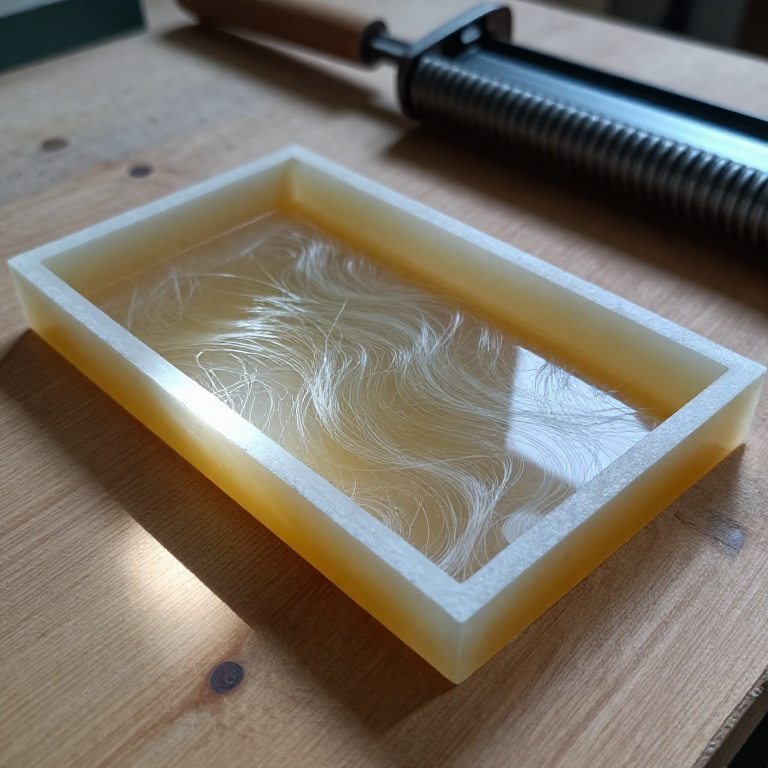
Unsaturated Polyester Resin (Fibreglass)
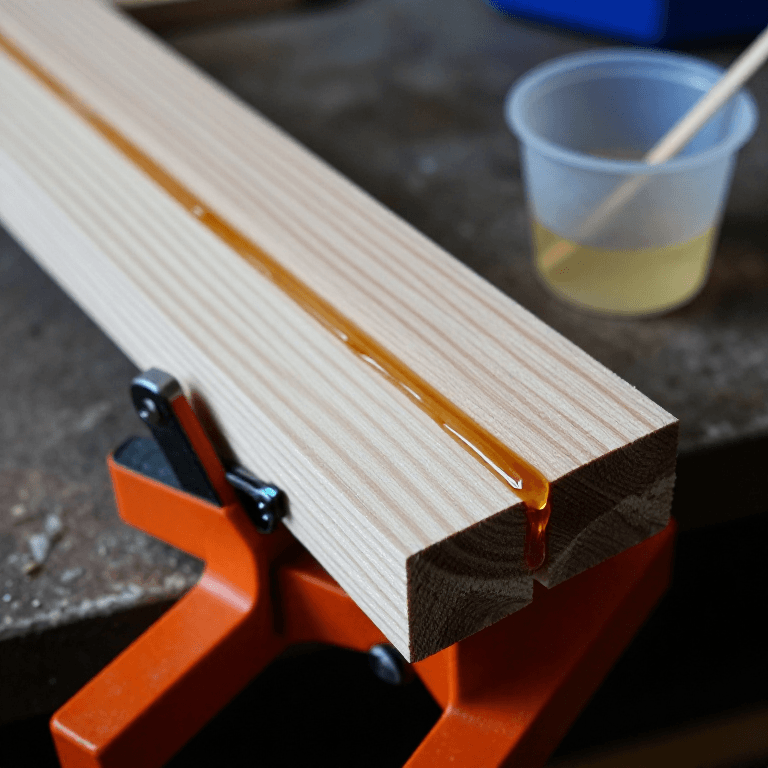
Carleton Ellis, one of the most prolific American inventors of his time, found that a polyester made with maleic acid - which leaves a reactive double bond in every repeat - could be dissolved in a liquid monomer such as styrene and then cured with a catalyst into a hard solid, with no pressure and no by-product. That made it possible to soak glass fibre in a liquid and let it harden in shape: fibreglass boats, car bodies and radomes followed within a decade.
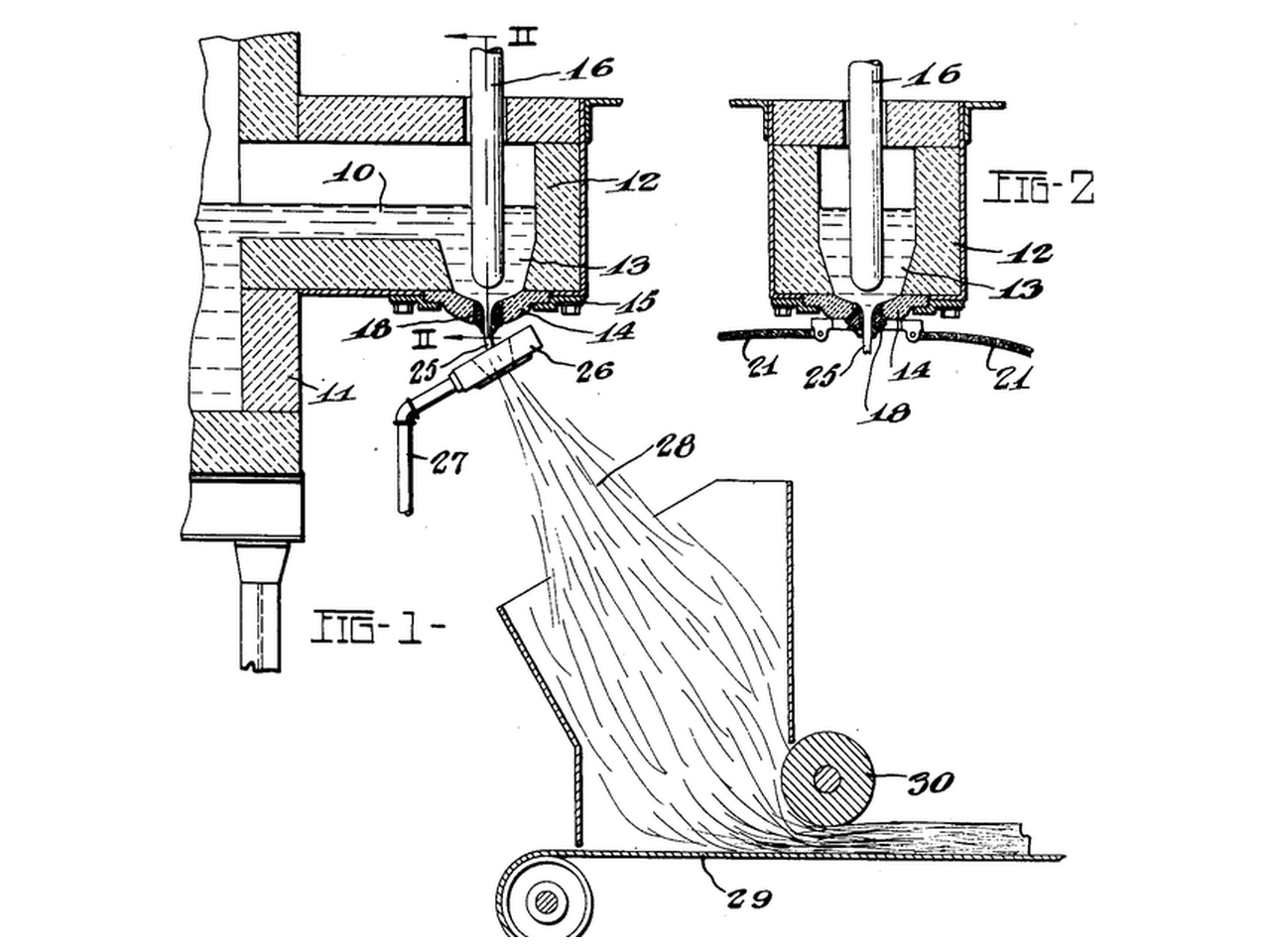
**US 2,255,313**, "Ethylenic-alpha-beta synthetic resins and process of making same", Ellis, filed 6. August 1937, granted 9. September 1941: a maleic-polyhydric-alcohol ester, "a polymerizable alpha-substituted ethylene body and a curing catalyst", with a fibrous filler.
**Hazardous: the resin gives off styrene and the catalyst (MEKP) burns eyes and skin.** Work outdoors or with strong ventilation. You lay up a two-layer fibreglass tray and weigh how much of it is glass.
Àárín
3 hours plus overnight cure
Àkóónú tó léwu
Blueprint yii ni awọn ilana ti o lewu. Wọle ki o mu akoonu ti o lewu ṣiṣẹ ninu awọn eto akaunti rẹ lati wo awọn itọnisọna igbesẹ-nipasẹ-igbesẹ.
WọléÌtọ́nisọ́nà yìí ń ṣe

Blueprint tó jọra
Àwọn blueprint wọ̀nyí pín ìmọ̀ — ọ̀nà, ohun-èlò tàbí ìlànà


CC0 Àgbègbè Gbogbogbò
Blueprint yìí ti jáde lábẹ́ CC0. O lè ṣe àdàkọ, yí padà, pín, àti lò láìsí ìyọ̀ǹda.
Ṣàtìlẹ́yìn Olùṣẹ́dá nípa rírà àwọn ọjà nipasẹ̀ Blueprint wọn Ẹ̀san Olùṣẹ́dá tí àwọn Olùtajà gbé kalẹ̀, tàbí ṣẹ̀dá àtúnṣe tuntun ti Blueprint yìí kí o sì fi sínú Blueprint rẹ gẹ́gẹ́ bí ìsopọ̀ láti pín owó-wíwọlé.