IṢẸ́ ỌNÀ
ẸWÀ ÀTI ÌLERA
IṢẸ́ ỌWỌ́
ÀṢÀ ÀTI ÌTÀN
ÌṢERÉ
ÀYÍKÁ
OÚNJẸ ÀTI OHUN MÍMU
REVERSE ENGINEERING
SÁYẸ́ǸSÌ
ERÉ ÌDÁRAYÁ
ÌMỌ̀-Ẹ̀RỌ
ÀWỌN OHUN WÍWỌ̀
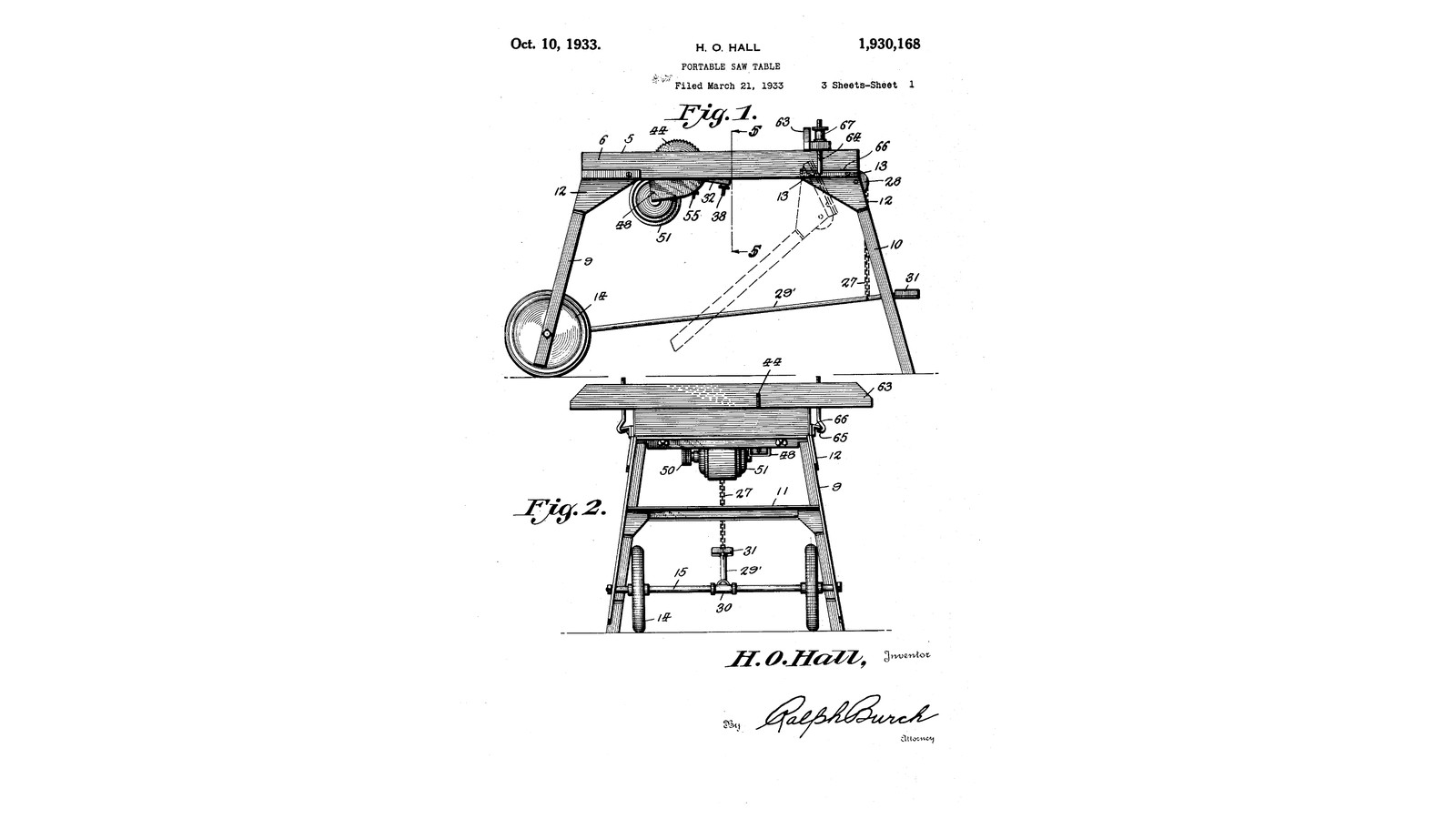

Foot-Fed Carriage Saw Table: The Saw Rides on Balls Under the Table, a Foot Lever Pulls It Through the Work (Hall, 1933)
Harry O. Hall of Murray, Utah, received US 1,930,168, dated 10 October 1933, for a portable saw table where the saw moves and the work stays still. The saw and its motor hang from a carriage under the top. The carriage rolls on balls in V-shaped tracks in a straight line. A foot lever pulls it back through a board held against the fence, and springs bring it forward again. Nuts on a hanging stem set the depth, and a spring under the motor keeps the belts tight. The table rolls on wheels and its back legs fold.
The patent gives no sizes; every size here is ours, and our top is plywood where his is folded sheet metal.
Ilọsíwájú
About 1 week
Ìlànà
1
1
The foot lever, the travel and the cut
The foot lever, the travel and the cut
Ń ṣí ìwé Jupyter…
2
2
Read US 1,930,168
Read US 1,930,168
"The movable saw carriage is mounted to freely move longitudinally of the table in a straight line and is moved into engagement with the piece of work held in position by the work fence, when the lever 29' is depressed by the foot."
3
3
Table and legs
Table and legs
Make the top 5 of 18 mm plywood 1000 x 600 mm with pine aprons 6, 7 round it, and cut a slot 47 12 mm wide and 500 mm long down its middle. Fix four pine legs 9, 10 splayed outwards at the corners with braces 11 and plywood gussets 12, the top 850 mm high; bolt the rear legs' gussets with one bolt each as a pivot and a second removable bolt, so they fold. Put an axle 15 between the front legs with a wheel 14 on each end.
Àwọn ohun èlò fún ìgbésẹ̀ yìí:
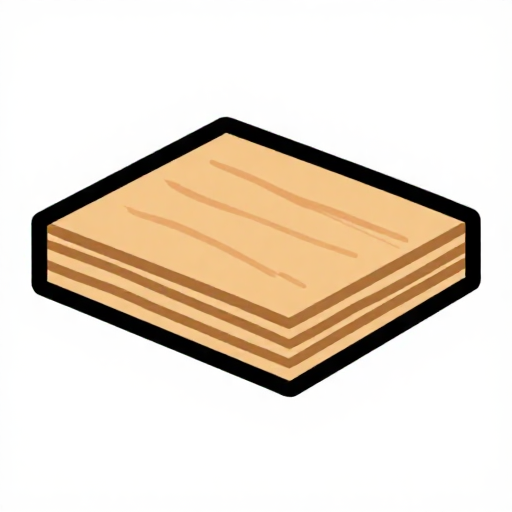 Àwo igi tí a lẹ̀ pọ̀1 ẹyọ
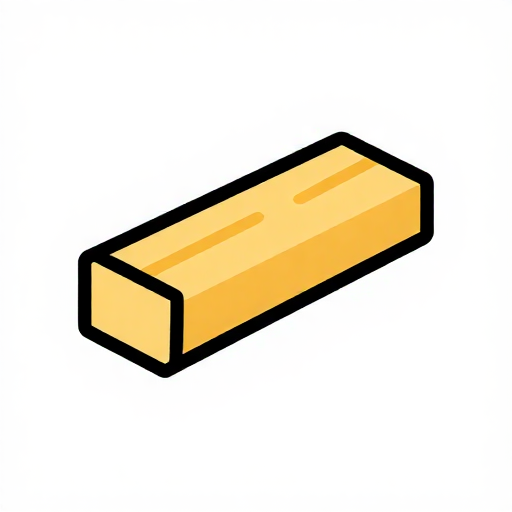 Igi pine6 ẹyọ
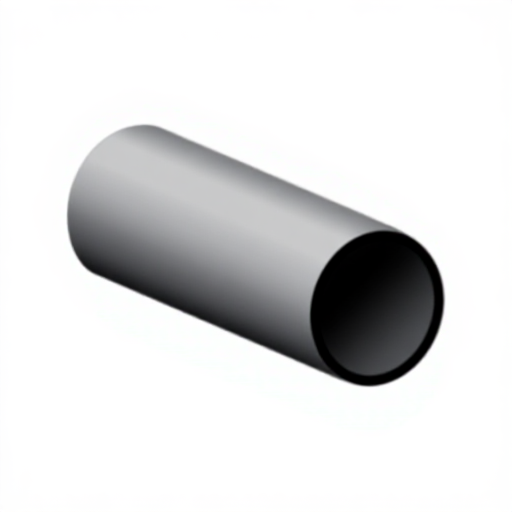 Ọ̀pá rírọ irin rírọ̀1 ẹyọ
 Àkójọ kẹ̀kẹ́ rọ́bà1 ẹyọ
 Bọ́ọ̀tù orí róbótó8 ẹyọ
 Ìṣó igi40 ẹyọ
 Ìdìpọ̀ Igi1 ẹyọ
Àwọn irinṣẹ́ tí a nílò:
 Ayùn Jígísò
 Ẹ̀rọ Ìlùkòkò Aláìlókùn
 Àkójọ Orí Ìlùkòkò
 Ìdìmú oní-ọ̀pá
 Igun Àpapọ̀
 Okùn Ìdíwọ̀n
4
4
Tracks and carriage
Tracks and carriage
Screw a pine rail 22 along each side under the top and bolt a length of steel angle on it, V upwards, as the track 21. Make the carriage of two more angles 16, V downwards over the tracks, joined near each end by a cross bolt 17 with nuts 19 either side of each angle, so their spacing can be set. Under each end of each carriage angle, between the bolt and a small steel lug 23 bolted inside the angle, put a 10 mm steel ball 20 to roll in the track. Hook two springs 24 from the front wall of the top to the front cross bolt.
Àwọn ohun èlò fún ìgbésẹ̀ yìí:
Igi pine1 ẹyọ Irin igun ti irin rírọ̀2 ẹyọ
 Àkójọ bọ́ọ̀lù onígun mẹ́fà12 ẹyọ
 Ọ̀pá oníṣọ̀kan1 ẹyọ
 Nọ́ọ̀tì Onígun Mẹ́fà8 ẹyọ
 Ọ̀pá Pẹrẹsẹ Irin Pẹ́lẹ́1 ẹyọ
 Bọ́ọ̀lù ìyípo1 ẹyọ
 Orísun ìfà2 ẹyọÌṣó igi16 ẹyọ
Àwọn irinṣẹ́ tí a nílò:
 Ayùn Irin
 Ẹ̀rọ ìlọ̀ onígun
 Ẹ̀rọ Ìlùkòkò OnídúróÀkójọ Orí Ìlùkòkò
 Àkójọ Ìfá
 Ìdìmú Tábìlì
 Kọ́kọ́rọ́ tí a lè ṣàtúnṣe
 Gíláàsì ààbò
5
5
Foot lever and chain
Foot lever and chain
Pivot a hardwood foot lever 29' on the front axle, reaching back along the floor, with a pedal 31 on its free end. Fix a pulley 28 on a shaft 29 between the rear legs. Run a chain 27 from the rear cross bolt of the carriage over the pulley and down to the lever, fixed 450 mm from its pivot. Pressing the pedal pulls the carriage back; letting go, the springs return it.
Àwọn ohun èlò fún ìgbésẹ̀ yìí:
 Pátákó Igi Líle1 ẹyọ
 Kẹ̀kẹ́ okùn1 ẹyọỌ̀pá rírọ irin rírọ̀1 ẹyọ
 Ẹ̀wọ̀n onírọ́là1 ẹyọÀkójọ bọ́ọ̀lù onígun mẹ́fà3 ẹyọ
Àwọn irinṣẹ́ tí a nílò:
Ayùn JígísòẸ̀rọ Ìlùkòkò AláìlókùnÀkójọ Orí ÌlùkòkòAyùn IrinKọ́kọ́rọ́ tí a lè ṣàtúnṣe6
6
Saw frame, arbor and shield
Saw frame, arbor and shield
Bolt a rectangle of steel angle as the saw frame 32. Hang one end on the rear cross bolt between two collars 33 with set screws 34, so it can be slid sideways. On the front cross bolt put a sleeve 35 between collars 36 with a threaded stem 38 hanging from it, through a hole 39 in the frame's end, with a clamping nut 40 above and below: these set the saw's height. Bolt two flange bearings 42 across the frame and fit a 30 mm arbor 43 turned with a collar, a loose flange and an M20 thread; put the 250 mm blade on one end, centred under the slot, and a V-belt pulley 49 on the other. Bend a sheet steel shield 48 round the lower half of the blade and bolt it to the frame.
Àwọn ohun èlò fún ìgbésẹ̀ yìí:
Irin igun ti irin rírọ̀1 ẹyọỌ̀pá rírọ irin rírọ̀2 ẹyọ Ìsúrù ìdúró olójú kòtò4 ẹyọỌ̀pá oníṣọ̀kan1 ẹyọNọ́ọ̀tì Onígun Mẹ́fà4 ẹyọ
 Bẹ́ríìngì onífíláǹjì2 ẹyọ
 Circular Saw Blade Set1 ẹyọ
 Pọ́lì fún ìgbànú V (ẹ̀ka A)1 ẹyọ
 Ìwé Irin Pẹ́lẹ́1 ẹyọÀkójọ bọ́ọ̀lù onígun mẹ́fà10 ẹyọ
Àwọn irinṣẹ́ tí a nílò:
Ayùn IrinẸ̀rọ ìlọ̀ onígunẸ̀rọ Ìlùkòkò OnídúróÀkójọ Orí Ìlùkòkò Ìtò irinṣẹ́ ìgé ihá
 Ìdìmú ìyí ihá inú
 Ẹ̀rọ Ìyí Irin
 Ìmú ẹ̀rọ ìyípo oníka mẹ́ta
 Ohun ìgé ẹ̀rọ ìyí
 Òṣùwọ̀n Kálípà Díjítà Ìnṣì 6
 Ìlàǹkàn irinÌdìmú TábìlìKọ́kọ́rọ́ tí a lè ṣàtúnṣe
 Ìdìpọ̀ kọ́kọ́rọ́ igun mẹ́fà
7
7
Motor frame
Motor frame
Bolt a shorter angle frame 53 inside the saw frame, pivoted on the same rear cross bolt, and bolt the motor 51 under it with a V-belt pulley 50 in line with the arbor's. Hang its free end from a bolt 55 off a sleeve 56 on a rod 57 across the saw frame, with a spring 61 and washer 62 on the bolt above the motor frame and a nut 59 below. Fit the belt 52 and set its tension with the nut. Have the motor wired to a switch at the front.
Àwọn ohun èlò fún ìgbésẹ̀ yìí:
Irin igun ti irin rírọ̀1 ẹyọ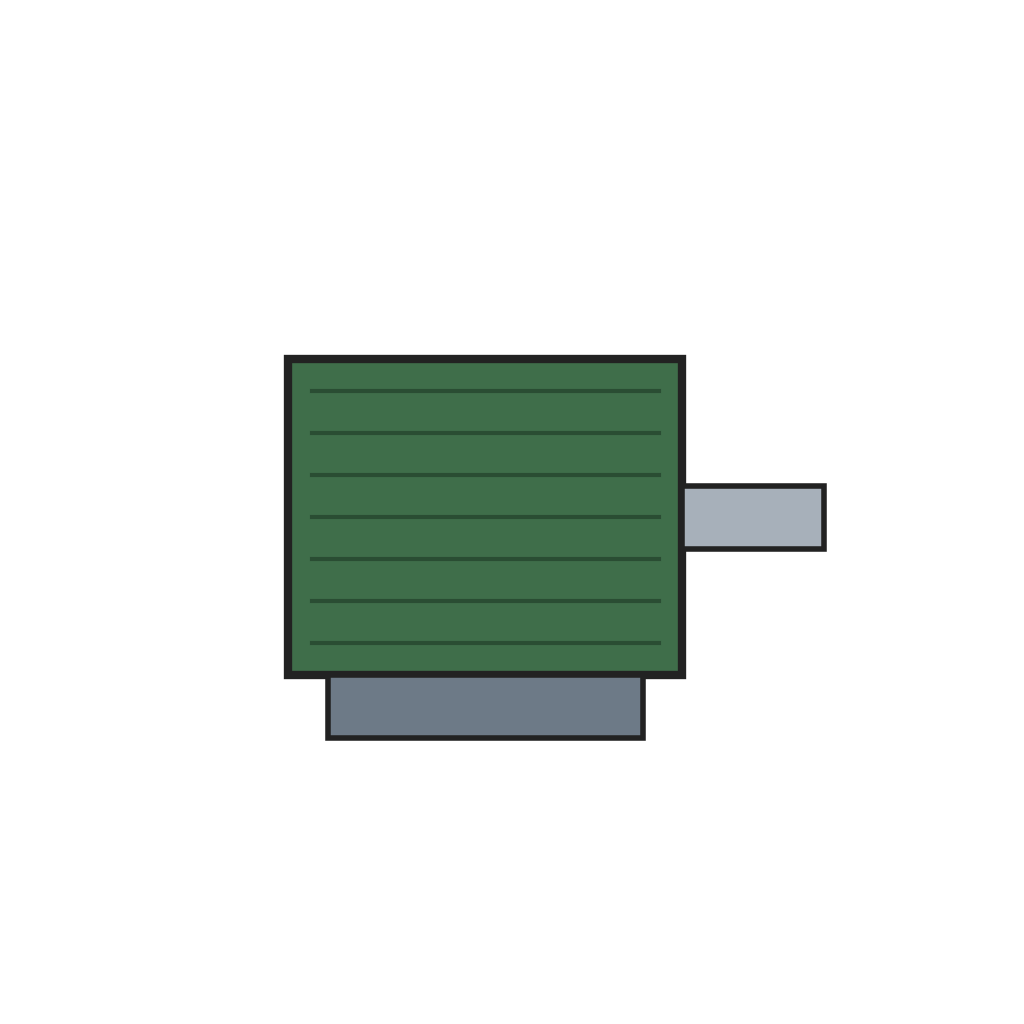 Mọ́tò iná mànàmáná1 ẹyọPọ́lì fún ìgbànú V (ẹ̀ka A)1 ẹyọ
 Okùn V (ìpín A)1 ẹyọỌ̀pá rírọ irin rírọ̀1 ẹyọỌ̀pá oníṣọ̀kan1 ẹyọ
 Coil Spring1 ẹyọ
 Wáṣà Pẹrẹsẹ2 ẹyọNọ́ọ̀tì Onígun Mẹ́fà2 ẹyọÀkójọ bọ́ọ̀lù onígun mẹ́fà6 ẹyọ
 Switch ìtàn/ìpa1 ẹyọ
Àwọn irinṣẹ́ tí a nílò:
Ayùn IrinẸ̀rọ Ìlùkòkò OnídúróÀkójọ Orí ÌlùkòkòKọ́kọ́rọ́ tí a lè ṣàtúnṣeÌdìpọ̀ kọ́kọ́rọ́ igun mẹ́fà8
8
Fence and first cut
Fence and first cut
Fix a hardwood fence 63 across the top near its rear end, standing past both sides, held by hook bolts 64 that hook under steel flanges 66 screwed to the gussets, with nuts 67. Set the blade 10 mm above the board's thickness with the stem's nuts. Hold a board against the fence, start the motor and press the pedal: the saw comes back through the board. Let the pedal up and it returns.
Àwọn ohun èlò fún ìgbésẹ̀ yìí:
Pátákó Igi Líle1 ẹyọỌ̀pá oníṣọ̀kan1 ẹyọNọ́ọ̀tì Onígun Mẹ́fà2 ẹyọỌ̀pá Pẹrẹsẹ Irin Pẹ́lẹ́1 ẹyọÌṣó igi8 ẹyọÀwọn irinṣẹ́ tí a nílò:
Ayùn JígísòẸ̀rọ Ìlùkòkò AláìlókùnÀkójọ Orí ÌlùkòkòIgun Àpapọ̀Gíláàsì ààbò Ààbò etí (ìbòjú etí, SNR 30 dB)
9
9
Troubleshooting
Troubleshooting
Carriage saw troubleshooting.
Flow
Loading...
10
10
History and honest limits
History and honest limits
**Harry O. Hall** of Murray, Utah, US 1,930,168, dated 10 October 1933, filed 21 March 1933. He claimed a top with a longitudinal slot, "a traveling carriage mounted beneath said top and movable longitudinally thereof", a saw frame pivoted on one cross bar and hung from the other on a stem with nuts above and below, and a motor frame hung from the saw frame on a bolt with a spring. His top is folded sheet metal on splayed legs; ours is plywood on pine. His balls are confined between the cross bolts and lugs; ours the same, in steel angle. He gives no sizes; every size here is ours.
Àwọn ohun-èlò
27- 1 ẹyọÀyè
- 6 ẹyọÀyè
- 2 ẹyọÀyè
- 1 ẹyọÀyè
- 8 ẹyọÀyè
- 64 ẹyọÀyè
- 1 ẹyọÀyè
- Àyè
- Àyè
- 1 ẹyọÀyè
- 16 ẹyọÀyè
- Àyè
- 1 ẹyọÀyè
- 2 ẹyọÀyè
- 1 ẹyọÀyè
- 1 ẹyọÀyè
- 1 ẹyọÀyè
- Àyè
- 2 ẹyọÀyè
- Àyè
- Àyè
- 1 ẹyọÀyè
- 1 ẹyọÀyè
- 1 ẹyọÀyè
- 1 ẹyọÀyè
- 2 ẹyọÀyè
- 1 ẹyọÀyè
Àwọn irinṣẹ́ tó nílò
22- 1 vendor sell this, none ship to you yetÀyè
- 1 vendor sell this, none ship to you yetÀyè
- Àyè
- 1 vendor sell this, none ship to you yetÀyè
- Àyè
- 1 vendor sell this, none ship to you yetÀyè
- Àyè
- Àyè
- Àyè
- Àyè
Ìtọ́nisọ́nà yìí ń ṣe
Blueprint tó jọra
Àwọn blueprint wọ̀nyí pín ìmọ̀ — ọ̀nà, ohun-èlò tàbí ìlànà
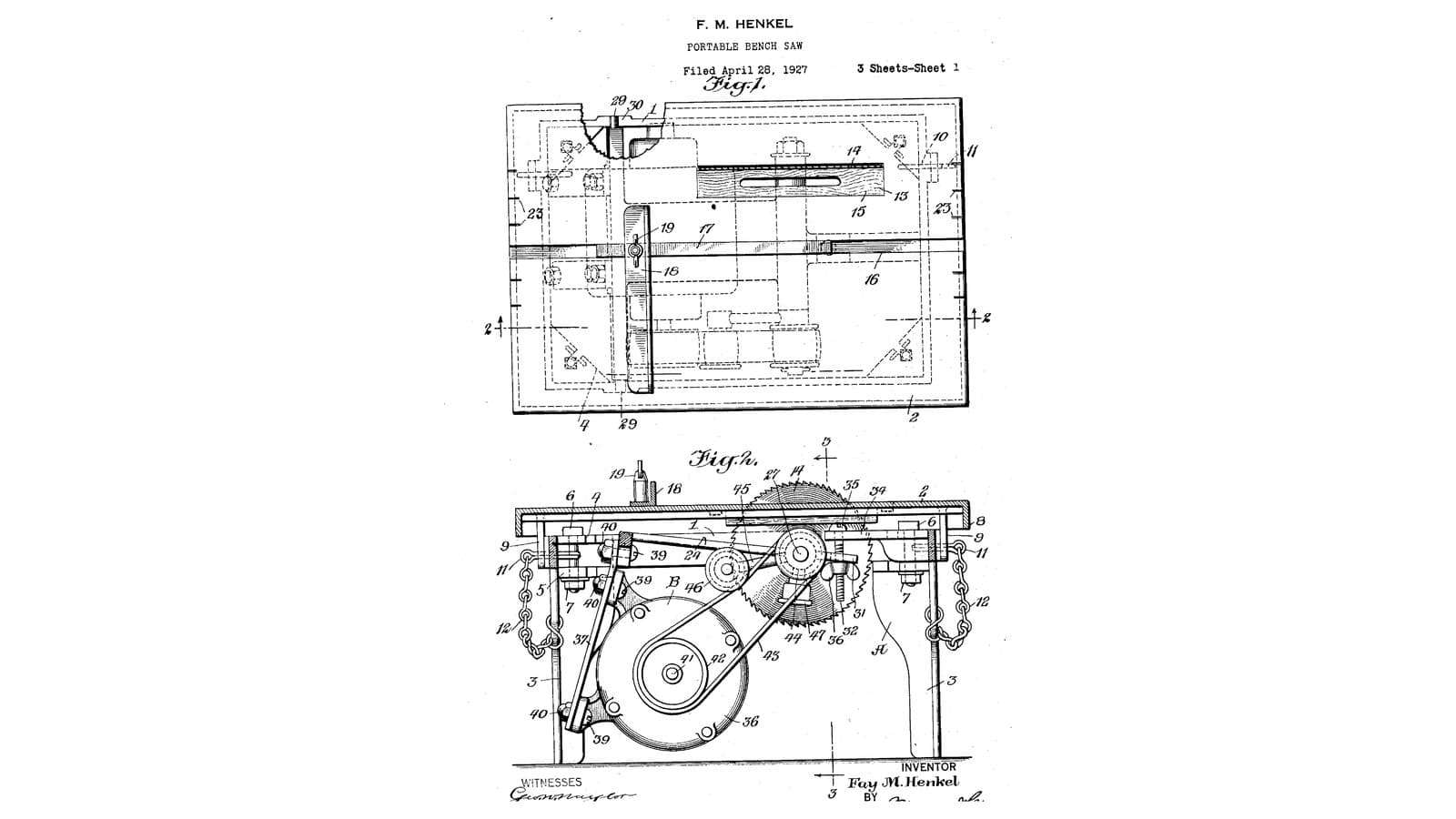
Portable Bench Saw: A Lift-Out Power Unit on Trunnions, Its Motor on Spring Bars, Under a Tilting Platform (Henkel, 1928)
láti ọwọ́ Forge
Iṣẹ́ Igi
16
0
0
0
0
0
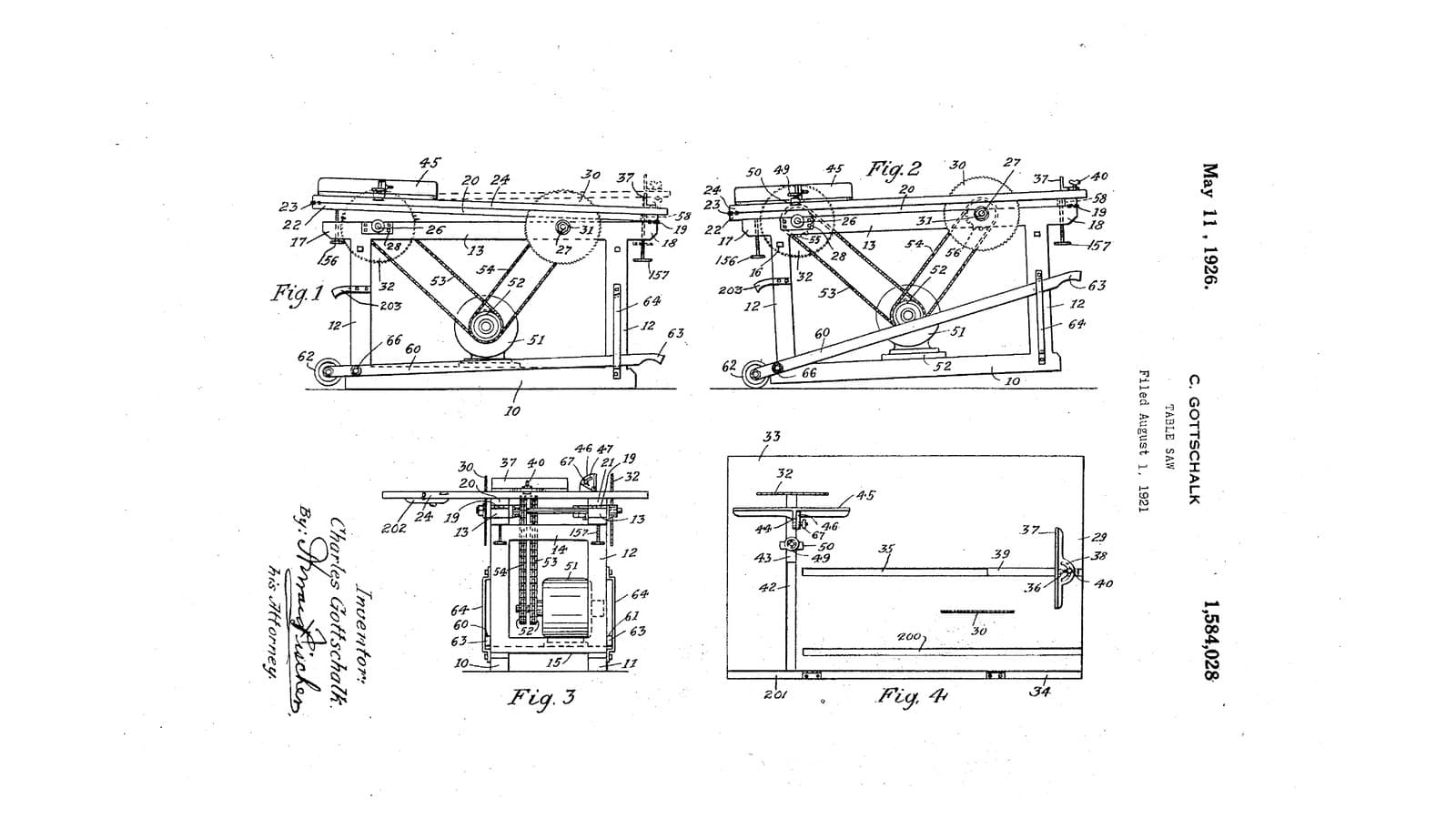
Twin-Saw Table: A Rip Saw and a Crosscut Saw at Opposite Corners, One Motor, Each Depth Set by Tilting the Top (Gottschalk, 1926)
láti ọwọ́ Forge
Iṣẹ́ Igi
10
0
0
0
0
0
CC0 Àgbègbè Gbogbogbò
Blueprint yìí ti jáde lábẹ́ CC0. O lè ṣe àdàkọ, yí padà, pín, àti lò láìsí ìyọ̀ǹda.
Ṣàtìlẹ́yìn Olùṣẹ́dá nípa rírà àwọn ọjà nipasẹ̀ Blueprint wọn Ẹ̀san Olùṣẹ́dá tí àwọn Olùtajà gbé kalẹ̀, tàbí ṣẹ̀dá àtúnṣe tuntun ti Blueprint yìí kí o sì fi sínú Blueprint rẹ gẹ́gẹ́ bí ìsopọ̀ láti pín owó-wíwọlé.