IṢẸ́ ỌNÀ
ẸWÀ ÀTI ÌLERA
IṢẸ́ ỌWỌ́
ÀṢÀ ÀTI ÌTÀN
ÌṢERÉ
ÀYÍKÁ
OÚNJẸ ÀTI OHUN MÍMU
REVERSE ENGINEERING
SÁYẸ́ǸSÌ
ERÉ ÌDÁRAYÁ
ÌMỌ̀-Ẹ̀RỌ
ÀWỌN OHUN WÍWỌ̀
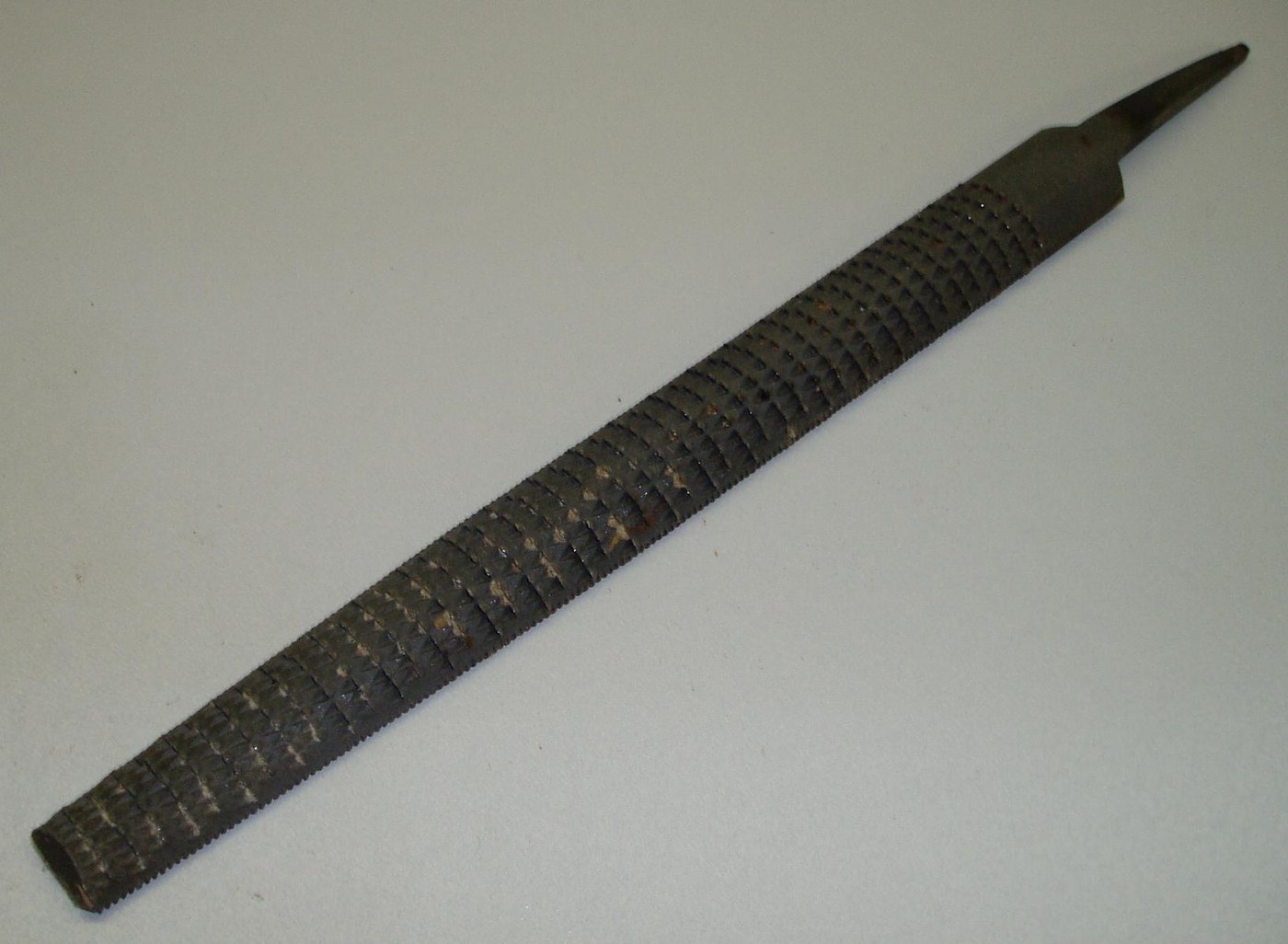


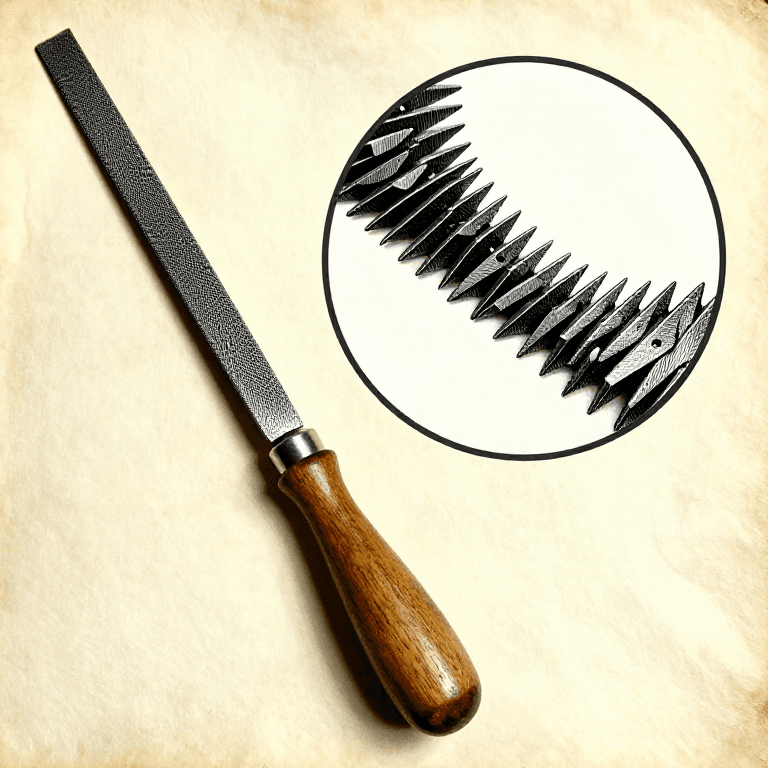
Rasps: Teeth Raised One at a Time with a Pointed Punch
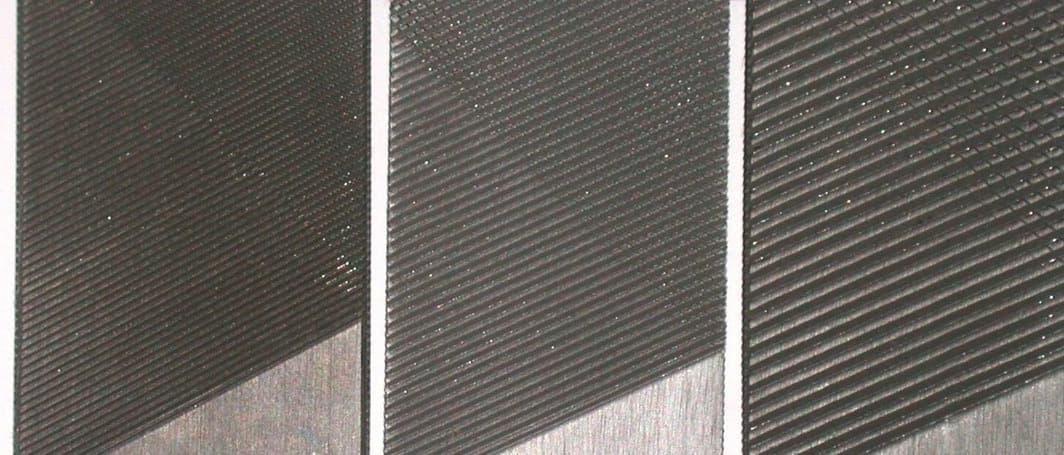
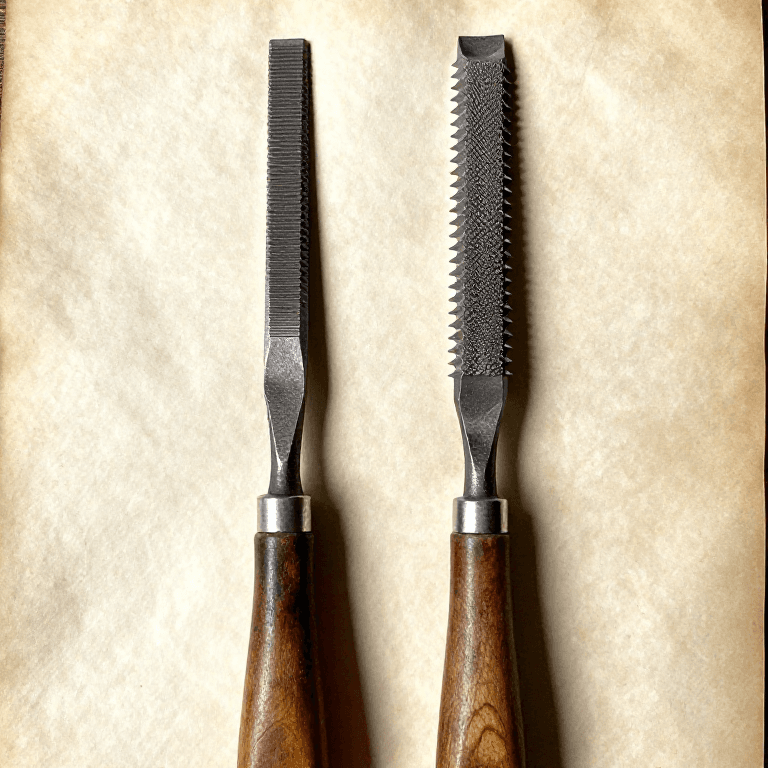
A rasp is a coarse file whose teeth stand separately instead of in continuous rows. Each tooth is raised by driving a pointed punch into the face of the blank at uniform distances. Because the teeth stand apart, a rasp clogs less than a cut file on soft material such as wood or a horse's hoof. The blank is forged, annealed and ground like a file blank, and the finished rasp is hardened like a file: coated against scale, brought to a dull red heat and plunged into water, with the tang tempered so it will not snap. Machine-made rasps have uniformly stamped teeth, which line up row behind row and leave deeper marks; slightly uneven hand-cut teeth avoid this.
Ilọsíwájú
2 days (annealing overnight)
Ìlànà
1
1
Forge the blank
Forge the blank
Forge the steel to a tapered bar, flat, round or half-round, with a narrow pointed tang at one end.
Àwọn ohun èlò fún ìgbésẹ̀ yìí:
 Ìdìpọ̀ irin tí ó ní carbon pọ̀0.5 kg
Àwọn irinṣẹ́ tí a nílò:
 Ìléru alágbẹ̀dẹ
 Ìdí Alágbẹ̀dẹ
 Òòlù Alágbẹ̀dẹ
 Ẹmú Alágbẹ̀dẹ
2
2
Anneal and grind
Anneal and grind
Anneal the blank soft so the teeth can be raised, then grind the faces to a smooth, clear surface.
Àwọn irinṣẹ́ tí a nílò:
Ìléru alágbẹ̀dẹ Òkúta ìfá oníkẹ̀kẹ́
3
3
Punch the teeth
Punch the teeth
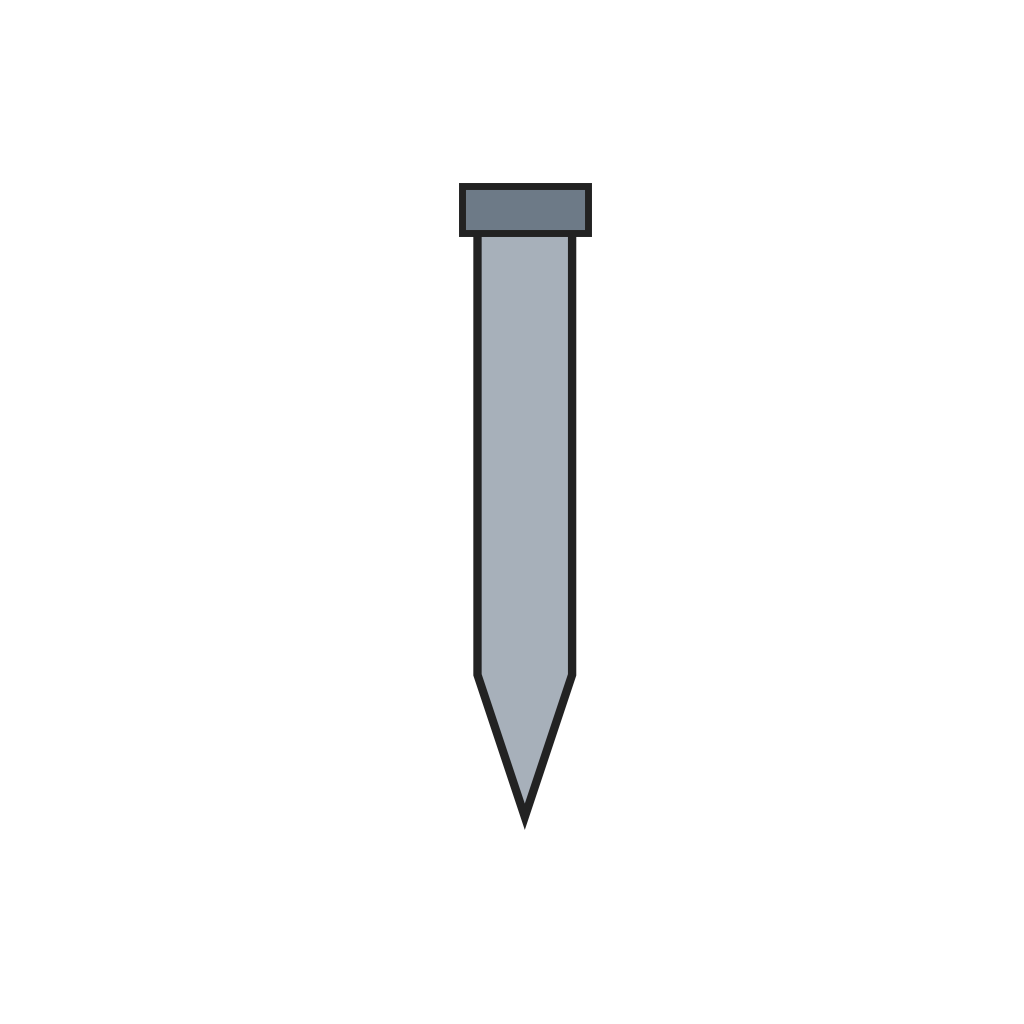
Drive the pointed punch into the face with the hammer at uniform distances, raising one separate tooth at each blow. Turn the rasp over on a soft metal plate to work the other face without crushing the finished teeth.
Àwọn irinṣẹ́ tí a nílò:
 Ìlu ayùn raspÒòlù Alágbẹ̀dẹÌdí Alágbẹ̀dẹ
 Àwo pewutà
4
4
Harden
Harden
Coat the toothed surface thickly with a salt composition against scaling, raise the rasp to a dull red heat in a clear coke fire and plunge it upright into water. If it bends, straighten it across a fulcrum before it is fully cold.
Àwọn ohun èlò fún ìgbésẹ̀ yìí:
 Iyọ̀1 kg
 Èédú metalurgi1 as required
Àwọn irinṣẹ́ tí a nílò:
Ìléru alágbẹ̀dẹ Bàkẹ́ẹ̀tìẸmú Alágbẹ̀dẹ
5
5
Temper the tang and clean
Temper the tang and clean
Temper the tang by dipping it in molten lead so it will not snap. Scour and wash off every trace of salt, then brush the rasp with oil.
Àwọn irinṣẹ́ tí a nílò:
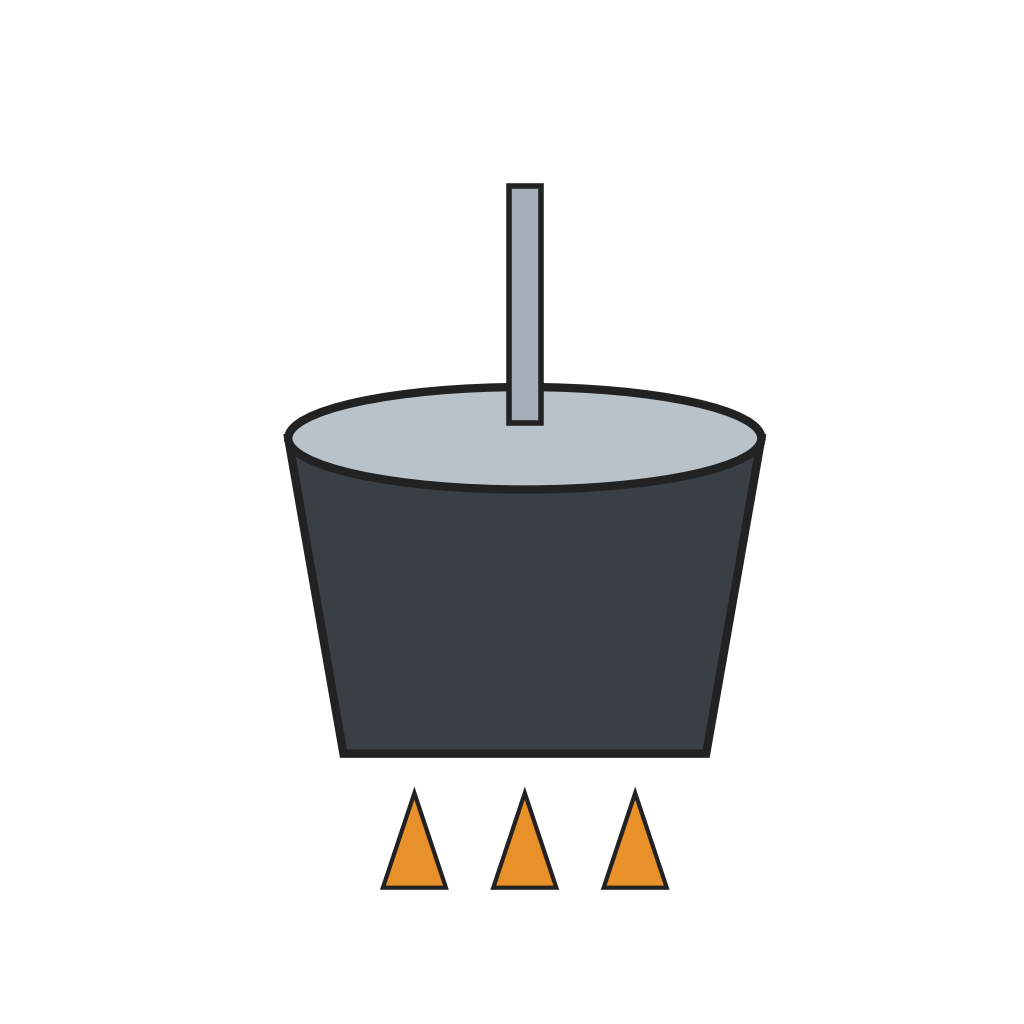 Adágún òjé yíyọ́Ẹmú Alágbẹ̀dẹ
Àwọn ohun-èlò
3- Àyè
- 1 kgÀyè
- 1 as requiredÀyè
Àwọn irinṣẹ́ tó nílò
9- Àyè
- Àyè
Ìtọ́nisọ́nà yìí ń ṣe
Blueprint tó jọra
Àwọn blueprint wọ̀nyí pín ìmọ̀ — ọ̀nà, ohun-èlò tàbí ìlànà
CC0 Àgbègbè Gbogbogbò
Blueprint yìí ti jáde lábẹ́ CC0. O lè ṣe àdàkọ, yí padà, pín, àti lò láìsí ìyọ̀ǹda.
Ṣàtìlẹ́yìn Olùṣẹ́dá nípa rírà àwọn ọjà nipasẹ̀ Blueprint wọn Ẹ̀san Olùṣẹ́dá tí àwọn Olùtajà gbé kalẹ̀, tàbí ṣẹ̀dá àtúnṣe tuntun ti Blueprint yìí kí o sì fi sínú Blueprint rẹ gẹ́gẹ́ bí ìsopọ̀ láti pín owó-wíwọlé.