IṢẸ́ ỌNÀ
ẸWÀ ÀTI ÌLERA
IṢẸ́ ỌWỌ́
ÀṢÀ ÀTI ÌTÀN
ÌṢERÉ
ÀYÍKÁ
OÚNJẸ ÀTI OHUN MÍMU
REVERSE ENGINEERING
SÁYẸ́ǸSÌ
ERÉ ÌDÁRAYÁ
ÌMỌ̀-Ẹ̀RỌ
ÀWỌN OHUN WÍWỌ̀
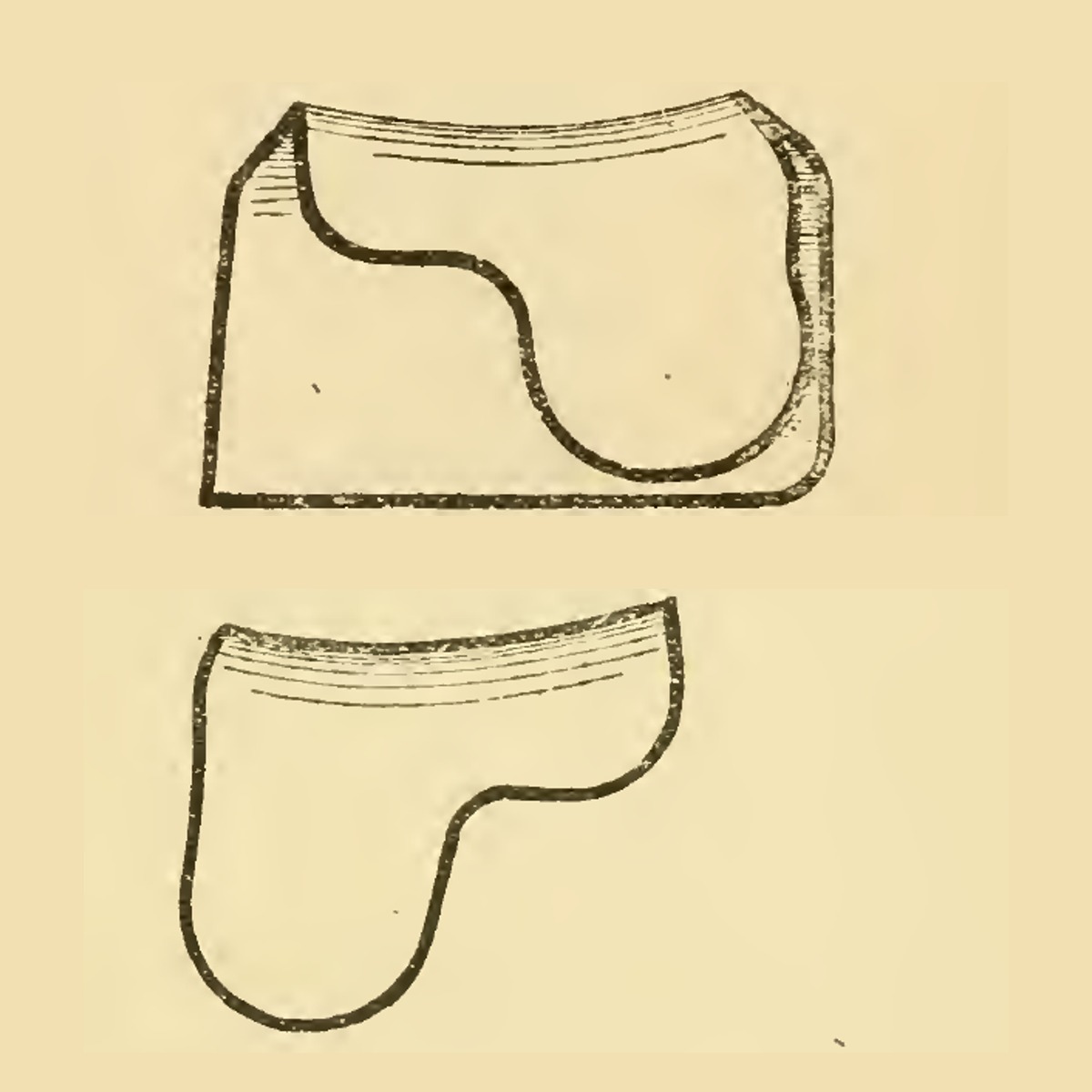


Felt Saddle Cloth (Numnah): Two Pieces Whip-Stitched and Bound in Coloured Cloth (Hasluck, Saddlery, 1904)
A saddle cloth goes under the saddle to protect the horse's back and the saddle panel by soaking up sweat. This is the felt saddle cloth from Paul N. Hasluck's Saddlery (1904), the army's numnah: two pieces of felt cut to the saddle's shape but a little larger, whip-stitched together and bound in red, yellow or blue cloth. He gives no sizes; they come from your saddle.
Olùbẹ̀rẹ̀
About 3 hours
Ìlànà
1
1
Read Saddlery, ch. V
Read Saddlery, ch. V
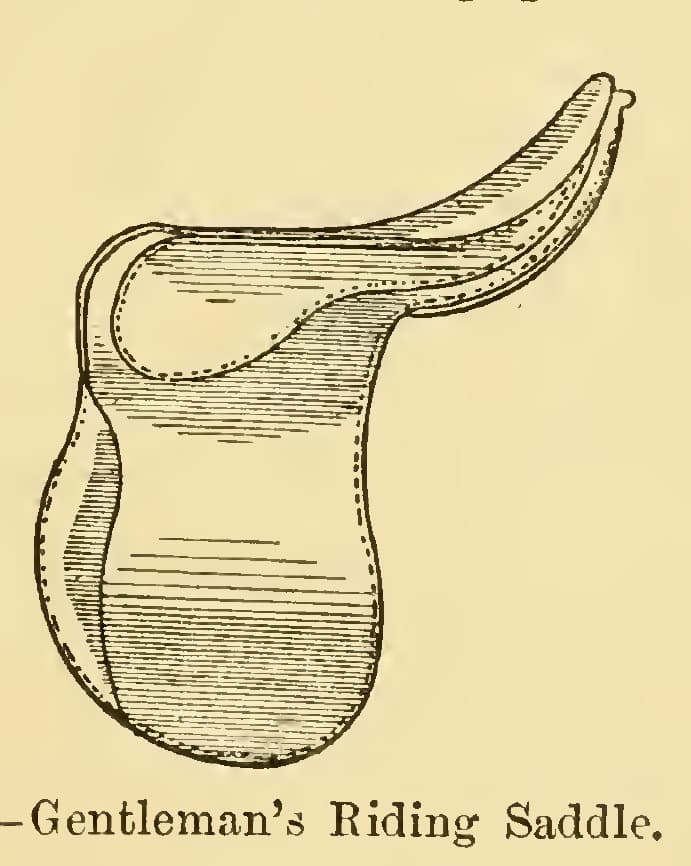
"As a rule, saddle-cloths (Figs. 16 and 17) are made of felt in the same shape as the saddle, but a little larger." In the army they are called numnahs; he says felt "is certainly the best material to use for the purpose, but kersey, cloth, and holland have been commonly employed."
2
2
Cut the two pieces
Cut the two pieces
Lay the saddle on the felt and mark round it a little larger (marking round the saddle is our way; he gives only the rule). Cut the cloth in two pieces, one for each side, with a small curve at the back, rising a little at each end. Felt comes in blue, brown, fawn and other colours.
Àwọn ohun èlò fún ìgbésẹ̀ yìí:
 Aṣọ irun àgùtàn tí a lẹ̀1 ẹyọ
Àwọn irinṣẹ́ tí a nílò:
 Gègé
 Ìṣẹ́ná
 Okùn Ìdíwọ̀n
3
3
Join the pieces
Join the pieces
Stitch the two pieces together with a whip stitch, then stitch a piece of binding along the joint.
Àwọn ohun èlò fún ìgbésẹ̀ yìí:
 Ìlà ìdè etí1 ẹyọ
 Òwú ọ̀gbọ̀1 ẹyọ
 Ìdí Oyin1 ẹyọ
Àwọn irinṣẹ́ tí a nílò:
 Abẹ́rẹ́ ìránṣọ awọ méjìÌṣẹ́ná
4
4
Bind the edges
Bind the edges
Bind the edges all round with red, yellow or blue cloth.
Àwọn ohun èlò fún ìgbésẹ̀ yìí:
 Aṣọ irun àgùtàn tí a ṣẹ̀ṣẹ̀ hun1 ẹyọÒwú ọ̀gbọ̀1 ẹyọÌdí Oyin1 ẹyọ
Àwọn irinṣẹ́ tí a nílò:
Abẹ́rẹ́ ìránṣọ awọ méjìÌṣẹ́ná Ọ̀bẹ awọ
5
5
Using it
Using it
The cloth is shaped to go easily under the saddle. He also uses it when the stuffing of the saddle is uneven: "this is a good remedy, and one that has been used almost universally in the cavalry".
Àwọn irinṣẹ́ tí a nílò:
Okùn Ìdíwọ̀n6
6
Troubleshooting
Troubleshooting
Saddle cloth troubleshooting.
Flow
Loading...
7
7
History and honest limits
History and honest limits
From **Saddlery**, edited by Paul N. Hasluck, David McKay, 1904 (archive.org saddlery00hasl), chapter V, saddle cloths, pp. 49-50, Figs. 16-17; read on the scan. He gives no sizes, only the rule "the same shape as the saddle, but a little larger". He notes that kersey, a coarse, usually ribbed woollen cloth, was famous from Devon as far back as the fourteenth century. Marking round the saddle, the thread and tools are ours.
Àwọn ohun-èlò
5- Àyè
- 1 ẹyọÀyè
- 2 ẹyọÀyè
- 2 ẹyọÀyè
- Àyè
Ìtọ́nisọ́nà yìí ń ṣe

Blueprint tó jọra
Àwọn blueprint wọ̀nyí pín ìmọ̀ — ọ̀nà, ohun-èlò tàbí ìlànà
CC0 Àgbègbè Gbogbogbò
Blueprint yìí ti jáde lábẹ́ CC0. O lè ṣe àdàkọ, yí padà, pín, àti lò láìsí ìyọ̀ǹda.
Ṣàtìlẹ́yìn Olùṣẹ́dá nípa rírà àwọn ọjà nipasẹ̀ Blueprint wọn Ẹ̀san Olùṣẹ́dá tí àwọn Olùtajà gbé kalẹ̀, tàbí ṣẹ̀dá àtúnṣe tuntun ti Blueprint yìí kí o sì fi sínú Blueprint rẹ gẹ́gẹ́ bí ìsopọ̀ láti pín owó-wíwọlé.