IṢẸ́ ỌNÀ
ẸWÀ ÀTI ÌLERA
IṢẸ́ ỌWỌ́
ÀṢÀ ÀTI ÌTÀN
ÌṢERÉ
ÀYÍKÁ
OÚNJẸ ÀTI OHUN MÍMU
REVERSE ENGINEERING
SÁYẸ́ǸSÌ
ERÉ ÌDÁRAYÁ
ÌMỌ̀-Ẹ̀RỌ
ÀWỌN OHUN WÍWỌ̀
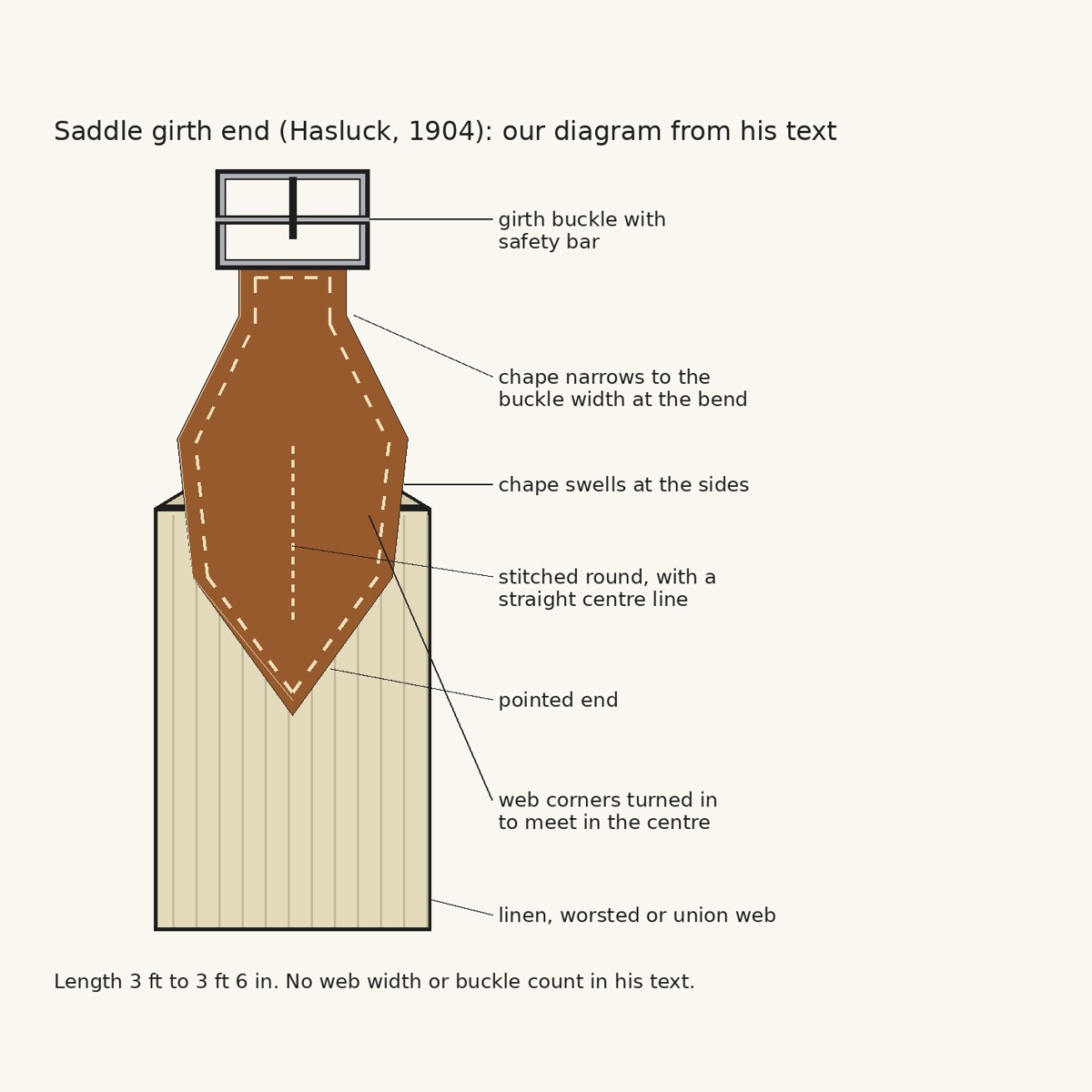

Web Saddle Girth: Pointed Leather Chapes and Safety-Bar Buckles (Hasluck, Saddlery, 1904)
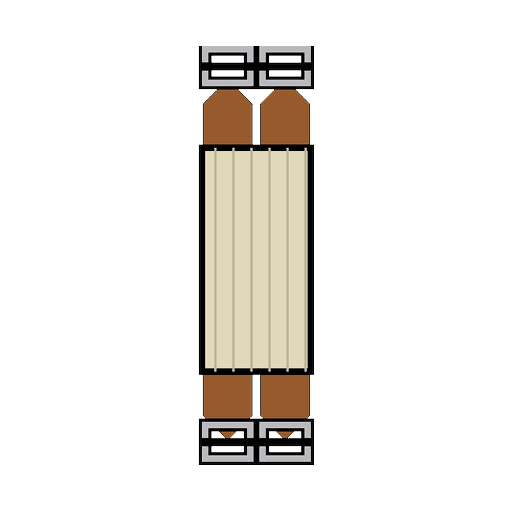
The girth goes under the horse's belly and buckles to the saddle on both sides. This is the web saddle girth from Paul N. Hasluck's Saddlery (1904): linen, worsted or union web, 3 ft to 3 ft 6 in long, with pointed leather chapes and girth buckles that have safety bars. He gives no web width; the picture is our diagram from his text.
Olùbẹ̀rẹ̀
About 3 hours
Ìlànà
1
1
His length in centimetres
His length in centimetres
Ń ṣí ìwé Jupyter…
2
2
Read Saddlery, ch. V
Read Saddlery, ch. V
"Saddle girths (Figs. 12, 13, and 14) are made of linen, worsted, or union (that is part linen and part wool); they are also made of raw hide, whipcord, and plaited brown leather. It is, however, more common to employ the first-named material."
3
3
Cut the web and the chapes
Cut the web and the chapes
Cut the web 3 ft to 3 ft 6 in long. Get girth buckles with safety bars across them. Cut the chapes pointed at the ends, swelling out at the sides and growing narrow to the width of the buckle at the top, where they bend.
Àwọn ohun èlò fún ìgbésẹ̀ yìí:
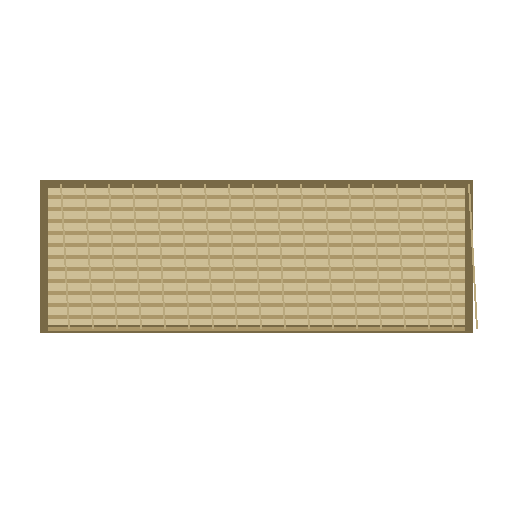 Okùn híhun ìdè ikùn1 ẹyọ
 Awọ ohun èlò ẹṣin1 ẹyọ
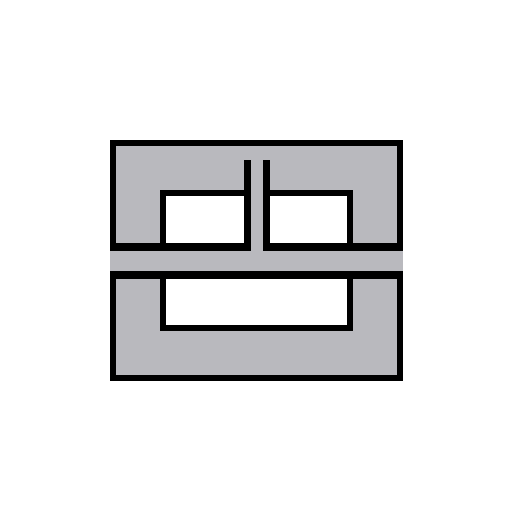 Bọ́kùlù okùn ikùn2 ẹyọ
Àwọn irinṣẹ́ tí a nílò:
 Ọ̀bẹ awọ
 Ìṣẹ́ná
 Okùn Ìdíwọ̀n
4
4
Prepare the web ends
Prepare the web ends
Stain the edges of the chapes. Turn in both corners of the web to meet in the centre, run a stitch through them to keep them down, and cut a little off the extreme point.
Àwọn ohun èlò fún ìgbésẹ̀ yìí:
 Aró awọ1 ẹyọ
 Òwú ọ̀gbọ̀1 ẹyọ
 Ìdí Oyin1 ẹyọ
Àwọn irinṣẹ́ tí a nílò:
Ọ̀bẹ awọ Abẹ́rẹ́ ìránṣọ awọ méjì
5
5
Tack and stitch the chapes
Tack and stitch the chapes
Tack the chapes and buckles in place before stitching. Always stitch the chapes round, and put a straight line in the centre to keep down the point of the turn-down; only about twelve or fifteen stitches go in the centre.
Àwọn ohun èlò fún ìgbésẹ̀ yìí:
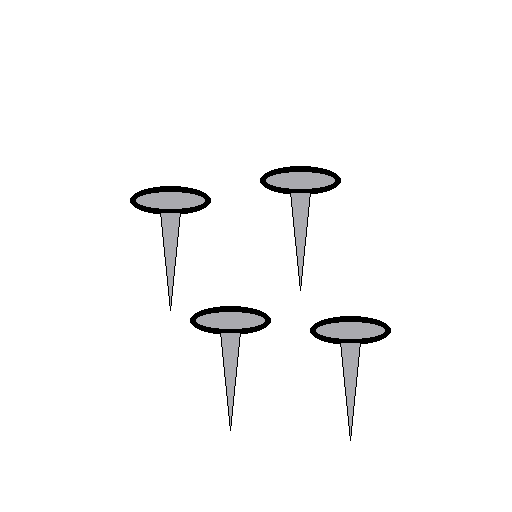 Ìṣó kékeré ìfà-mọ́-ìmọ1 ẹyọÒwú ọ̀gbọ̀1 ẹyọÌdí Oyin1 ẹyọ
Àwọn irinṣẹ́ tí a nílò:
 Òòlù
 Ọ̀kọ̀ ÌlùhòAbẹ́rẹ́ ìránṣọ awọ méjì
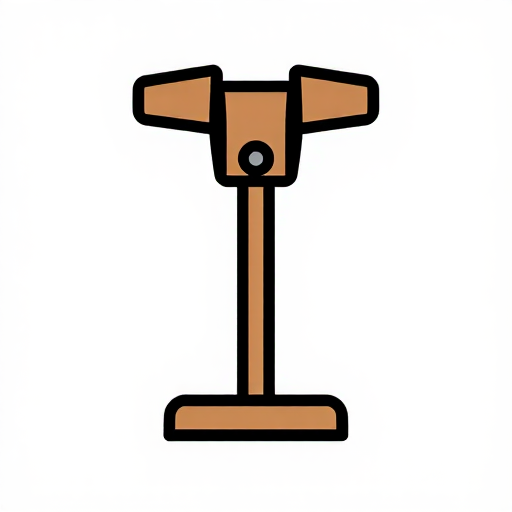 Ìmú igi fún ríran awọ
6
6
Troubleshooting
Troubleshooting
Saddle girth troubleshooting.
Flow
Loading...
7
7
History and honest limits
History and honest limits
From **Saddlery**, edited by Paul N. Hasluck, David McKay, 1904 (archive.org saddlery00hasl), chapter V, saddle girths, pp. 47-48; read on the scan. He gives no web width and does not say how many buckles go on each end; his Figs. 12-14 show cord girths, not this web girth, so the picture is our own diagram from his text. One buckle per end in the list, the thread, tools and metric figures are ours.
Àwọn ohun-èlò
7- 1 ẹyọÀyè
- 1 ẹyọÀyè
- 2 ẹyọÀyè
- 1 ẹyọÀyè
- 2 ẹyọÀyè
- 2 ẹyọÀyè
- Àyè
Ìtọ́nisọ́nà yìí ń ṣe
Blueprint tó jọra
Àwọn blueprint wọ̀nyí pín ìmọ̀ — ọ̀nà, ohun-èlò tàbí ìlànà
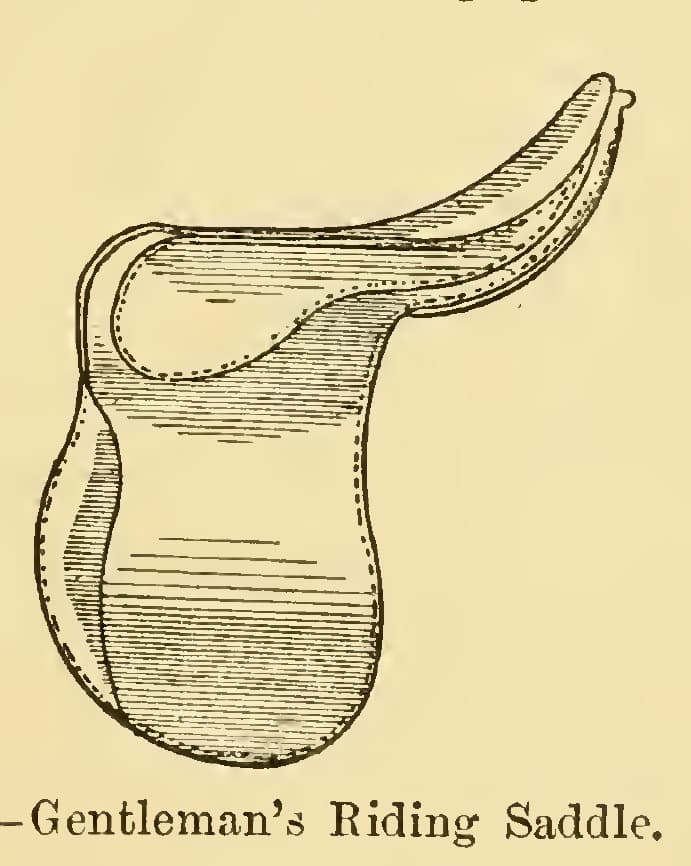
Riding Saddle: Web, Stuffed Seat, Hogskin Skirts, Knee-Pad Flaps and Quilted Panel on a Bought Tree (Hasluck, Saddlery, 1904)
láti ọwọ́ Tex
Aṣọ àti Awọ
8
0
0
0
0
0
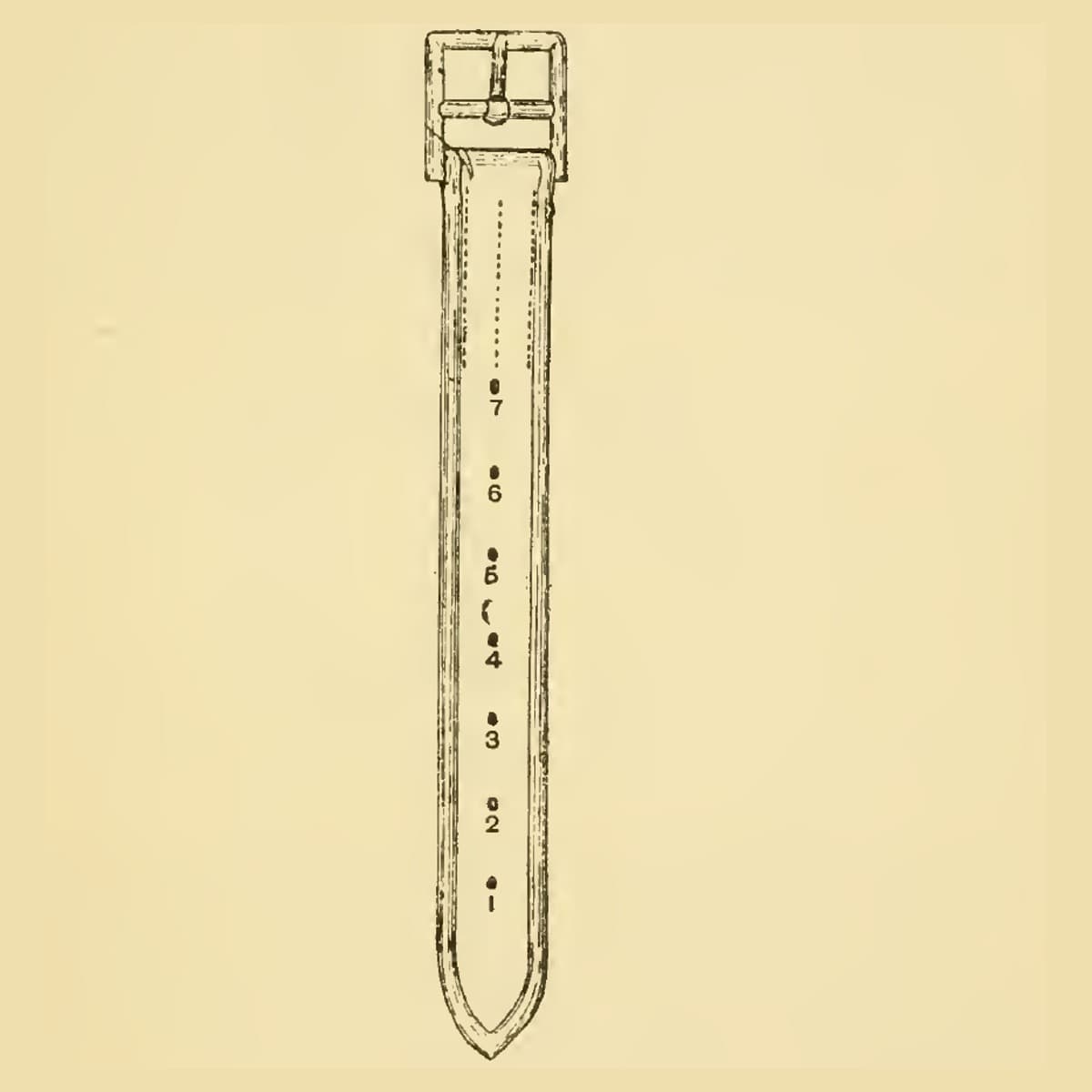
Stirrup Leathers: Middlings Straps Stitched to Stirrup Buckles, Creased on the Flesh Side (Hasluck, Saddlery, 1904)
láti ọwọ́ Tex
Aṣọ àti Awọ
8
0
0
0
0
0
CC0 Àgbègbè Gbogbogbò
Blueprint yìí ti jáde lábẹ́ CC0. O lè ṣe àdàkọ, yí padà, pín, àti lò láìsí ìyọ̀ǹda.
Ṣàtìlẹ́yìn Olùṣẹ́dá nípa rírà àwọn ọjà nipasẹ̀ Blueprint wọn Ẹ̀san Olùṣẹ́dá tí àwọn Olùtajà gbé kalẹ̀, tàbí ṣẹ̀dá àtúnṣe tuntun ti Blueprint yìí kí o sì fi sínú Blueprint rẹ gẹ́gẹ́ bí ìsopọ̀ láti pín owó-wíwọlé.