IṢẸ́ ỌNÀ
ẸWÀ ÀTI ÌLERA
IṢẸ́ ỌWỌ́
ÀṢÀ ÀTI ÌTÀN
ÌṢERÉ
ÀYÍKÁ
OÚNJẸ ÀTI OHUN MÍMU
REVERSE ENGINEERING
SÁYẸ́ǸSÌ
ERÉ ÌDÁRAYÁ
ÌMỌ̀-Ẹ̀RỌ
ÀWỌN OHUN WÍWỌ̀
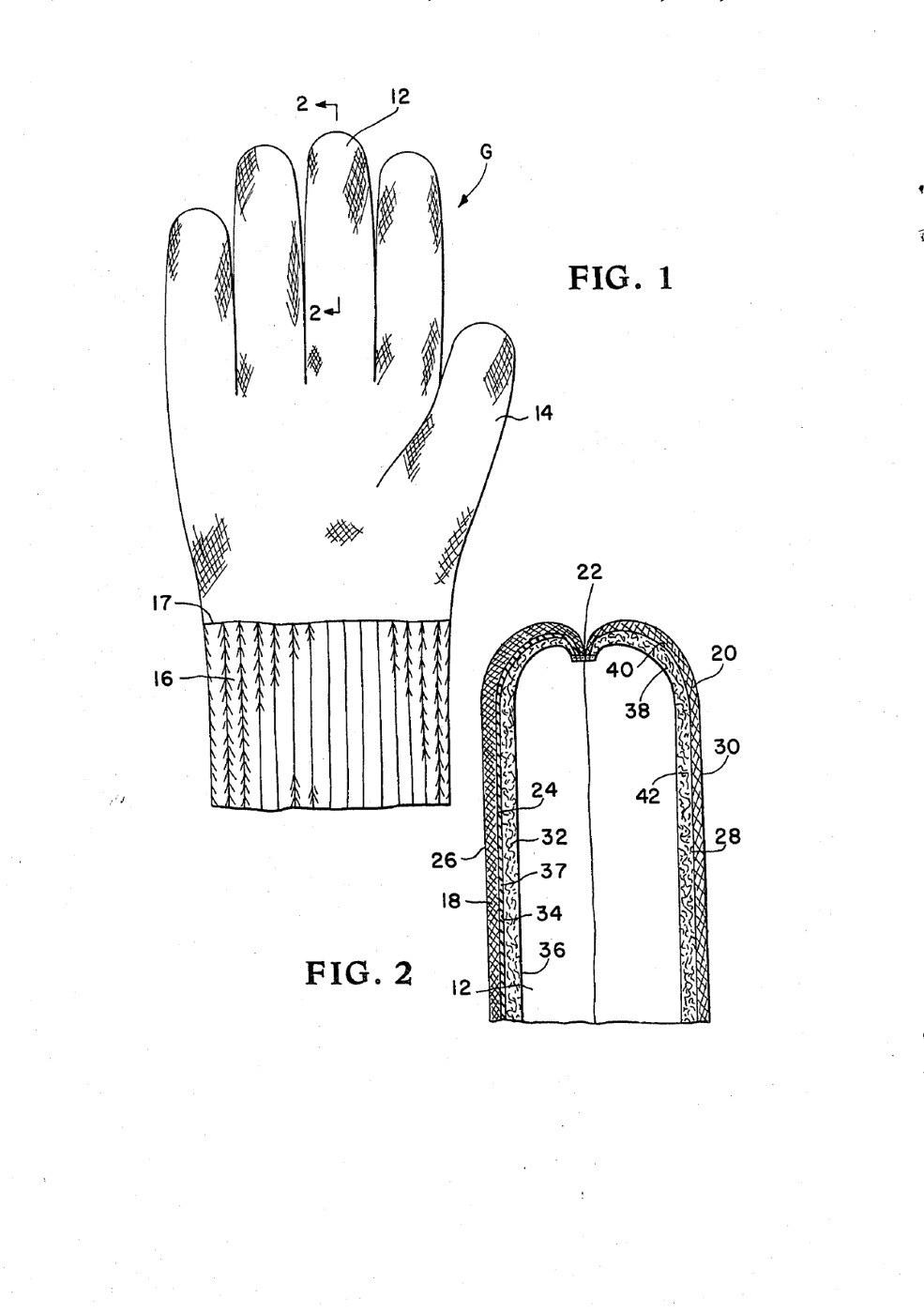


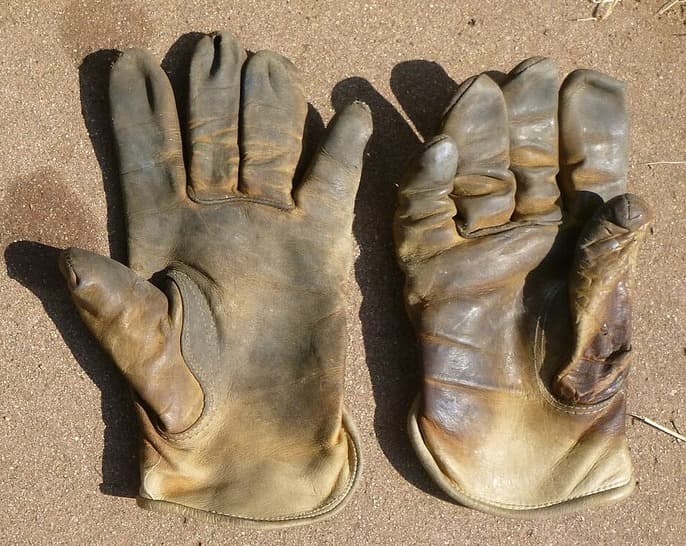
Heat-Resistant Gloves: Aramid Twill Palm, Knit Back and Felt Liners (NASA, 1984)
A heat-resistant glove made entirely of aramid fibre (Kevlar), patented by NASA for firefighters and foundry workers. The palm is a hard-wearing twill, the back a stretchy knit, and each is lined with aramid felt. A thin neoprene coat on the palm liner slows heat coming through from hot objects you grip.
Result: gloves that passed the NIOSH tests for firefighters' gloves for cuts, punctures, flame and dexterity. The patent reports 23 lb to puncture, against a 13.2 lb minimum.
Source: K. R. Sidman, R. P. Tschirch and I. J. Arons (NASA), US Patent 4,433,439 (1984). Unknown: the pattern and sizes, and how the neoprene coat is put on. Ours: the sewing tools. Picture: patent drawing.
Àárín
1 day
Ìlànà
1
1
Cut the shells
Cut the shells
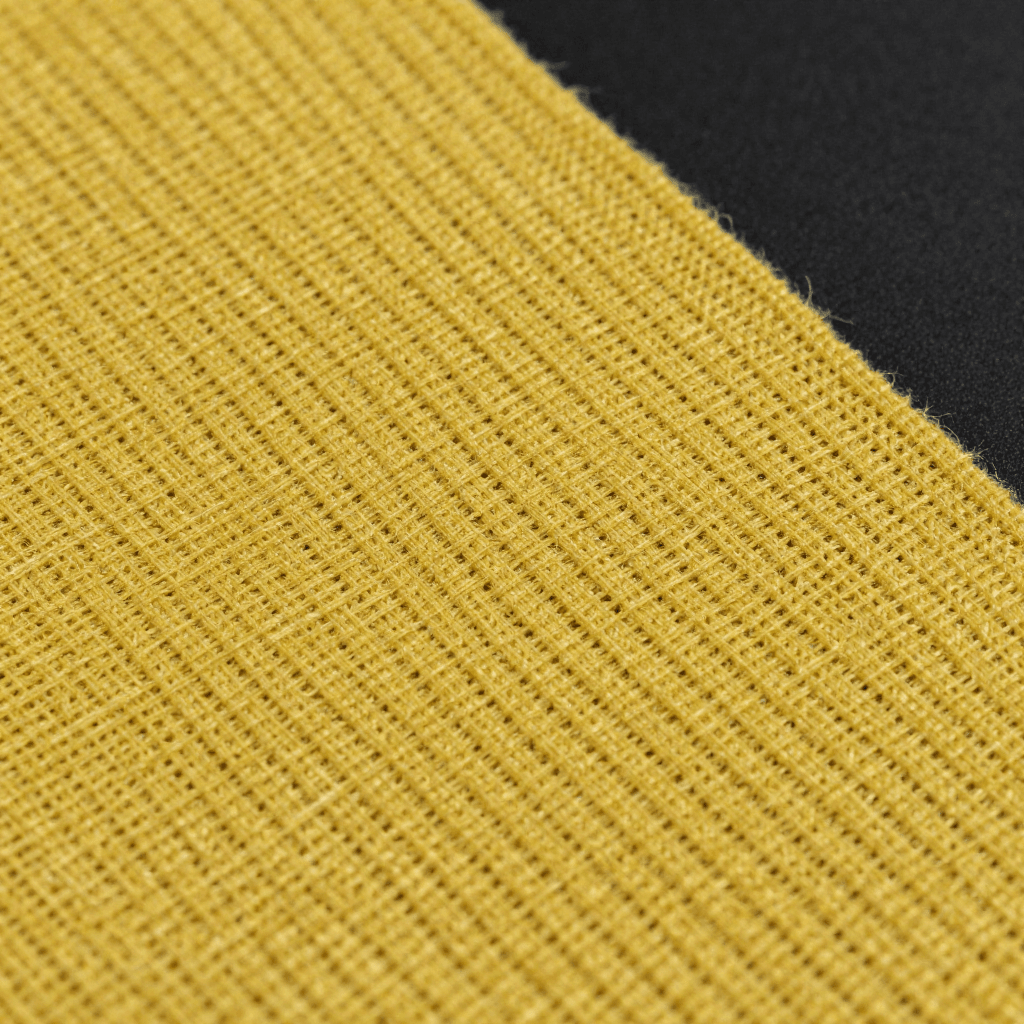
Cut the palm side of the glove from aramid twill of about 8 oz per square yard; twill wears best. Cut the back from knitted aramid of about 7 oz per square yard, which stretches for dexterity and comfort. Both should have a napped (raised) face; put it on the inside, where it adds insulation. Not given: the glove pattern and sizes.
Àwọn ohun èlò fún ìgbésẹ̀ yìí:
 Aṣọ aramid1 twill 8 oz/yd2 and knit 7 oz/yd2
Àwọn irinṣẹ́ tí a nílò:
 Ìkẹ́rẹ́ aṣọ
 Ẹfun aránṣọ
 Ìwọ̀n tí a kò mọ̀
2
2
Cut and coat the liners
Cut and coat the liners
Cut a palm liner and a back liner to the same shapes from aramid felt of about 3.5 oz per square yard. Coat the face of the palm liner that will lie against the palm shell with a flame-resistant elastomer, preferably neoprene, 4 to 5 mils thick. It helps stop heat conducting through the palm. Not given: how the coat is applied.
Àwọn ohun èlò fún ìgbésẹ̀ yìí:
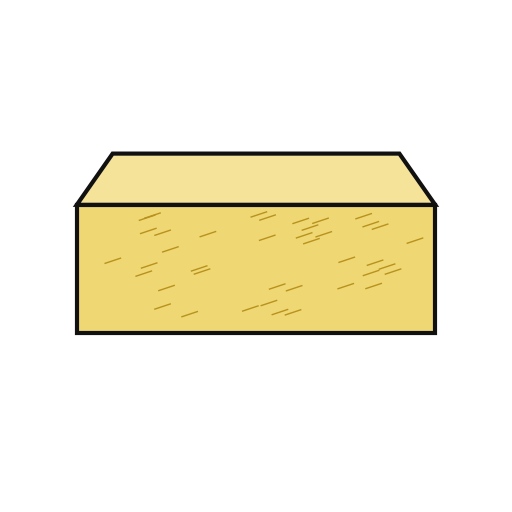 Fẹ́ẹ̀tì aramid1 3.5 oz/yd2
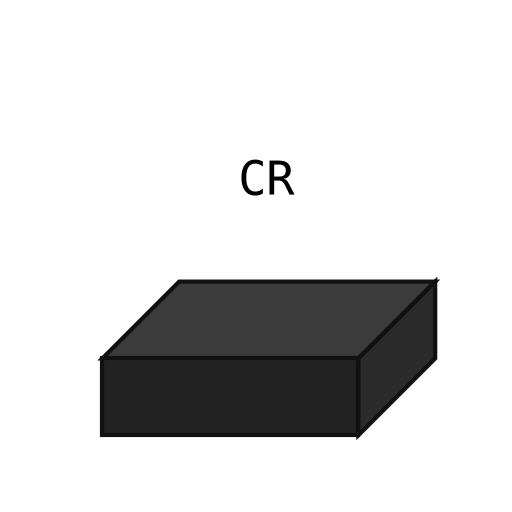 Neoprene1 4-5 mil coat
Àwọn irinṣẹ́ tí a nílò:
Ìkẹ́rẹ́ aṣọ3
3
Sew the glove
Sew the glove
Lay each liner against its shell, coated face to the palm shell. Sew shells and liners together along their edges with aramid thread, joining palm half to back half in one seam round the fingers and thumb.
Àwọn ohun èlò fún ìgbésẹ̀ yìí:
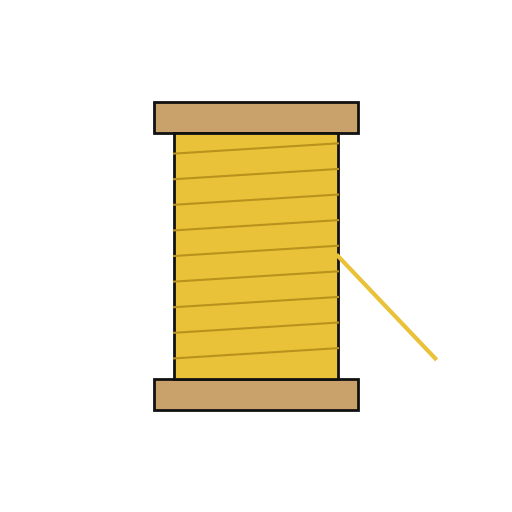 Òwú aramid1 ẹyọ
Àwọn irinṣẹ́ tí a nílò:
 Ẹ̀rọ ìránṣọ
4
4
Add the wristlet
Add the wristlet
Make a tube of knitted aramid about 4 inches long and sew it round the glove opening. It seals loosely round the wrist to keep water and other matter out. Make it longer to protect more of the forearm.
Àwọn ohun èlò fún ìgbésẹ̀ yìí:
Aṣọ aramid1 knit tubeÒwú aramid1 ẹyọÀwọn irinṣẹ́ tí a nílò:
Ẹ̀rọ ìránṣọÀwọn ohun-èlò
4- 1 knit tubeÀyè
- 1 3.5 oz/yd2Àyè
- 1 4-5 mil coatÀyè
- 2 ẹyọÀyè
Àwọn irinṣẹ́ tó nílò
4- Àyè
- Àyè
- Àyè
Àwọn Ohun Èlò Ìtọ́nisọ́nà Tí A So Pọ̀

Ìtọ́nisọ́nà yìí ń ṣe

CC0 Àgbègbè Gbogbogbò
Blueprint yìí ti jáde lábẹ́ CC0. O lè ṣe àdàkọ, yí padà, pín, àti lò láìsí ìyọ̀ǹda.
Ṣàtìlẹ́yìn Olùṣẹ́dá nípa rírà àwọn ọjà nipasẹ̀ Blueprint wọn Ẹ̀san Olùṣẹ́dá tí àwọn Olùtajà gbé kalẹ̀, tàbí ṣẹ̀dá àtúnṣe tuntun ti Blueprint yìí kí o sì fi sínú Blueprint rẹ gẹ́gẹ́ bí ìsopọ̀ láti pín owó-wíwọlé.