IṢẸ́ ỌNÀ
ẸWÀ ÀTI ÌLERA
IṢẸ́ ỌWỌ́
ÀṢÀ ÀTI ÌTÀN
ÌṢERÉ
ÀYÍKÁ
OÚNJẸ ÀTI OHUN MÍMU
REVERSE ENGINEERING
SÁYẸ́ǸSÌ
ERÉ ÌDÁRAYÁ
ÌMỌ̀-Ẹ̀RỌ
ÀWỌN OHUN WÍWỌ̀
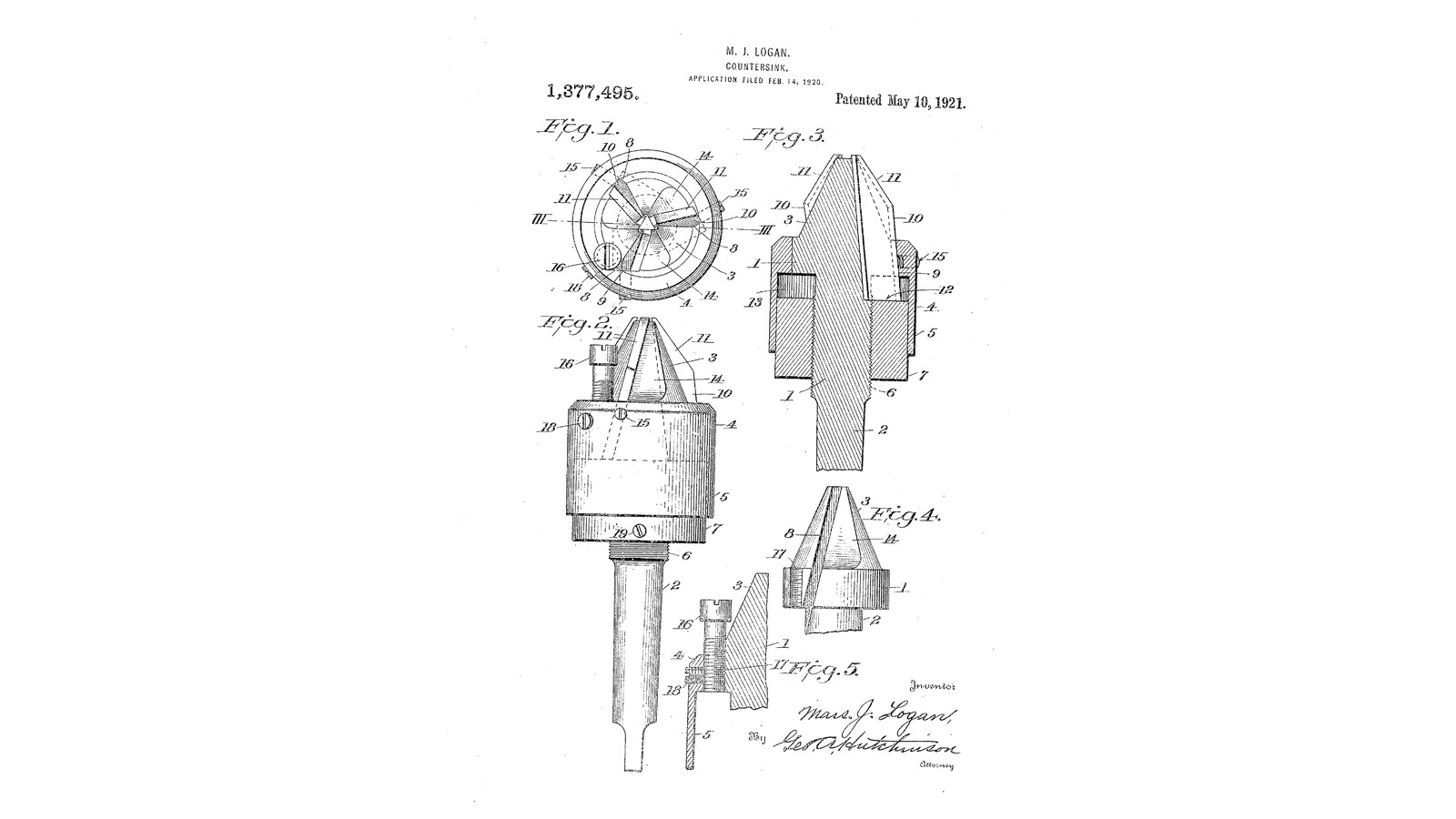


Adjustable-Knife Countersink: Three Knives Set Out Evenly by a Collar and Stopped by a Depth Pin (Logan, 1921)
Marselius J. Logan of Springfield, Virginia, received US 1,377,495, dated 10 May 1921. Three knives sit in grooves along a conical head, their bevelled edges just proud of the cone. A collar screwed along the shank pushes all their back ends at once, so each cuts the same share. When they wear, a turn of the collar sets them out again. Set screws lock them. A stop pin beside them halts every countersink at the same depth.
The patent gives no sizes; every size here is ours.
Ilọsíwájú
About 2 days
Ìlànà
1
1
Setting the knives out evenly
Setting the knives out evenly
Ń ṣí ìwé Jupyter…
2
2
Read US 1,377,495
Read US 1,377,495
"All of the cutters or knives 10 are made alike in length as well as other dimensions, so that by screwing the collar 7 into contact with the inner ends 12 of all of said cutters, the latter may be evenly adjusted to cut equally, and when their cutting edges 11 become worn down said cutters may be uniformly projected in order to provide the proper clearance."
3
3
Turn the inner member 1 and the sleeve 4
Turn the inner member 1 and the sleeve 4
From 30 mm steel bar turn the inner member: a 90 degree cone 3 26 mm across at its base, a short cylindrical edge under it, and a shank 2 14 mm across, threaded M14 for 20 mm below the head 6 and plain below. From 40 mm bar turn the sleeve: a ring bored 0.03 mm under the head's edge, with a flange 5 30 mm long bored 22 mm, so it leaves an annular space 13 round the shank. Heat the sleeve to 250 C in the oven and drop it over the head's edge; let it cool.
Àwọn ohun èlò fún ìgbésẹ̀ yìí:
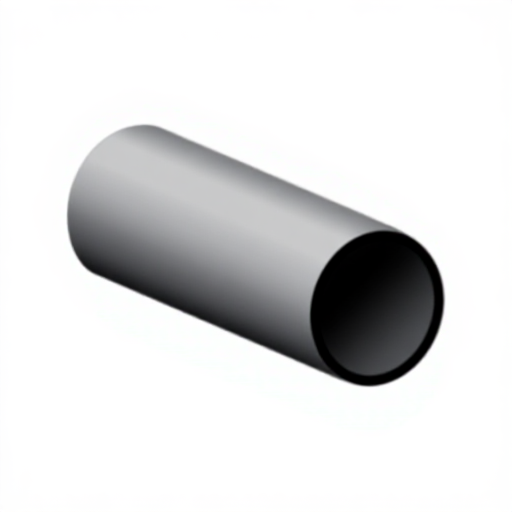 Ọ̀pá rírọ irin rírọ̀2 ẹyọ
 Òróró gígé1 ẹyọ
Àwọn irinṣẹ́ tí a nílò:
 Ẹ̀rọ Ìyí Irin
 Ìmú ẹ̀rọ ìyípo oníka mẹ́ta
 Ohun ìgé ẹ̀rọ ìyí
 Ọ̀pá gígé inú ihò
 Ọ̀bẹ ìgékúrò lórí ẹ̀rọ ìyí
 Ìtò irinṣẹ́ ìgé ihá
 Ààrò
 Ìbọ̀wọ́ wẹ́lídìn
 Òṣùwọ̀n Kálípà Díjítà Ìnṣì 6
 Gíláàsì ààbò
4
4
Grooves, knives and screws
Grooves, knives and screws
Saw and file three grooves 4 mm square, parallel to the axis, a third of the way round from each other, through the joint of head and sleeve and on into the annular space. File the cone away 14 ahead of each groove for the shavings. Cut three knives 32 mm long from 4 mm square tool steel, exactly alike, and grind each one's top end to the cone's slope with a bevelled cutting edge 11. Harden them (cherry red, water, temper to light straw). Drill and tap M4 through the sleeve over each groove for the set screws 15. Make a collar 7 with an M14 thread to screw up the shank inside the flange, and an M4 set screw 19 to lock it. Drill and tap M5 into the head's edge behind one knife for the stop pin 16, with an M4 set screw 18 to lock it.
Àwọn ohun èlò fún ìgbésẹ̀ yìí:
 Ọ̀pá onígun mẹ́rin irin irinṣẹ́1 ẹyọỌ̀pá rírọ irin rírọ̀1 ẹyọ
 Ìsúrù ìdúró olójú kòtò5 ẹyọ
 Ìṣọ Onípọ̀n Orí Sokẹ́ẹ̀tì1 ẹyọ
 Nọ́ọ̀tì Onígun Mẹ́fà1 ẹyọ
Àwọn irinṣẹ́ tí a nílò:
 Ayùn Irin
 Àkójọ Ìfá
 Ìdìmú Tábìlì
 Ẹ̀rọ ìfá orí tábìlì
 Ilé Iná Alágbẹ̀dẹ
 Ẹmú Alágbẹ̀dẹ
 Magnẹ́ẹ̀tì Kékeré
 Àpótí ìtutù
 Omi
 Òkúta Ìpọ́n
 Ẹ̀rọ Ìlùkòkò Onídúró
 Àkójọ Orí ÌlùkòkòÌtò irinṣẹ́ ìgé ihá
 Ìdìmú ìyí ihá inúẸ̀rọ Ìyí IrinÒṣùwọ̀n Kálípà Díjítà Ìnṣì 6
5
5
Set, lock and countersink
Set, lock and countersink
Slide the knives into their grooves, back ends down in the annular space. Screw the collar up until all three knives' edges stand 0.3 mm out of the cone, and lock it and the knives. Set the stop pin so it touches the work when the countersink is the size wanted, and lock it. Countersink a row of screw holes in hardwood: every one should come out the same.
Àwọn irinṣẹ́ tí a nílò:
 Ìdìpọ̀ kọ́kọ́rọ́ igun mẹ́fàÒṣùwọ̀n Kálípà Díjítà Ìnṣì 6
 Ẹ̀rọ Ìlùkòkò AláìlókùnÀkójọ Orí Ìlùkòkò
 Pátákó Igi LíleGíláàsì ààbò
6
6
Troubleshooting
Troubleshooting
Adjustable-knife countersink troubleshooting.
Flow
Loading...
7
7
History and honest limits
History and honest limits
**Marselius J. Logan** of Springfield, Virginia, assignor of one-half to Laurence G. Alexander of Alexandria, Virginia, US 1,377,495, dated 10 May 1921, filed 14 February 1920. He claimed "a flange carried by the head and extending concentrically along the shank in spaced relation thereto, cutters mounted on the head and extending into the space between the same and the flange, and a collar adjustable on the shank within said flange for alining the cutters", and "an adjustable stop". He shows three knives; ours too. He gives no sizes; every size here is ours.
Àwọn ohun-èlò
6- 2 ẹyọÀyè
- 1 ẹyọÀyè
- Àyè
- Àyè
- Àyè
- 1 ẹyọÀyè
Àwọn irinṣẹ́ tó nílò
26- Àyè
- Àyè
- Àyè
- Àyè
- Àyè
- Àyè
- Àyè
- Àyè
- 1 vendor sell this, none ship to you yetÀyè
Ìtọ́nisọ́nà yìí ń ṣe

Blueprint tó jọra
Àwọn blueprint wọ̀nyí pín ìmọ̀ — ọ̀nà, ohun-èlò tàbí ìlànà
CC0 Àgbègbè Gbogbogbò
Blueprint yìí ti jáde lábẹ́ CC0. O lè ṣe àdàkọ, yí padà, pín, àti lò láìsí ìyọ̀ǹda.
Ṣàtìlẹ́yìn Olùṣẹ́dá nípa rírà àwọn ọjà nipasẹ̀ Blueprint wọn Ẹ̀san Olùṣẹ́dá tí àwọn Olùtajà gbé kalẹ̀, tàbí ṣẹ̀dá àtúnṣe tuntun ti Blueprint yìí kí o sì fi sínú Blueprint rẹ gẹ́gẹ́ bí ìsopọ̀ láti pín owó-wíwọlé.