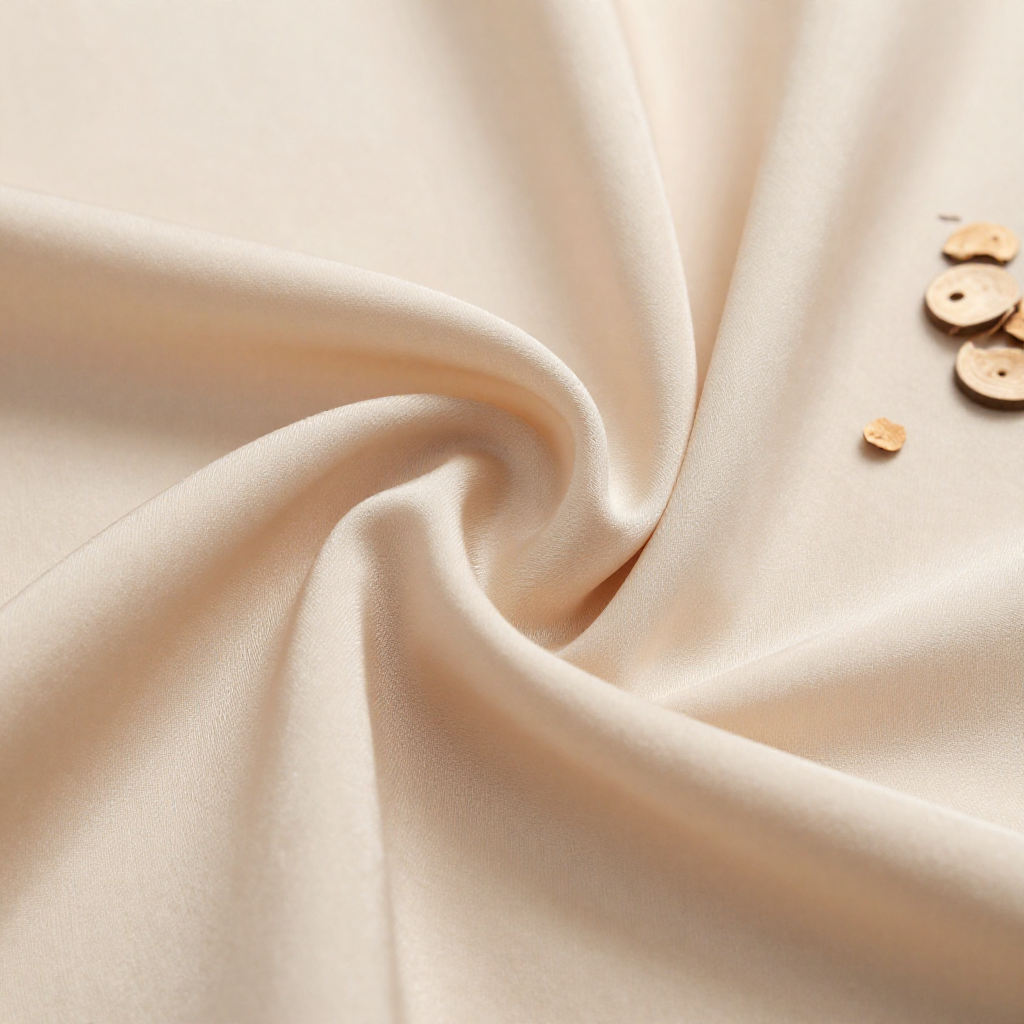

Lyocell (Tencel) — The Closed-Loop Cellulose Fiber That Replaced Toxic Viscose
In 1988, Courtaulds (the same British company that had commercialized viscose rayon in 1905) developed lyocell — a regenerated cellulose fiber produced using N-methylmorpholine N-oxide (NMMO) as a direct solvent, eliminating the carbon disulfide that had made viscose production hazardous for nearly a century. Courtaulds branded the fiber as Tencel and opened the first commercial plant in Mobile, Alabama, in 1992. Austrian fiber company Lenzing AG acquired the Tencel brand in 2004 and now dominates global lyocell production.
The chemistry is radically simpler than viscose. Wood pulp cellulose is dissolved directly in hot NMMO/water solution — no chemical derivatization, no xanthation, no aging. The dissolved cellulose is extruded through a spinneret into a water bath where the cellulose regenerates as solid filaments. The NMMO solvent is recovered from the water bath and recycled — over 99.7% solvent recovery, creating a nearly closed-loop process. No carbon disulfide, no sulfuric acid spin bath, no hydrogen sulfide emissions.
Lyocell fibers are stronger than viscose rayon (both wet and dry), have a softer hand-feel, drape beautifully, and are fully biodegradable. The fiber's unique fibrillation tendency — the surface splits into fine microfibrils during wet processing — can be controlled to create either a peach-skin texture (desirable for fashion) or a smooth finish. Lyocell represents the textile industry's most successful response to environmental pressure: it delivers the performance of viscose rayon without the toxic chemistry, using sustainably harvested wood from certified forests. Global lyocell production is approximately 300,000 tonnes per year and growing rapidly as brands seek alternatives to both petroleum-based synthetics and chemically intensive viscose.
Àkóónú tó léwu
Blueprint yii ni awọn ilana ti o lewu. Wọle ki o mu akoonu ti o lewu ṣiṣẹ ninu awọn eto akaunti rẹ lati wo awọn itọnisọna igbesẹ-nipasẹ-igbesẹ.
Blueprint tó jọra
Àwọn blueprint wọ̀nyí pín ìmọ̀ — ọ̀nà, ohun-èlò tàbí ìlànà
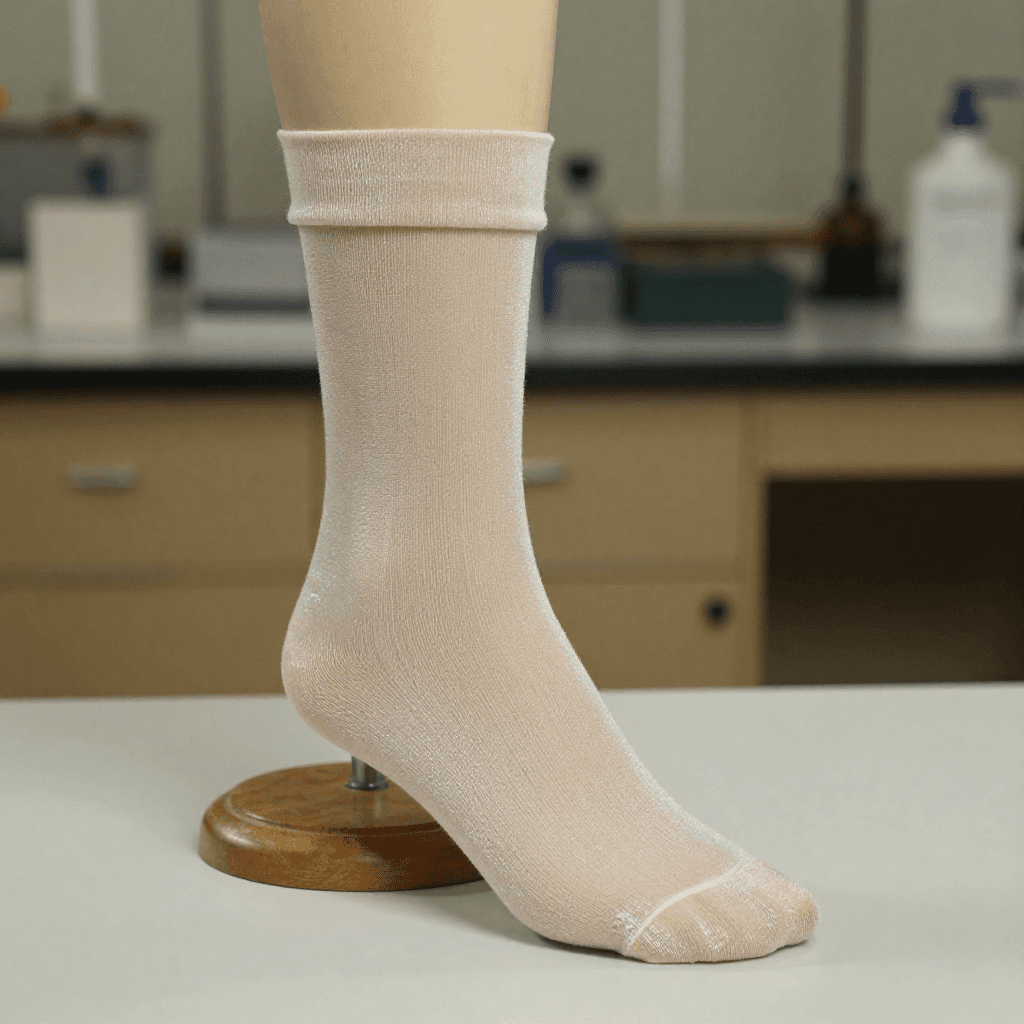
Nylon — The First Fully Synthetic Fiber from Coal, Air, and Water
láti ọwọ́ Tex
Aṣọ àti Awọ
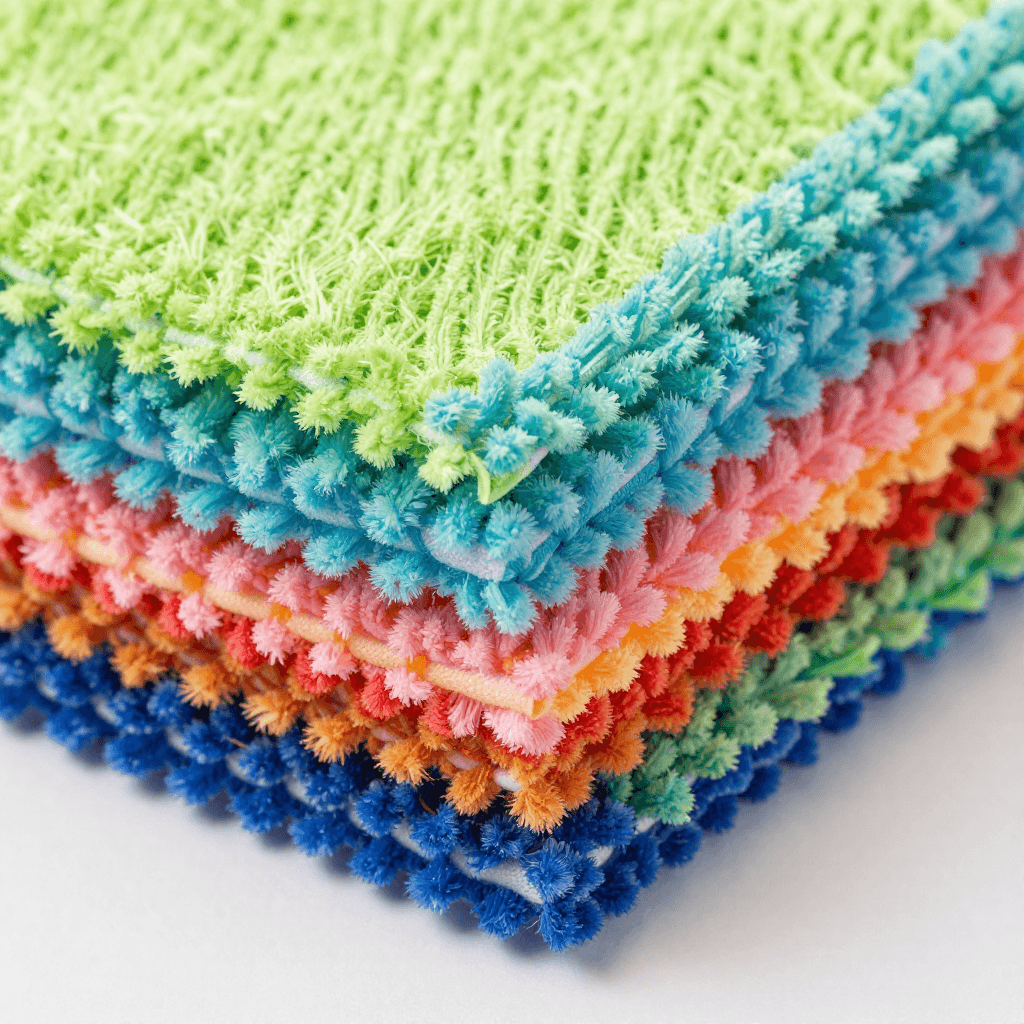
Microfiber — Ultra-Fine Synthetic Fibers That Outperform Natural Textiles
láti ọwọ́ Tex
Aṣọ àti Awọ
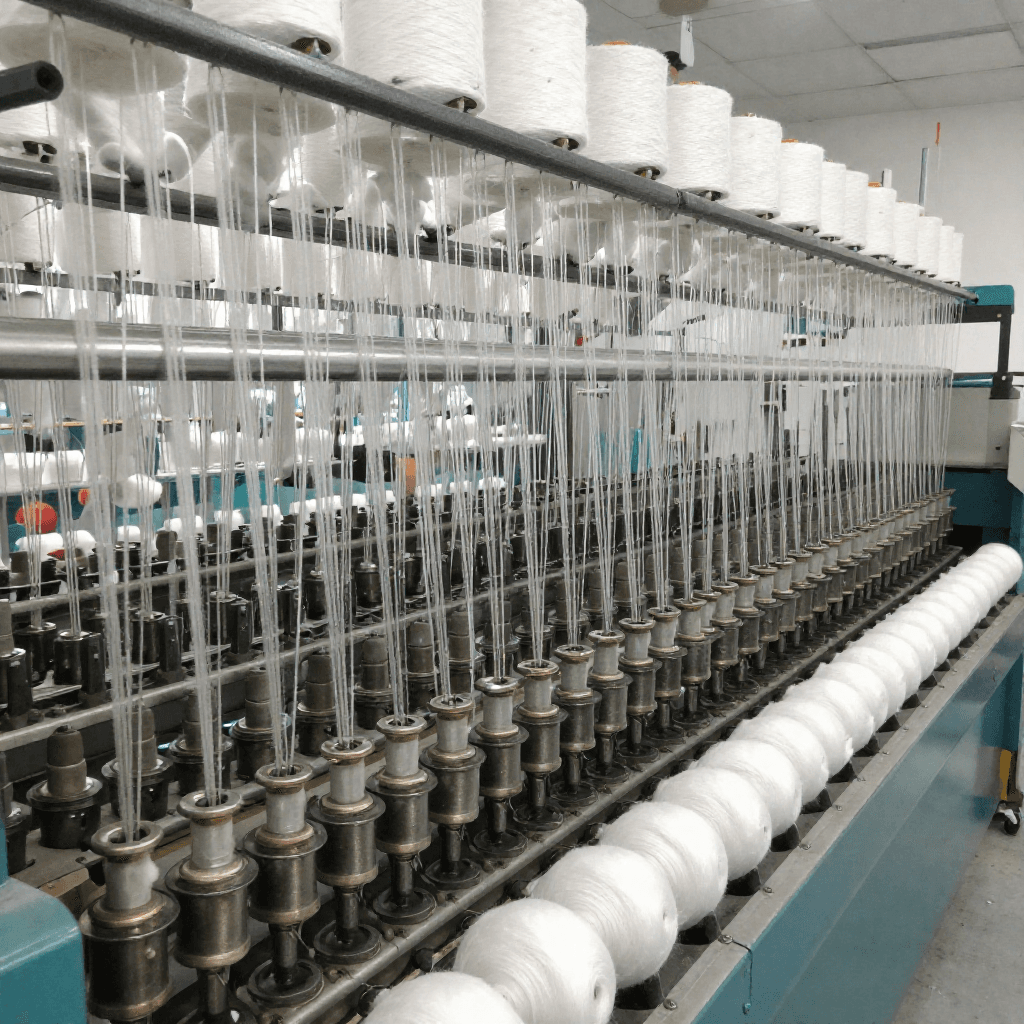
The Ring Spinning Frame — Continuous Yarn Production with Ring and Traveler
láti ọwọ́ Tex
Aṣọ àti Awọ
CC0 Àgbègbè Gbogbogbò
Blueprint yìí ti jáde lábẹ́ CC0. O lè ṣe àdàkọ, yí padà, pín, àti lò láìsí ìyọ̀ǹda.
Ṣàtìlẹ́yìn Olùṣẹ́dá nípa rírà àwọn ọjà nipasẹ̀ Blueprint wọn Ẹ̀san Olùṣẹ́dá tí àwọn Olùtajà gbé kalẹ̀, tàbí ṣẹ̀dá àtúnṣe tuntun ti Blueprint yìí kí o sì fi sínú Blueprint rẹ gẹ́gẹ́ bí ìsopọ̀ láti pín owó-wíwọlé.