
Making a LilyPad Musical Patch
Sew a patch that plays a tune. A LilyPad buzzer and a button let the microcontroller sing a short melody whenever you press it — a musical badge, a fabric greeting card, or a costume piece. This project introduces the buzzer and the Arduino tone() function that turns pin signals into notes.
Ìlànà
Sew the board, buzzer and button
Sew the board, buzzer and button
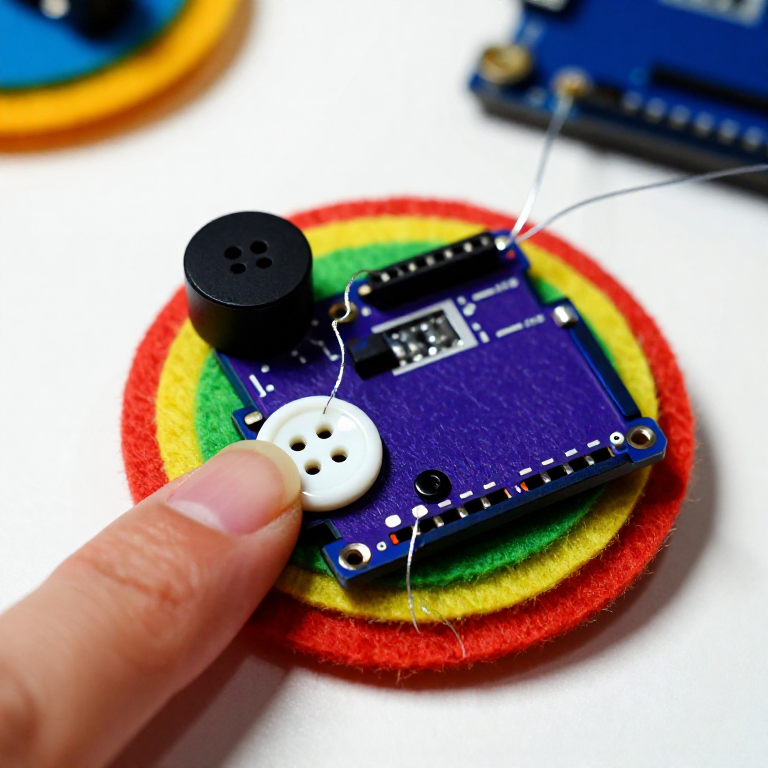
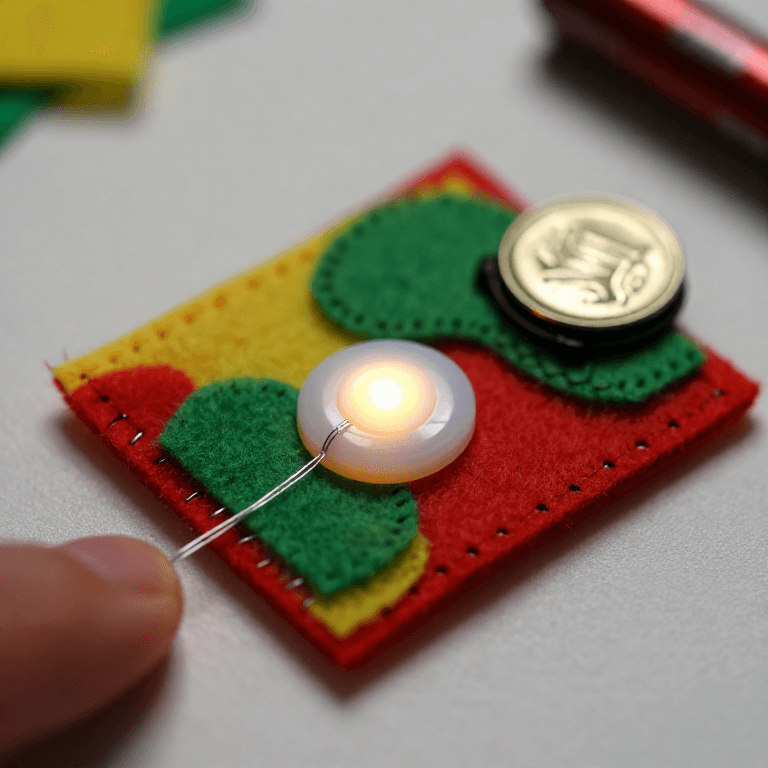
Sew a LilyPad Arduino, a LilyPad buzzer and a LilyPad button onto felt. Wire it: the buzzer's + tab to pin 9 and its - tab to -; the button's tabs to analog pin A2 and to -. Keep the lines from crossing.
Àwọn ohun èlò fún ìgbésẹ̀ yìí:
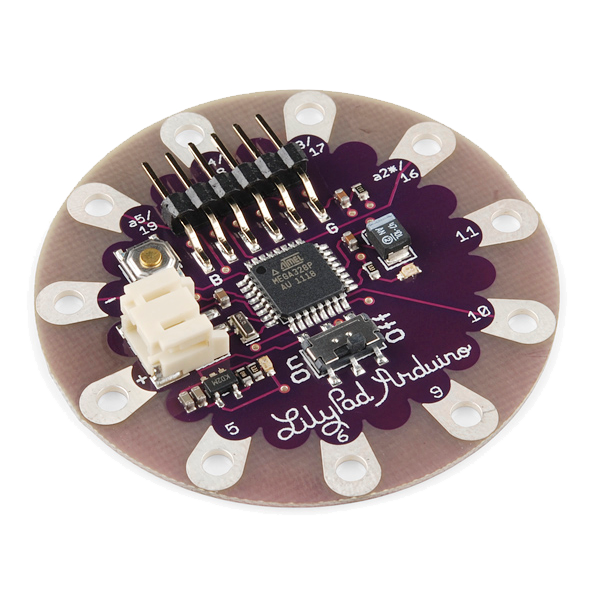 LilyPad Arduino Simple Board1 ẹyọ
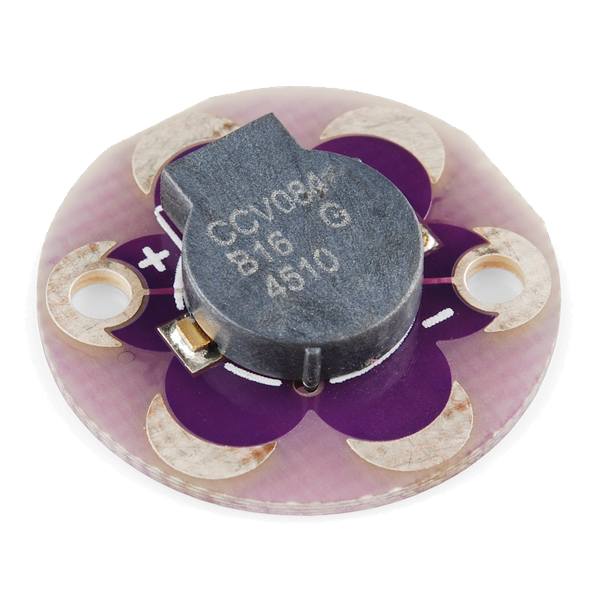 LilyPad Buzzer1 ẹyọ
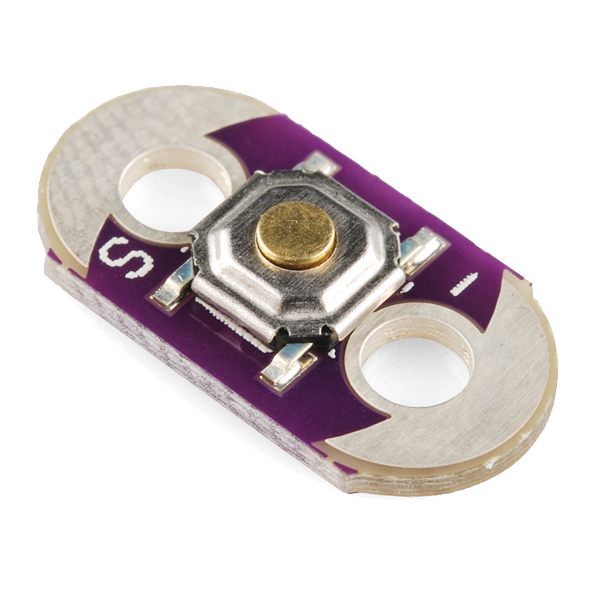 LilyPad Button Board1 ẹyọ
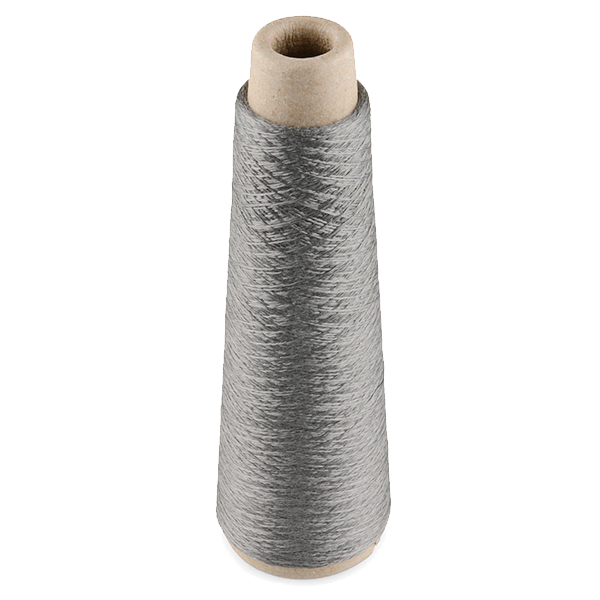 Conductive Thread - 60g (Stainless Steel)1 ìkẹ́kẹ́ okùn
 Abẹ́rẹ́ ìránṣọ ọwọ́1 àkópọ̀
 Àwo aṣọ irun àgùtàn1 ewé
Connect the programmer
Connect the programmer
Plug the LilyPad FTDI onto the programming header and connect the USB cable. Open the Arduino IDE and select the LilyPad Arduino board and its serial port.
Àwọn ohun èlò fún ìgbésẹ̀ yìí:
 LilyPad FTDI Basic Breakout - 5V1 ẹyọ
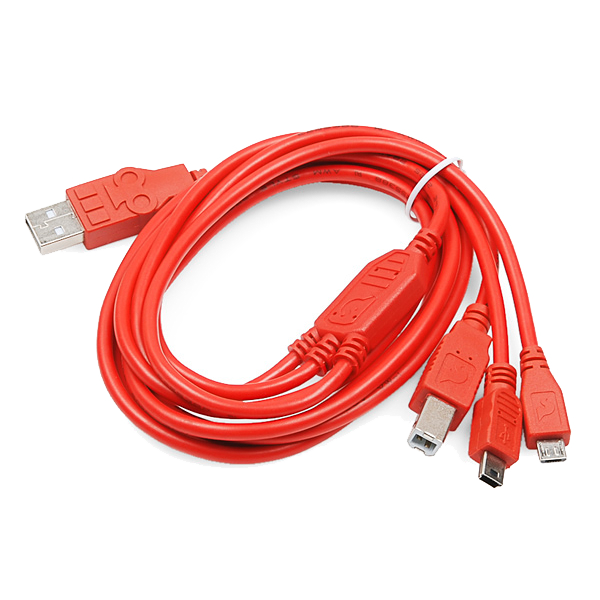 SparkFun Cerberus USB Cable - 1.8 meter1 ẹyọ
Àwọn irinṣẹ́ tí a nílò:
 Kọ̀ǹpútà Tí Ó Ní Arduino IDE
Upload the melody sketch
Upload the melody sketch
Paste this sketch and upload. Pressing the button plays a short rising scale on the buzzer.
Press to play, then compose
Press to play, then compose
Press the button — you should hear the five notes. Change the tune by editing the melody[] frequencies (higher number = higher note) and the durations[] in milliseconds, then re-upload. Add more notes to both arrays to make a longer song.
Go wireless and wear it
Go wireless and wear it
Unplug the FTDI, sew a LilyPad coin-cell holder to the board (+ to +, - to -), drop in a CR2032 and switch on. Sew the felt onto a badge or card — press it to play your tune anywhere.
Àwọn ohun èlò fún ìgbésẹ̀ yìí:
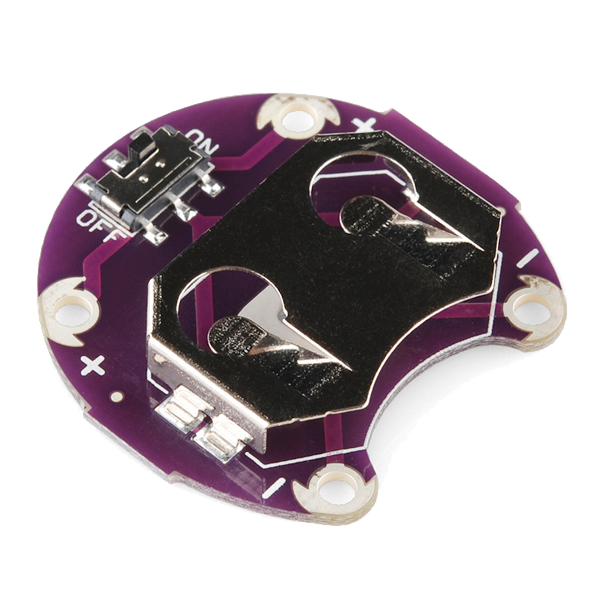 LilyPad Coin Cell Battery Holder - w/Switch - 20mm1 ẹyọ
 Bátìrì owó ẹyọ CR20321 ẹyọ
Àwọn ohun-èlò
10- LilyPad Arduino Simple Boardìdá 10%1 ẹyọ$19.16
- LilyPad Buzzerìdá 10%1 ẹyọ$7.45
- LilyPad Button Boardìdá 10%1 ẹyọ$2.18
- 1 ìkẹ́kẹ́ okùn$39.24
- 1 àkópọ̀Àyè
- 1 ewéÀyè
- 1 ẹyọ$14.06
- 1 ẹyọ$5.61
- $4.94
- Àyè
Àwọn irinṣẹ́ tó nílò
2Blueprint tó jọra
Àwọn blueprint wọ̀nyí pín ìmọ̀ — ọ̀nà, ohun-èlò tàbí ìlànà
CC0 Àgbègbè Gbogbogbò
Blueprint yìí ti jáde lábẹ́ CC0. O lè ṣe àdàkọ, yí padà, pín, àti lò láìsí ìyọ̀ǹda.
Ṣàtìlẹ́yìn Olùṣẹ́dá nípa rírà àwọn ọjà nipasẹ̀ Blueprint wọn Ẹ̀san Olùṣẹ́dá tí àwọn Olùtajà gbé kalẹ̀, tàbí ṣẹ̀dá àtúnṣe tuntun ti Blueprint yìí kí o sì fi sínú Blueprint rẹ gẹ́gẹ́ bí ìsopọ̀ láti pín owó-wíwọlé.