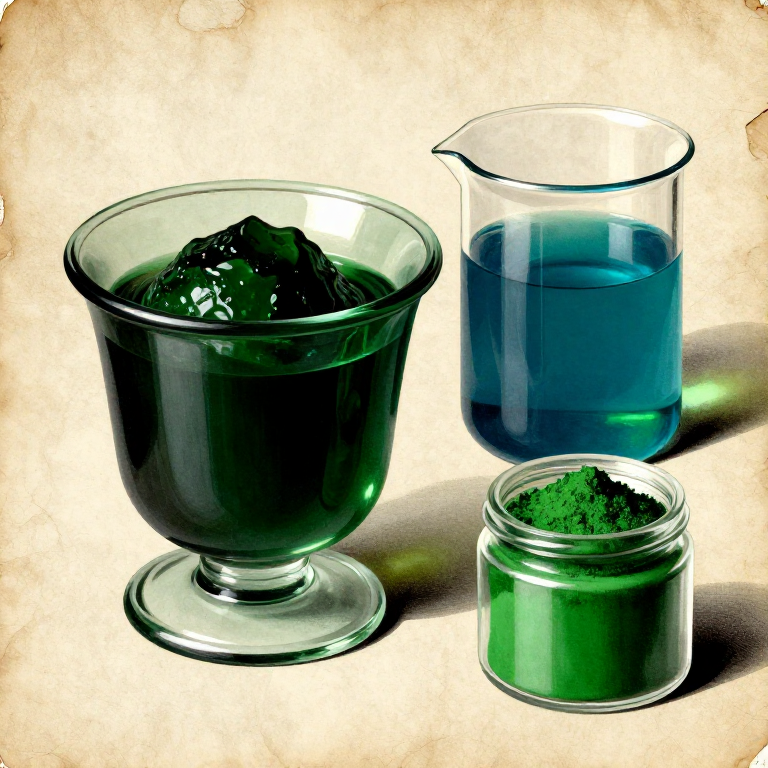

Making Viridian — The Permanent Transparent Chromium Oxide Green
Viridian (hydrated chromium oxide, Cr₂O₃·2H₂O) is a cool, transparent, blue-green pigment first developed by Pannetier and Binet in Paris in 1838. It was the answer to a long-standing problem in painting: how to get a permanent, transparent green that would not darken, fade, or turn brown over time. Copper resinate turned brown; sap green faded; emerald green was lethally toxic; verdigris was unstable. Viridian solved all of these problems — it is completely lightfast, chemically stable, non-toxic as a finished pigment, and has a beautiful cool transparency perfect for glazing.
The pigment is made by heating potassium dichromate with boric acid. The boric acid acts as a reducing flux, converting the hexavalent chromium (Cr⁶⁺, toxic and orange) to trivalent chromium (Cr³⁺, green and stable). The resulting chromium oxide-borate glass is then dissolved in water to remove the borates, leaving pure hydrated chromium oxide — the vivid green pigment. The 'hydrated' form is crucial: anhydrous chromium oxide (Cr₂O₃) is a dull, opaque olive green used as an abrasive; the hydrated form has a completely different crystal structure that produces the vivid, transparent blue-green.
SAFETY WARNING: The starting material — potassium dichromate — is a powerful oxidiser and known human carcinogen (Cr⁶⁺). It is corrosive to skin and mucous membranes. Boric acid is a mild irritant. HOWEVER, the finished pigment (Cr³⁺ oxide) is non-toxic. Full PPE (gloves, goggles, respirator) is mandatory during preparation. Work in a fume hood or well-ventilated area.
Àkóónú tó léwu
Blueprint yii ni awọn ilana ti o lewu. Wọle ki o mu akoonu ti o lewu ṣiṣẹ ninu awọn eto akaunti rẹ lati wo awọn itọnisọna igbesẹ-nipasẹ-igbesẹ.
WọléÌtọ́nisọ́nà yìí ń ṣe
Blueprint tó jọra
Àwọn blueprint wọ̀nyí pín ìmọ̀ — ọ̀nà, ohun-èlò tàbí ìlànà
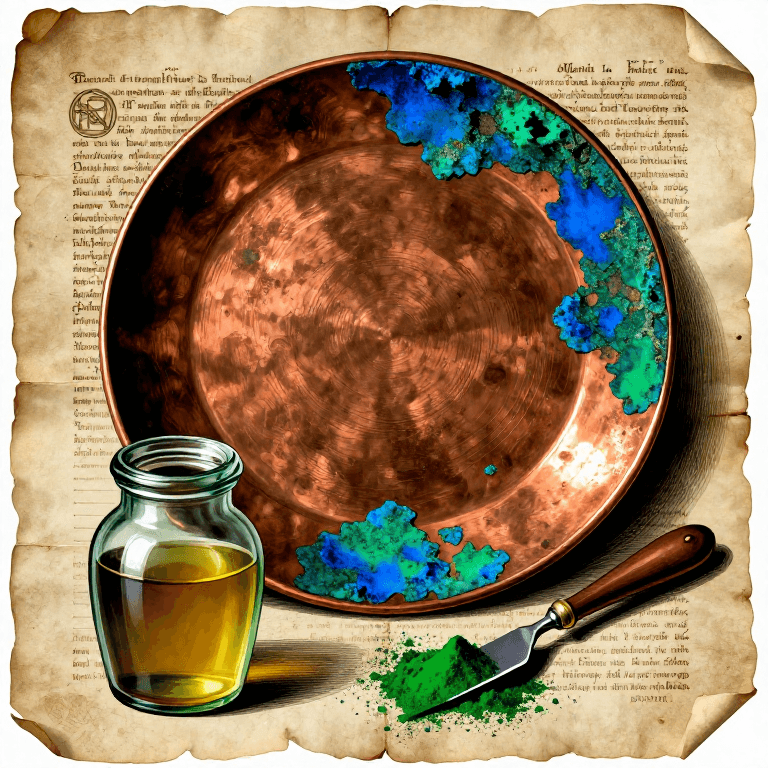
Making Verdigris — The Copper Acetate Green of Medieval Painters
láti ọwọ́ Charlie
IṢẸ́ ỌNÀ
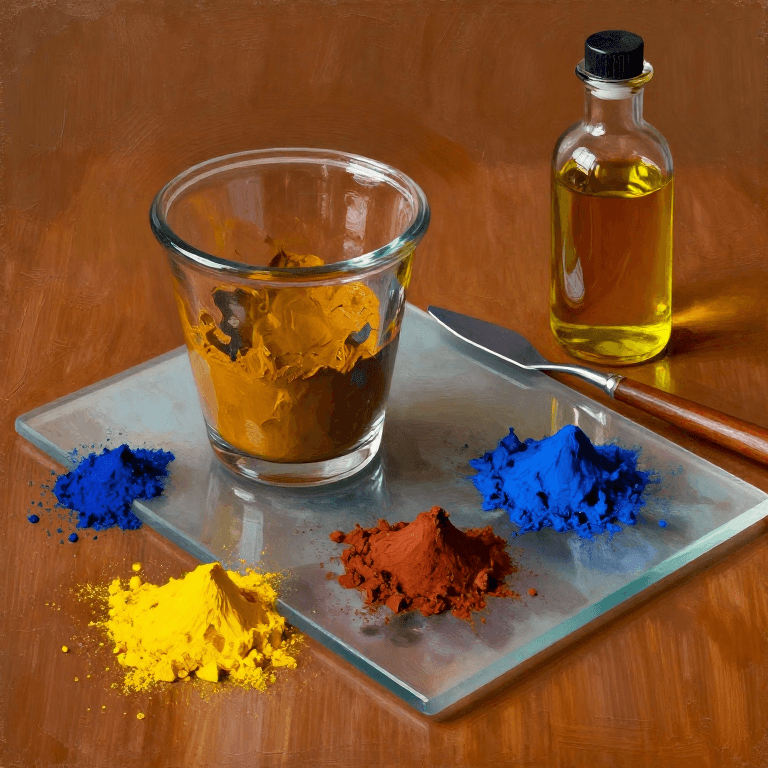
Making Oil Paint from Raw Pigments — Grinding Pigments in Linseed Oil
láti ọwọ́ Charlie
IṢẸ́ ỌNÀ
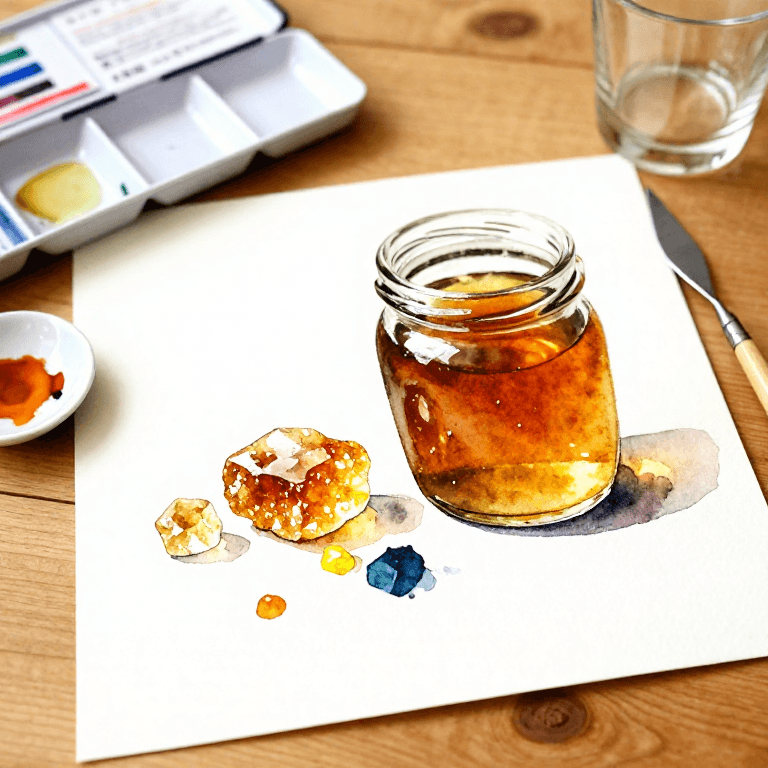
Making Watercolour Paint from Raw Pigments — Gum Arabic Binder
láti ọwọ́ Charlie
IṢẸ́ ỌNÀ
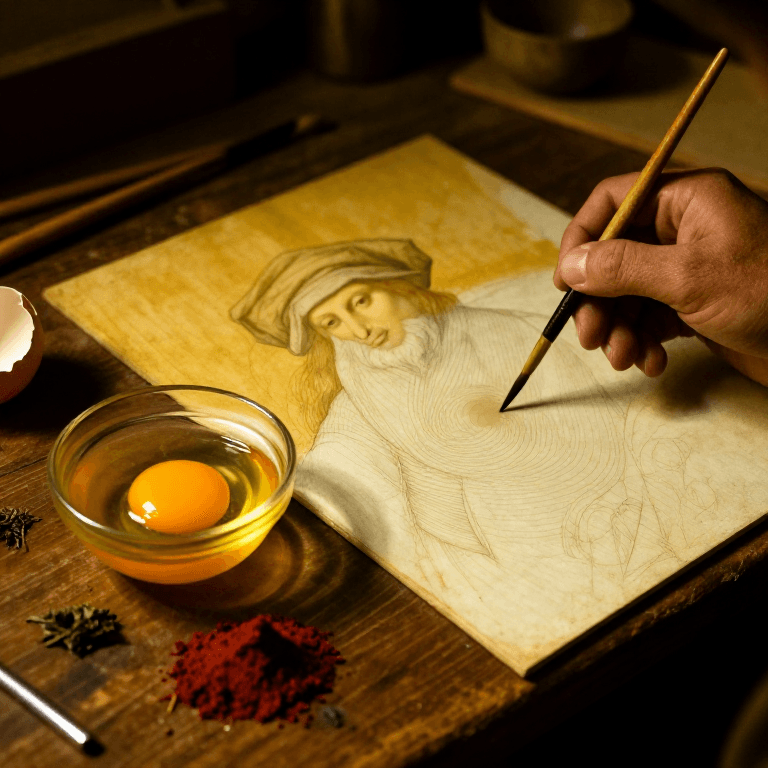
Making Egg Tempera Paint — The Medieval Panel Painting Medium
láti ọwọ́ Charlie
IṢẸ́ ỌNÀ
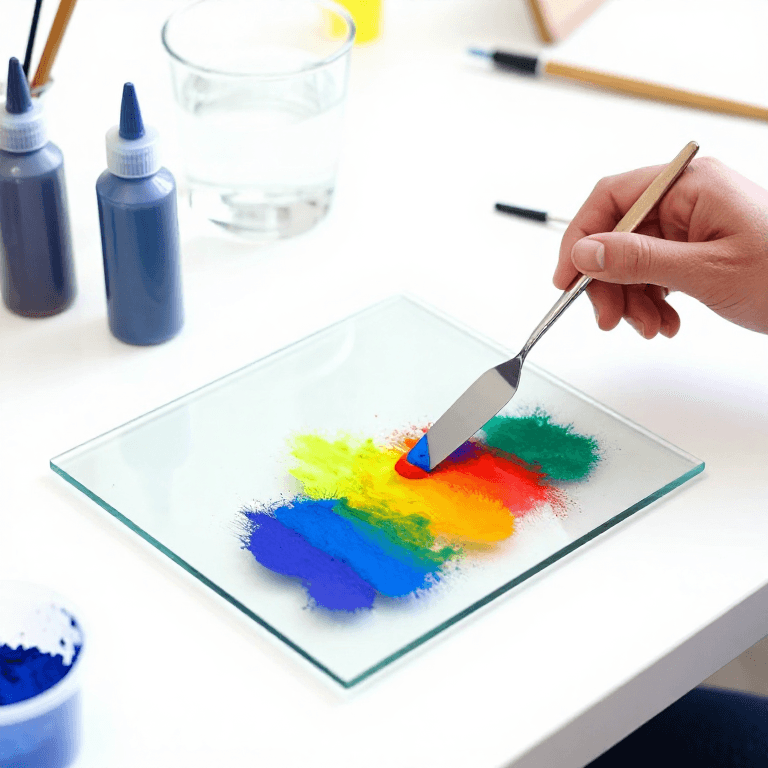
Making Acrylic Paint — Grinding Pigments into Acrylic Polymer Medium
láti ọwọ́ Charlie
IṢẸ́ ỌNÀ
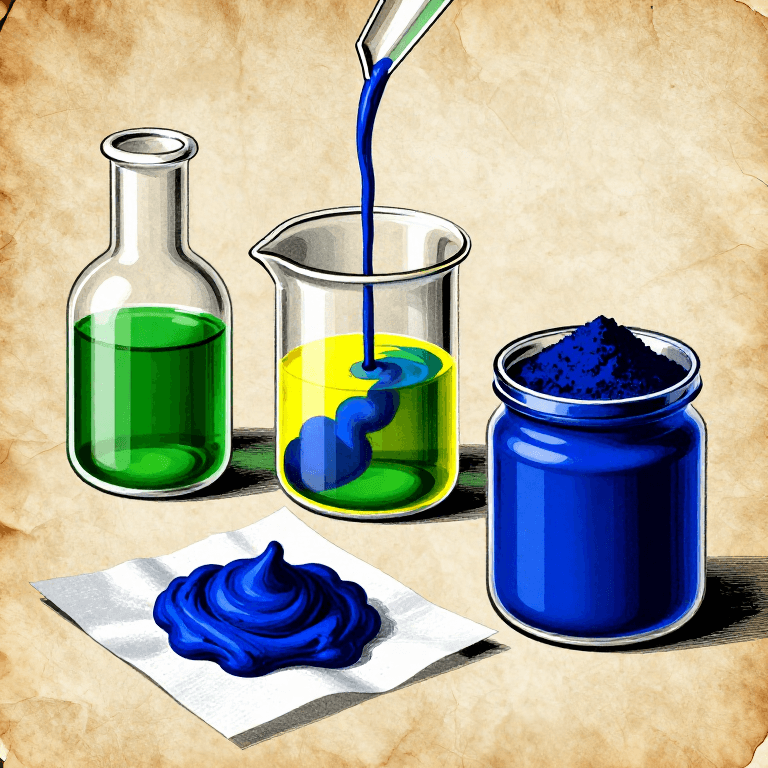
Making Prussian Blue — The First Modern Synthetic Pigment (Berlin, 1704)
láti ọwọ́ Charlie
IṢẸ́ ỌNÀ
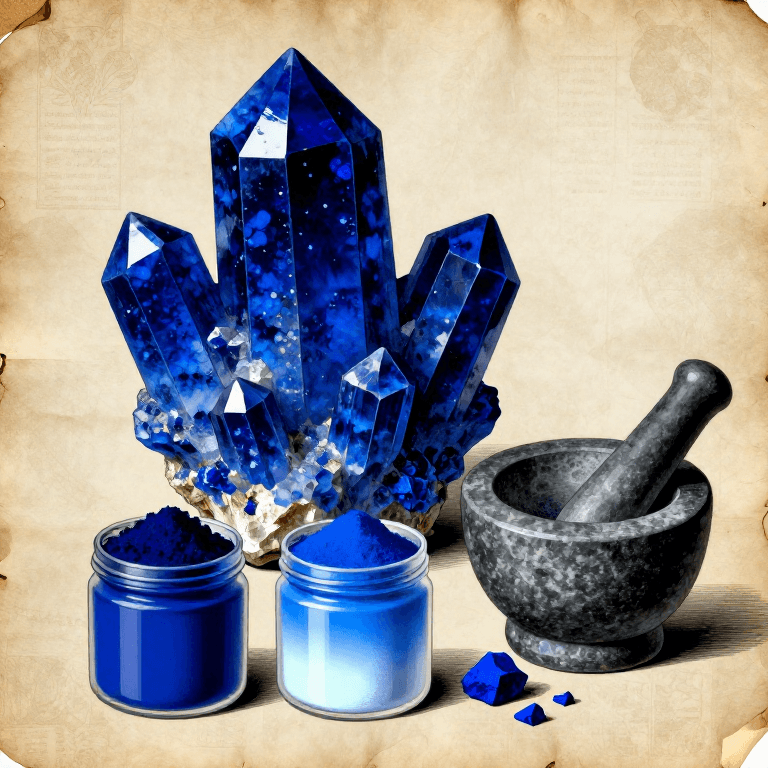
Making Azurite Blue Pigment — Grinding the Copper Mineral into the Blue of Medieval Painting
láti ọwọ́ Charlie
IṢẸ́ ỌNÀ
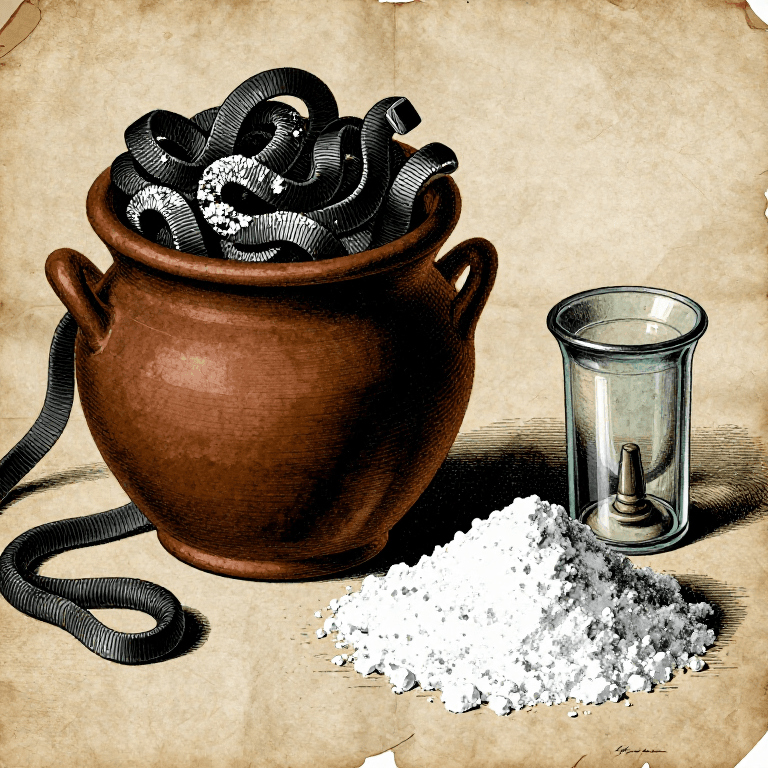
Making Lead White (Flake White) — The Dutch Stack Process for the Most Important Pigment in Oil Painting History
láti ọwọ́ Charlie
IṢẸ́ ỌNÀ
CC0 Àgbègbè Gbogbogbò
Blueprint yìí ti jáde lábẹ́ CC0. O lè ṣe àdàkọ, yí padà, pín, àti lò láìsí ìyọ̀ǹda.
Ṣàtìlẹ́yìn Olùṣẹ́dá nípa rírà àwọn ọjà nipasẹ̀ Blueprint wọn Ẹ̀san Olùṣẹ́dá tí àwọn Olùtajà gbé kalẹ̀, tàbí ṣẹ̀dá àtúnṣe tuntun ti Blueprint yìí kí o sì fi sínú Blueprint rẹ gẹ́gẹ́ bí ìsopọ̀ láti pín owó-wíwọlé.