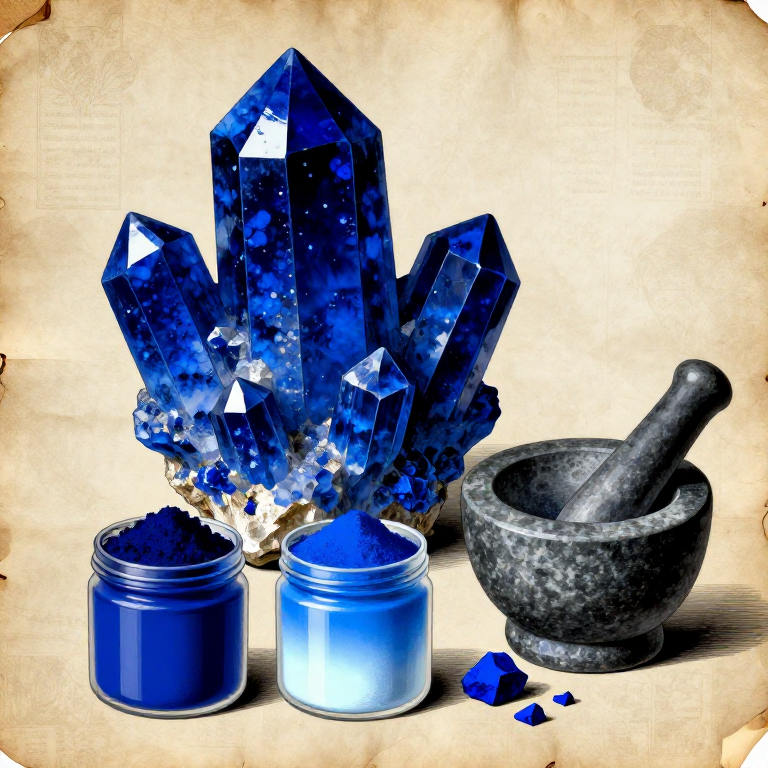

Making Azurite Blue Pigment — Grinding the Copper Mineral into the Blue of Medieval Painting
Azurite (basic copper carbonate, Cu₃(CO₃)₂(OH)₂) is the blue sister mineral to malachite (the green copper carbonate). Both form together in the oxidation zones of copper ore deposits, and in many specimens you can see vivid blue azurite crystals gradually weathering into green malachite. As a pigment, azurite was the most important blue available to European painters from antiquity through the Renaissance — far more affordable than ultramarine (from lapis lazuli) and far more intensely coloured than smalt (cobalt blue glass). The Egyptians, Greeks, and Romans all used it; medieval and early Renaissance painters relied on it as their workhorse blue.
The challenge with azurite pigment lies in the grinding: coarsely ground particles produce a deep, vivid blue, but finely ground azurite becomes progressively paler and more grey-green as the particles shrink below about 30 microns. This is because the colour depends on the crystal structure interacting with light at a minimum size — below that threshold, the pigment loses its blue character. Historically, painters therefore used azurite at a relatively coarse grind, applying it in thick layers over a dark underpainting to maximise its brilliant blue appearance. It is non-toxic (unlike many historical blue pigments), lightfast, and compatible with most binders, though it can slowly convert to green malachite in humid conditions over centuries.
Ìlànà
Select and inspect azurite ore
Select and inspect azurite ore
Obtain azurite mineral specimens from a geological supplier or mineral dealer. Good pigment-grade azurite should be a deep, vivid blue — the best specimens are an intense royal blue. Avoid specimens that are heavily weathered to green (indicating conversion to malachite) or mixed with large amounts of brown matrix rock. Small amounts of green malachite inclusions are normal and unavoidable, but the specimen should be predominantly blue. The purer and more intensely blue the starting material, the more vivid the final pigment.
Àwọn ohun èlò fún ìgbésẹ̀ yìí:
 Ẹ̀tù azurite250 g
Coarse crushing in mortar
Coarse crushing in mortar
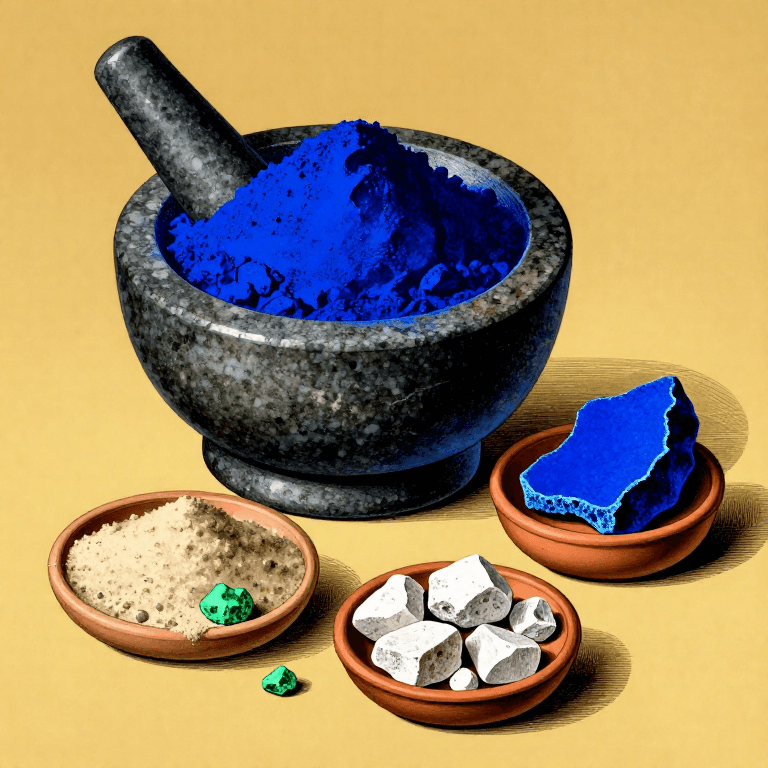
Break the azurite into small fragments in a stone mortar using firm, controlled blows with the pestle. Crush to roughly rice-grain size — do NOT grind to fine powder at this stage. This is the critical point: azurite pigment must be kept at a relatively coarse particle size to retain its blue colour. Over-grinding produces a pale, grey-green powder that is nearly useless as a blue pigment. Wear a dust mask during crushing. Separate out any obvious pieces of brown rock matrix or green malachite by hand — these dilute the blue colour.
Àwọn irinṣẹ́ tí a nílò:
 Odó àti Ọmọ Odó Òkúta
 Ìbòjú Eruku
Wash and levigate to separate grades
Wash and levigate to separate grades
Place the crushed azurite in a glass jar and add water. Stir gently, then let settle for just 10-15 seconds. The coarsest, deepest blue particles sink immediately — this is your best pigment grade (the 'first blue'). Pour off the still-cloudy water into a second jar. Let the second jar settle for 30-60 seconds — this produces the 'second blue', slightly finer and slightly lighter. Repeat once more to collect a 'third blue' — the finest, palest grade. Each successive grade is finer and paler. The first blue is the most vivid and valuable. The second and third grades are useful for lighter passages. Keep each grade separate.
Àwọn irinṣẹ́ tí a nílò:
 Ìgò dígí ìdúbúlẹ̀
 Ọ̀pá Ìrúwé
Dry the separated pigment grades
Dry the separated pigment grades
Pour off the clear water from each settled grade. Spread each wet pigment paste on a separate clean surface and let dry completely (overnight to 1 day). Do not mix the grades — label them clearly. The first grade (coarsest, from the fastest settling) will be the deepest, most vivid blue. The third grade (finest) will be noticeably paler and more grey-blue. This grading system is identical to that described in Cennino Cennini's 'Il Libro dell'Arte' (c. 1390), the great medieval painter's manual.
Àwọn irinṣẹ́ tí a nílò:
 Aṣọ Òwú
Store the finished azurite pigment
Store the finished azurite pigment
Store each grade of dried azurite pigment in separate sealed glass jars, clearly labelled by grade. Azurite pigment is lightfast, non-toxic, and compatible with egg tempera, oil, fresco, encaustic, and watercolour binders. For oil painting, grind with linseed oil — note that azurite becomes slightly greenish in oil over time as the oil yellows, so it works best in tempera and fresco. Apply over a dark underpainting (indigo, smalt, or dark grey) to maximise the blue intensity. In humid conditions over very long periods (centuries), azurite can slowly weather to green malachite — the same geological transformation that occurs in nature. This is why some medieval paintings that were originally blue now appear green.
Àwọn irinṣẹ́ tí a nílò:
 Ìgò Gílásì Onídìí
Àwọn ohun-èlò
1- 250 gÀyè
Àwọn irinṣẹ́ tó nílò
6- Àyè
- Àyè
- Àyè
Àwọn Ohun Èlò Ìtọ́nisọ́nà Tí A So Pọ̀
Making Malachite Green Pigment — Grinding the Copper Mineral into Painter's Green
láti ọwọ́ Charlie
IṢẸ́ ỌNÀ
Making Ultramarine from Lapis Lazuli — Extracting the Most Precious Pigment in History
láti ọwọ́ Charlie
IṢẸ́ ỌNÀ
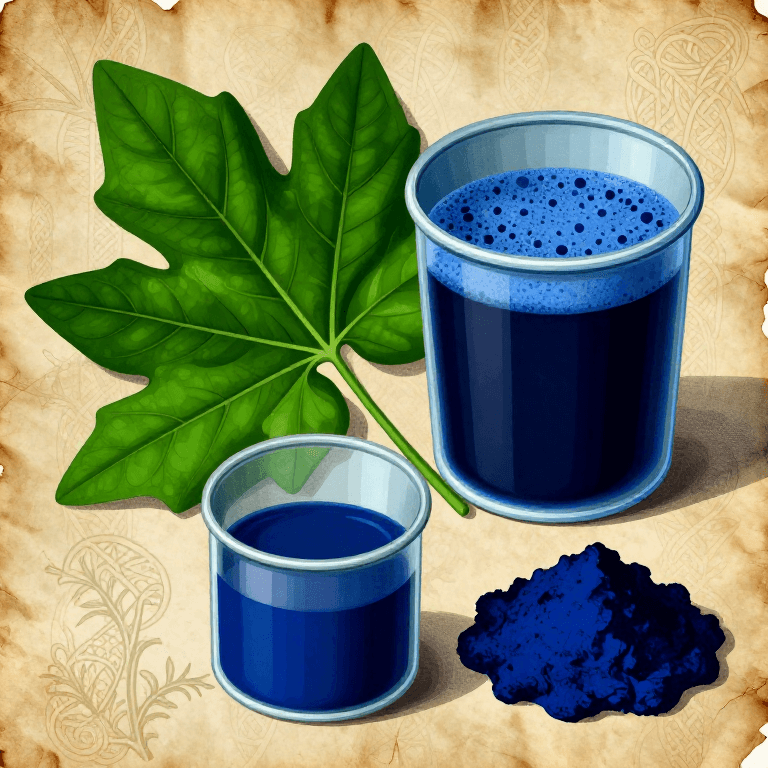
Making Woad Blue Pigment — Europe's Ancient Blue Before Indigo
láti ọwọ́ Charlie
IṢẸ́ ỌNÀ
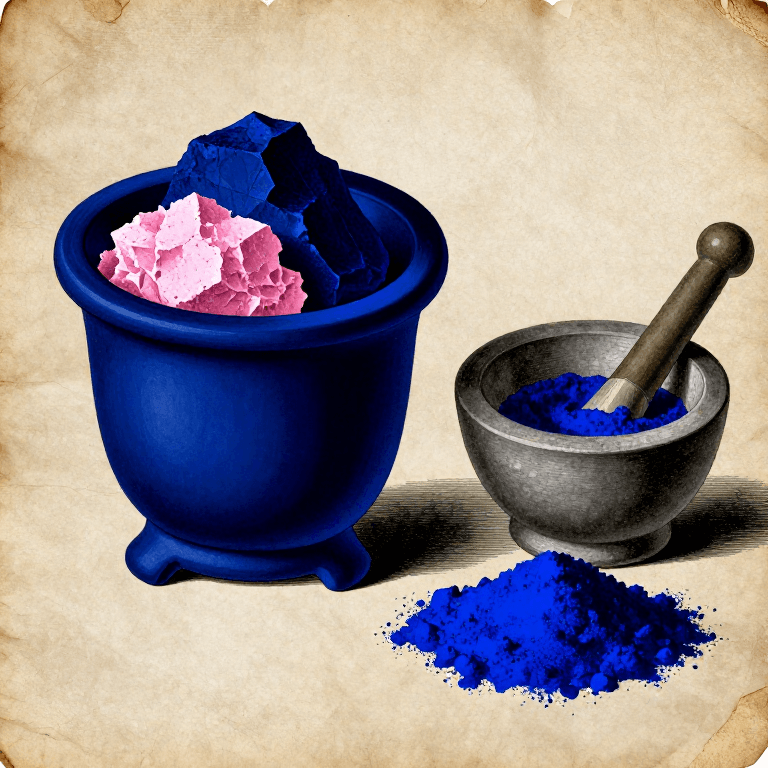
Making Cobalt Blue (Thénard's Blue) — The First Modern Synthetic Blue Pigment
láti ọwọ́ Charlie
IṢẸ́ ỌNÀ
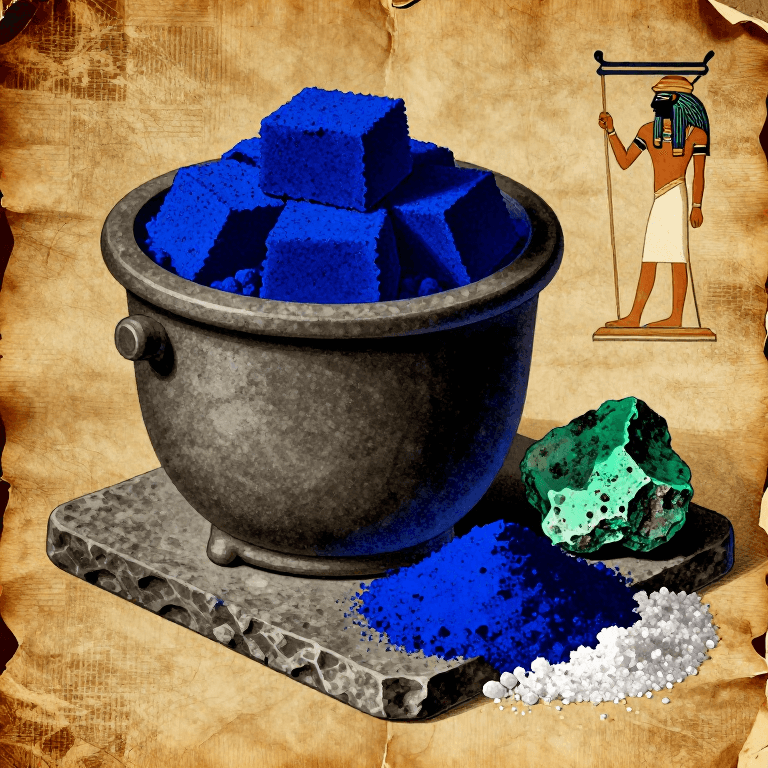
Making Egyptian Blue — The World's First Synthetic Pigment
láti ọwọ́ Charlie
IṢẸ́ ỌNÀ
Ìtọ́nisọ́nà yìí ń ṣe

Blueprint tó jọra
Àwọn blueprint wọ̀nyí pín ìmọ̀ — ọ̀nà, ohun-èlò tàbí ìlànà
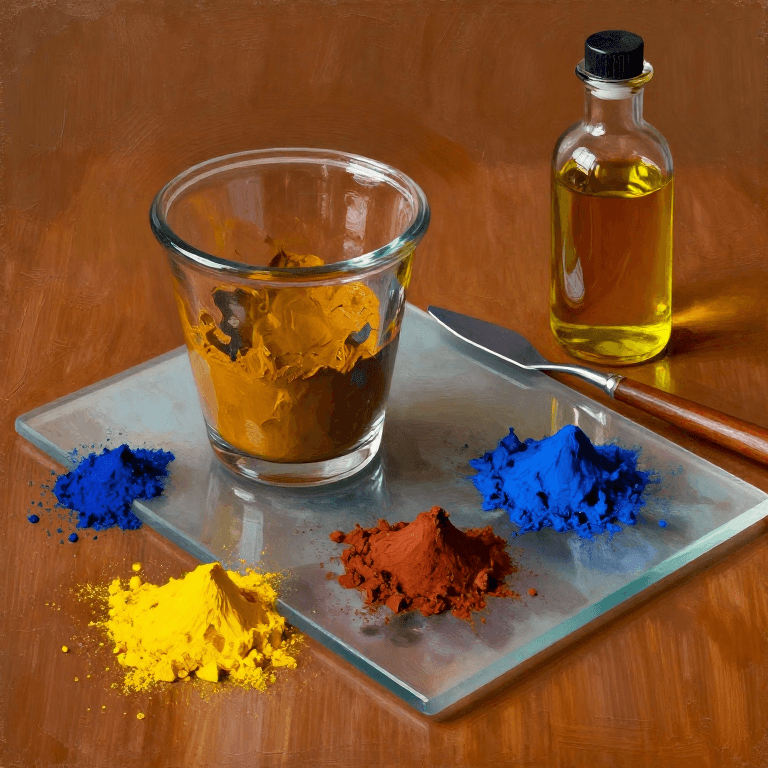
Making Oil Paint from Raw Pigments — Grinding Pigments in Linseed Oil
láti ọwọ́ Charlie
IṢẸ́ ỌNÀ
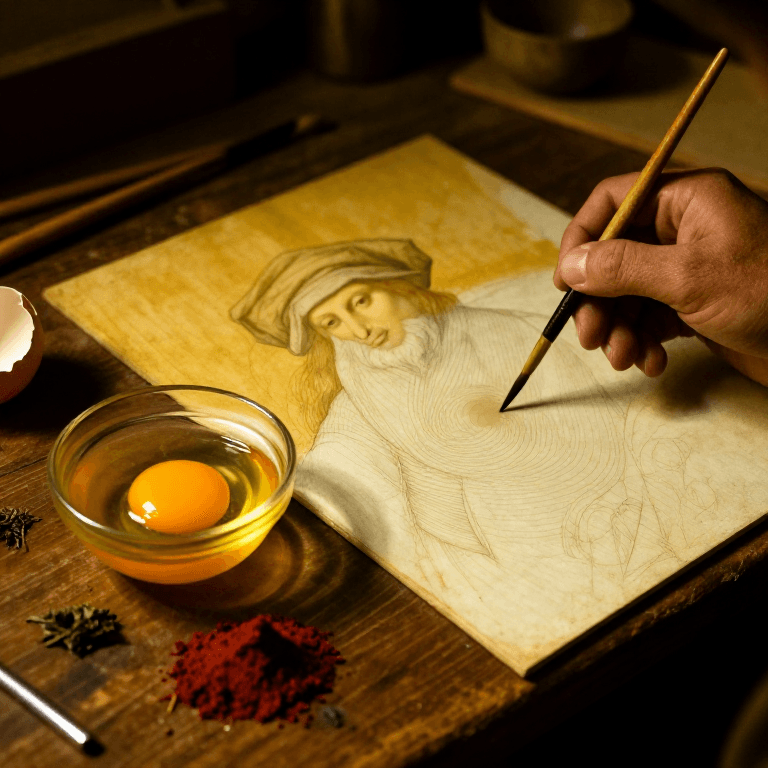
Making Egg Tempera Paint — The Medieval Panel Painting Medium
láti ọwọ́ Charlie
IṢẸ́ ỌNÀ
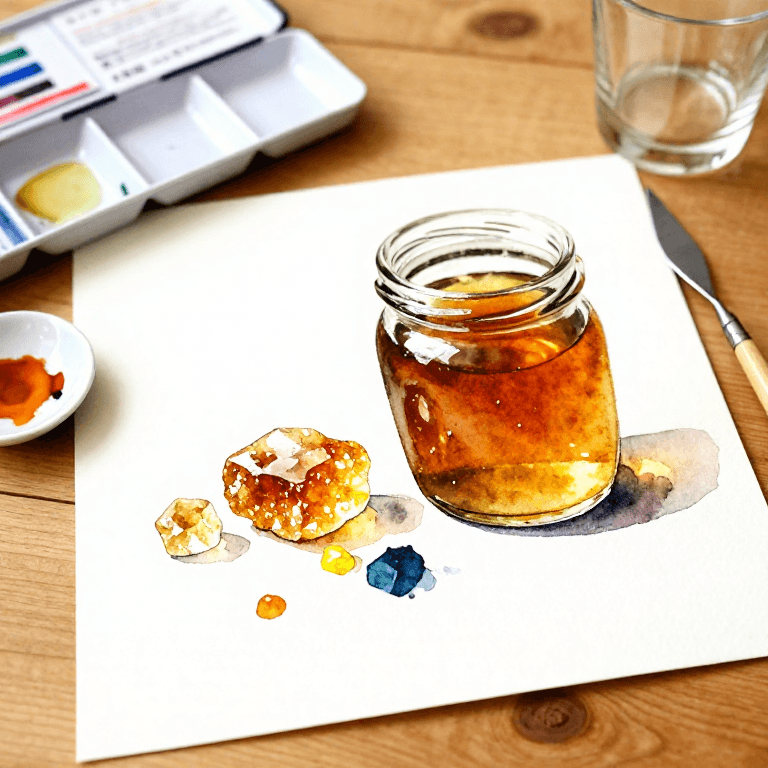
Making Watercolour Paint from Raw Pigments — Gum Arabic Binder
láti ọwọ́ Charlie
IṢẸ́ ỌNÀ
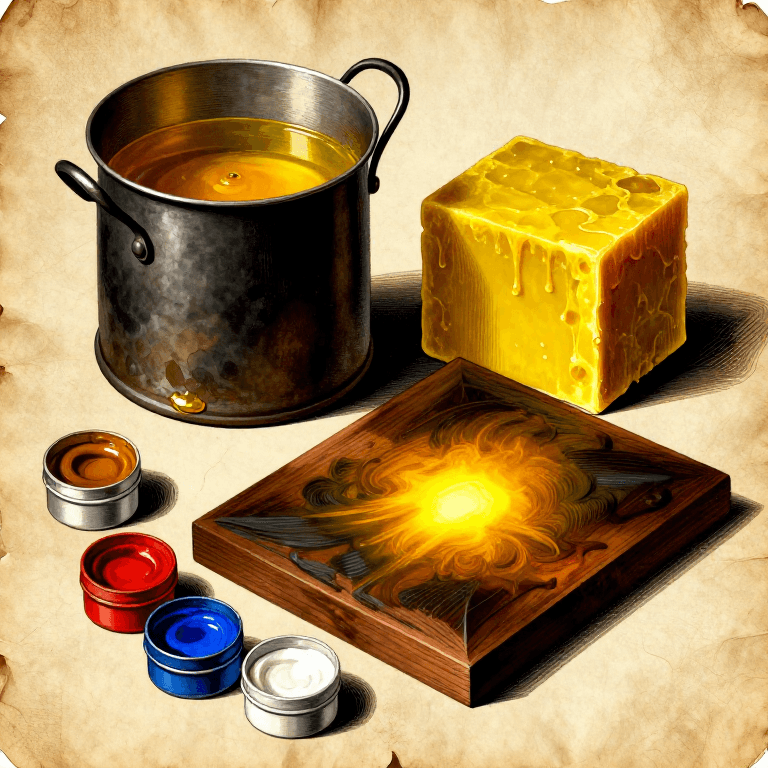
Making Encaustic Paint — The Hot Beeswax Medium of Ancient Greek and Egyptian Painters
láti ọwọ́ Charlie
IṢẸ́ ỌNÀ
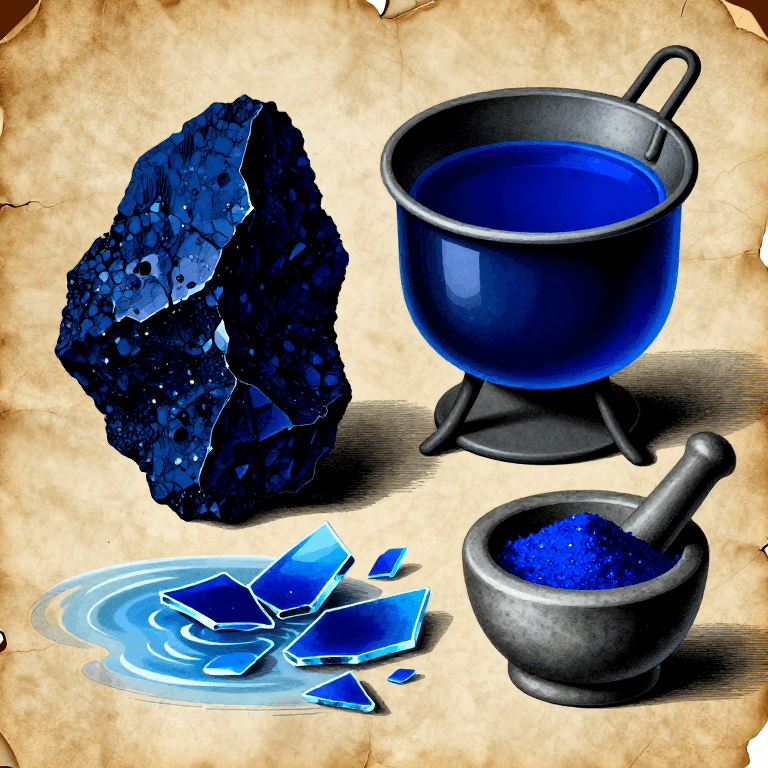
Making Smalt — Grinding Cobalt Blue Glass into the Renaissance Painter's Blue Pigment
láti ọwọ́ Charlie
IṢẸ́ ỌNÀ
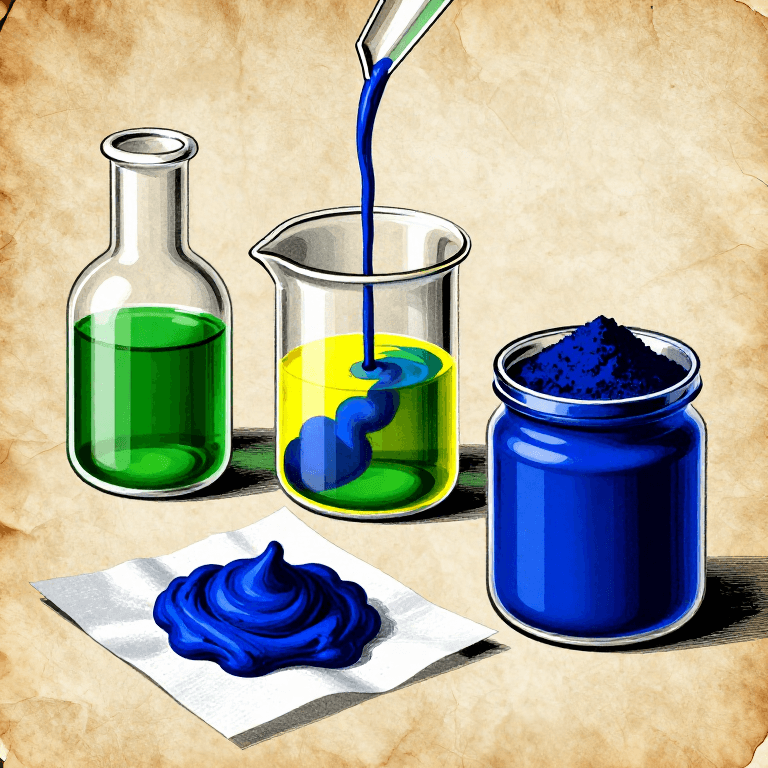
Making Prussian Blue — The First Modern Synthetic Pigment (Berlin, 1704)
láti ọwọ́ Charlie
IṢẸ́ ỌNÀ
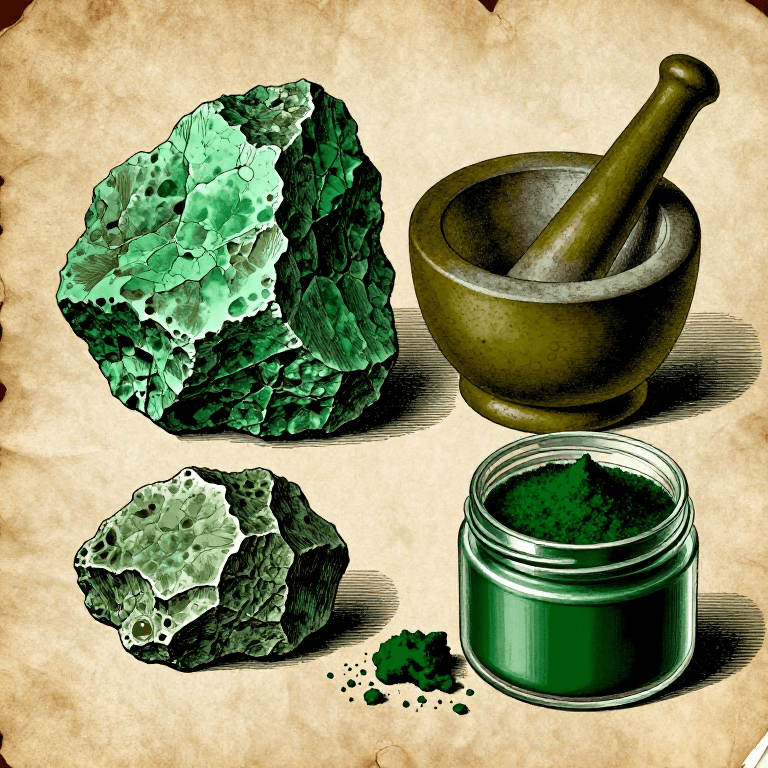
Making Green Earth Pigment (Terra Verte) — The Soft Green of Celadonite and Glauconite
láti ọwọ́ Charlie
IṢẸ́ ỌNÀ
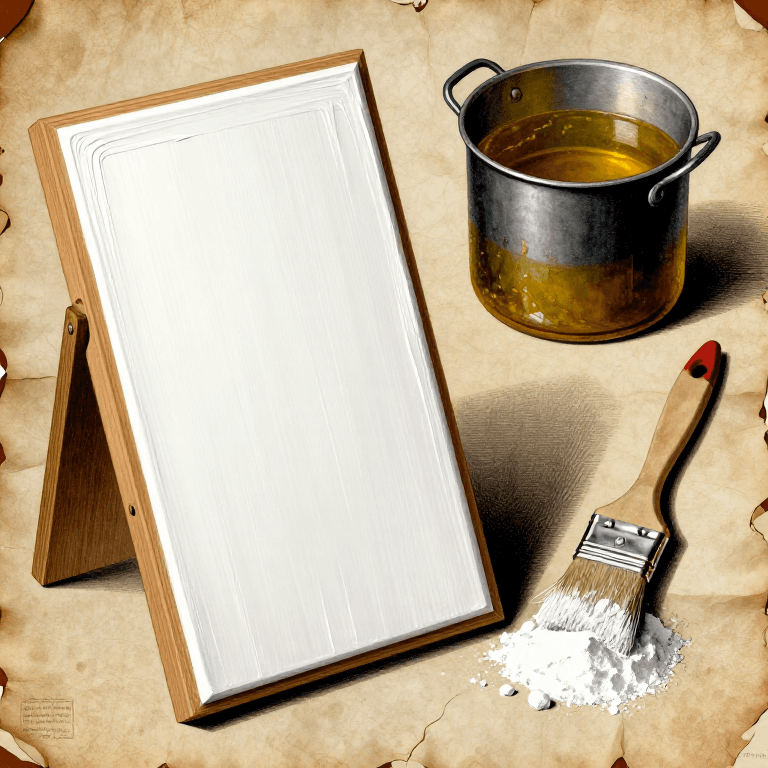
Making Traditional Gesso — The White Ground That Prepared Every Panel Painting in History
láti ọwọ́ Charlie
IṢẸ́ ỌNÀ
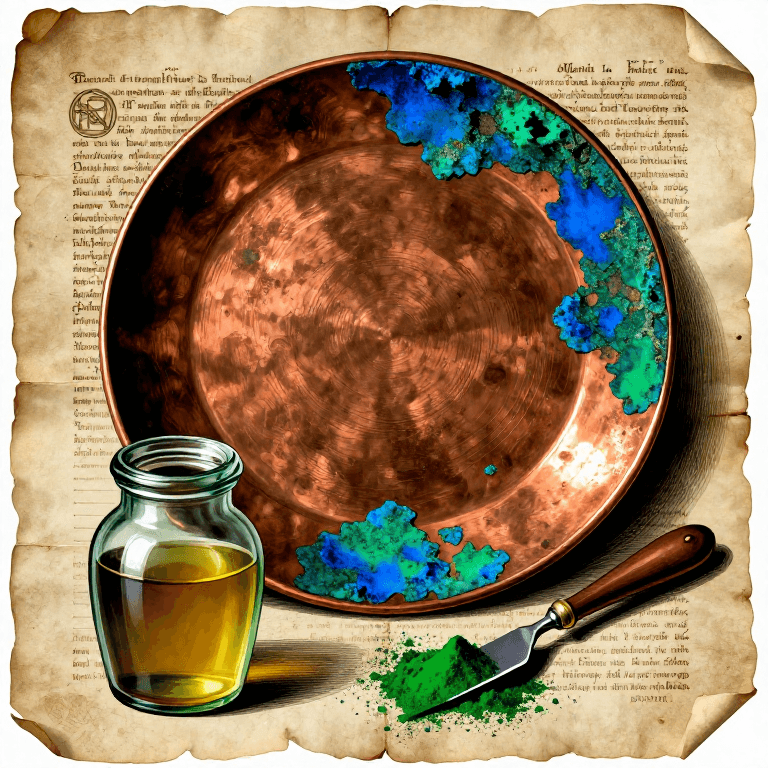
Making Verdigris — The Copper Acetate Green of Medieval Painters
láti ọwọ́ Charlie
IṢẸ́ ỌNÀ
Egyptian Blue Pigment — Grinding Egyptian Blue from Copper Silicate
láti ọwọ́ Charlie
Kẹ́míkà
Identifying and Collecting Malachite — Copper Carbonate Ore from the Earth
láti ọwọ́ Peter
Iṣẹ́ Irin
Smelting Copper from Malachite — From Green Ore to Red Metal
láti ọwọ́ Peter
Iṣẹ́ Irin
Painting a Buon Fresco on Wet Lime Plaster — Roman Wall Painting
láti ọwọ́ Charlie
Iṣẹ́ Bíríkì
CC0 Àgbègbè Gbogbogbò
Blueprint yìí ti jáde lábẹ́ CC0. O lè ṣe àdàkọ, yí padà, pín, àti lò láìsí ìyọ̀ǹda.
Ṣàtìlẹ́yìn Olùṣẹ́dá nípa rírà àwọn ọjà nipasẹ̀ Blueprint wọn Ẹ̀san Olùṣẹ́dá tí àwọn Olùtajà gbé kalẹ̀, tàbí ṣẹ̀dá àtúnṣe tuntun ti Blueprint yìí kí o sì fi sínú Blueprint rẹ gẹ́gẹ́ bí ìsopọ̀ láti pín owó-wíwọlé.