IṢẸ́ ỌNÀ
ẸWÀ ÀTI ÌLERA
IṢẸ́ ỌWỌ́
ÀṢÀ ÀTI ÌTÀN
ÌṢERÉ
ÀYÍKÁ
OÚNJẸ ÀTI OHUN MÍMU
REVERSE ENGINEERING
SÁYẸ́ǸSÌ
ERÉ ÌDÁRAYÁ
ÌMỌ̀-Ẹ̀RỌ
ÀWỌN OHUN WÍWỌ̀
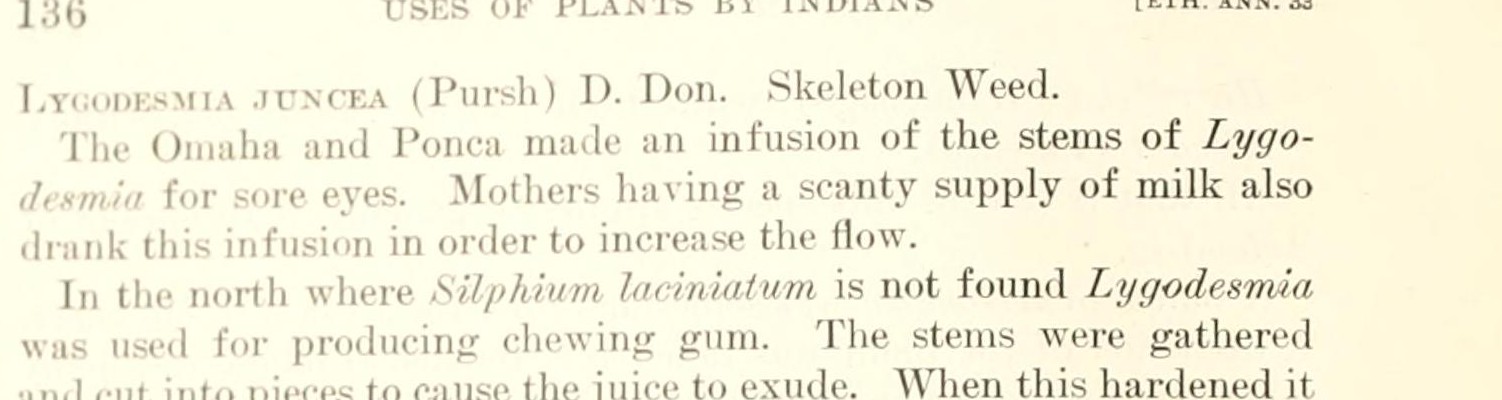

Eye, Ear and Tooth Remedies of the Missouri River Tribes: Rose-hip and Skeleton Weed Washes, Licorice and Yarrow for Earache, Licorice, Calamus and Echinacea for Toothache (Gilmore, 1919)
Eye, ear and tooth remedies Melvin Gilmore recorded on the Missouri: a steeped rose-hip eye wash (Omaha) and skeleton weed stems for sore eyes (Omaha, Ponca); steeped licorice leaves (Teton Dakota) and a wad of yarrow (Winnebago) for earache; and licorice root, calamus or a piece of echinacea held on an aching tooth. Recorded use, not medical advice.
Olùbẹ̀rẹ̀
An hour
Ìlànà
1
1
Read Gilmore
Read Gilmore
Eye, ear and tooth remedies from Gilmore's list of plants, credited to the tribes he names. Recorded use, not medical advice: eye pain, a discharging ear or a swollen jaw need a doctor or dentist (ours).
2
2
Eye washes
Eye washes
Omaha: steep wild rose fruits for "a wash for inflammation of the eyes". Omaha and Ponca: an infusion of skeleton weed stems "for sore eyes." Ours: strain through clean cloth and use cooled.
Àwọn ohun èlò fún ìgbésẹ̀ yìí:
 Wild Rose Fruits1 ẹyọ
 Skeleton Weed Stems1 ẹyọ
 Omi1 ẹyọ
Àwọn irinṣẹ́ tí a nílò:
 Ọ̀bẹ
 Ìkòkò amọ̀
 Ihò iná
 Aṣọ wàrà-dídì
3
3
Earache
Earache
Teton Dakota: "The leaves after being steeped are applied to the ears for earache" (wild licorice). Winnebago: "a wad of the leaves, also the infusion, was put into the ear" (yarrow).
Àwọn ohun èlò fún ìgbésẹ̀ yìí:
 Wild Licorice Leaves1 ẹyọ
 Yarrow (Achillea millefolium)1 ẹyọOmi1 ẹyọ
Àwọn irinṣẹ́ tí a nílò:
Ìkòkò amọ̀Ihò iná4
4
Toothache
Toothache
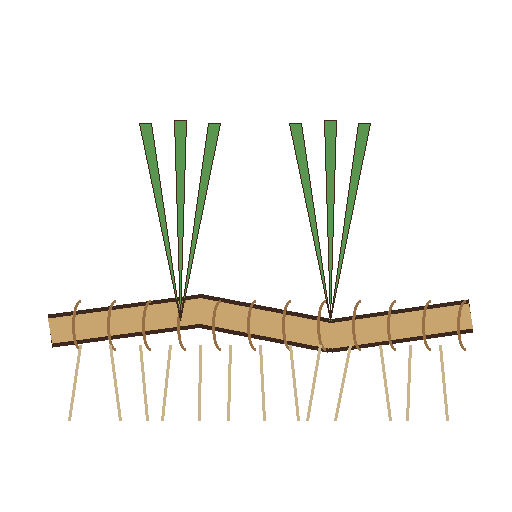
Teton Dakota: chew wild licorice root and hold it in the mouth; "It tastes strong at first, but after a while it becomes sweet." Calamus rootstock was chewed for toothache; a piece of echinacea was "kept on the painful tooth until there was relief".
Àwọn ohun èlò fún ìgbésẹ̀ yìí:
 Wild Licorice Root1 ẹyọ
 Calamus Rootstock1 ẹyọ
 Narrow-leaved Purple Coneflower Plant1 ẹyọ
Àwọn irinṣẹ́ tí a nílò:
 Ọ̀pá ìwalẹ̀Ọ̀bẹ
5
5
Sore mouth in babies
Sore mouth in babies
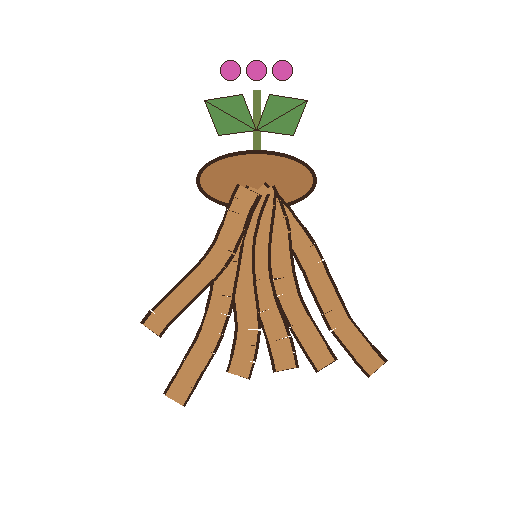
Pawnee: dry four-o'clock root, grind it fine and put it on dry. Ours: nothing in a baby's mouth without a doctor.
Àwọn ohun èlò fún ìgbésẹ̀ yìí:
 Umbrella-Plant Root1 ẹyọ
Àwọn irinṣẹ́ tí a nílò:
Ọ̀pá ìwalẹ̀ Odó àti Ọmọ Odó Òkúta
6
6
Troubleshooting
Troubleshooting
Safety.
Flow
Loading...
7
7
History and honest limits
History and honest limits
From Melvin R. Gilmore, *Uses of Plants by the Indians of the Missouri River Region*, **33rd Annual Report of the Bureau of American Ethnology** (1919), pp. 70, 72, 78, 85, 92, 116, 131, 134 and 136 (checked on the archive.org scan usesofplantsbyin00gilm). Gilmore wrote down what Omaha, Ponca, Pawnee, Dakota, Winnebago and Oto people told him; each remedy is credited to the tribe he names. Echinacea's Omaha-Ponca name means eye-wash plant, but Gilmore gives no preparation. Left out: blue flag rootstock dropped in the ear or eye-water, and a coral berry leaf eye lotion (both plants are poisonous). Safety lines are ours. Recorded use, not medical advice.
Àwọn ohun-èlò
9- 1 ẹyọÀyè
- 1 ẹyọÀyè
- 2 ẹyọÀyè
- 1 ẹyọÀyè
- Àyè
- 1 ẹyọÀyè
- 1 ẹyọÀyè
- 1 ẹyọÀyè
Ìtọ́nisọ́nà yìí ń ṣe

Blueprint tó jọra
Àwọn blueprint wọ̀nyí pín ìmọ̀ — ọ̀nà, ohun-èlò tàbí ìlànà

Chippewa Remedies for Sore Eyes, Sties, Cataract and Sore Ears: Dogwood and Alder Washes, Chickweed, Rose and Raspberry Root, Squirrel-Tail, Aster (Densmore, 1928)
láti ọwọ́ Bob
Ìṣègùn
9
0
0
0
0
0
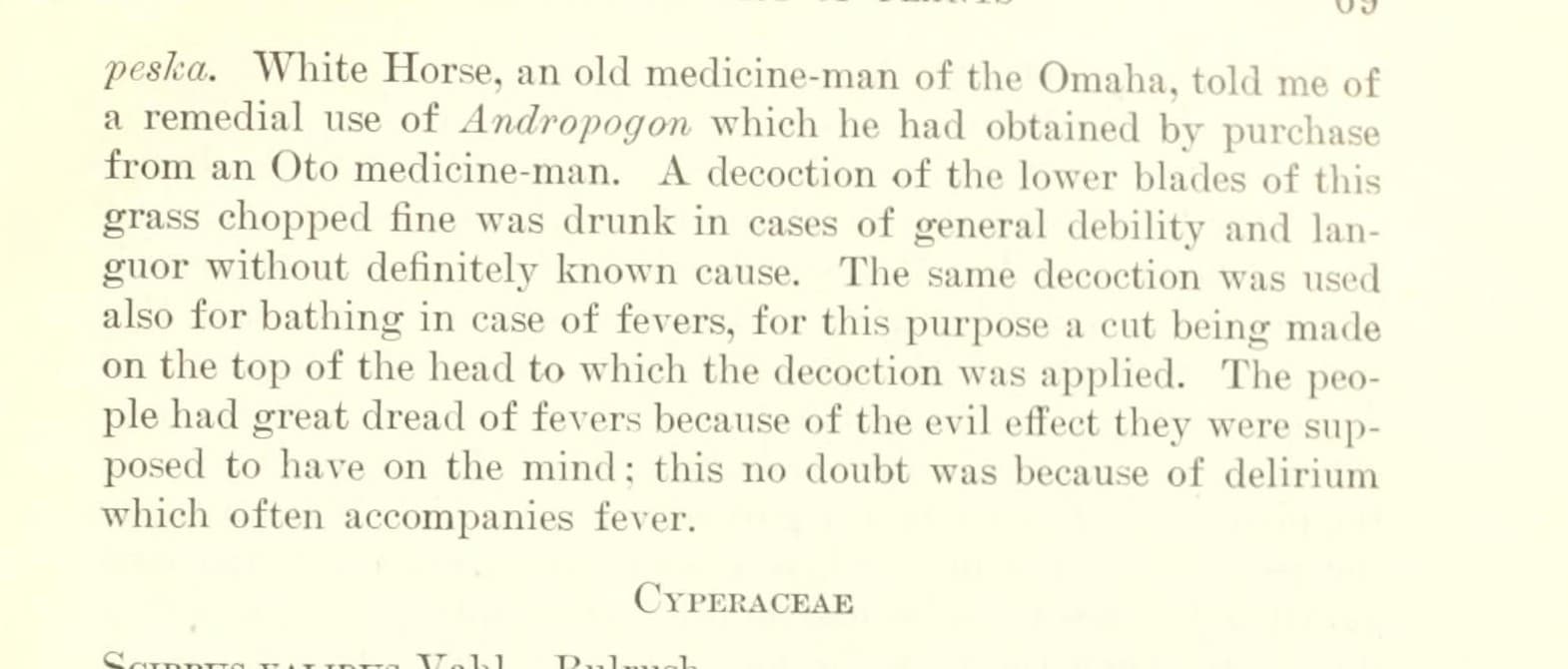
Fever Remedies of the Missouri River Tribes: Calamus, Hops, Wild Four-o'clock, Wild Licorice, Beardtongue and Herb Washes (Gilmore, 1919)
láti ọwọ́ Bob
Ìṣègùn
12
0
0
0
0
0
CC0 Àgbègbè Gbogbogbò
Blueprint yìí ti jáde lábẹ́ CC0. O lè ṣe àdàkọ, yí padà, pín, àti lò láìsí ìyọ̀ǹda.
Ṣàtìlẹ́yìn Olùṣẹ́dá nípa rírà àwọn ọjà nipasẹ̀ Blueprint wọn Ẹ̀san Olùṣẹ́dá tí àwọn Olùtajà gbé kalẹ̀, tàbí ṣẹ̀dá àtúnṣe tuntun ti Blueprint yìí kí o sì fi sínú Blueprint rẹ gẹ́gẹ́ bí ìsopọ̀ láti pín owó-wíwọlé.