IṢẸ́ ỌNÀ
ẸWÀ ÀTI ÌLERA
IṢẸ́ ỌWỌ́
ÀṢÀ ÀTI ÌTÀN
ÌṢERÉ
ÀYÍKÁ
OÚNJẸ ÀTI OHUN MÍMU
REVERSE ENGINEERING
SÁYẸ́ǸSÌ
ERÉ ÌDÁRAYÁ
ÌMỌ̀-Ẹ̀RỌ
ÀWỌN OHUN WÍWỌ̀
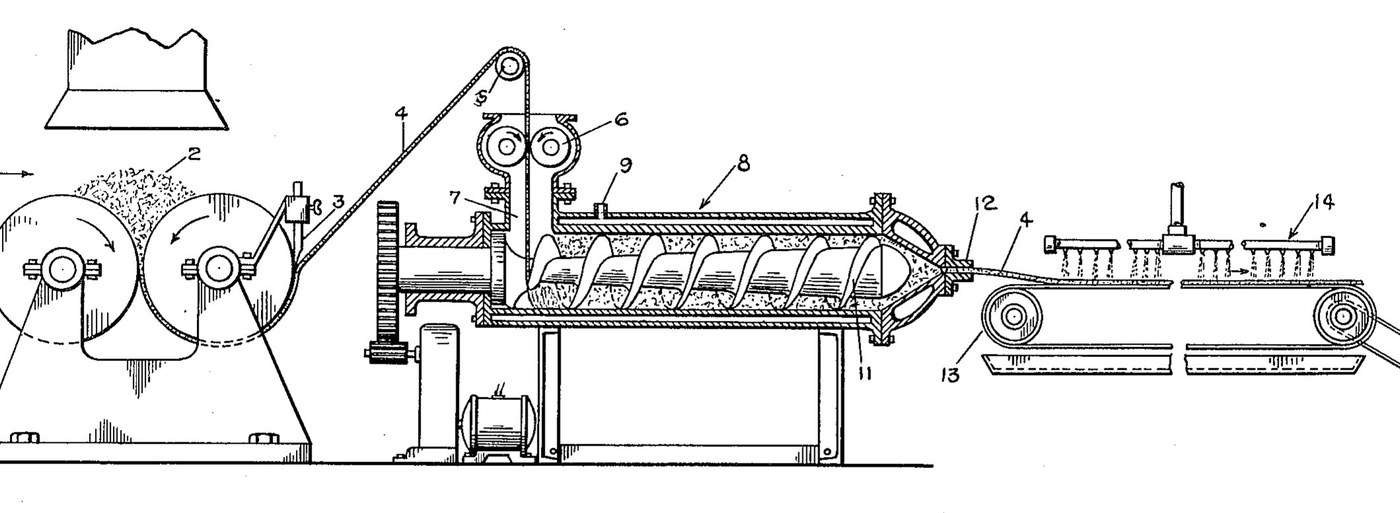


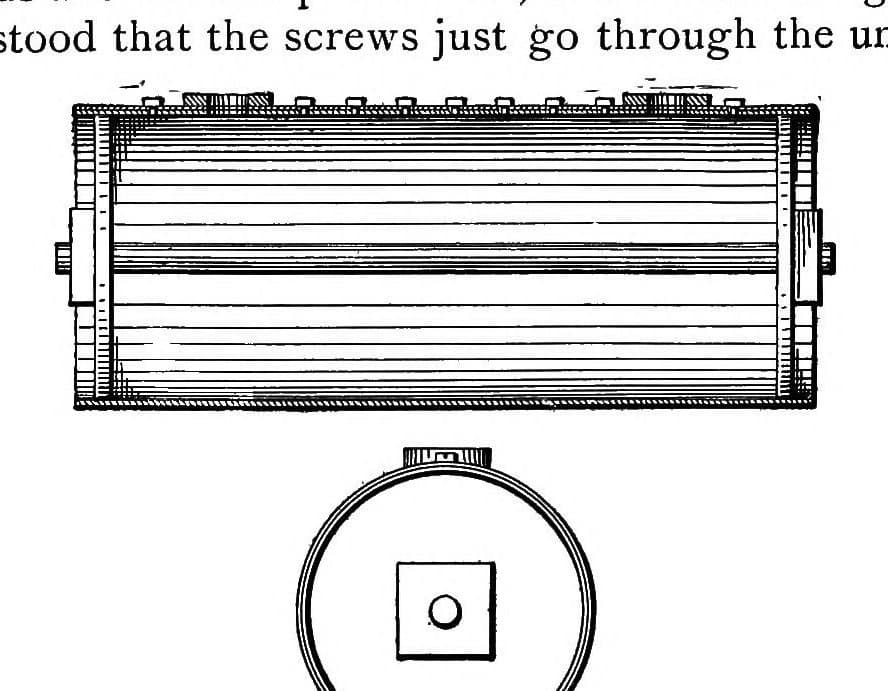
Plastic Extruder: Steam-Jacketed Screw Stuffer with a Heated Nozzle (Andersen & Strasdin, US 2,384,521, 1945)
A screw extruder for thermoplastics: a turning screw in a steam-jacketed barrel pushes hot, softened plastic forward through a short nozzle heated electrically. The barrel is kept a little below the plastic's flow temperature and the nozzle well above it, so the extruded rod comes out with a smooth, glass-like skin.
Result: an extruder that makes rod, tube or strip at 25 to 30 feet a minute.
Source: B. Andersen and R. F. Strasdin (Celanese), US 2,384,521 (1945). Unknown: sizes and metals. Picture: the patent drawing.
Ilọsíwájú
Unknown
Ìlànà
1
1
Make the screw
Make the screw
Turn a screw to fit the barrel. Its thread may be single or double; to press the plastic harder toward the nozzle, make the pitch increase or the groove get shallower toward that end. Example: a double-thread screw. Ours: mild steel. Not given: sizes.
Àwọn ohun èlò fún ìgbésẹ̀ yìí:
 Ọ̀pá rírọ irin rírọ̀1 screw
Àwọn irinṣẹ́ tí a nílò:
 Ẹ̀rọ Ìyí Irin
 Ẹ̀rọ Ìgégé Irin
 Ìwọ̀n tí a kò mọ̀
2
2
Make the jacketed barrel
Make the jacketed barrel
Make the barrel with a steam jacket round it and a steam port into the jacket, and a feed throat at the back end. The inside wall may be grooved, pitched so that every flight of the screw always meets a groove; this stops the plastic slipping. Not given: the metal, the steam pressure.
Àwọn ohun èlò fún ìgbésẹ̀ yìí:
 Irin tí a kò mọ̀1 barrel and jacket
Àwọn irinṣẹ́ tí a nílò:
Ẹ̀rọ Ìyí IrinÌwọ̀n tí a kò mọ̀3
3
Fit the heated nozzle
Fit the heated nozzle
At the front, fit a streamlined nozzle head so no plastic can pocket and decompose, and a nozzle 1/2 to 18 inches long; about 6 inches in the example. Perforated plates may go between the screw and the nozzle. Heat the nozzle with an electric resistance coil. Ours: nichrome wire.
Àwọn ohun èlò fún ìgbésẹ̀ yìí:
Irin tí a kò mọ̀1 nozzle head and nozzle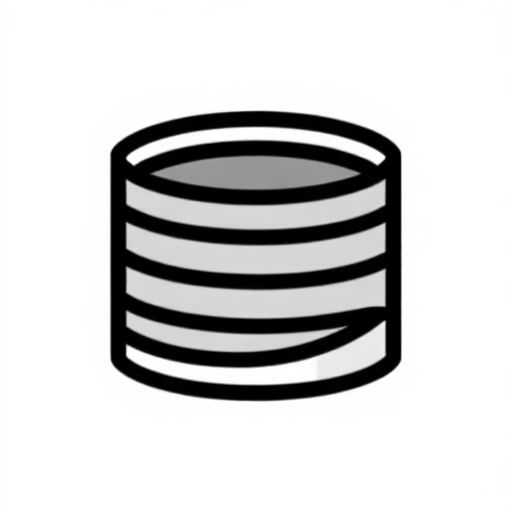 Okun waya nichrome1 nozzle heating coil
 Ohun ìdènà iná tí a kò mọ̀1 coil insulation
Àwọn irinṣẹ́ tí a nílò:
Ẹ̀rọ Ìyí Irin4
4
Drive the screw
Drive the screw
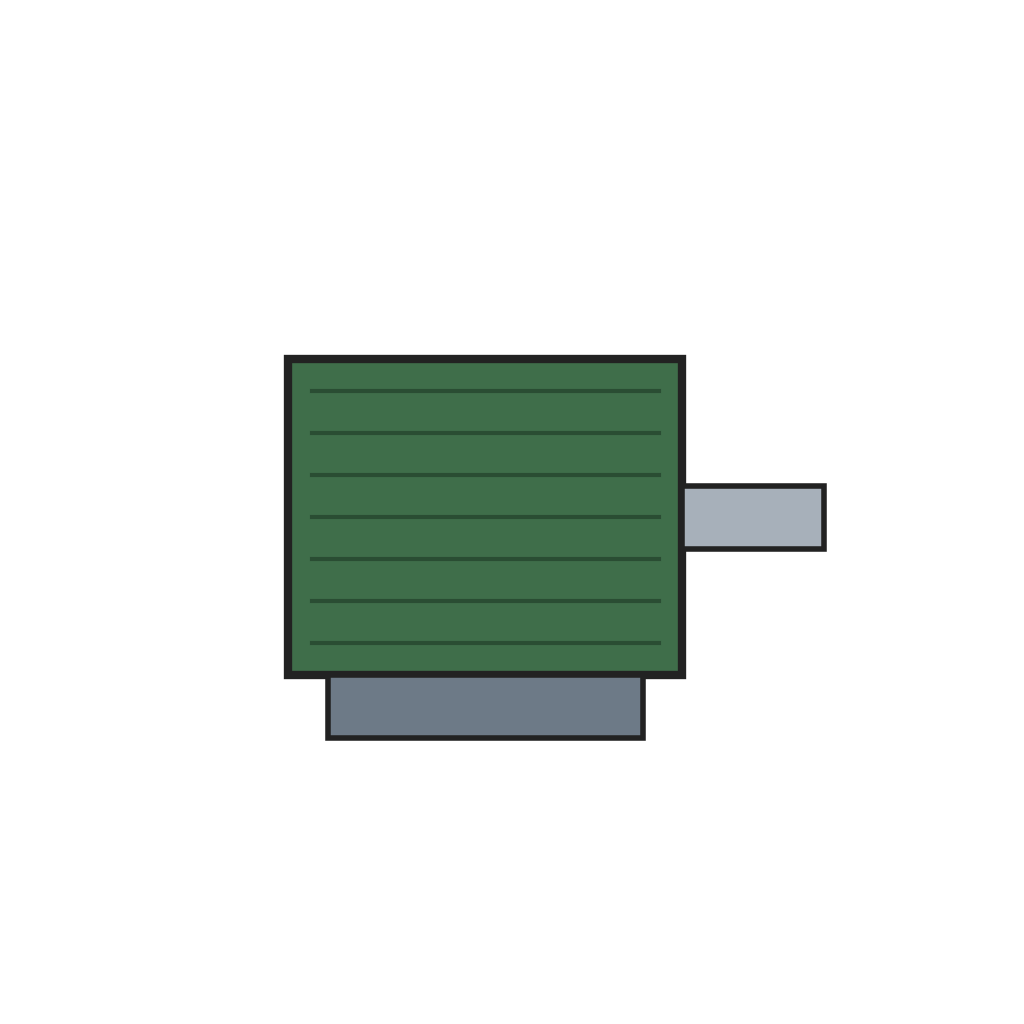
Drive the screw through a gear from a motor, so its speed can be kept steady; 20 revolutions a minute in the example. Not given: the drive.
Àwọn ohun èlò fún ìgbésẹ̀ yìí:
 Mọ́tò iná mànàmáná1 drive motorIrin tí a kò mọ̀1 drive gears
Àwọn irinṣẹ́ tí a nílò:
Ìwọ̀n tí a kò mọ̀5
5
Extrude a rod
Extrude a rod
Keep the barrel 0 to 100 °F below the plastic's flow temperature and the nozzle 50 to 100 °F above it. Example: barrel at about 270 °F by steam, nozzle at about 400 °F, for a cellulose acetate with a flow temperature of 307 °F. Feed the hot, softened plastic into the throat at a steady rate. Carry the rod away on a conveyor and cool it at once with cold water, then cut it to length.
Àwọn irinṣẹ́ tí a nílò:
 Bọ́ìlà èéfín omi
 Pirómítà
 Omi
Àwọn ohun-èlò
5- 1 screwÀyè
- 1 drive gearsÀyè
- 1 nozzle heating coilÀyè
- 1 coil insulationÀyè
- 1 drive motorÀyè
Àwọn Ohun Èlò Ìtọ́nisọ́nà Tí A So Pọ̀

Ìtọ́nisọ́nà yìí ń ṣe
CC0 Àgbègbè Gbogbogbò
Blueprint yìí ti jáde lábẹ́ CC0. O lè ṣe àdàkọ, yí padà, pín, àti lò láìsí ìyọ̀ǹda.
Ṣàtìlẹ́yìn Olùṣẹ́dá nípa rírà àwọn ọjà nipasẹ̀ Blueprint wọn Ẹ̀san Olùṣẹ́dá tí àwọn Olùtajà gbé kalẹ̀, tàbí ṣẹ̀dá àtúnṣe tuntun ti Blueprint yìí kí o sì fi sínú Blueprint rẹ gẹ́gẹ́ bí ìsopọ̀ láti pín owó-wíwọlé.