IṢẸ́ ỌNÀ
ẸWÀ ÀTI ÌLERA
IṢẸ́ ỌWỌ́
ÀṢÀ ÀTI ÌTÀN
ÌṢERÉ
ÀYÍKÁ
OÚNJẸ ÀTI OHUN MÍMU
REVERSE ENGINEERING
SÁYẸ́ǸSÌ
ERÉ ÌDÁRAYÁ
ÌMỌ̀-Ẹ̀RỌ
ÀWỌN OHUN WÍWỌ̀
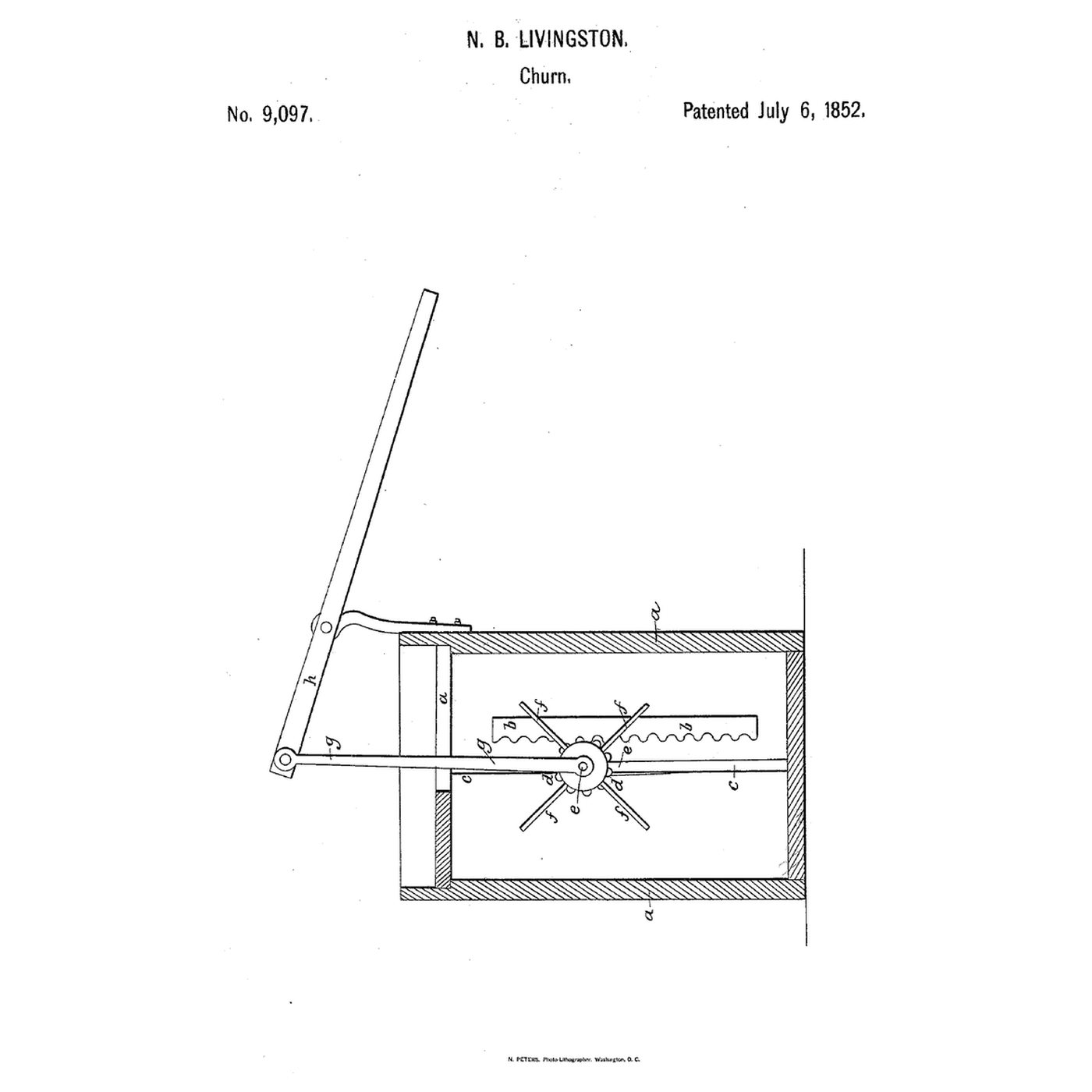

Rack-and-Pinion Rolling Beater Churn: Beaters That Turn One Way Up, the Other Way Down
Livingston wanted a deep, narrow churn in which every part of the cream is worked.
Norman B. Livingston of Portland, Indiana, received US 9,097, dated 6 July 1852, for a churn in which "a vertical rack (b) and groove (c) on each of two opposite sides of the box, receive pinions (d) on the two ends of a shaft (e) from which project wings or beaters (f)." A rod from a handle raises and lowers the shaft, and the beaters revolve "in one direction when going up and in the opposite direction when going down." He held a deep box made firmer, yellower butter than shallow vessels; that is his observation.
This rung works out the turn per stroke, then prints the wing hub, pinions and racks, fits them in a deep box, and makes butter.
Àárín
About 4 hours, plus printing
Ìlànà
1
1
Turn per stroke
Turn per stroke
Ń ṣí ìwé Jupyter…
2
2
A dasher that turns as it rises and falls before it
A dasher that turns as it rises and falls before it
The embedded blueprint turns an upright dasher with a pin in a spiral slot. Livingston turns a horizontal beater shaft with pinions on racks.
3
3
Read US 9,097
Read US 9,097
"The motion of the handle up and down, causes the shaft (e) and beaters (f), to ascend and descend in the groove (c), and the pinions (d) working at the same time in the racks (b), the beaters are thereby caused to revolve in one direction when going up and in the opposite direction when going down, so that both the vertical and the rotary movements, are reversed at every stroke."
4
4
Print the parts
Print the parts
Print the wing hub (/uploads/blueprints/rack-and-pinion-rolling-beater-churn-wing-hub.stl), two 14-tooth pinions (/uploads/blueprints/rack-and-pinion-rolling-beater-churn-pinion.stl) and two racks with their grooves (/uploads/blueprints/rack-and-pinion-rolling-beater-churn-rack-and-groove.stl). Print in PETG at 0.2 mm layers, 30 % infill, 4 walls; wash before first use.
Àwọn ohun èlò fún ìgbésẹ̀ yìí:
 Okùn PETG1 ẹyọ
Àwọn irinṣẹ́ tí a nílò:
 Ẹ̀rọ ìtẹ̀ 3D oníwàyà (FDM)
5
5
The deep box
The deep box
Take a deep, narrow food-safe box about 130 × 120 × 260 mm. Glue a rack upright on each of two opposite inside walls, directly facing each other, teeth the same way.
Àwọn ohun èlò fún ìgbésẹ̀ yìí:
 Àgọ́ ìtọ́jú ti ìpele oúnjẹ1 ẹyọ
 Ẹpọ́ksì Ẹ̀yà Méjì1 ẹyọ
Àwọn irinṣẹ́ tí a nílò:
 Àwọn clamp
 Okùn Ìdíwọ̀n
6
6
Shaft, rod and lever
Shaft, rod and lever
Pass a 10 mm square hardwood shaft through the hub and fix a pinion on each end so each meshes its rack, the shaft's ends riding in the grooves. Pivot a steel rod on the shaft's middle, and its top on a pine hand lever pivoted on a post at the box's end.
Àwọn ohun èlò fún ìgbésẹ̀ yìí:
 Àwọn dowel igi líle1 ẹyọ
 Ọ̀pá Róbótó Irin Rírọ̀1 ẹyọ
 Pákó igi pine1 ẹyọ
 Skurú ẹ̀rọ1 ẹyọ
 Nọ́ọ̀tì Onígun Mẹ́fà1 ẹyọ
 Ìsúrù igi #8 x 1"1 ẹyọ
Àwọn irinṣẹ́ tí a nílò:
 Ayùn Ọwọ́
 Ayùn Irin
 Ẹ̀rọ Ìlùkòkò Aláìlókùn
 Ìṣù àwọn ohun ìyí skurú
7
7
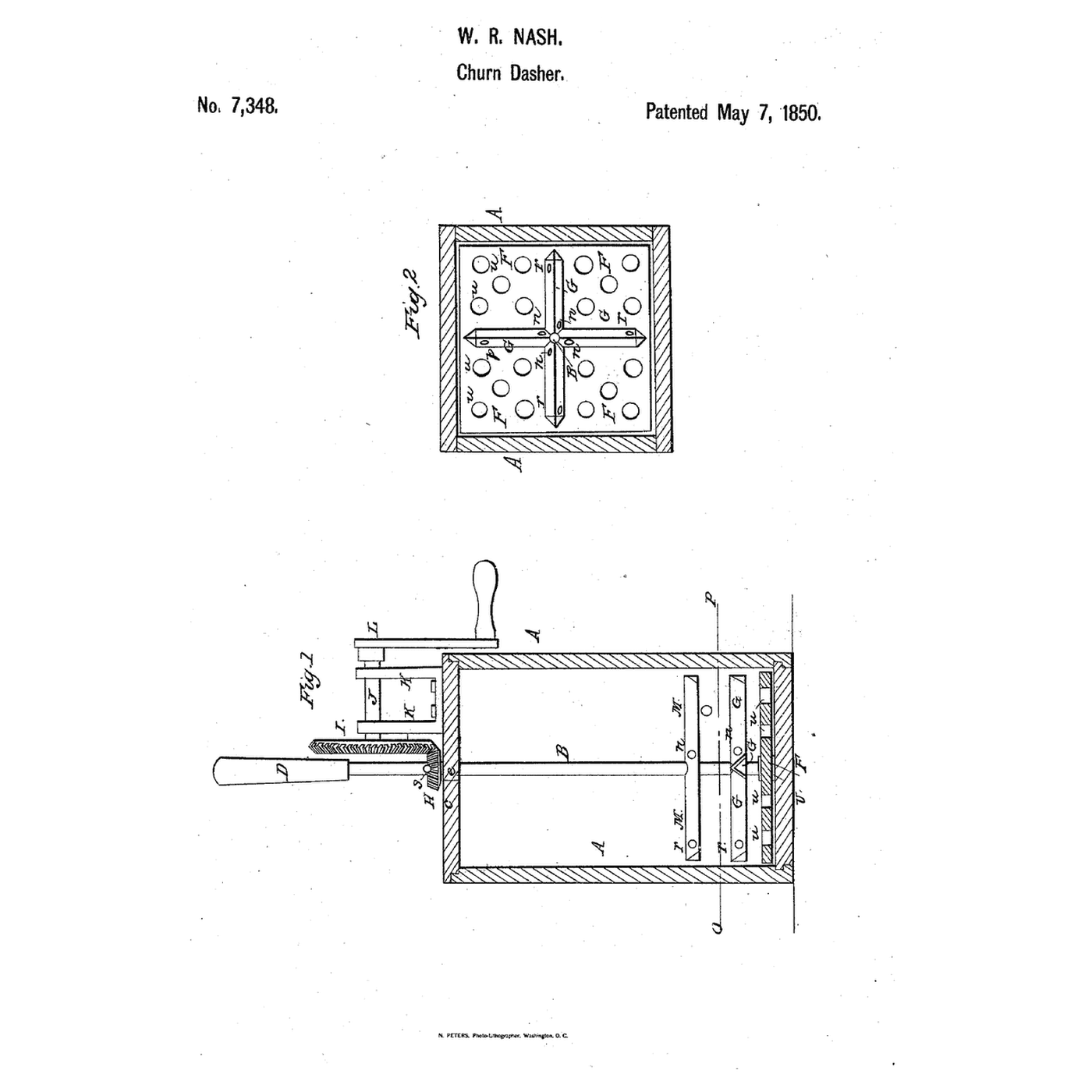
The patent drawing
The patent drawing
US 9,097 drawing sheet, public domain (expired patent).
8
8
Work the lever and make butter
Work the lever and make butter
Let the heavy cream stand until it reaches about 15 °C, checked with the thermometer. Pour in 2 litres. Work the lever up and down; the beaters roll one way and back. Time until the butter comes. Pour off the buttermilk, add cold water, churn a little and pour off again until it runs clear; work in a pinch of salt and weigh the butter.
Àwọn ohun èlò fún ìgbésẹ̀ yìí:
 Ọ̀rá wàrà tó nípọn2000 ml
 Iyọ̀ Òkun Rúkèrúdò1 ẹyọ
 Omi1 ẹyọ
Àwọn irinṣẹ́ tí a nílò:
 Ẹ̀rọ ìwọ̀n ooru oníhun tí ó dúró sí inú
 Aago Ìdúró
 Òṣùwọ̀n Díjítà Ilé Ìdáná
 Àwo ìdàpọ̀ ńlá ti irin tí kò ń yá
9
9
Pinions that skip, a shaft that tilts
Pinions that skip, a shaft that tilts
Rack-and-pinion beater troubleshooting.
Flow
Loading...
10
10
History and honest limits
History and honest limits
**Norman B. Livingston** of Portland, Fountain County, Indiana, received US 9,097, dated 6 July 1852. He claimed the racks, grooves and pinions by which the shaft and beaters traverse the cream with a compound vertical revolving and reciprocating motion.
**Honest limits.** A food-safe box and printed gears stand in for his. FDM prints hold food in their layer lines, so wash well and replace when worn. Your times and weights are the result.
Àwọn ohun-èlò
12- 1 ẹyọÀyè
- Àyè
- 1 ẹyọÀyè
- 1 ẹyọÀyè
- Àyè
- 1 ẹyọÀyè
- 1 ẹyọÀyè
- 1 ẹyọÀyè
- 1 ẹyọÀyè
- 2000 mlÀyè
- 1 ẹyọÀyè
- 1 ẹyọÀyè
Àwọn irinṣẹ́ tó nílò
11- Àyè
- 1 vendor sell this, none ship to you yetÀyè
- Àyè
- Àyè
- 1 vendor sell this, none ship to you yetÀyè
- Àyè
Ìtọ́nisọ́nà yìí ń ṣe

Blueprint tó jọra
Àwọn blueprint wọ̀nyí pín ìmọ̀ — ọ̀nà, ohun-èlò tàbí ìlànà
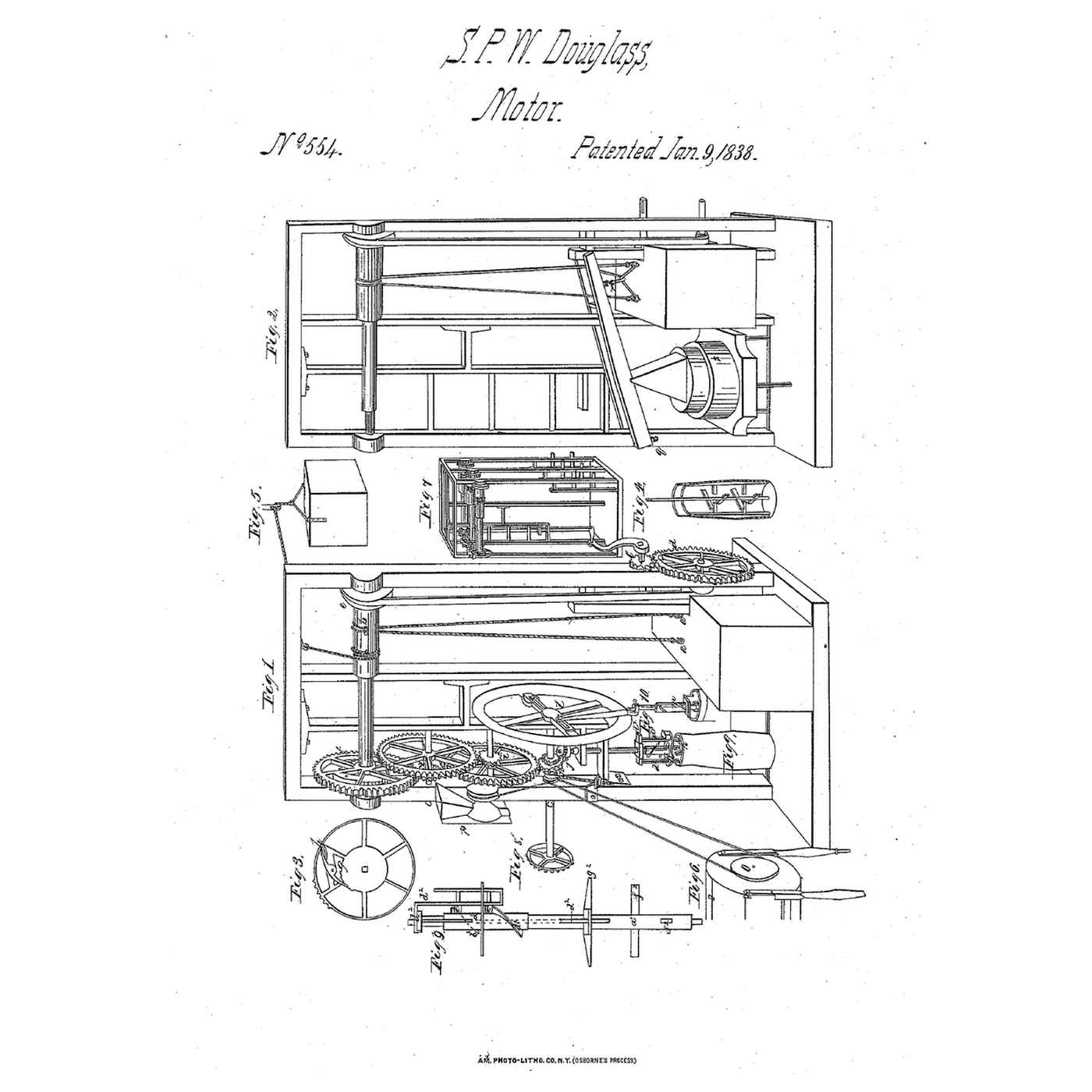
Spiral-Slot Dasher Churn: The Dasher Turns As It Rises and Falls
láti ọwọ́ Emma
OÚNJẸ ÀTI OHUN MÍMU
25
0
0
0
0
0
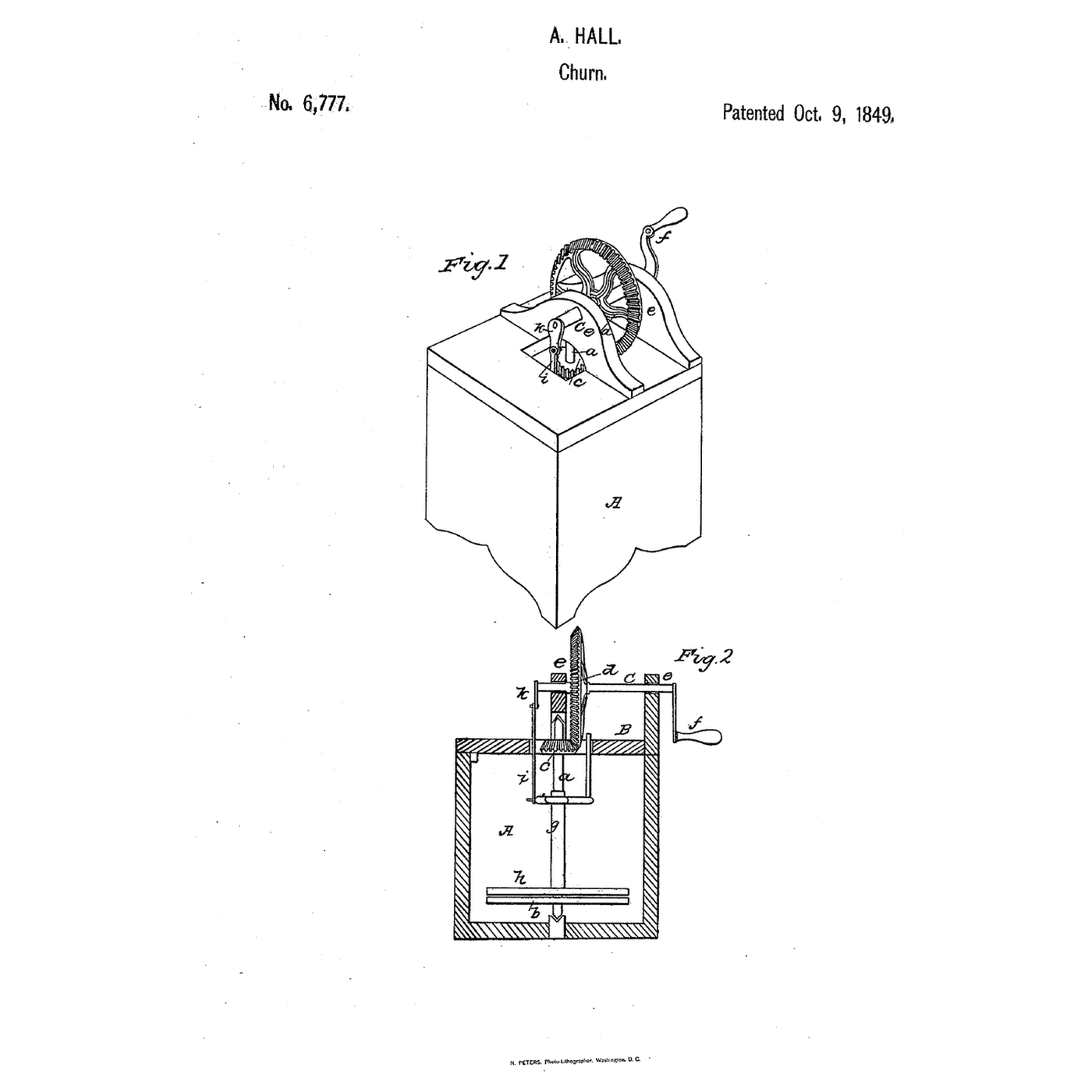
Double-Motion Dasher Churn: One Crank Spins One Dasher and Plunges the Other
láti ọwọ́ Emma
OÚNJẸ ÀTI OHUN MÍMU
21
0
0
0
0
0
Rotary-and-Vibrating Dasher Churn: Turn to Churn, Lift and Plunge to Gather
láti ọwọ́ Martin
OÚNJẸ ÀTI OHUN MÍMU
19
0
0
0
0
0
CC0 Àgbègbè Gbogbogbò
Blueprint yìí ti jáde lábẹ́ CC0. O lè ṣe àdàkọ, yí padà, pín, àti lò láìsí ìyọ̀ǹda.
Ṣàtìlẹ́yìn Olùṣẹ́dá nípa rírà àwọn ọjà nipasẹ̀ Blueprint wọn Ẹ̀san Olùṣẹ́dá tí àwọn Olùtajà gbé kalẹ̀, tàbí ṣẹ̀dá àtúnṣe tuntun ti Blueprint yìí kí o sì fi sínú Blueprint rẹ gẹ́gẹ́ bí ìsopọ̀ láti pín owó-wíwọlé.