IṢẸ́ ỌNÀ
ẸWÀ ÀTI ÌLERA
IṢẸ́ ỌWỌ́
ÀṢÀ ÀTI ÌTÀN
ÌṢERÉ
ÀYÍKÁ
OÚNJẸ ÀTI OHUN MÍMU
REVERSE ENGINEERING
SÁYẸ́ǸSÌ
ERÉ ÌDÁRAYÁ
ÌMỌ̀-Ẹ̀RỌ
ÀWỌN OHUN WÍWỌ̀
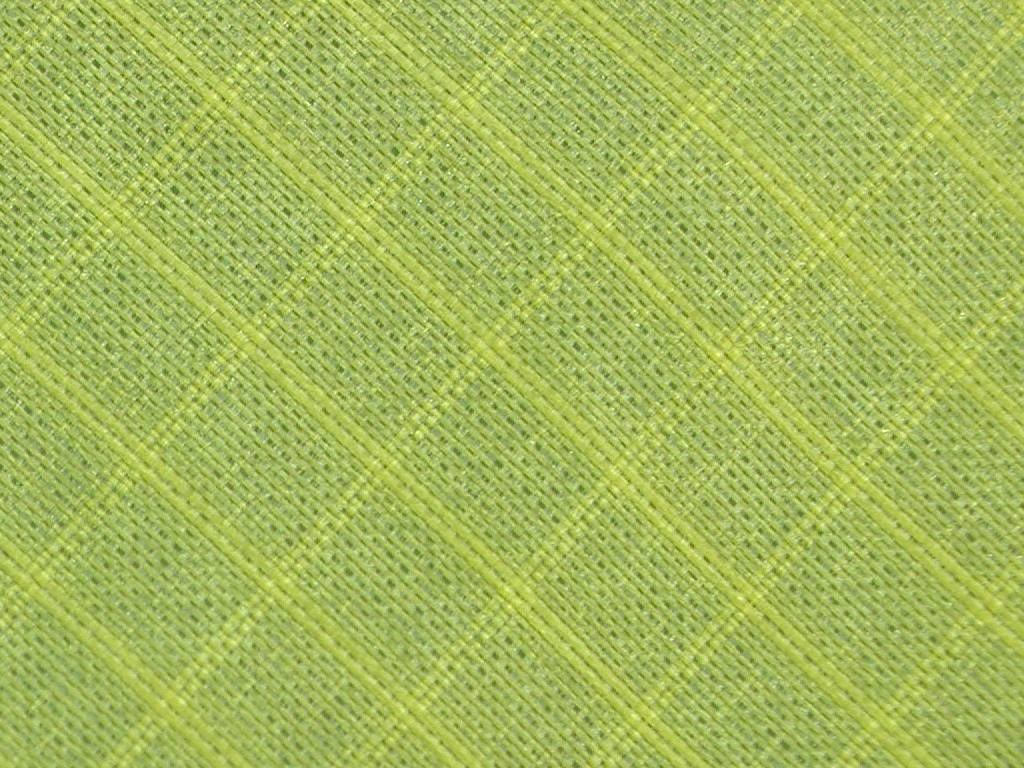


Ripstop Nylon: Doubled Threads Woven in Every 5 to 8 mm, Both Ways
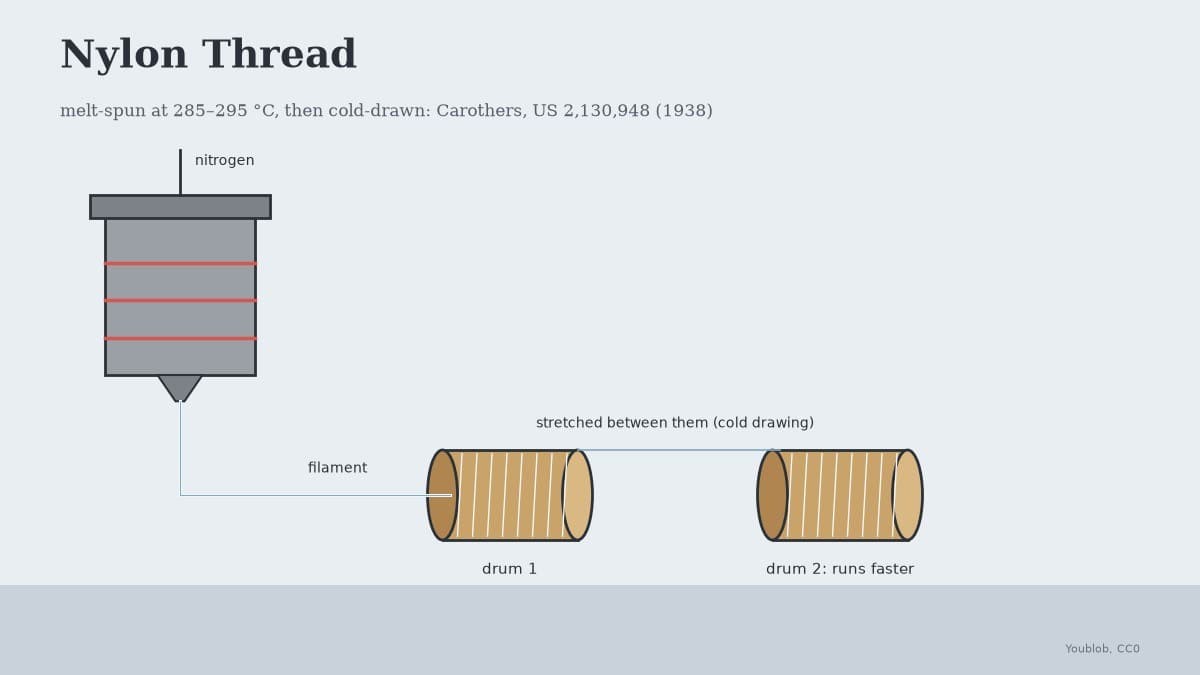
Ripstop is cloth with a grid of stronger threads woven in every 5 to 8 mm, both ways (Wikipedia). A small tear runs only as far as the next line of the grid. In the Army's parachute nylon (US 3,032,072, 1962) the rip-stop threads go in as doubled pairs, warp and weft, with ordinary threads between.
The picture: ripstop fabric, the grid of doubled threads showing (Wikimedia Commons).
Àárín
Days
Ìlànà
1
1
Wind the warp with doubled pairs
Wind the warp with doubled pairs
Wind a nylon warp. Every 5 to 8 mm, wind a pair of threads instead of one: these doubled pairs are the warp rip-stops.
Àwọn ohun èlò fún ìgbésẹ̀ yìí:
 Fọ́nrán nylon300 g
Àwọn irinṣẹ́ tí a nílò:
 Pátákó ìtò okùn ìta
 Ìdíwọ̀n
2
2
Dress the loom
Dress the loom
Thread the warp on the loom, each doubled pair kept together as one rip-stop.
Àwọn irinṣẹ́ tí a nílò:
 Ohun ìhun oníhéédù líle
3
3
Weave, doubling the weft too
Weave, doubling the weft too
Weave with nylon weft. Every 5 to 8 mm, lay a doubled pick: the weft rip-stops cross the warp ones in a grid.
Àwọn irinṣẹ́ tí a nílò:
Ohun ìhun oníhéédù líle Ọkọ̀ ìhunÌdíwọ̀n
4
4
Take it off and test a tear
Take it off and test a tear
Cut the cloth off the loom. Nick a scrap and pull: the tear should stop at the next line of the grid.
Àwọn irinṣẹ́ tí a nílò:
 Ìkẹ́rẹ́ aṣọ
Àwọn ohun-èlò
1- 300 gÀyè
Ìtọ́nisọ́nà yìí ń ṣe

Blueprint tó jọra
Àwọn blueprint wọ̀nyí pín ìmọ̀ — ọ̀nà, ohun-èlò tàbí ìlànà
CC0 Àgbègbè Gbogbogbò
Blueprint yìí ti jáde lábẹ́ CC0. O lè ṣe àdàkọ, yí padà, pín, àti lò láìsí ìyọ̀ǹda.
Ṣàtìlẹ́yìn Olùṣẹ́dá nípa rírà àwọn ọjà nipasẹ̀ Blueprint wọn Ẹ̀san Olùṣẹ́dá tí àwọn Olùtajà gbé kalẹ̀, tàbí ṣẹ̀dá àtúnṣe tuntun ti Blueprint yìí kí o sì fi sínú Blueprint rẹ gẹ́gẹ́ bí ìsopọ̀ láti pín owó-wíwọlé.