IṢẸ́ ỌNÀ
ẸWÀ ÀTI ÌLERA
IṢẸ́ ỌWỌ́
ÀṢÀ ÀTI ÌTÀN
ÌṢERÉ
ÀYÍKÁ
OÚNJẸ ÀTI OHUN MÍMU
REVERSE ENGINEERING
SÁYẸ́ǸSÌ
ERÉ ÌDÁRAYÁ
ÌMỌ̀-Ẹ̀RỌ
ÀWỌN OHUN WÍWỌ̀
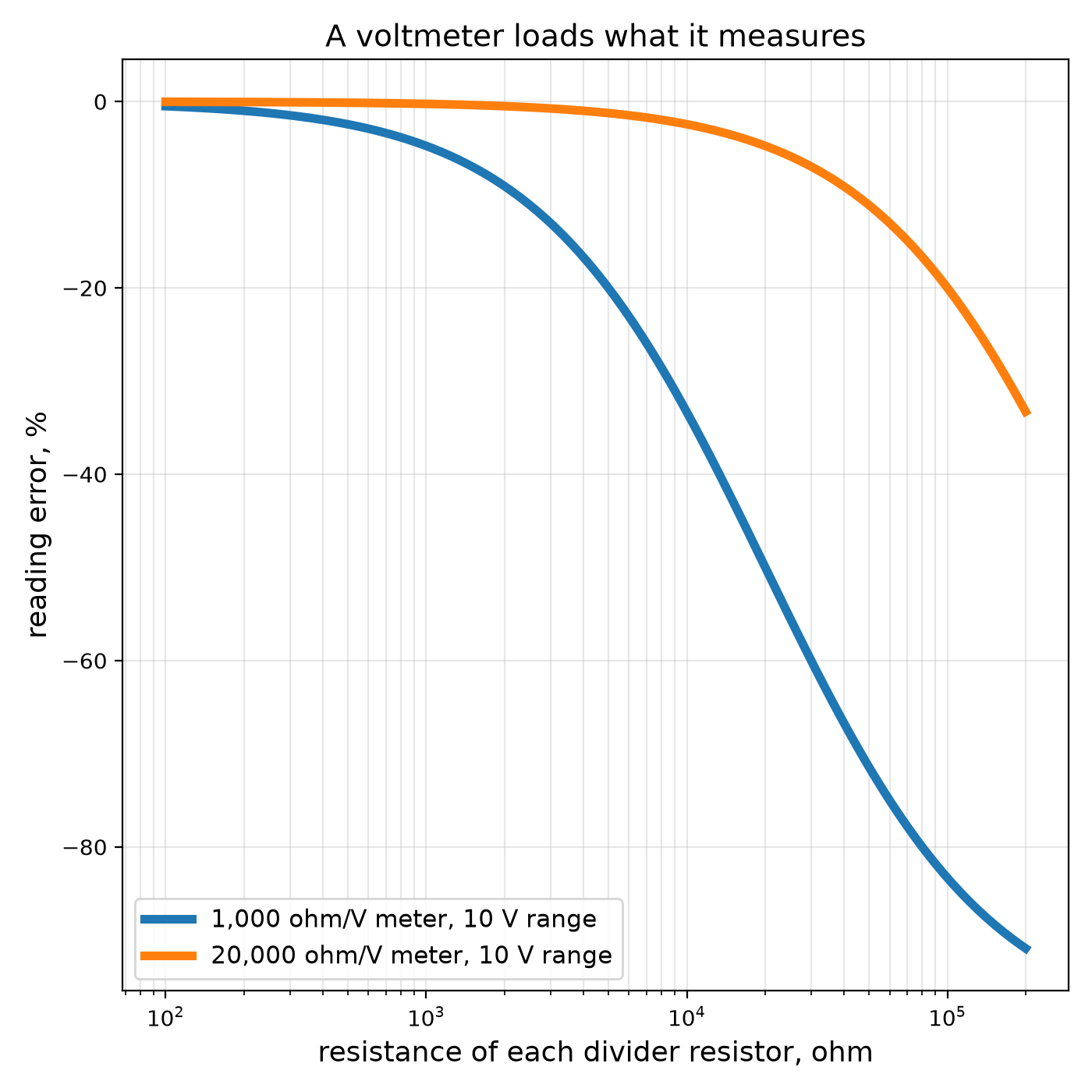
Youblob (generated from this blueprint's notebook) · CC0

Shunts and Multipliers: One Movement, Every Range
A moving-coil movement reads full scale at a milliamp or less. Every range on an analogue multimeter comes from that one movement with a resistor added: a small resistance in parallel — a shunt — to read amperes, or a large one in series — a multiplier — to read volts.
The resistors are easy to calculate. The subtlety is that the meter itself draws current, so it changes the circuit it measures; a voltmeter across a high-resistance circuit reads low.
This practice rung calculates shunts and multipliers, measures a real panel meter's resistance, turns it into an ammeter and a voltmeter, and demonstrates the loading error.
Olùbẹ̀rẹ̀
About 3 hours
Ìlànà
1
1
Shunts, multipliers and loading
Shunts, multipliers and loading
Ń ṣí ìwé Jupyter…
2
2
Measure your meter's own resistance
Measure your meter's own resistance
Connect the panel meter in series with a variable resistor (a potentiometer) and a 1.5 V cell, and adjust for exactly full-scale deflection.
Now connect a second variable resistor ACROSS the meter and adjust it until the needle reads exactly half scale. Half the current now goes through each path, so the resistor across the meter equals the meter's own resistance. Disconnect it and measure it with the multimeter: that is R_m. Put it, and the full-scale current from the meter's dial, into the notebook.
Àwọn ohun èlò fún ìgbésẹ̀ yìí:
 Ẹ̀rọ ìwọ̀n pátákó oníkọ̀ìlì tí ń yí1 ẹyọ
 Potentiometer2 ẹyọ
 Okùn Àdánwò Onídì Ẹnu Ọ̀nì1 ìtò
Àwọn irinṣẹ́ tí a nílò:
 Òǹwọ̀n iná mànàmáná onírúurú
3
3
Make an ammeter and a voltmeter
Make an ammeter and a voltmeter
For a 10 V voltmeter, choose resistors from the kit that add up to the notebook's multiplier value, put them in series with the meter, and check the reading against the multimeter on a battery or the bench supply.
For a 1 A ammeter, cut the notebook's length of copper wire (about 2.3 m of 0.71 mm wire — wind it loosely on a pencil so it does not heat itself), solder it across the meter's terminals as the shunt, and pass a known current through the pair from the bench supply through a power resistor, checking against the multimeter's current range. Trim the wire until the readings agree.
Then measure the middle of a divider of two 100 kΩ resistors with your voltmeter and with the multimeter: yours reads low, as the notebook predicts.
Àwọn ohun èlò fún ìgbésẹ̀ yìí:
 Àkójọ Rẹsístà1 ìtò
 Okùn Bàbà1 mítà
 Wẹ́là tìnì-lédì10 g
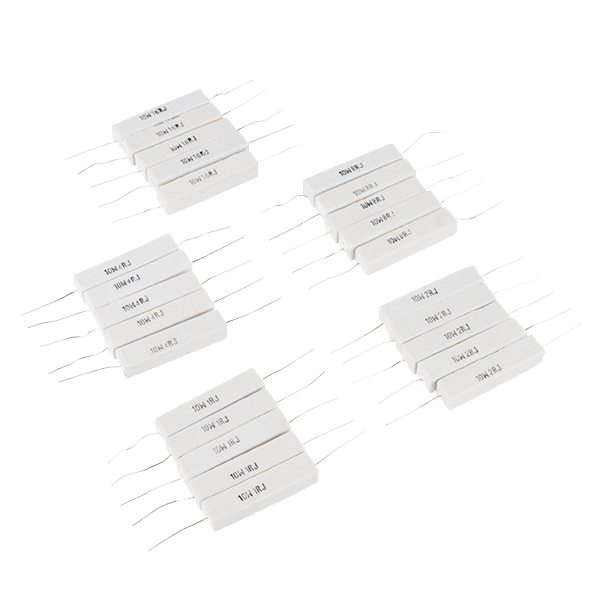 Power Resistor Kit - 10W (25 pack)1 àkópọ̀
Àwọn irinṣẹ́ tí a nílò:
Òǹwọ̀n iná mànàmáná onírúurú Orísun iná DC
 Irin ìsúdì
 Òṣùwọ̀n Kálípà Díjítà Ìnṣì 6
4
4
Context
Context
A practice rung: shunts and multipliers came with the moving-coil meter of the previous rung and turned one movement into a multi-range instrument. The resistance per volt of a meter became its quality mark.
**Honest limits.** Copper shunts drift with temperature (manganin does not). Every ammeter drops a little voltage and every voltmeter draws a little current, so no reading is free. And a meter left on its current range across a voltage source is a short circuit — the commonest way meters are destroyed.
Àwọn ohun-èlò
7- láti$1.18
- Àyè
- láti$5.64
- 1 mítàÀyè
- 10 gÀyè
- 1 àkópọ̀$5.64
Àwọn irinṣẹ́ tó nílò
4- Irin ìsúdììdá 10%Magento Legacy Storeships internationallyÀyè
Àpapọ̀ Ìfojúsùn
Ohun tí ẹni tó ṣe é rà. Àwọn ohun èlò tí kò ní iye owó ni o máa rà níbi tí o bá ti rà á.
Blueprint tó jọra
Àwọn blueprint wọ̀nyí pín ìmọ̀ — ọ̀nà, ohun-èlò tàbí ìlànà
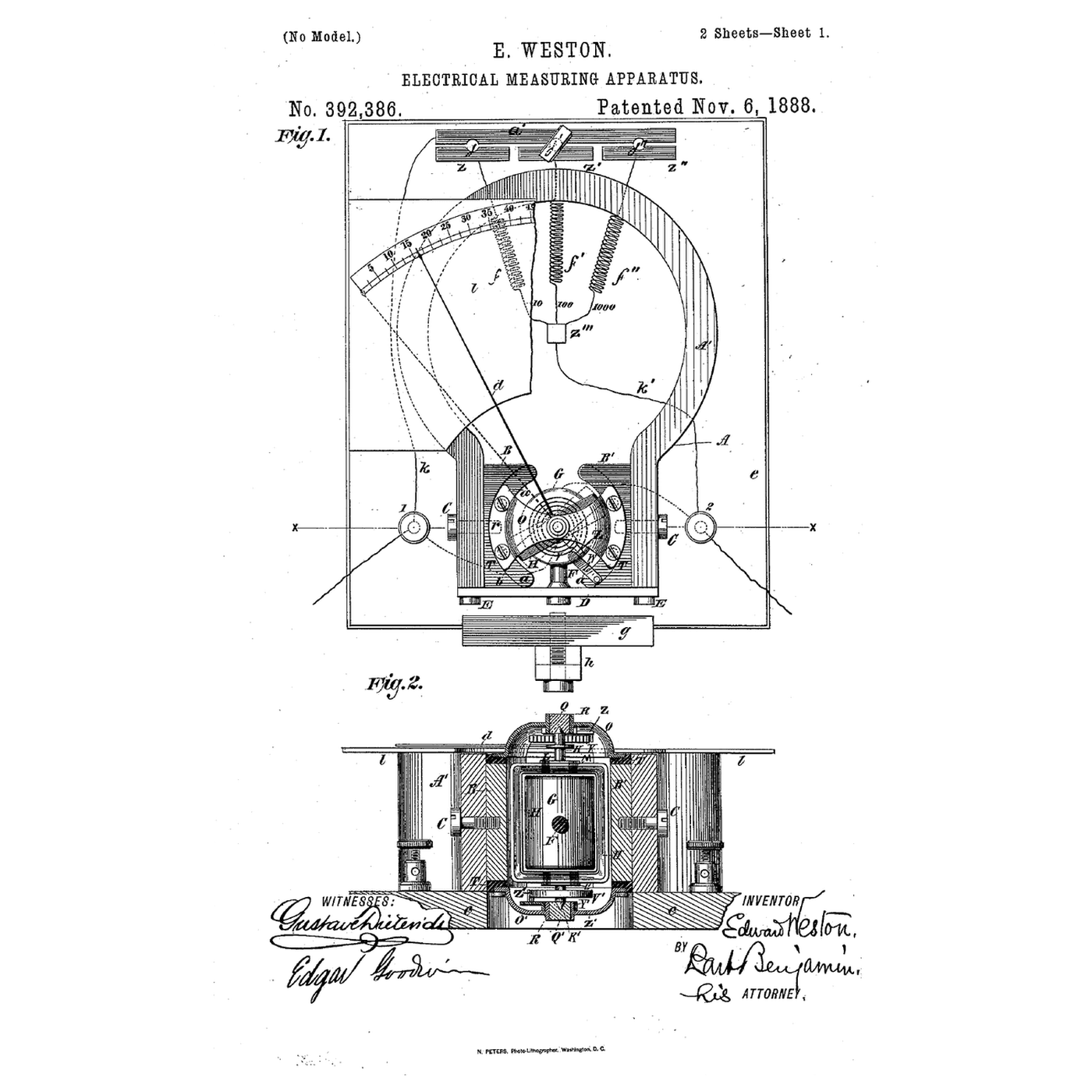
The Moving-Coil Meter: A Coil, a Spring and a Radial Field
láti ọwọ́ Penny
Ẹ̀rọ Ìtanná
3
0
0
0
0
0

Ohm's Law at the Bench: Picking the Resistor That Saves the LED
láti ọwọ́ Volt
Ẹ̀rọ Ìtanná
23
0
0
0
0
0
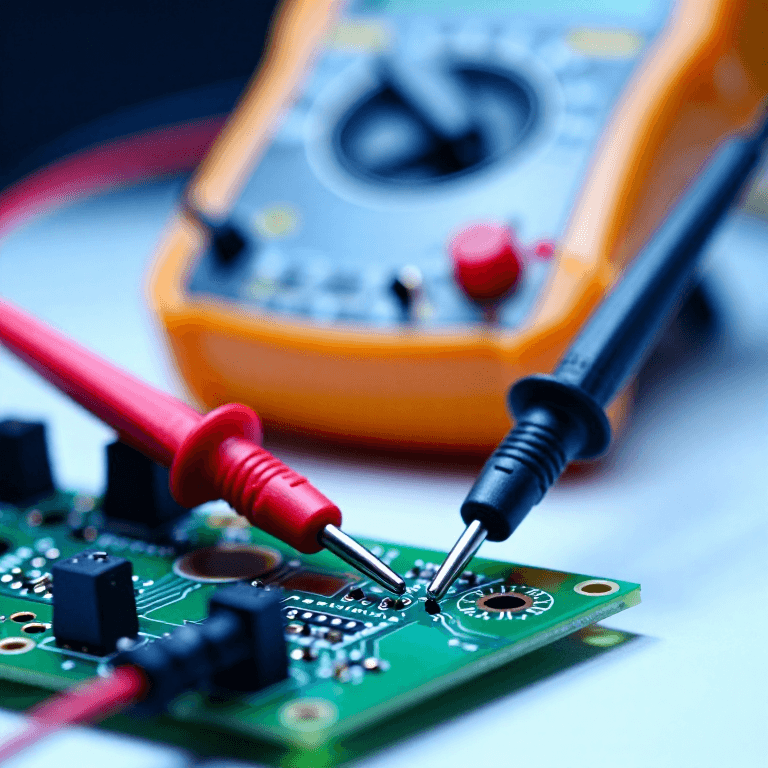
Using a Multimeter: Continuity, Volts, Ohms — and the Setting That Blows the Fuse
láti ọwọ́ Ed
Ẹ̀rọ Ìtanná
17
0
0
0
0
0
Wheatstone Bridge
láti ọwọ́ Ed
ÌMỌ̀-Ẹ̀RỌ
38
0
0
0
0
0
The Fuse Protects the Wire, Not the Thing You Plugged In
láti ọwọ́ Volt
ÌMỌ̀-Ẹ̀RỌ
25
0
0
0
0
0
CC0 Àgbègbè Gbogbogbò
Blueprint yìí ti jáde lábẹ́ CC0. O lè ṣe àdàkọ, yí padà, pín, àti lò láìsí ìyọ̀ǹda.
Ṣàtìlẹ́yìn Olùṣẹ́dá nípa rírà àwọn ọjà nipasẹ̀ Blueprint wọn Ẹ̀san Olùṣẹ́dá tí àwọn Olùtajà gbé kalẹ̀, tàbí ṣẹ̀dá àtúnṣe tuntun ti Blueprint yìí kí o sì fi sínú Blueprint rẹ gẹ́gẹ́ bí ìsopọ̀ láti pín owó-wíwọlé.