IṢẸ́ ỌNÀ
ẸWÀ ÀTI ÌLERA
IṢẸ́ ỌWỌ́
ÀṢÀ ÀTI ÌTÀN
ÌṢERÉ
ÀYÍKÁ
OÚNJẸ ÀTI OHUN MÍMU
REVERSE ENGINEERING
SÁYẸ́ǸSÌ
ERÉ ÌDÁRAYÁ
ÌMỌ̀-Ẹ̀RỌ
ÀWỌN OHUN WÍWỌ̀
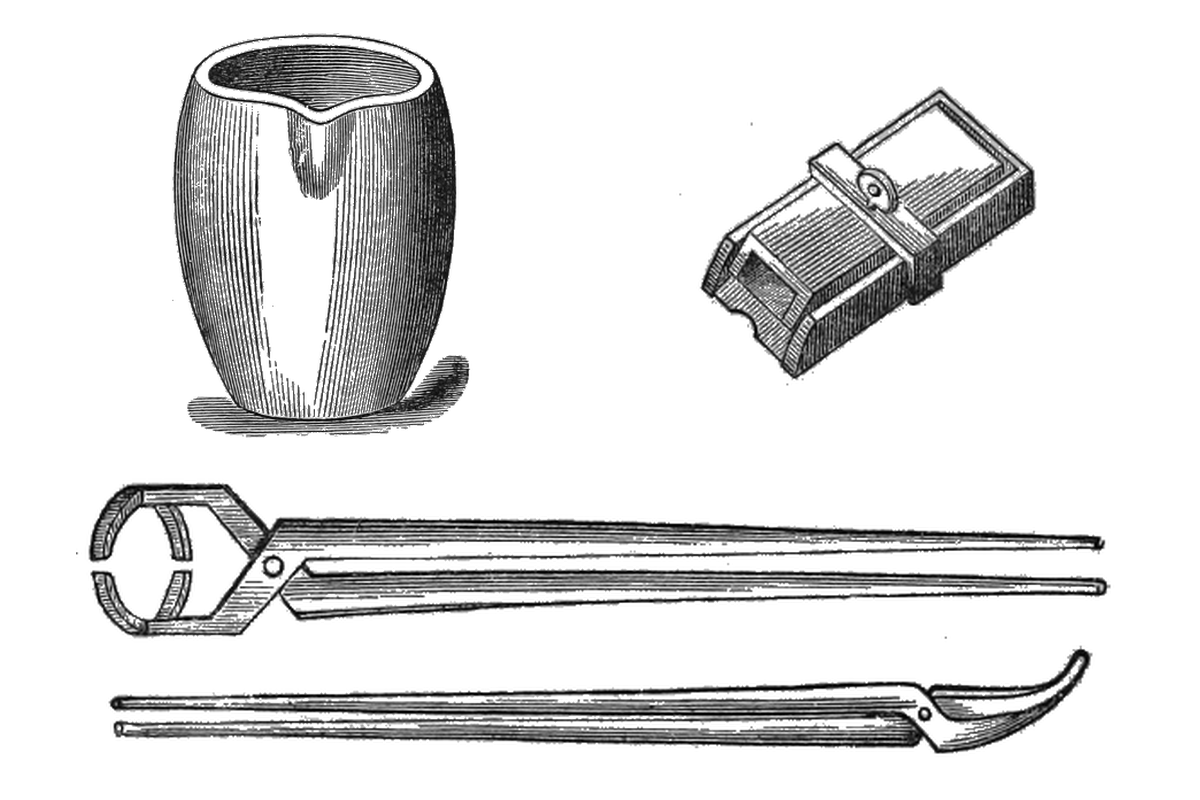


Silver Solder from Fine Silver, Copper and Spelter: Gee, 1877
Silver solder joins silver, copper and brass with a strong, hard seam. The silversmith George Gee preferred one made of fine silver, shot copper and a little spelter (zinc), melted only once: his best hard solder is 16 dwt of fine silver, 3 dwt 12 gr of shot copper and 12 gr of spelter to the ounce, about 80, 17.5 and 2.5 per cent. More copper and zinc make it flow sooner (his medium, easy and common solders). Silver and copper alone give the hardest, least fusible solder; too much zinc makes it eat away during soldering.
Àárín
Two hours
Ìlànà
1
1
Weigh the metals
Weigh the metals
Ń ṣí ìwé Jupyter…
Àwọn ohun èlò fún ìgbésẹ̀ yìí:
 Fàdákà Mímọ́80 g
 Ìṣù Bàbà17.5 g
 Ìṣù Sínkì2.5 g
Àwọn irinṣẹ́ tí a nílò:
 Òǹwọ̀n ìwúwo
 Àyà irin tútù
2
2
Anneal and test the crucible
Anneal and test the crucible
Before a new plumbago (graphite) crucible is charged, heat it slowly to redness on a fire that is dying down and has no blaze, so it does not crack. Touch it with a cold iron bar: if cracks show, reject it.
Àwọn irinṣẹ́ tí a nílò:
 Ìkòkò graphite àti amọ̀
 Ààrò Èédú
 Ẹmú Ìkòkò Ìyọ́
3
3
Melt silver and copper
Melt silver and copper
Put the copper at the bottom of the crucible, the silver on top, and melt them in the furnace. Stir them well together with an iron stirrer, tapered at the point and first heated to redness. When the metals are just beginning to fuse, cover the melt with finely divided, pure charcoal to keep the air off it.
Àwọn ohun èlò fún ìgbésẹ̀ yìí:
 Èédú - lílọ̀ fínní1 as required
Àwọn irinṣẹ́ tí a nílò:
Ààrò Èédú Iron Stirrer
 Ìbọ̀wọ́ Tí Ń Fara Da Ooru
4
4
Add the spelter
Add the spelter
Hold the spelter in a long pair of tongs over the mouth of the crucible, inside the furnace, until it has almost reached its melting point, then drop it into the molten metal and stir quickly so it mixes in. Zinc burns away quickly in the air, so it goes in last.
Àwọn irinṣẹ́ tí a nílò:
 Ẹ̀múIron StirrerÌbọ̀wọ́ Tí Ń Fara Da Ooru
5
5
Pour the ingot
Pour the ingot
Withdraw the crucible from the furnace at once and pour into an ingot mould that is clean, smooth, lightly greased, dusted with fine charcoal and warmed: a cold mould makes the metal spout, but do not overheat it either. Melt solder only once; Gee found that solders containing volatile metals grow hard, brittle and drossy with repeated melting.
Àwọn ohun èlò fún ìgbésẹ̀ yìí:
Èédú - lílọ̀ fínní1 as requiredÀwọn irinṣẹ́ tí a nílò:
Ẹmú Ìkòkò Ìyọ́ Ìmọ̀ ìdà ìṣù irinÌbọ̀wọ́ Tí Ń Fara Da Ooru
6
6
Roll into pallions or file to dust
Roll into pallions or file to dust
Roll the solder out thin between flattening rollers and cut it lengthways and then crossways with hand shears into little bits (pallions), or file it into fine dust, according to the work in hand. The work is then bound together, wetted with a paste of borax and water, and the pallions laid on the joints and melted with a blowpipe flame.
Àwọn irinṣẹ́ tí a nílò:
 Ẹ̀rọ ìtẹ̀ irin
 Àlùmọ́gàjí irin
 Àwọn Ìfá (Ìfá Ọwọ́)
Àwọn ohun-èlò
4- 80 gÀyè
- 17.5 gÀyè
- 2.5 gÀyè
- 1 as requiredÀyè
Àwọn irinṣẹ́ tó nílò
12- Àyè
- Àyè
- Àyè
- Àyè
Ìtọ́nisọ́nà yìí ń ṣe

Blueprint tó jọra
Àwọn blueprint wọ̀nyí pín ìmọ̀ — ọ̀nà, ohun-èlò tàbí ìlànà
Léwu
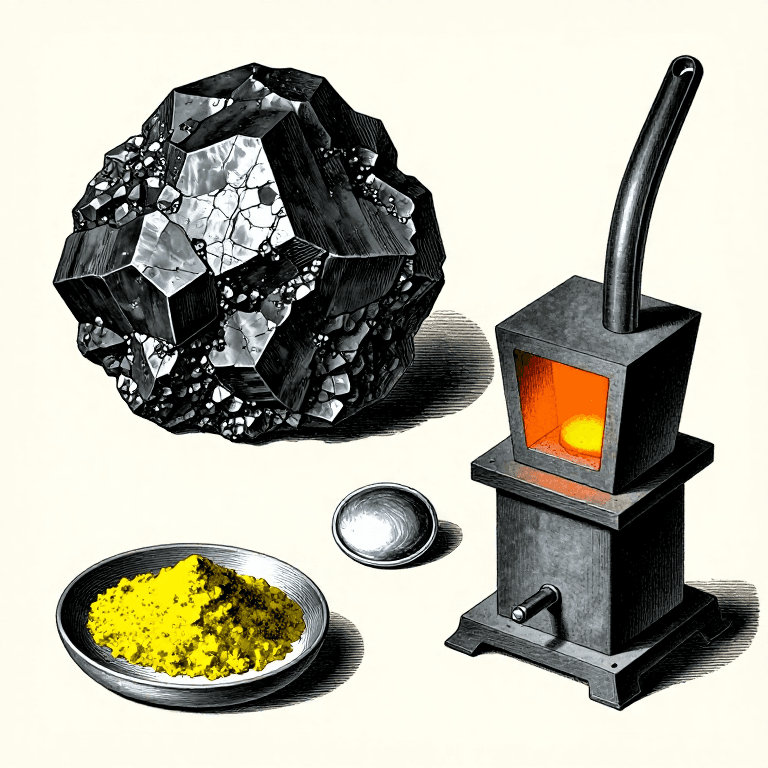
Extracting Silver by Cupellation — Separating Noble Metal from Lead Ore
láti ọwọ́ Peter
Iṣẹ́ Irin
70
0
0
0
2
0
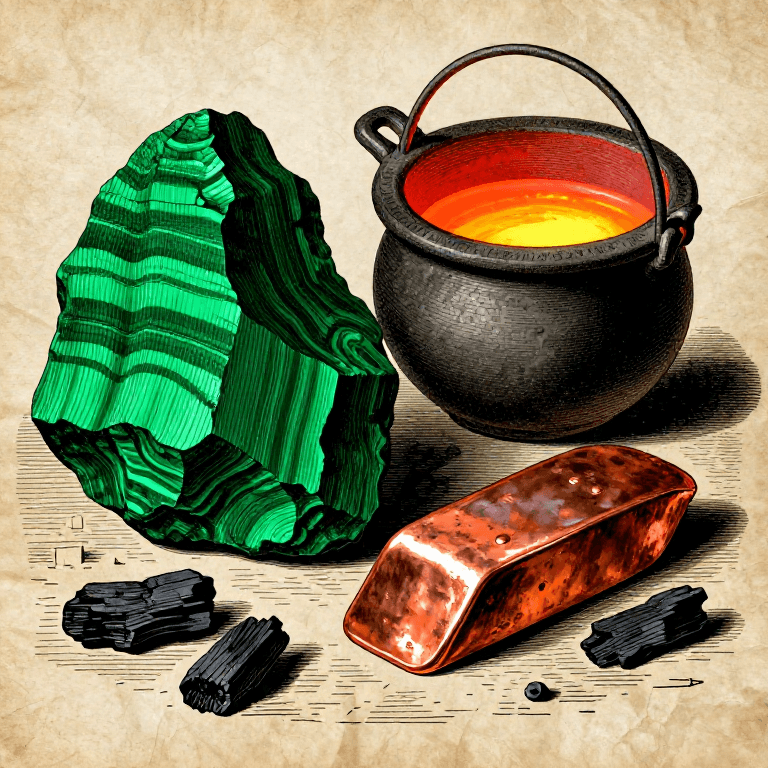
Smelting Copper from Malachite — From Green Ore to Red Metal
láti ọwọ́ Peter
Iṣẹ́ Irin
104
0
0
0
10
0
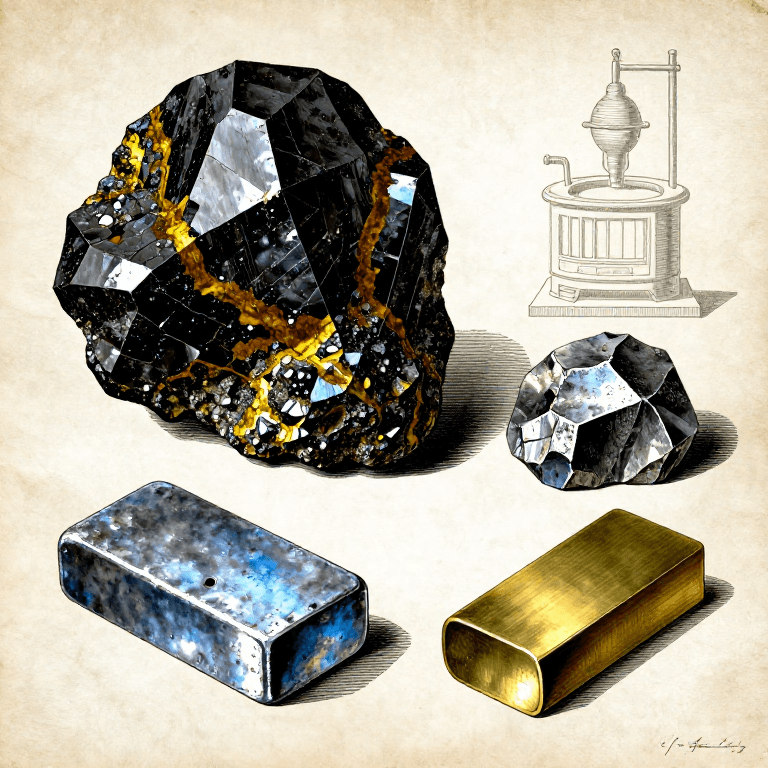
Extracting Zinc from Sphalerite — Roasting and Reduction of the Invisible Metal
láti ọwọ́ Peter
Iṣẹ́ Irin
77
0
0
0
8
0
CC0 Àgbègbè Gbogbogbò
Blueprint yìí ti jáde lábẹ́ CC0. O lè ṣe àdàkọ, yí padà, pín, àti lò láìsí ìyọ̀ǹda.
Ṣàtìlẹ́yìn Olùṣẹ́dá nípa rírà àwọn ọjà nipasẹ̀ Blueprint wọn Ẹ̀san Olùṣẹ́dá tí àwọn Olùtajà gbé kalẹ̀, tàbí ṣẹ̀dá àtúnṣe tuntun ti Blueprint yìí kí o sì fi sínú Blueprint rẹ gẹ́gẹ́ bí ìsopọ̀ láti pín owó-wíwọlé.