IṢẸ́ ỌNÀ
ẸWÀ ÀTI ÌLERA
IṢẸ́ ỌWỌ́
ÀṢÀ ÀTI ÌTÀN
ÌṢERÉ
ÀYÍKÁ
OÚNJẸ ÀTI OHUN MÍMU
REVERSE ENGINEERING
SÁYẸ́ǸSÌ
ERÉ ÌDÁRAYÁ
ÌMỌ̀-Ẹ̀RỌ
ÀWỌN OHUN WÍWỌ̀
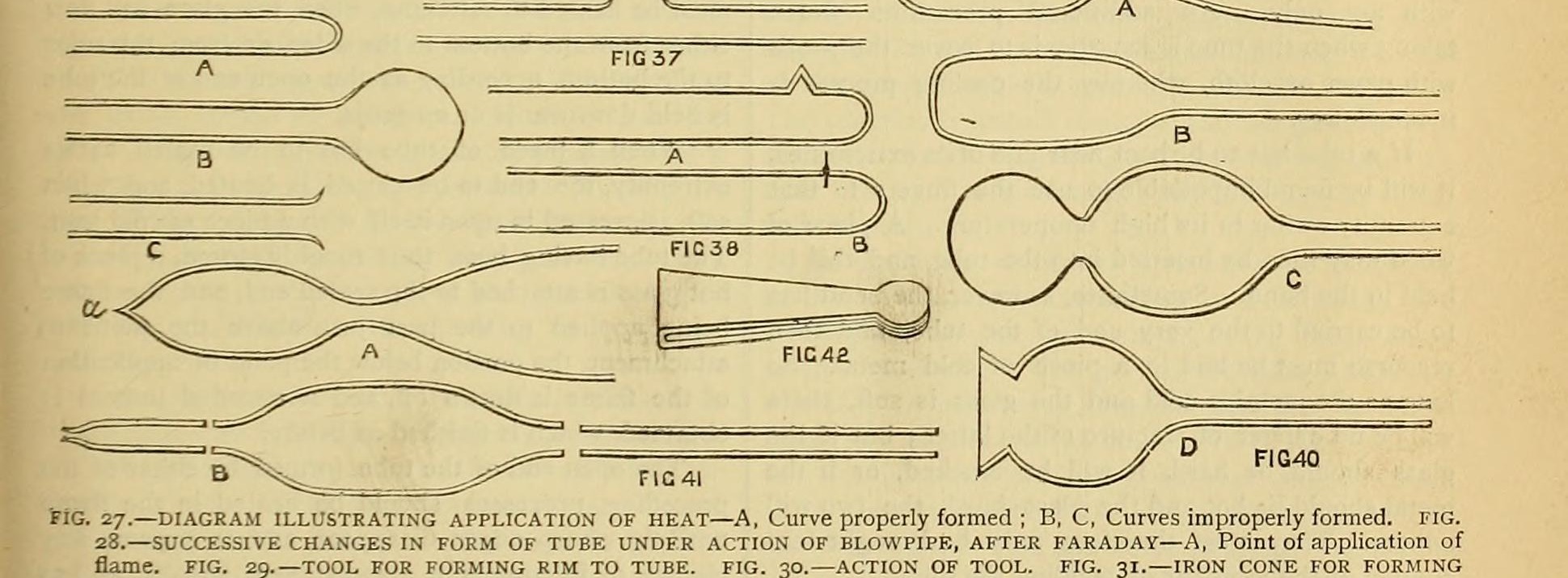


Bulb Pipette Blown at the Lamp: a Closed Tube Drawn, Bulbed, Pierced and Joined to Two Stems (Soward, 1886)
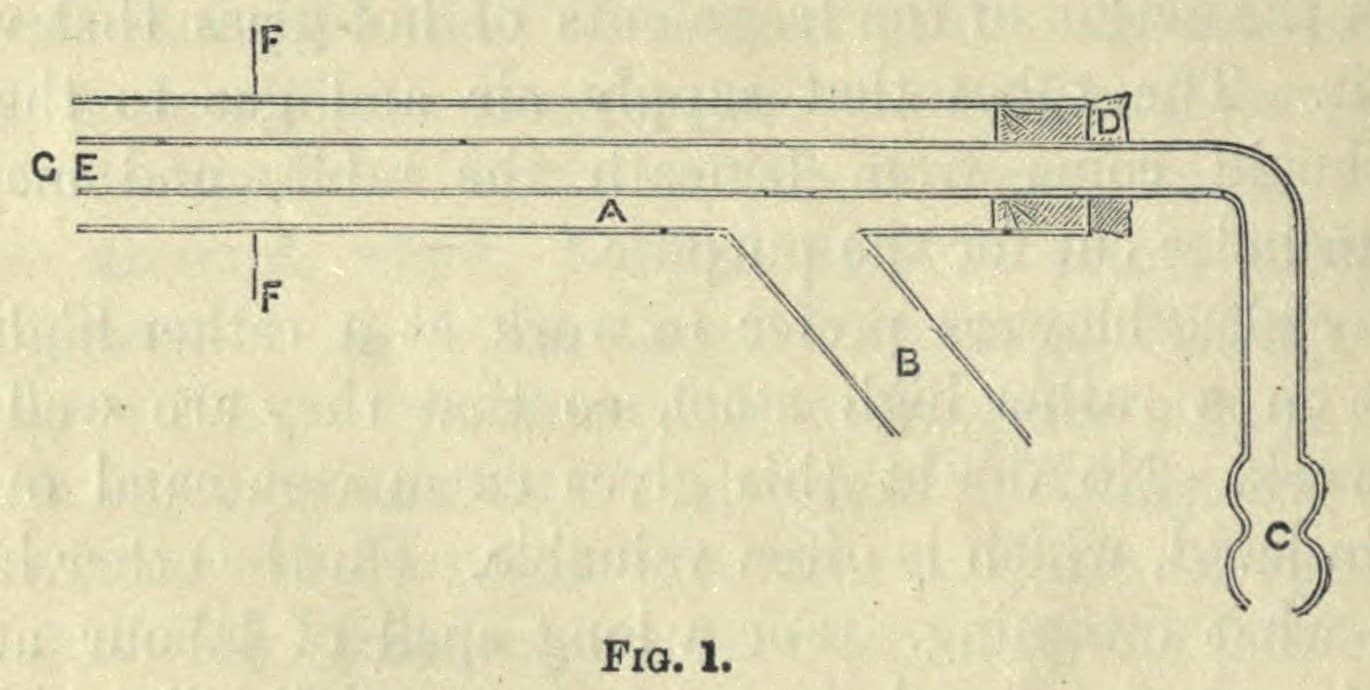
Alfred Soward's lampwork bulb pipette from Amateur Work (1886), made like his thistle funnel: a 3/8 in. bore tube closed and drawn down onto a 1/8 in. stem, blown into a bulb, a thin second bulb blown and broken off the far side to leave a short neck, and a second stem drawn to a fine capillary tip joined on.
Ilọsíwájú
An hour once the basic operations are mastered
Ìlànà
1
1
Read Soward
Read Soward
"To make a pipette the process is very similar." (to the thistle funnel)
2
2
Prepare the tubes
Prepare the tubes
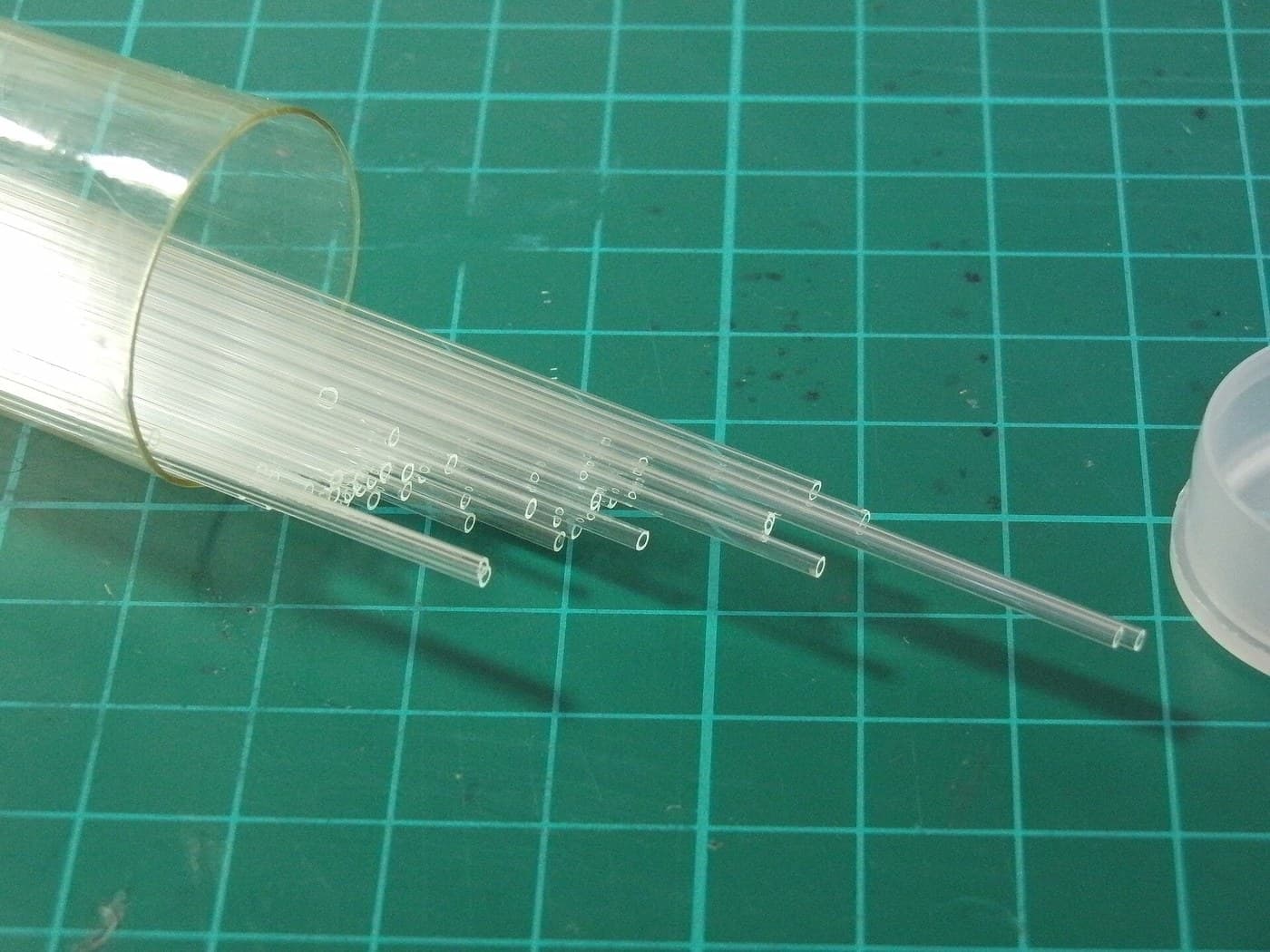
Take glass tube of about 1/8 in. (3 mm) bore for the stems and about 3/8 in. (10 mm) bore for the bulb. Close the wide tube at one end in the form of his fig. 41 A, then soften it about an inch from the end and draw it down to the small tube's diameter.
Àwọn ohun èlò fún ìgbésẹ̀ yìí:
 Ọpọ́n gíláàsì1 ẹyọ
Àwọn irinṣẹ́ tí a nílò:
 Ọ̀gọ̀ Bunsen
 Ọ̀pá ìfẹ́ dígí
3
3
Join the first stem
Join the first stem
Cut the drawn, flask-shaped piece off with a file and fuse it to a length of the narrow tube: soften both ends, press them together, pull gently to reduce the thickened joint, and blow a gentle stream of air in.
Àwọn ohun èlò fún ìgbésẹ̀ yìí:
Ọpọ́n gíláàsì1 ẹyọÀwọn irinṣẹ́ tí a nílò:
 Àwọn Ìfá (Ìfá Ọwọ́)Ọ̀gọ̀ BunsenỌ̀pá ìfẹ́ dígí
4
4
Blow the bulb
Blow the bulb
Soften the flask part and blow it into a bulb through the stem.
Àwọn irinṣẹ́ tí a nílò:
Ọ̀gọ̀ BunsenỌ̀pá ìfẹ́ dígí5
5
Open the far end
Open the far end
Play the flame on the point opposite the stem (A in fig. 41) and blow a very thin second bulb with a strong blast. Break it away: it leaves a small projecting tube (B).
Àwọn irinṣẹ́ tí a nílò:
Ọ̀gọ̀ BunsenỌ̀pá ìfẹ́ dígí6
6
Draw and join the tip
Draw and join the tip
Draw a second piece of narrow tube to a capillary end: thicken it in the flame, pull the hands apart, cut with a file and hold the cut end a moment in the flame. Join this stem to the projecting tube as before.
Àwọn ohun èlò fún ìgbésẹ̀ yìí:
Ọpọ́n gíláàsì1 ẹyọÀwọn irinṣẹ́ tí a nílò:
Àwọn Ìfá (Ìfá Ọwọ́)Ọ̀gọ̀ BunsenỌ̀pá ìfẹ́ dígí7
7
Troubleshooting
Troubleshooting
Pipette troubleshooting.
Flow
Loading...
8
8
History and honest limits
History and honest limits
From Alfred W. Soward, "Glass-Blowing for Amateurs" IV, **Amateur Work, Illustrated**, vol. V (1886), pp. 173-176, figs. 39-41 (checked on the archive.org scan amateurworkillus05lond). He gives no volume or graduation: calibrate it by weighing water if you need one (see the graduated-pipette blueprint). Metric figures are ours.
Ìtọ́nisọ́nà yìí ń ṣe
Blueprint tó jọra
Àwọn blueprint wọ̀nyí pín ìmọ̀ — ọ̀nà, ohun-èlò tàbí ìlànà

CC0 Àgbègbè Gbogbogbò
Blueprint yìí ti jáde lábẹ́ CC0. O lè ṣe àdàkọ, yí padà, pín, àti lò láìsí ìyọ̀ǹda.
Ṣàtìlẹ́yìn Olùṣẹ́dá nípa rírà àwọn ọjà nipasẹ̀ Blueprint wọn Ẹ̀san Olùṣẹ́dá tí àwọn Olùtajà gbé kalẹ̀, tàbí ṣẹ̀dá àtúnṣe tuntun ti Blueprint yìí kí o sì fi sínú Blueprint rẹ gẹ́gẹ́ bí ìsopọ̀ láti pín owó-wíwọlé.