IṢẸ́ ỌNÀ
ẸWÀ ÀTI ÌLERA
IṢẸ́ ỌWỌ́
ÀṢÀ ÀTI ÌTÀN
ÌṢERÉ
ÀYÍKÁ
OÚNJẸ ÀTI OHUN MÍMU
REVERSE ENGINEERING
SÁYẸ́ǸSÌ
ERÉ ÌDÁRAYÁ
ÌMỌ̀-Ẹ̀RỌ
ÀWỌN OHUN WÍWỌ̀
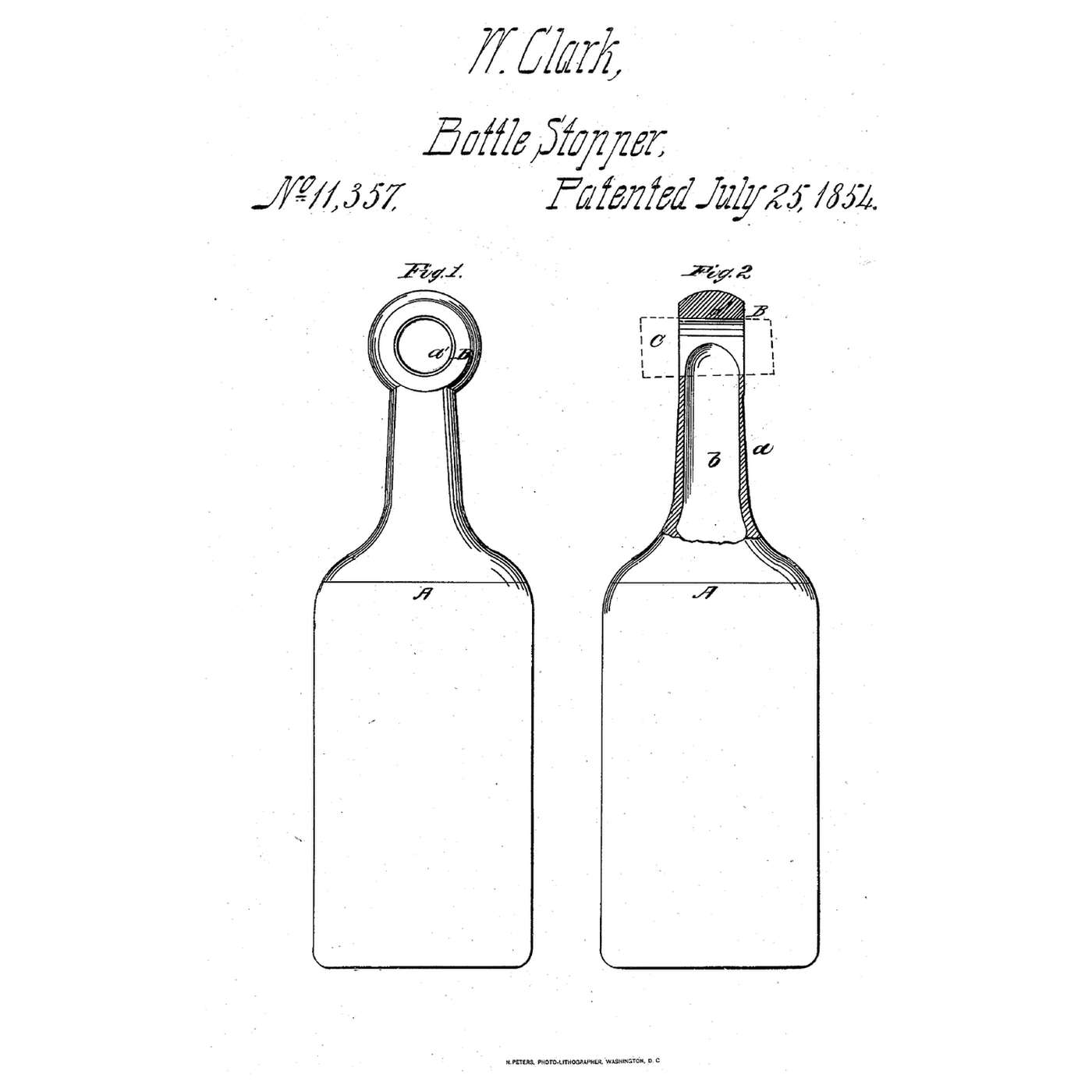


The Eye-Necked Bottle: A Cork Across the Neck That the Gas Cannot Push Out
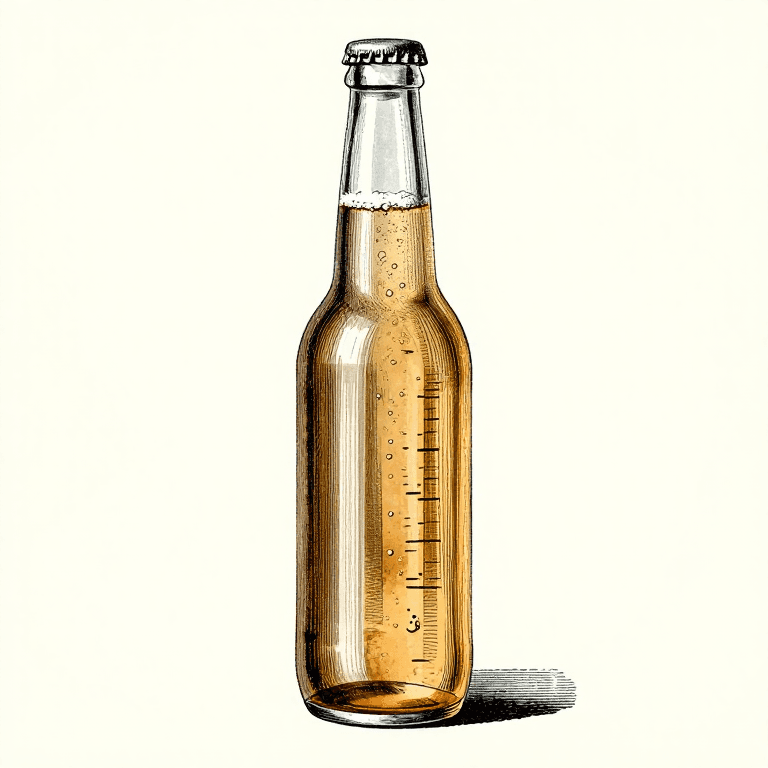
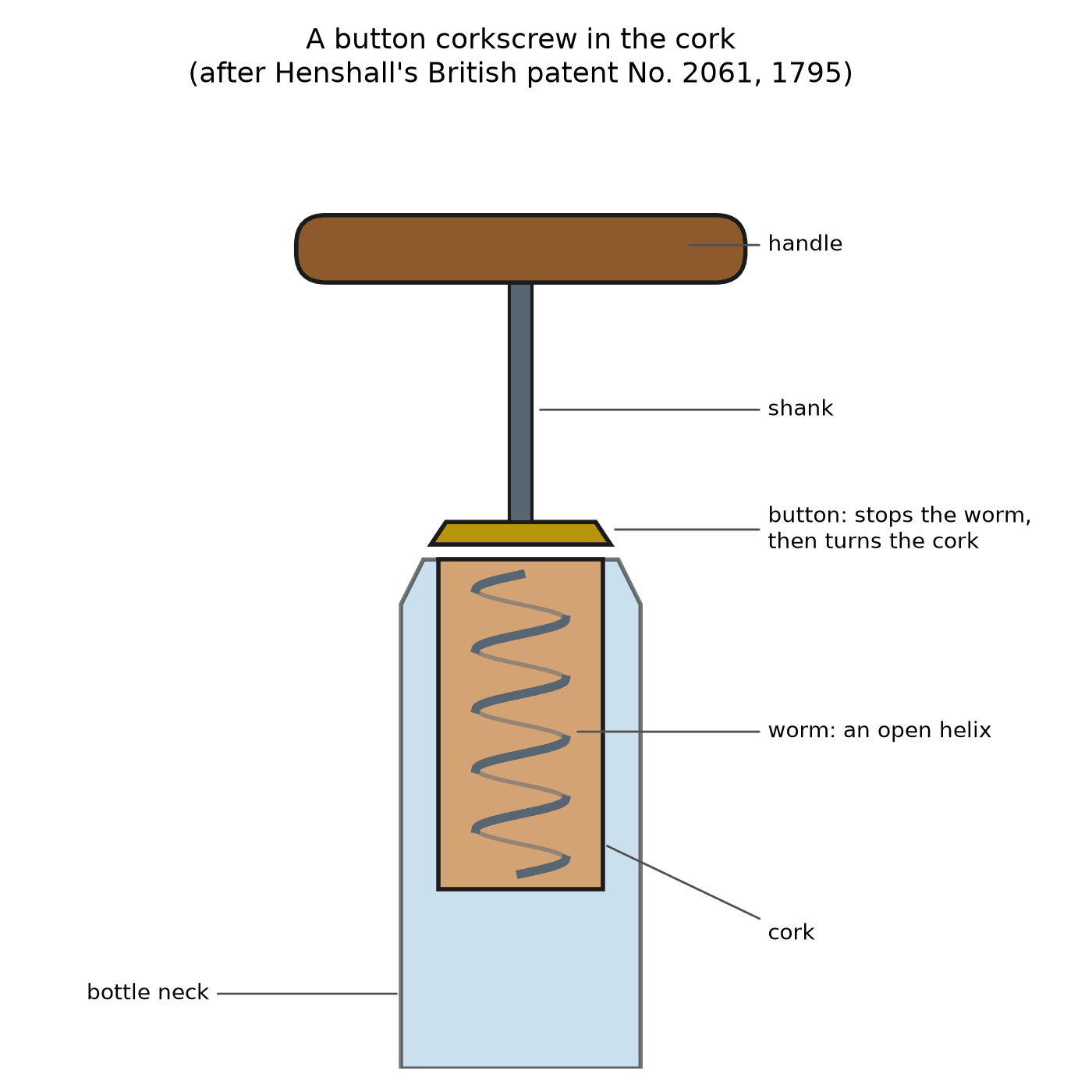
A cork in the neck of a bottle of fermenting or effervescing drink is pushed out along its own axis by the gas, so it had to be tied or wired down, and pulled with a corkscrew that marred it.
William Clark of New York received US 11,357, dated 25 July 1854, for "forming bottles with an eye at the top or upper part of the neck, said eye having a passage through it at right angles, or not much varying therefrom, with the opening or passage into the bottle to receive the cork, by which the cork is prevented from being forced from the bottle by the gaseous substances generated by the fermentation or effervescence of the liquid within it". The cork lies across the neck and covers the bore beneath it; it needs no wire and no corkscrew.
This rung works out why the gas cannot push a crosswise cork out, then prints an eye on the cap of a plastic bottle and compares a crosswise cork with an ordinary one under pressure.
Àárín
About 4 hours
Ìlànà
1
1
Axial and crosswise corks
Axial and crosswise corks
Ń ṣí ìwé Jupyter…
2
2
The bottle it changes
The bottle it changes
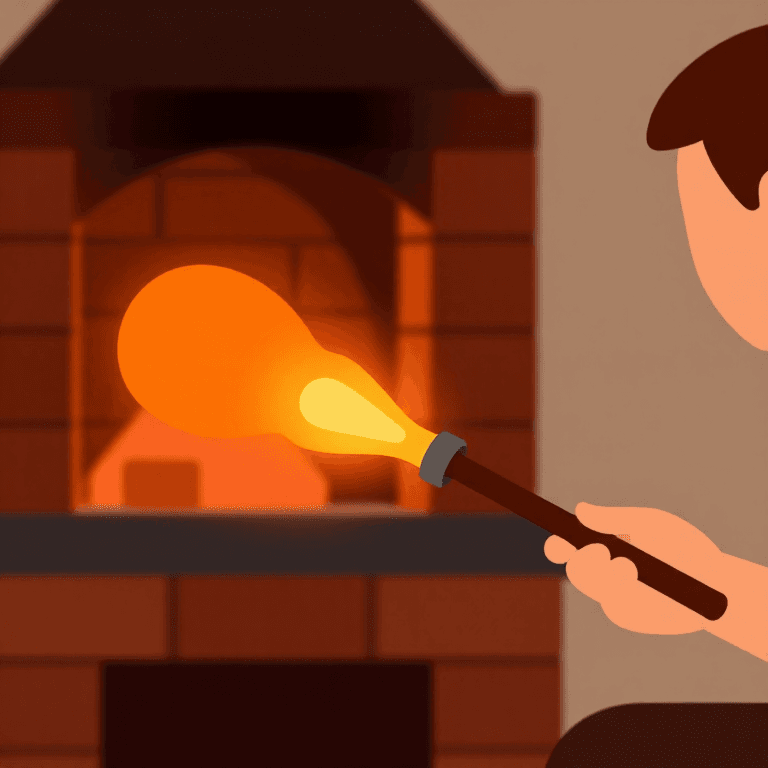
The embedded blueprint blows a bottle by hand. Clark's eye could be blown, pressed or moulded with the rest of the bottle, or made separately and attached to the neck.
3
3
Read US 11,357
Read US 11,357
"At the upper part of the bottle, or at the top of the neck a, there is an eye, B, having a horizontal passage, a′, through it, said passage forming right angles, or angles not very much varying therefrom, with the opening or passage b of the bottle."
"It will at once be seen that the cork cannot be expelled from the passage a′ by any pressure of gases within the bottle, and no wiring will be required; neither will any corkscrew be required to withdraw the cork from the passage a."
4
4
Print the eye and try it under pressure
Print the eye and try it under pressure
**Eye.** Model a block 40 × 30 × 30 mm with a horizontal passage through it that tapers to fit a tapered cork, and a 10 mm bore from its underside into the middle of that passage. Model a second block the same size with the tapered hole running straight down into the bore instead, as an ordinary neck. Print both in PETG.
**Caps.** Drill a 10 mm hole in the tops of two carbonated-drink bottle caps and epoxy one under each block, holes lined up, so the blocks screw onto the bottles.
**Tyre valves.** Fit a snap-in tyre valve through the base of each bottle so it can be pumped.
**Test.** Screw the blocks onto the two bottles and press a cork firmly into each: crosswise in the eye, straight down in the ordinary neck. Wearing safety glasses and pointing the blocks away from you, pump each bottle in steps of 0.5 bar up to 2 bar, reading the pump's gauge, and note where each cork moves. Then push the crosswise cork out sideways with a finger.
Àwọn ohun èlò fún ìgbésẹ̀ yìí:
 Ìgò PET (ohun mímu olóhùn)2 ẹyọ
 Okùn PETG1 ẹyọ
 Ẹpọ́ksì Ẹ̀yà Méjì1 ẹyọ
 Àwọn kọ́ọ̀kì2 ẹyọ
 Fáfù táyà2 ẹyọ
Àwọn irinṣẹ́ tí a nílò:
 Ẹ̀rọ ìtẹ̀ 3D oníwàyà (FDM)
 Ẹ̀rọ Ìlùkòkò Aláìlókùn
 Àkójọ Orí Ìlùkòkò
 Ọ̀bẹ ilé ìdáná
 Ẹ̀rọ ìfẹ́fẹ́ ilẹ̀ fún kẹ̀kẹ́
 Òṣùwọ̀n Kálípà Díjítà Ìnṣì 6
 Gílásì Ààbò Tí Ó Mọ́
5
5
An eye that leaks, cracks or lets the cork move
An eye that leaks, cracks or lets the cork move
Eye-necked bottle troubleshooting.
Flow
Loading...
6
6
History and honest limits
History and honest limits
**William Clark** of New York, New York, received US 11,357, dated 25 July 1854. His bottles could be glass or earthenware, the eye had to be strong enough not to break when the cork was forced in tightly, and an aperture in the top of the eye in line with the bore could let a bottle-cleaner through. He counted the saving of wire and labour, and corks that could be used again because no corkscrew marred them. His claim is the eye with its crosswise passage receiving the cork.
**Honest limits.** A printed PETG eye on a plastic bottle's cap stands in for a glass or earthenware eye, and pumped air stands in for the gas of the drink. The notebook ignores the cork's own grip; its pressures, bore and friction coefficient are examples. Your corks under pressure are the result.
Àwọn ohun-èlò
5- Àyè
- 1 ẹyọÀyè
- 1 ẹyọÀyè
- 2 ẹyọÀyè
- 2 ẹyọÀyè
Àwọn irinṣẹ́ tó nílò
7- 1 vendor sell this, none ship to you yetÀyè
Blueprint tó jọra
Àwọn blueprint wọ̀nyí pín ìmọ̀ — ọ̀nà, ohun-èlò tàbí ìlànà



CC0 Àgbègbè Gbogbogbò
Blueprint yìí ti jáde lábẹ́ CC0. O lè ṣe àdàkọ, yí padà, pín, àti lò láìsí ìyọ̀ǹda.
Ṣàtìlẹ́yìn Olùṣẹ́dá nípa rírà àwọn ọjà nipasẹ̀ Blueprint wọn Ẹ̀san Olùṣẹ́dá tí àwọn Olùtajà gbé kalẹ̀, tàbí ṣẹ̀dá àtúnṣe tuntun ti Blueprint yìí kí o sì fi sínú Blueprint rẹ gẹ́gẹ́ bí ìsopọ̀ láti pín owó-wíwọlé.