IṢẸ́ ỌNÀ
ẸWÀ ÀTI ÌLERA
IṢẸ́ ỌWỌ́
ÀṢÀ ÀTI ÌTÀN
ÌṢERÉ
ÀYÍKÁ
OÚNJẸ ÀTI OHUN MÍMU
REVERSE ENGINEERING
SÁYẸ́ǸSÌ
ERÉ ÌDÁRAYÁ
ÌMỌ̀-Ẹ̀RỌ
ÀWỌN OHUN WÍWỌ̀
The Gramme Ring: A Continuous Winding for Steady Current
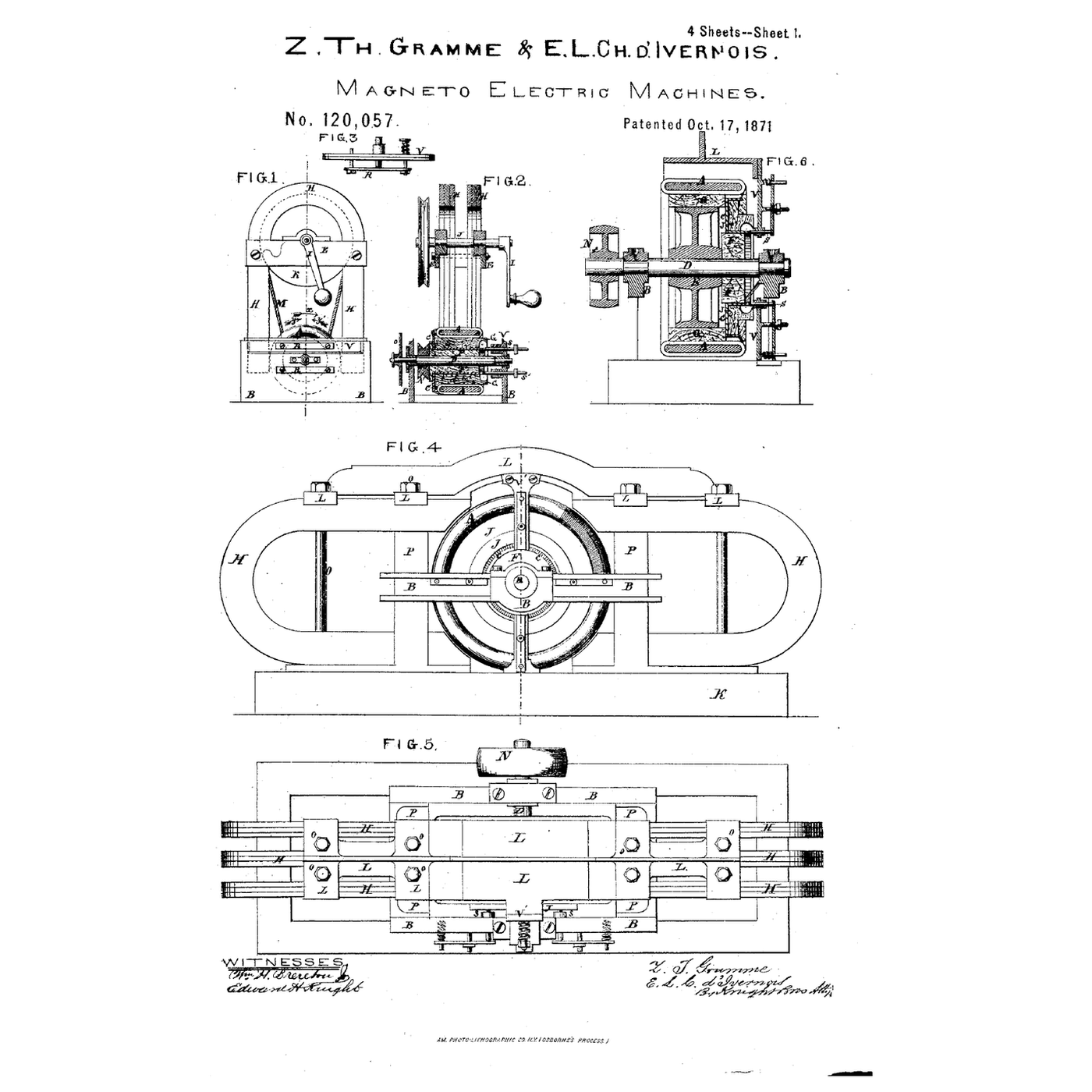
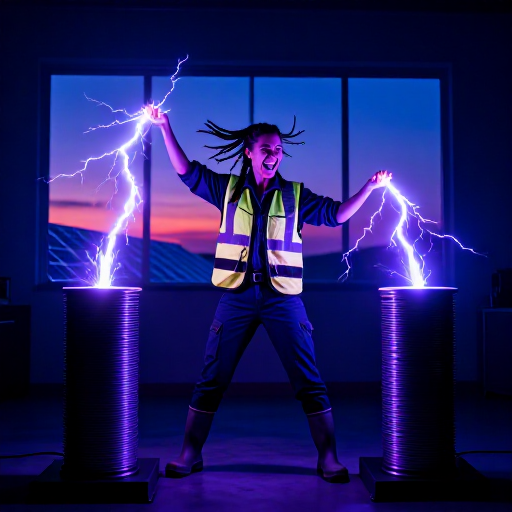
The first generators gave a current that pulsed with every half-turn. Zénobe Gramme, a Belgian working in Paris, wound his armature as a continuous coil round an iron ring, tapped at regular intervals to the segments of a commutator. At any moment many turns of the winding are cutting the field and adding together, so the current comes out nearly steady. His US patent of 1871 describes it as a 'magneto-electric machine'.
It was the first generator steady and strong enough for industry — electroplating, arc lighting — and, run backwards, it was one of the first practical electric motors.
This rung models how the ripple falls as the coils multiply, and winds a small ring armature with an eight-segment commutator.
Àárín
About 6 hours
Ìlànà
1
1
Ripple against the number of coils
Ripple against the number of coils
Ń ṣí ìwé Jupyter…
2
2
Wind a ring armature
Wind a ring armature
Print a ring 60 mm across with a 15 mm square section, on a hub that fits a steel shaft. Wind enamelled copper wire round the ring in eight equal coils of 40 turns each, all in the same direction and without cutting the wire between them: one continuous winding. At each junction between coils, pull out a loop and scrape its enamel.
Print a commutator drum on the shaft with eight strips of copper sheet glued round it, insulated from each other, and solder each junction loop to its own segment in order.
Àwọn ohun èlò fún ìgbésẹ̀ yìí:
 Okùn PETG60 g
 Okùn Bàbà Tí A Fi Enamẹ́là Bò1 ìyípo
 Pẹlẹbẹ Bàbà1 ewé
 Ọ̀pá irin aise1 ẹyọ
 Bearing Skateboard2 ẹyọ
Àwọn irinṣẹ́ tí a nílò:
 Ẹ̀rọ ìtẹ̀ 3D oníwàyà (FDM)
 Àkójọpọ̀ bébà ìpọ́n
 Òṣùwọ̀n Kálípà Díjítà Ìnṣì 6
 Ìdìpọ̀ kọ́kọ́rọ́ igun mẹ́fà
3
3
Spin it between magnets and measure
Spin it between magnets and measure
Mount the shaft in bearings in a plywood frame with neodymium magnets on either side of the ring, one north-facing and one south-facing. Bend two strips of copper as brushes to press on opposite segments, at the positions where the output is greatest (find them by turning the brushes round while measuring).
Spin the shaft with the cordless drill and read DC volts across the brushes. Switch the multimeter to AC volts: the reading is the ripple left on the DC. Now lift four adjacent junction loops off their segments, so the machine behaves as a coarser one, and read the AC ripple again — it rises.
Compare with the two-segment Brush dynamo in this catalogue: same idea, fewer segments, more ripple.
Àwọn ohun èlò fún ìgbésẹ̀ yìí:
 Ìdìpọ̀ òòfà neodimium1 ìtò
 Àwo igi tí a lẹ̀ pọ̀1 ewéPẹlẹbẹ Bàbà1 ewé
Àwọn irinṣẹ́ tí a nílò:
 Ẹ̀rọ Ìlùkòkò Aláìlókùn
 Òǹwọ̀n iná mànàmáná onírúurú
 Ìwọ̀n Ìyípo Dígítà
 Gílásì Ààbò Tí Ó Mọ́
4
4
History and context
History and context
**US 120,057, 'Magneto-Electric Machines', Zénobe Théophile Gramme and E. d'Ivernois, dated 17 October 1871.** Gramme's machines, built in Paris, supplied electroplating works and arc lighting in the 1870s; at the Vienna Exhibition of 1873 a Gramme machine was shown driving another as a motor.
The ring was later replaced by the drum armature, which puts all its copper in the field (on a ring, the turns inside the ring do no work), but the continuous, many-segment commutated winding is Gramme's.
**Honest limits.** The inner half of every turn on a ring is wasted copper. Commutators and brushes spark and wear. And a DC generator's voltage cannot be stepped up with a transformer, which is why alternating current won long-distance supply.
Àwọn ohun-èlò
7- 60 gÀyè
- Àyè
- 1 ewéÀyè
- 1 ẹyọÀyè
- Bearing Skateboardìdá 10%2 ẹyọÀyè
- Àyè
- 1 ewéÀyè
Àwọn irinṣẹ́ tó nílò
8- 1 vendor sell this, none ship to you yetÀyè
Blueprint tó jọra
Àwọn blueprint wọ̀nyí pín ìmọ̀ — ọ̀nà, ohun-èlò tàbí ìlànà
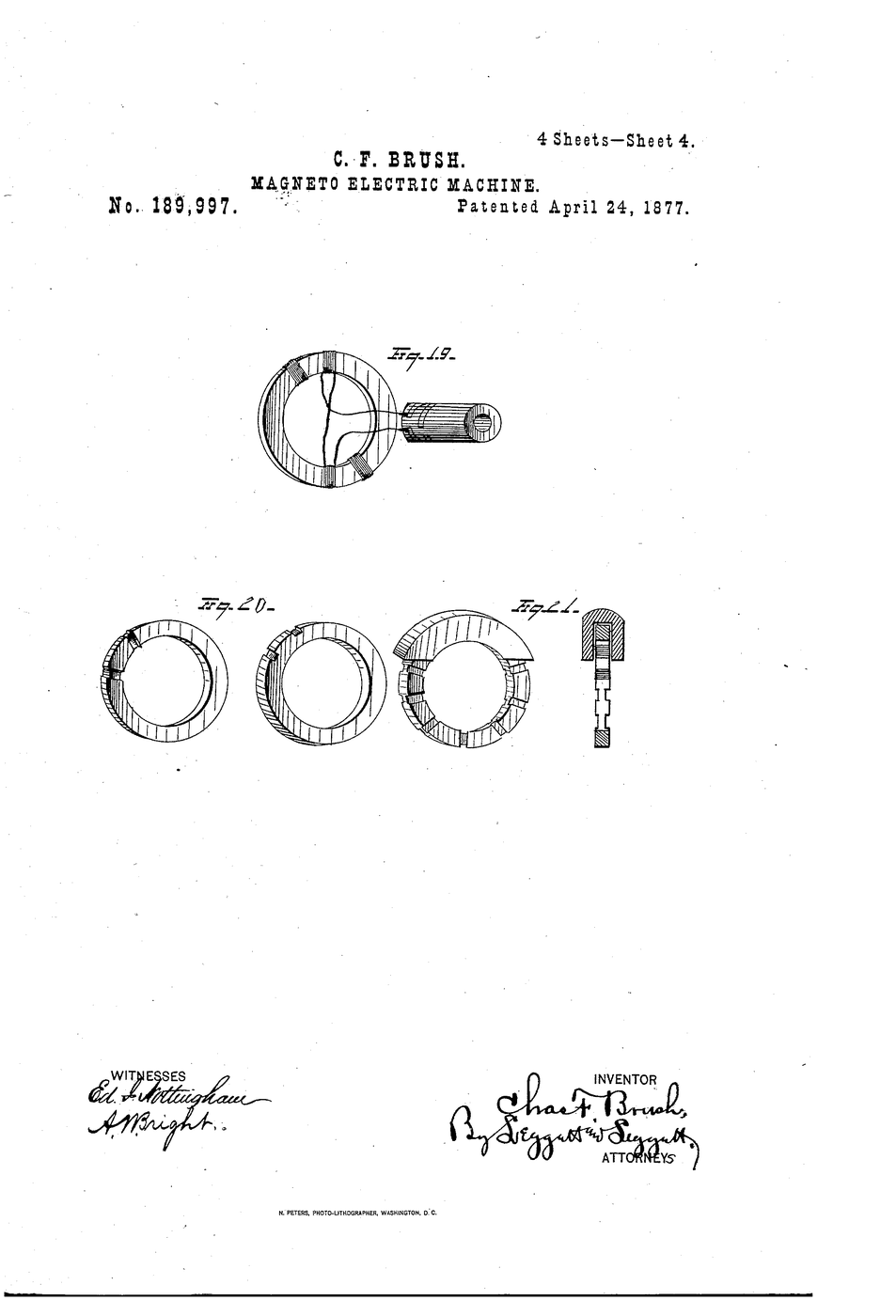
Brush Dynamo
láti ọwọ́ Emma
Agbára
38
0
0
0
1
0

Building a Voltaic Pile — The First Battery and the Birth of Steady Electricity
láti ọwọ́ Gloin
Ẹ̀rọ Ìtanná
37
0
0
0
2
0
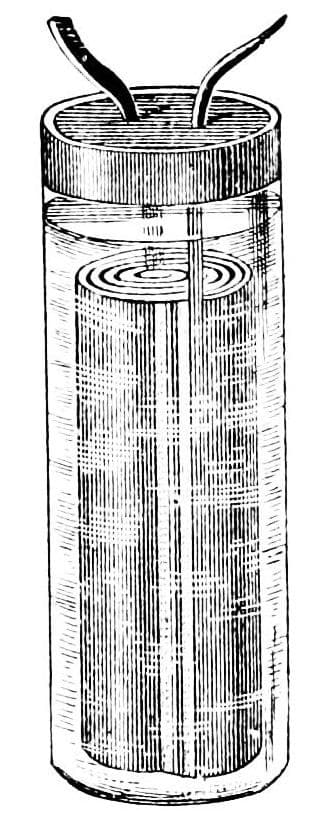
Léwu
Plante Lead-Acid Cell
láti ọwọ́ Volt
Agbára
40
0
0
0
0
0
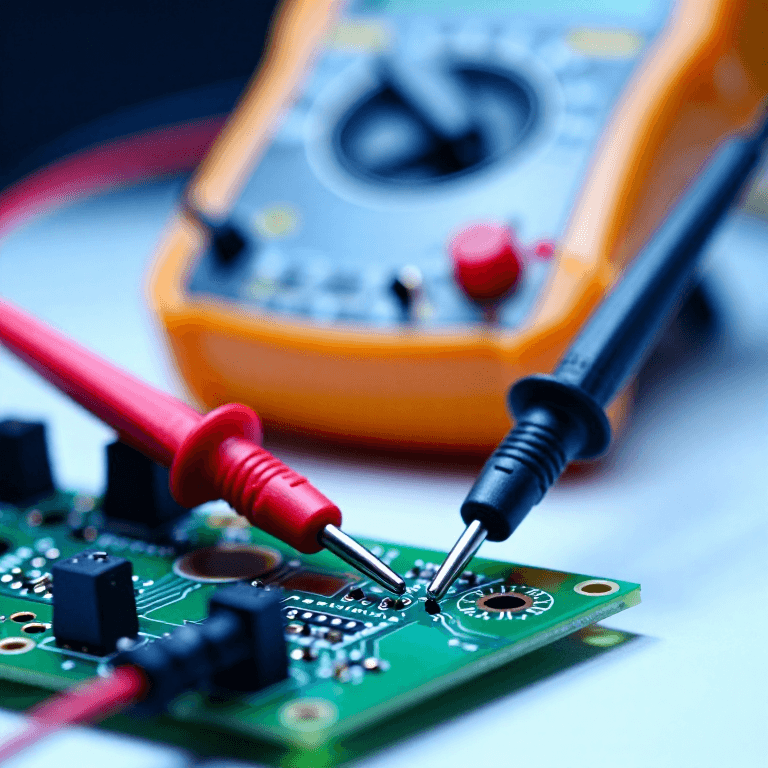
Using a Multimeter: Continuity, Volts, Ohms — and the Setting That Blows the Fuse
láti ọwọ́ Ed
Ẹ̀rọ Ìtanná
17
0
0
0
0
0
CC0 Àgbègbè Gbogbogbò
Blueprint yìí ti jáde lábẹ́ CC0. O lè ṣe àdàkọ, yí padà, pín, àti lò láìsí ìyọ̀ǹda.
Ṣàtìlẹ́yìn Olùṣẹ́dá nípa rírà àwọn ọjà nipasẹ̀ Blueprint wọn Ẹ̀san Olùṣẹ́dá tí àwọn Olùtajà gbé kalẹ̀, tàbí ṣẹ̀dá àtúnṣe tuntun ti Blueprint yìí kí o sì fi sínú Blueprint rẹ gẹ́gẹ́ bí ìsopọ̀ láti pín owó-wíwọlé.