IṢẸ́ ỌNÀ
ẸWÀ ÀTI ÌLERA
IṢẸ́ ỌWỌ́
ÀṢÀ ÀTI ÌTÀN
ÌṢERÉ
ÀYÍKÁ
OÚNJẸ ÀTI OHUN MÍMU
REVERSE ENGINEERING
SÁYẸ́ǸSÌ
ERÉ ÌDÁRAYÁ
ÌMỌ̀-Ẹ̀RỌ
ÀWỌN OHUN WÍWỌ̀
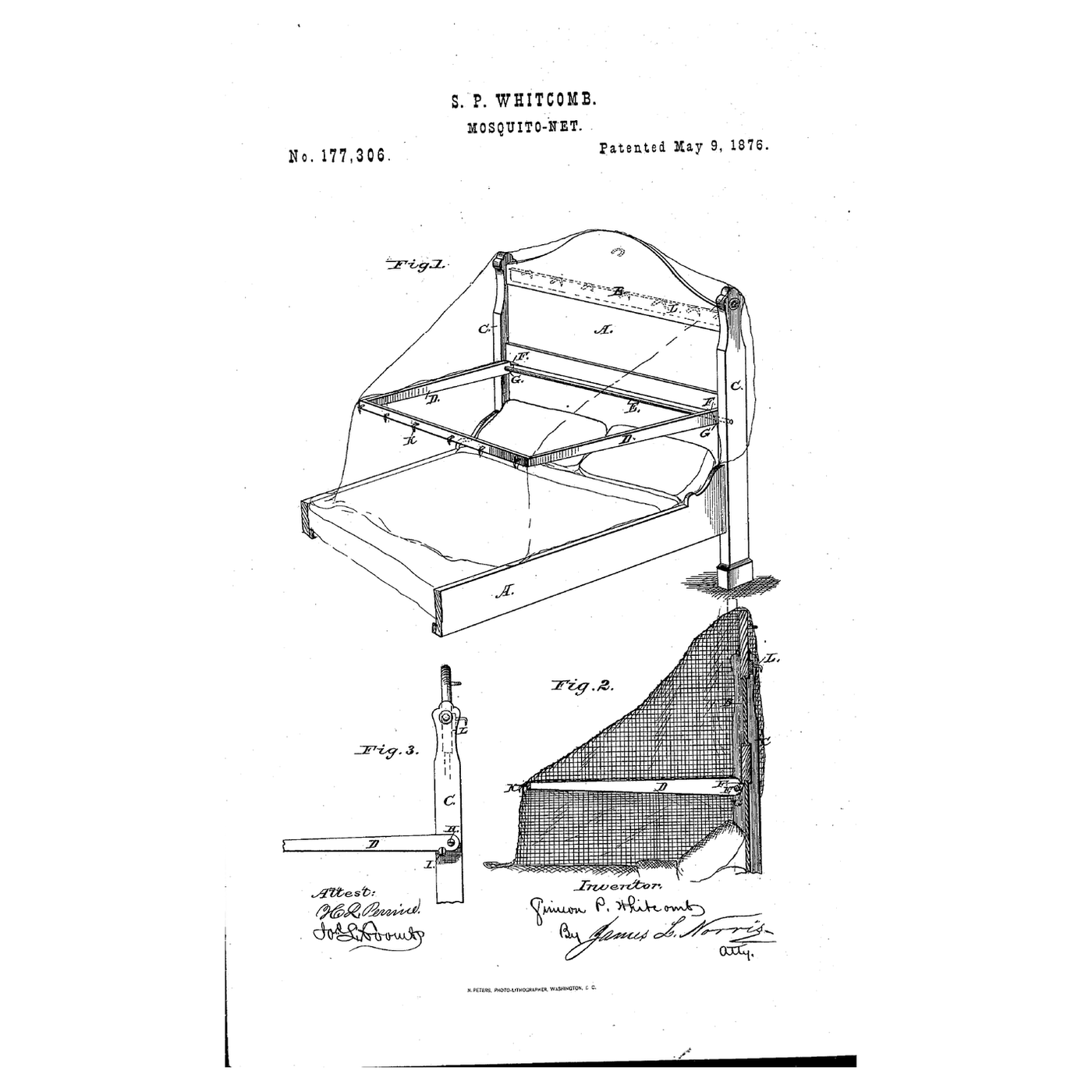


The Hinged Mosquito Canopy: A Frame That Folds Up From the Head-Board
A mosquito net protects only if it closes every gap, and a full canopy frame over a bed takes a lot of netting and gets in the way.
Simeon P. Whitcomb of Hornellsville, New York, received US 177,306, dated 9 May 1876 (filed 9 September 1875), for a mosquito-canopy frame for bedsteads, cribs and cradles, meant to "require much less material to cover it than those heretofore constructed", attach to ordinary bedsteads, and "be conveniently folded back with its covering without detaching it from the bedstead".
This rung compares the netting a head-board frame needs with a full box, then builds a hinged frame and hangs a net from it.
Olùbẹ̀rẹ̀
About 2 hours
Ìlànà
1
1
Netting for a head frame and for a box
Netting for a head frame and for a box
Ń ṣí ìwé Jupyter…
2
2
Keeping insects out, the other way
Keeping insects out, the other way
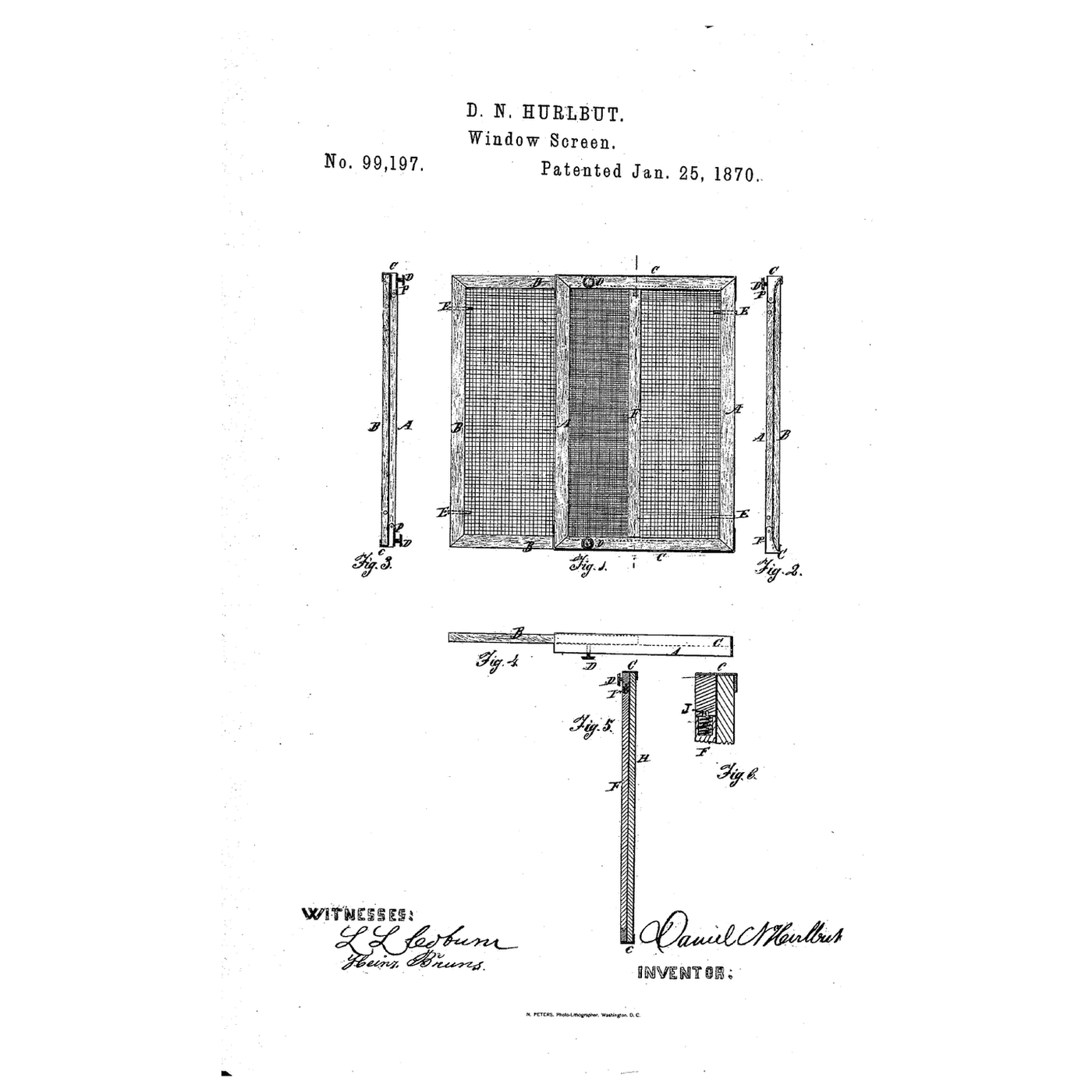
The embedded blueprint screens the window; a bed canopy screens the sleeper when the windows are open.
3
3
Read US 177,306
Read US 177,306
"My invention relates to certain improvements in mosquito-canopies for bedsteads, cribs, cradles, and other similar articles of furniture; its object being to provide a cheap and efficient frame for the support of the fabric or netting, which will require much less material to cover it than those heretofore constructed, which can be readily attached to bedsteads of ordinary construction, and quickly detached from the same, and which can be conveniently folded back with its covering without detaching it from the bedstead".
The frame is "capable of being turned down in a horizontal position in such a manner as to form a canopy over the sleeper, or be elevated to a vertical position, and thrown out of the way when desired".
"The fabric necessary to form the canopy, consisting simply of a plain piece of netting, requires no making up, and, as only a small piece is necessary, enables the whole to be constructed much more cheaply than the canopies heretofore in use".
4
4
Build a hinged frame and hang a net
Build a hinged frame and hang a net
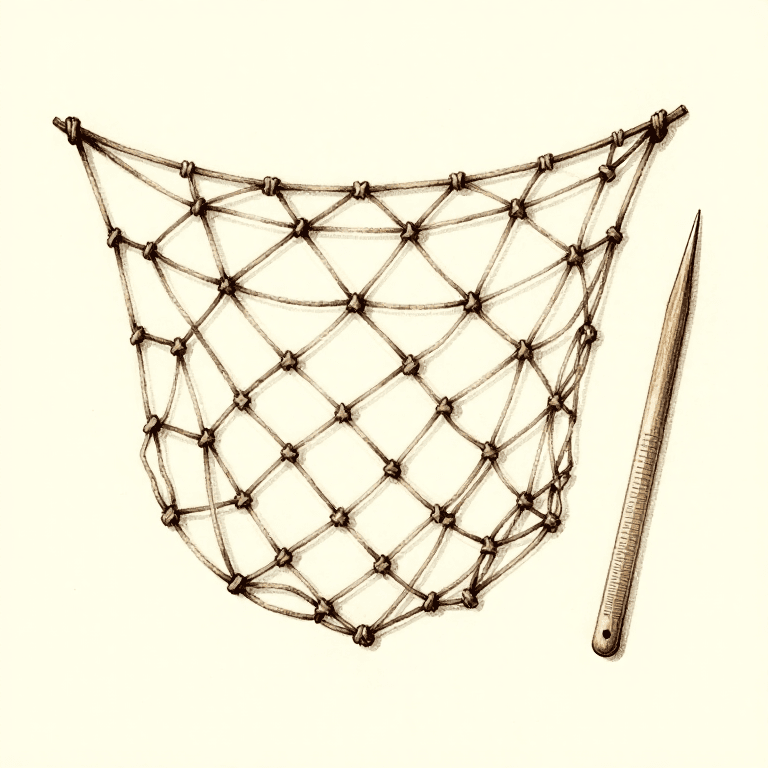
Make a light rectangular frame from dowels and fix it to a head-board or a wall with two hinges, with a stop so it rests level when swung down. Put small hooks along its front edge.
Measure the frame and the drop to the bed and work out the netting with the notebook. Cut a plain piece of tulle to that size, hook it along the front and fix its back edge at the head. Swing the frame down and check that the net reaches the mattress all round; swing it up and see that it stays on.
Àwọn ohun èlò fún ìgbésẹ̀ yìí:
 Àwọn dowel igi líle1 ẹyọ
 Tùlù / Aṣọ Àwọ̀n1 ẹyọ
 Skurú ẹ̀rọ1 ẹyọ
Àwọn irinṣẹ́ tí a nílò:
 Àwọ̀n ẹ̀fọn
 Ẹ̀rọ Ìlùkòkò Aláìlókùn
 Ìkẹ́rẹ́ aṣọ
 Ìdíwọ̀n
5
5
A net that lets mosquitoes in or gets in the way
A net that lets mosquitoes in or gets in the way
Mosquito canopy troubleshooting.
Flow
Loading...
6
6
History and honest limits
History and honest limits
**Simeon P. Whitcomb** of Hornellsville, New York, filed US 177,306 on 9 September 1875; it is dated 9 May 1876.
**Honest limits.** The netting figures are flat-piece areas with no seams or overlap; the head-frame figure is a lower bound, because the net must also reach down along the rest of the bed. How much netting you actually need depends on how the net falls. Your cut piece and whether it reaches the mattress are the measurement.
Àwọn ohun-èlò
3- 1 ẹyọÀyè
- Tùlù / Aṣọ Àwọ̀nìdá 10%1 ẹyọÀyè
- 1 ẹyọÀyè
Àwọn irinṣẹ́ tó nílò
4- Àyè
- 1 vendor sell this, none ship to you yetÀyè
- Àyè
- Àyè
Blueprint tó jọra
Àwọn blueprint wọ̀nyí pín ìmọ̀ — ọ̀nà, ohun-èlò tàbí ìlànà



CC0 Àgbègbè Gbogbogbò
Blueprint yìí ti jáde lábẹ́ CC0. O lè ṣe àdàkọ, yí padà, pín, àti lò láìsí ìyọ̀ǹda.
Ṣàtìlẹ́yìn Olùṣẹ́dá nípa rírà àwọn ọjà nipasẹ̀ Blueprint wọn Ẹ̀san Olùṣẹ́dá tí àwọn Olùtajà gbé kalẹ̀, tàbí ṣẹ̀dá àtúnṣe tuntun ti Blueprint yìí kí o sì fi sínú Blueprint rẹ gẹ́gẹ́ bí ìsopọ̀ láti pín owó-wíwọlé.