IṢẸ́ ỌNÀ
ẸWÀ ÀTI ÌLERA
IṢẸ́ ỌWỌ́
ÀṢÀ ÀTI ÌTÀN
ÌṢERÉ
ÀYÍKÁ
OÚNJẸ ÀTI OHUN MÍMU
REVERSE ENGINEERING
SÁYẸ́ǸSÌ
ERÉ ÌDÁRAYÁ
ÌMỌ̀-Ẹ̀RỌ
ÀWỌN OHUN WÍWỌ̀

The Screw-Valve Bottle Stopper: Close It With a Screw, Pour and Fill Through a Funnel
A bottle stopped with a cork needs a new cork each time it is stopped, and a corkscrew each time it is opened.
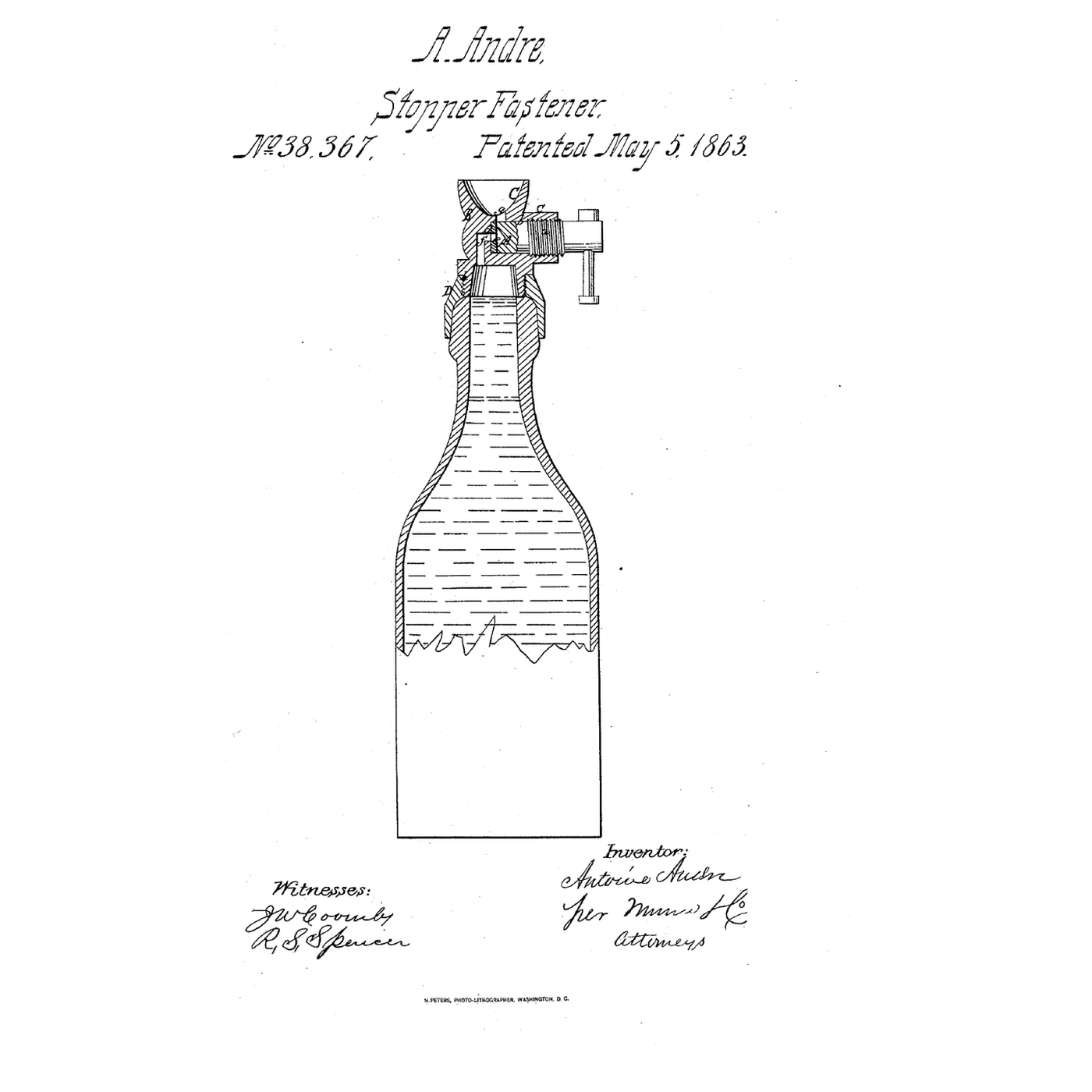
Antoine Andre of Chicago received US 38,367, dated 5 May 1863, for "a screw-valve fitting into a seat that is secured to the neck of a bottle in combination with a funnel-shaped mouth-piece in such a manner that by the aid of said valve the communication between the interior of the bottle and the mouth-piece can be effectually stopped, and that on opening the valve the contents of the bottle can conveniently be poured out, or by the aid of the funnel-shaped mouth-piece fresh liquid can be introduced into the bottle with ease and convenience."
This rung works out how tight the screw valve closes against the gas, then prints the casting with a nut for the valve's thread, a rubber washer and a funnel mouth-piece on a bottle cap, and stops, pours and fills a bottle.
Àárín
About 4 hours, with printing
Ìlànà
1
1
The screw against the gas
The screw against the gas
Ń ṣí ìwé Jupyter…
2
2
A stopper before it
A stopper before it
The embedded blueprint stops a bottle with a hollow rubber stopper put in and taken out by hand. Andre fixes a casting to the neck and stops it with a screw valve, so nothing is taken out at all.
3
3
Read US 38,367
Read US 38,367
"The stem of the valve A, which is intended to stop a bottle, is provided with a screw-thread, a, screwing into a socket, b. This socket is formed by a hole drilled or cast into a projection, c, extending from the side of the casting B, which contains the valve-seat d. This seat, which may be protected by a washer, e, of india-rubber or leather, or other suitable material, connects by annular passage, f, with the interior of the bottle; and a channel, g, leads from the socket b to the funnel-shaped mouth-piece C, forming the top of the casting B"
"When the valve A is screwed up tight against the seat d, the communication between the passage f and channel g is interrupted, and the bottle is firmly stopped; but if the valve A is unscrewed, a communication is effected between the passage f and channel g, and the contents of the bottle can be poured out."
4
4
Print the stopper and stop, pour and fill
Print the stopper and stop, pour and fill
**Casting.** Model a body with a funnel mouth-piece on top, a vertical passage below it leading down into the bottle, and a side projection with a horizontal socket that crosses the passage. Where the socket meets the passage, model a flat seat. Leave a hexagonal pocket at the socket's outer end for an M8 nut. Print it in PETG.
**Valve.** Epoxy an M8 nut into the pocket. Cut a rubber washer to fit the seat, and glue a smaller disc of rubber sheet onto the end of an M8 bolt as the valve's face. Screw the bolt in through the nut.
**Ring.** Drill the top of a carbonated-drink bottle cap and epoxy it under the casting so the passage opens into the bottle, as Andre's ring D held the casting to the mouth.
**Test.** Fill the bottle with water through the funnel with the valve open. Screw the valve shut, turn the bottle upside down and shake it: nothing should come out. Hold it over a glass, unscrew the valve and pour. Refill it through the funnel. Then fill it with chilled carbonated water, close it, and see whether it keeps its fizz for a day.
Àwọn ohun èlò fún ìgbésẹ̀ yìí:
 Ìgò PET (ohun mímu olóhùn)1 ẹyọ
 Okùn PETG1 ẹyọ
 Ẹpọ́ksì Ẹ̀yà Méjì1 ẹyọ
 Àkójọ bọ́ọ̀lù onígun mẹ́fà1 ẹyọ
 Nọ́ọ̀tì Onígun Mẹ́fà1 ẹyọ
 Àwo rọ́bà1 ẹyọ
 Omi1 lítà
 Omi olóbùú (ìgò tí a sé)1 ẹyọ
Àwọn irinṣẹ́ tí a nílò:
 Ẹ̀rọ ìtẹ̀ 3D oníwàyà (FDM)
 Ẹ̀rọ Ìlùkòkò Aláìlókùn
 Àkójọ Orí Ìlùkòkò
 Ọ̀bẹ ilé ìdáná
 Kọ́kọ́rọ́ tí a lè ṣàtúnṣe
 Òṣùwọ̀n Kálípà Díjítà Ìnṣì 6
 Ife ìmumi
5
5
A stopper that leaks, sticks or pours badly
A stopper that leaks, sticks or pours badly
Screw-valve bottle stopper troubleshooting.
Flow
Loading...
6
6
History and honest limits
History and honest limits
**Antoine Andre** of Chicago, Cook County, Illinois, received US 38,367, dated 5 May 1863. The casting B joined a ring D fixed to the bottle's mouth by a screw thread h, so a device could be moved to another bottle if the first broke. He wanted the valve and casting of a material the contents would not affect, generally tin or metal covered with tin, or hard india-rubber or glass. His claim is the screw valve, passage, channel and funnel mouth-piece combined.
**Honest limits.** Printed PETG, a steel bolt and nut and a rubber disc stand in for his tinned casting and valve, and a bottle cap for his ring. The notebook ignores thread friction; its torques, lead, seat and pressure are examples. Your stopped, poured and refilled bottle is the result.
Àwọn ohun-èlò
8- Àyè
- 1 ẹyọÀyè
- 1 ẹyọÀyè
- Àyè
- 1 ẹyọÀyè
- 1 ẹyọÀyè
- 1 lítàÀyè
- Àyè
Àwọn irinṣẹ́ tó nílò
7- 1 vendor sell this, none ship to you yetÀyè
- Àyè
Ìtọ́nisọ́nà yìí ń ṣe

Blueprint tó jọra
Àwọn blueprint wọ̀nyí pín ìmọ̀ — ọ̀nà, ohun-èlò tàbí ìlànà
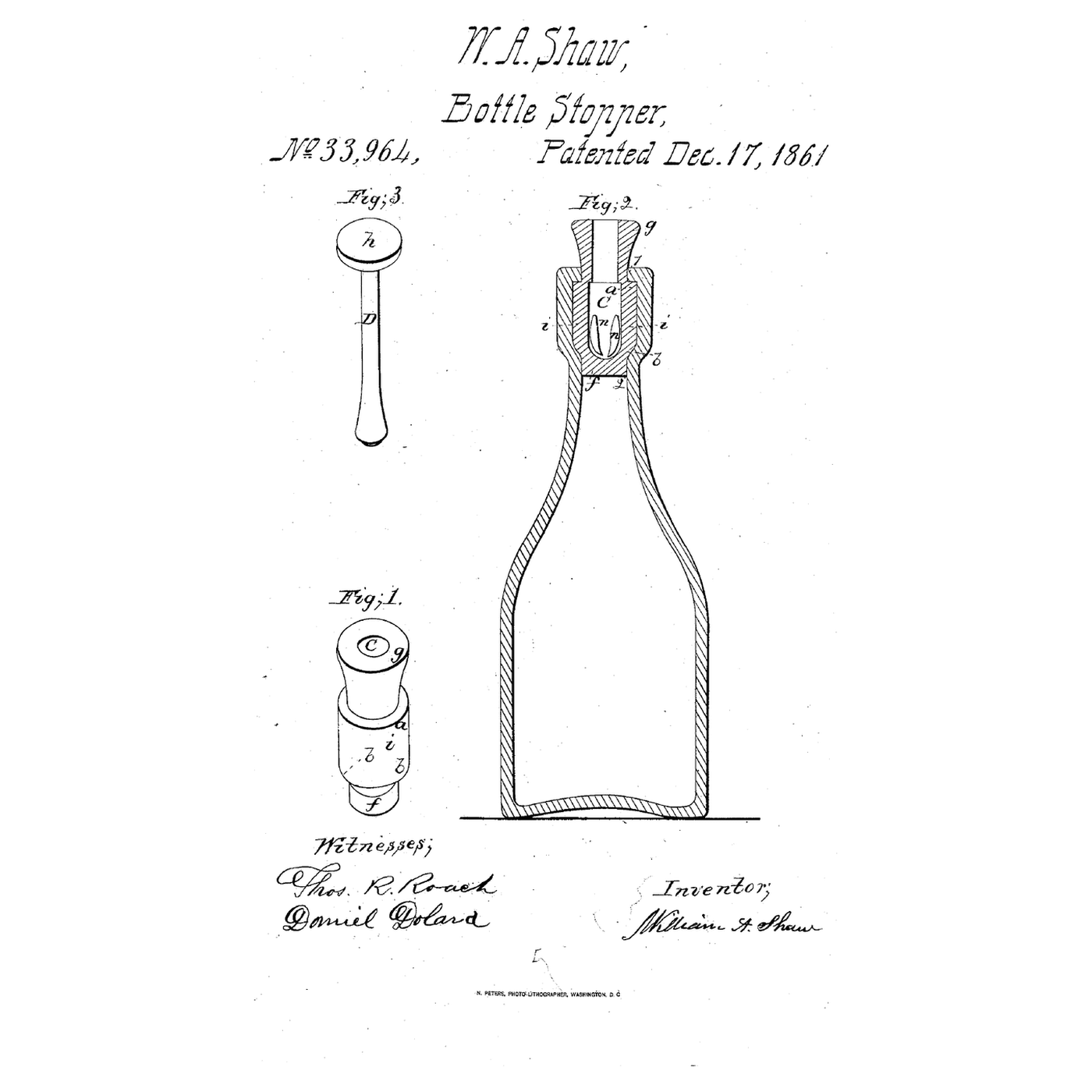
The Hollow Rubber Stopper: Stretch It Thin to Put It In, and the Gas Seats It Tighter
láti ọwọ́ Charlie
Àwọn Ohun Mímu
20
0
0
0
0
0
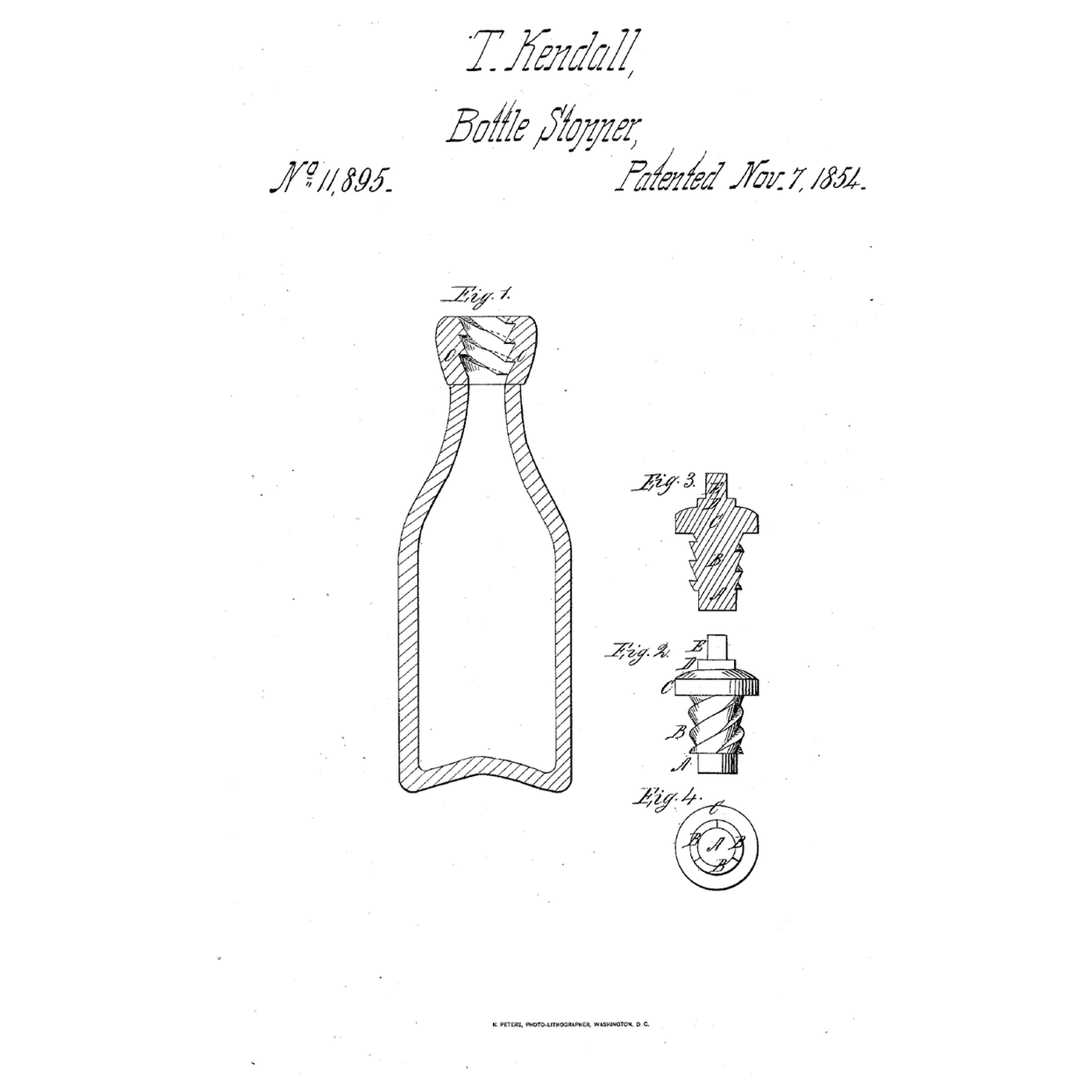
The Groove-Necked Bottle: Three Threads in the Neck That Hold the Cork
láti ọwọ́ Emma
Àwọn Ohun Mímu
15
0
0
0
0
0
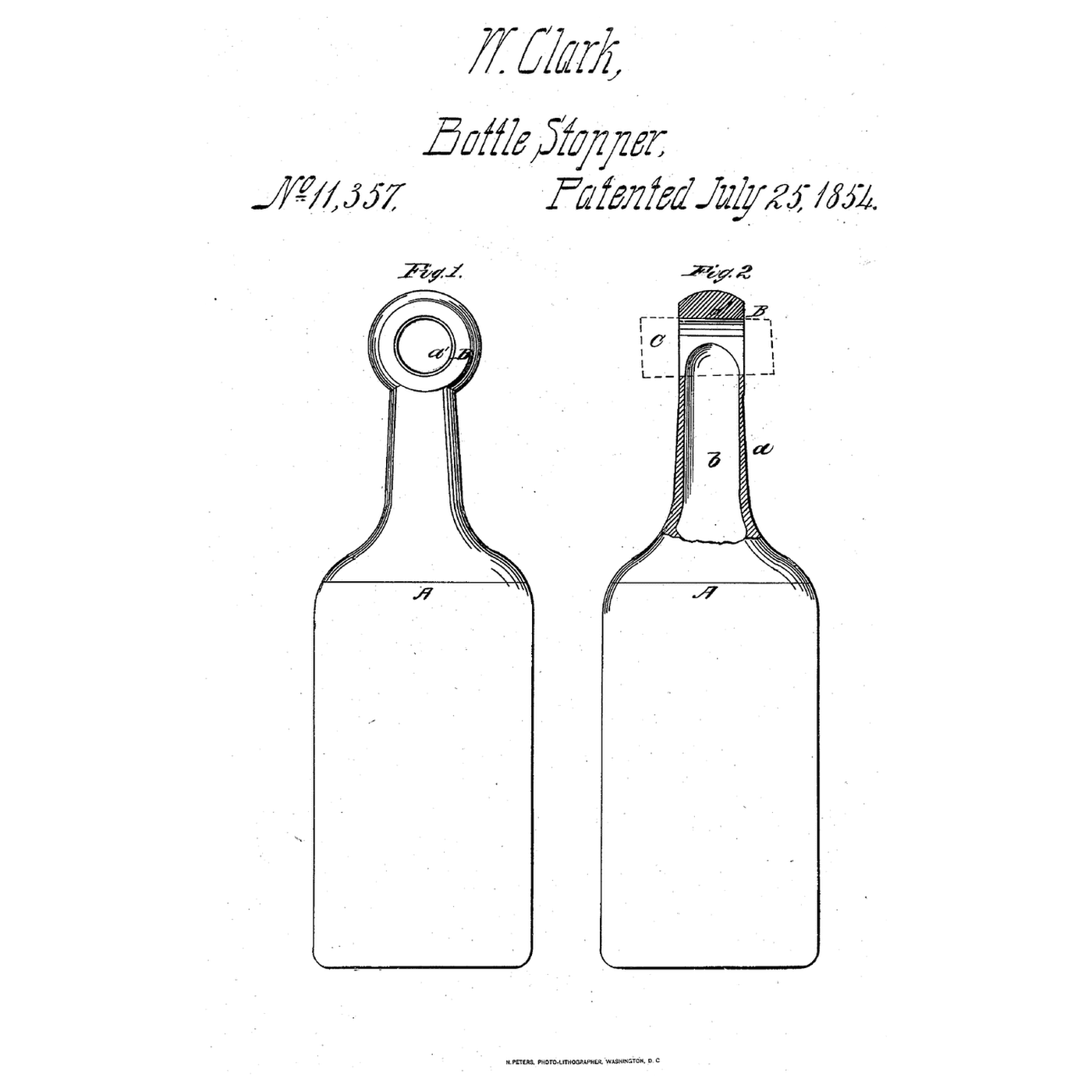
The Eye-Necked Bottle: A Cork Across the Neck That the Gas Cannot Push Out
láti ọwọ́ Charlie
Àwọn Ohun Mímu
18
0
0
0
0
0
CC0 Àgbègbè Gbogbogbò
Blueprint yìí ti jáde lábẹ́ CC0. O lè ṣe àdàkọ, yí padà, pín, àti lò láìsí ìyọ̀ǹda.
Ṣàtìlẹ́yìn Olùṣẹ́dá nípa rírà àwọn ọjà nipasẹ̀ Blueprint wọn Ẹ̀san Olùṣẹ́dá tí àwọn Olùtajà gbé kalẹ̀, tàbí ṣẹ̀dá àtúnṣe tuntun ti Blueprint yìí kí o sì fi sínú Blueprint rẹ gẹ́gẹ́ bí ìsopọ̀ láti pín owó-wíwọlé.