IṢẸ́ ỌNÀ
ẸWÀ ÀTI ÌLERA
IṢẸ́ ỌWỌ́
ÀṢÀ ÀTI ÌTÀN
ÌṢERÉ
ÀYÍKÁ
OÚNJẸ ÀTI OHUN MÍMU
REVERSE ENGINEERING
SÁYẸ́ǸSÌ
ERÉ ÌDÁRAYÁ
ÌMỌ̀-Ẹ̀RỌ
ÀWỌN OHUN WÍWỌ̀


The Tire Valve: A Plunger the Air Holds Shut
A pneumatic tyre needs a way in for the pump's air and no way out for it afterwards. The valve has to seal by itself, stand up to road grit, and let the pump couple on and off.
George H. F. Schrader of New York filed US 505,486 on 9 February 1893; it is dated 26 September 1893. His valve, for "air valves for pneumatic bicycle tires", clamps a casing through the tyre wall; inside, a plunger with a conical face is pressed onto its seat by a spring. A hand nut on the plunger's stem can be screwed down onto a packing washer to lock it shut, or backed off so the plunger can move; the pump's coupling screws onto the casing's thread and seals against the same washer.
This rung works out the pressure a pump must reach and the strokes to fill a tyre, and takes a valve apart.
Olùbẹ̀rẹ̀
About 2 hours
Ìlànà
1
1
Pressure at the valve and strokes to fill
Pressure at the valve and strokes to fill
Ń ṣí ìwé Jupyter…
2
2
One way only
One way only
A tyre valve is a check valve that the tyre's own pressure closes. The embedded blueprint explains check valves.
3
3
Read US 505,486
Read US 505,486
"This invention relates to valves, particularly to air valves for pneumatic bicycle tires". The valve A has a tubular casing D and a plunger E "one being movable relatively to the other". The casing's flange F lies inside the tyre B, and a washer G and nut H on its thread a clamp the tyre between them.
"The plunger E has a conical seating face g within the casing and acting against the seat f of the latter for closing the valve." A plug I screwed into the casing guides the plunger; "A spring K within the hollow i ... acts ... against the plunger to force the latter to the closed position." A lug m in a groove k stops them turning. On the stem's threaded head M screws a handle nut N; below it a packing washer P sits in the socket.
"When the valve is in closed position the nut N is screwed down tightly against the washer P", sealing both the casing and the stem. When it is open, "the nut N is screwed away from the washer and the plunger and nut can oscillate together under the action of the inflowing air and the closing action of the spring K." The pump coupling C screws onto the casing "until its internal shoulder p tightly engages the packing washer P", and the nut is small enough to pass freely within it.
4
4
Take a valve apart and pump
Take a valve apart and pump
Take an old inner tube. Unscrew the valve core with a core tool or pliers and find the spring, the seat and the sealing face — the same parts as Schrader's plunger, spring and seat, made smaller. Refit it.
Fit the tube in a tyre, pump it with the floor pump's gauge, and count strokes to 3, 5 and 7 bar; compare with the notebook. Listen at the valve with a drop of soapy water on it for leaks.
Àwọn ohun èlò fún ìgbésẹ̀ yìí:
 Rọ́bà inú1 ẹyọ
 Fáfù táyà1 ẹyọ
Àwọn irinṣẹ́ tí a nílò:
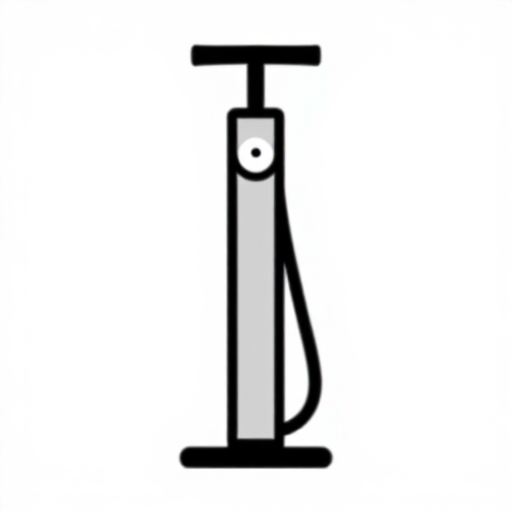 Ẹ̀rọ ìfẹ́fẹ́ ilẹ̀ fún kẹ̀kẹ́
 Ẹmú Ẹnu Pẹrẹsẹ
 Ìgò ìfọn omi
5
5
A valve that leaks
A valve that leaks
Tire valve troubleshooting.
Flow
Loading...
6
6
History and honest limits
History and honest limits
**George H. F. Schrader** of New York filed US 505,486 on 9 February 1893; it is dated 26 September 1893. It claims a bicycle-tyre valve with a spring-closed plunger and a locking hand nut with packing. His earlier US 495,064 of April 1893 is a different valve.
**Honest limits.** The tyre and pump volumes, seat size and spring force in the notebook are examples; the estimate ignores the air in the hose and the heating of the air.
Àwọn irinṣẹ́ tó nílò
3- Àyè
Blueprint tó jọra
Àwọn blueprint wọ̀nyí pín ìmọ̀ — ọ̀nà, ohun-èlò tàbí ìlànà
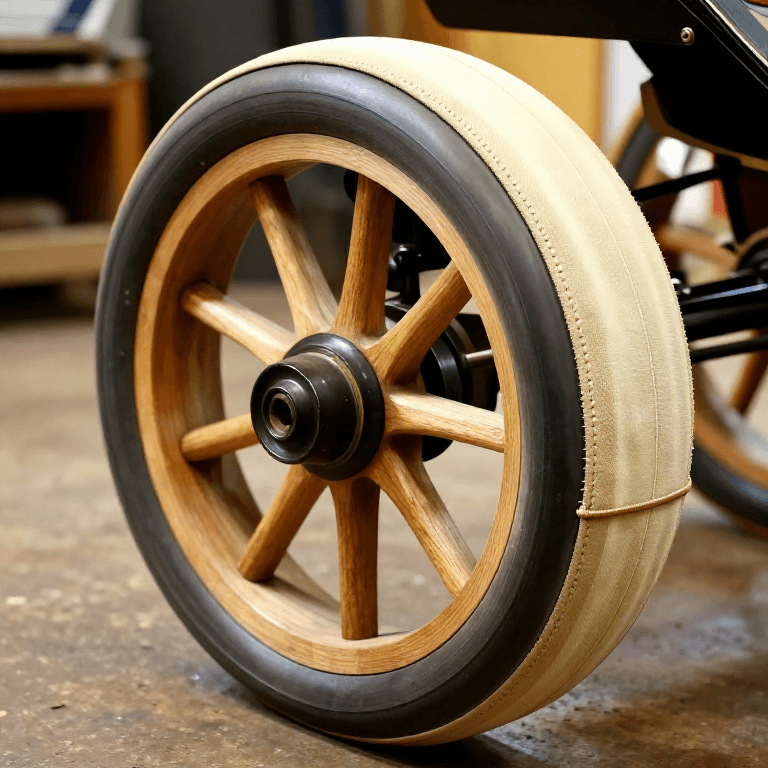
Pneumatic Tyre
láti ọwọ́ Spartan
Ìdíje Eré
39
0
0
0
0
0
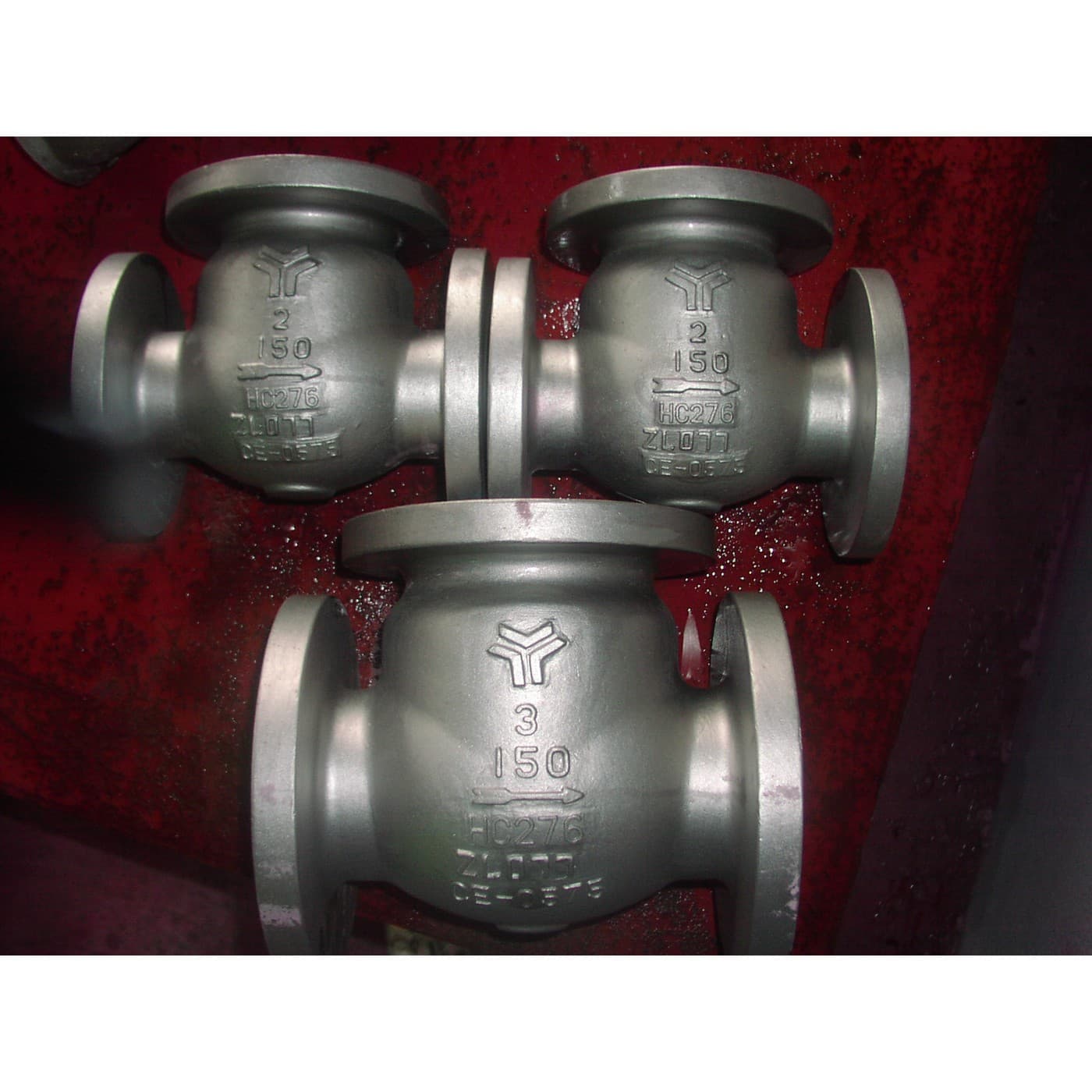
One Way Only: The Check Valve and the Bang It Makes
láti ọwọ́ Martin
Àwọn Irinṣẹ́
32
0
0
0
0
0
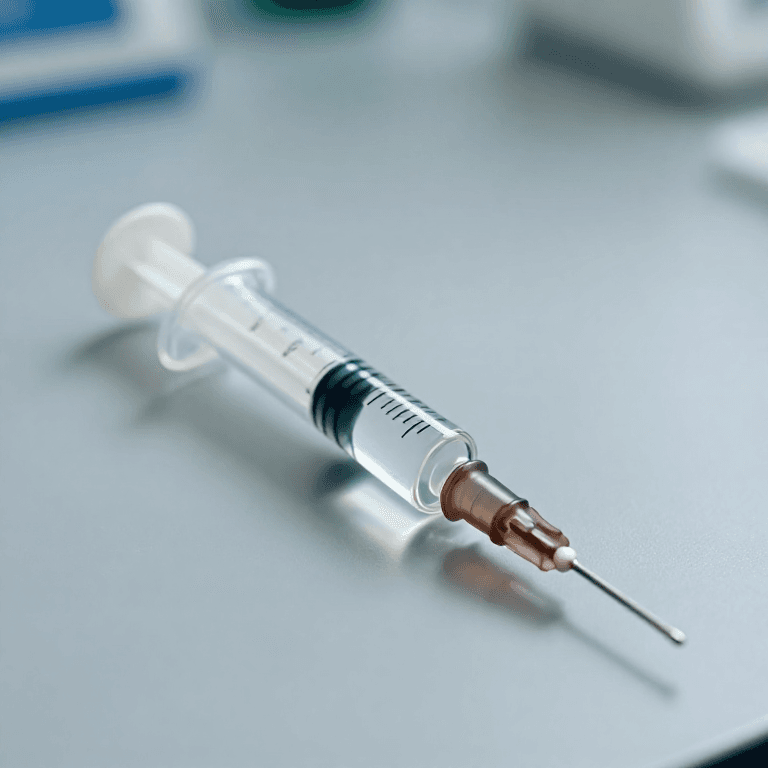
Boyle's Law — Squeeze a Syringe of Air
láti ọwọ́ Charlie
Kẹ́míkà
49
0
0
0
2
0
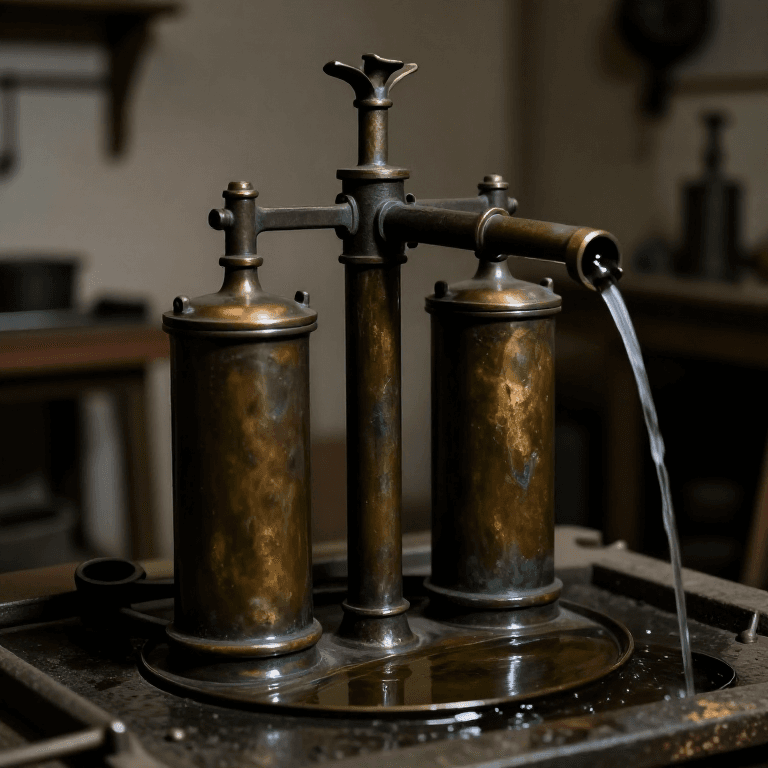
Building Ctesibius' Force Pump — The First Double-Acting Piston Pump
láti ọwọ́ Emma
Ìmọ̀ Ẹ̀rọ
128
0
0
0
3
0
CC0 Àgbègbè Gbogbogbò
Blueprint yìí ti jáde lábẹ́ CC0. O lè ṣe àdàkọ, yí padà, pín, àti lò láìsí ìyọ̀ǹda.
Ṣàtìlẹ́yìn Olùṣẹ́dá nípa rírà àwọn ọjà nipasẹ̀ Blueprint wọn Ẹ̀san Olùṣẹ́dá tí àwọn Olùtajà gbé kalẹ̀, tàbí ṣẹ̀dá àtúnṣe tuntun ti Blueprint yìí kí o sì fi sínú Blueprint rẹ gẹ́gẹ́ bí ìsopọ̀ láti pín owó-wíwọlé.