IṢẸ́ ỌNÀ
ẸWÀ ÀTI ÌLERA
IṢẸ́ ỌWỌ́
ÀṢÀ ÀTI ÌTÀN
ÌṢERÉ
ÀYÍKÁ
OÚNJẸ ÀTI OHUN MÍMU
REVERSE ENGINEERING
SÁYẸ́ǸSÌ
ERÉ ÌDÁRAYÁ
ÌMỌ̀-Ẹ̀RỌ
ÀWỌN OHUN WÍWỌ̀

The Two-Stroke Engine: The Piston Is the Valve
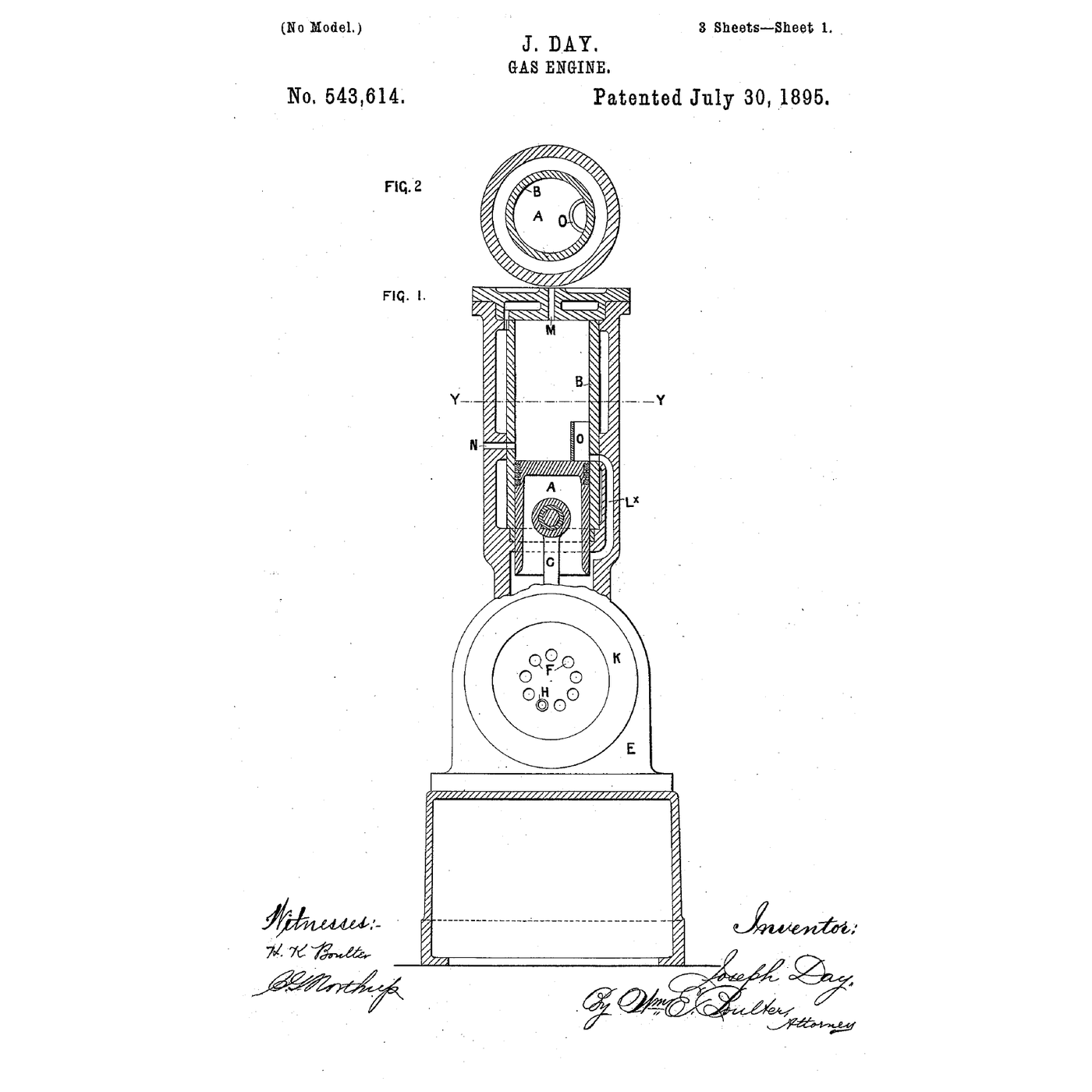
The four-stroke engine fires once every two turns and needs cams, springs and valves to breathe. Joseph Day's engine of 1891–95 fires every turn and has none of them: the piston itself opens and closes ports in the cylinder wall, and the sealed crankcase under the piston acts as a pump that pre-compresses the fresh charge.
Its own specification puts it simply: the piston *"serves as a slide-valve"*, doing away with *"eccentrics, cams, valve-rods"*. That makes it light, cheap and powerful for its size — the engine of chainsaws, mopeds and outboard motors.
This rung computes its port timing from the crank geometry and cuts the ports into a card cylinder on the slider-crank model to watch them open.
Àárín
About 3 hours
Ìlànà
1
1
Read Day's patent
Read Day's patent
US 543,614, 'Gas Engine', Joseph Day, patented 30 July 1895. The aim is *"a gas-engine in which eccentrics, cams, valve-rods, and other positively-actuated"* parts are done away with, *"the piston itself"* serving *"as a slide-valve"*. The explosive mixture is drawn into the crankcase chamber by the up-stroke, compressed there by the down-stroke, and delivered into the upper part of the cylinder when the piston uncovers the port; the piston also uncovers the exhaust port. Day's drawing still shows a valve admitting the charge to the crankcase — look for it.
2
2
Port timing from the geometry
Port timing from the geometry
Ń ṣí ìwé Jupyter…
3
3
Cut ports and watch them open
Cut ports and watch them open
On the slider-crank model from the crank rung, wrap a card tube round the slider's path as a 'cylinder' and mark on it the piston crown's position at top dead centre. Cut an exhaust window starting 60 % of the stroke below that mark, and a transfer window starting 72 % down, on the opposite side.
Turn the crank slowly with the protractor underneath and note the angle at which the crown first uncovers each window, and when it covers it again. Compare with the notebook.
Àwọn ohun èlò fún ìgbésẹ̀ yìí:
 Ọ̀pá páálí1 ẹyọ
Àwọn irinṣẹ́ tí a nílò:
 Ẹ̀rọ Ìwọ̀n Igun
 Ìdíwọ̀n
 Ààmì Tí Kò Ní Parẹ́
4
4
History and context
History and context
**US 543,614, 'Gas Engine', Joseph Day, patented 30 July 1895.** Day was an engineer in Bath, England, and had patented crankcase compression in Britain before this US patent; the two-stroke spread quickly to motorcycles and small boats.
**Honest limits.** The ports are open together, so some fresh charge escapes with the exhaust — wasteful and polluting in a carburetted engine. The crankcase carries the charge, so lubricating oil is usually mixed into the fuel and burned. The two-stroke survives where power for its weight matters more than economy.
Àwọn ohun-èlò
1- 1 ẹyọÀyè
Àwọn irinṣẹ́ tó nílò
3- Àyè
Blueprint tó jọra
Àwọn blueprint wọ̀nyí pín ìmọ̀ — ọ̀nà, ohun-èlò tàbí ìlànà
Otto Four-Stroke Engine
láti ọwọ́ Martin
Físíkì
65
0
0
0
0
0
The Crank and the Flywheel: Smoothing One Bang in Two Turns
láti ọwọ́ Martin
Ìmọ̀ Ẹ̀rọ
39
0
0
0
0
0
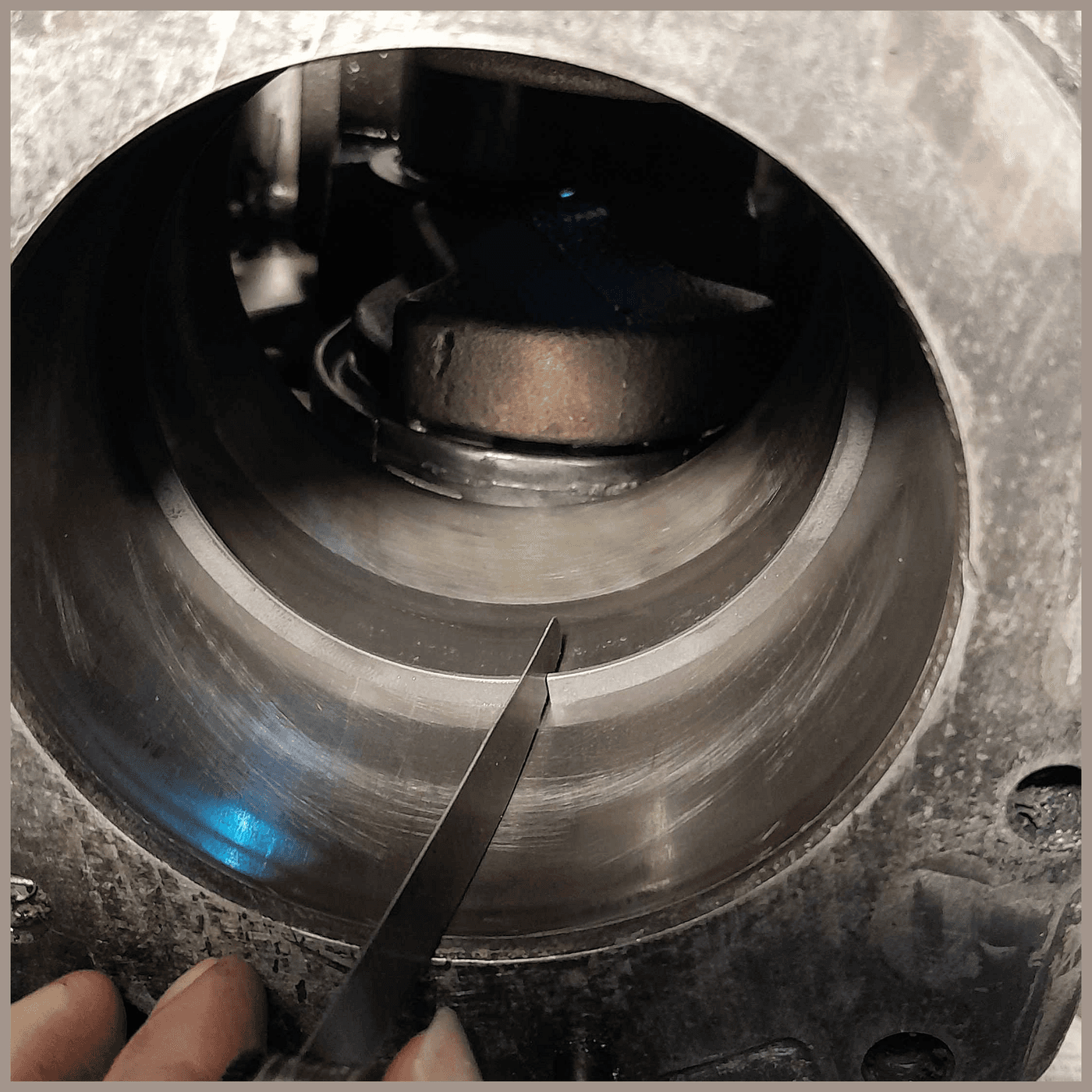
The Piston Ring: Sealed by the Gas It Holds Back
láti ọwọ́ Martin
Ìmọ̀ Ẹ̀rọ
31
0
0
0
0
0
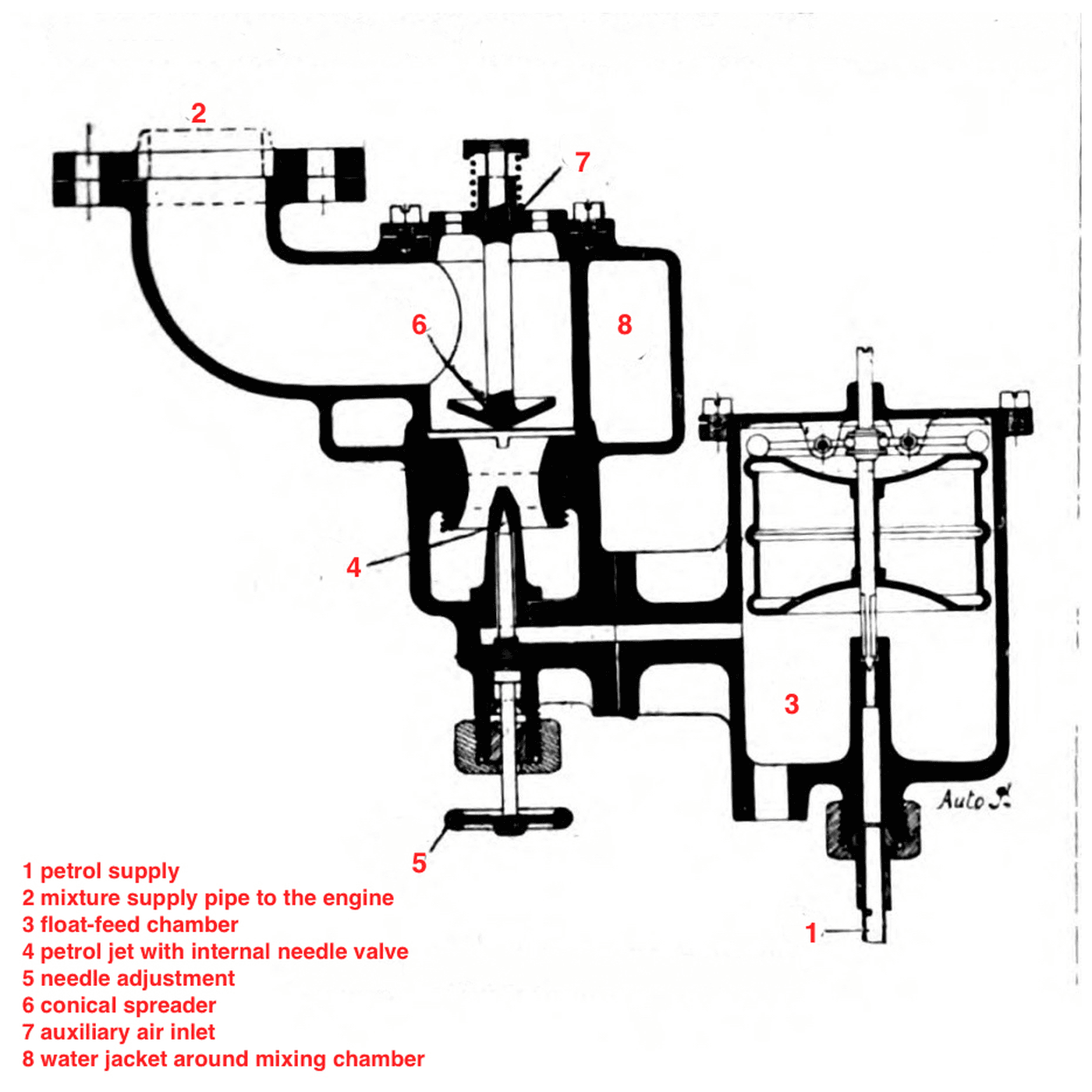
The Carburettor: A Venturi, a Jet and a Float
láti ọwọ́ Emma
Ìmọ̀ Ẹ̀rọ
39
0
0
0
0
0
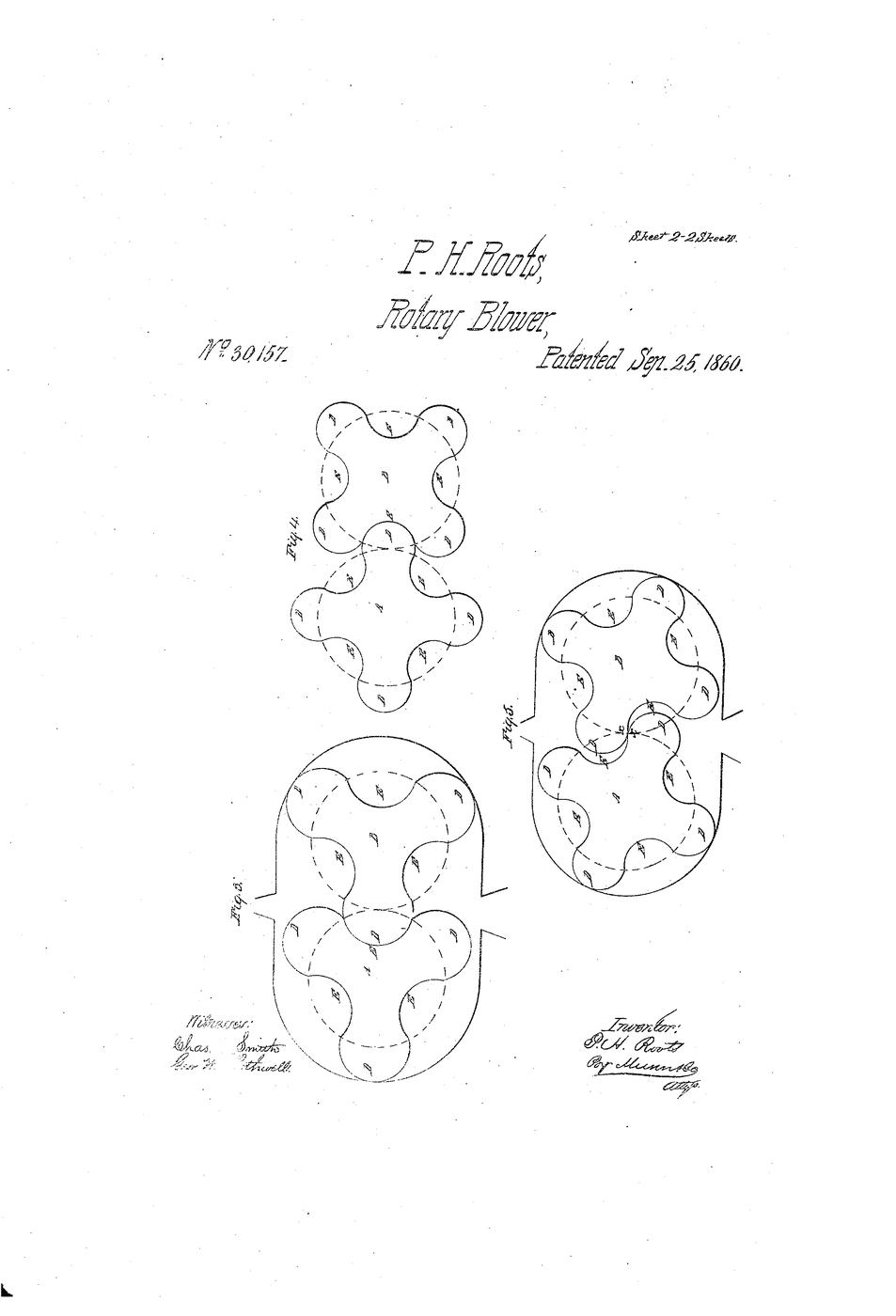
Roots Blower
láti ọwọ́ Karen
Ìmọ̀ Ẹ̀rọ
43
0
0
0
0
0
CC0 Àgbègbè Gbogbogbò
Blueprint yìí ti jáde lábẹ́ CC0. O lè ṣe àdàkọ, yí padà, pín, àti lò láìsí ìyọ̀ǹda.
Ṣàtìlẹ́yìn Olùṣẹ́dá nípa rírà àwọn ọjà nipasẹ̀ Blueprint wọn Ẹ̀san Olùṣẹ́dá tí àwọn Olùtajà gbé kalẹ̀, tàbí ṣẹ̀dá àtúnṣe tuntun ti Blueprint yìí kí o sì fi sínú Blueprint rẹ gẹ́gẹ́ bí ìsopọ̀ láti pín owó-wíwọlé.