IṢẸ́ ỌNÀ
ẸWÀ ÀTI ÌLERA
IṢẸ́ ỌWỌ́
ÀṢÀ ÀTI ÌTÀN
ÌṢERÉ
ÀYÍKÁ
OÚNJẸ ÀTI OHUN MÍMU
REVERSE ENGINEERING
SÁYẸ́ǸSÌ
ERÉ ÌDÁRAYÁ
ÌMỌ̀-Ẹ̀RỌ
ÀWỌN OHUN WÍWỌ̀
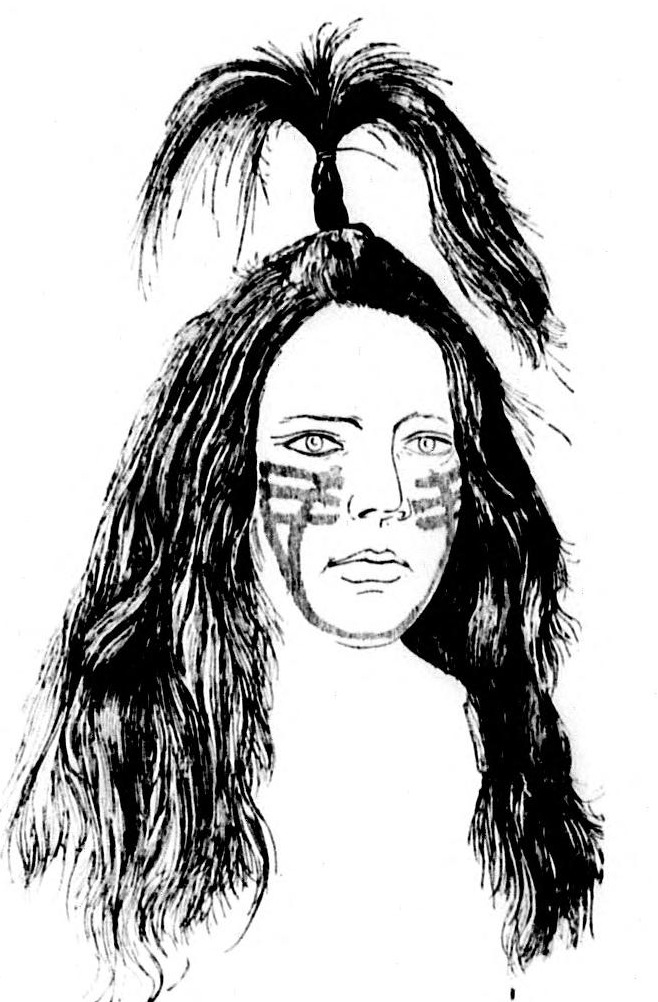


Thompson (Nlaka'pamux) Face Paints: Red Ochre, Micaceous Hematite, Charcoal and White Clay, Dry or on Greased Skin (Teit, 1900)
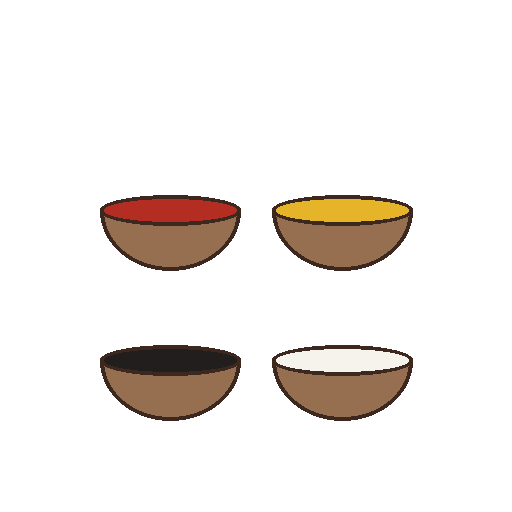
The face and body paints of the Thompson (Nlaka'pamux) people of British Columbia, as James Teit recorded them: red ochre (the best from the Okanagan), sparkling micaceous hematite, charcoal, yellow ochre and white clay, rubbed on dry or onto a greased face with a finger or stick, or mixed with heated deer fat; and the patterns young women, older women and men wore.
Olùbẹ̀rẹ̀
An hour
Ìlànà
1
1
Read Teit
Read Teit
"The paints were rubbed on either dry or after the face had been greased."
2
2
Gather the colours
Gather the colours
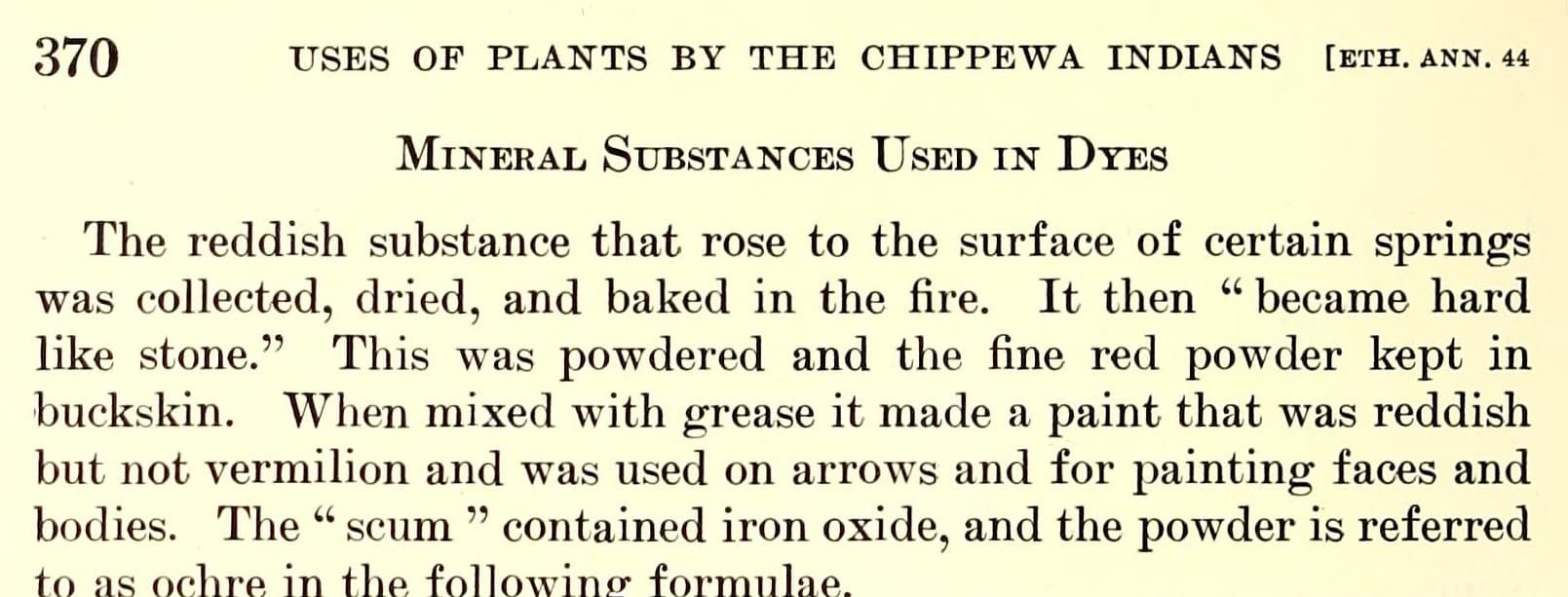
Red ochre or other red earth; micaceous hematite (specular iron) for a glittering dark red-grey; charcoal for black; yellow ochre; white clay. Powder each finely (ours: in a stone mortar).
Àwọn ohun èlò fún ìgbésẹ̀ yìí:
 Okuta ochre tútù1 ẹyọ
 Ohun àlùmọ́nì hematite1 ẹyọ
 Èédú1 ẹyọ
 Awọ̀-erùpẹ̀ ọ̀kà ofeefee (àìtọ́jú)1 ẹyọ
 Ìyẹ̀fun amọ̀ kaolin1 ẹyọ
Àwọn irinṣẹ́ tí a nílò:
 Odó àti Ọmọ Odó Òkúta
3
3
Make it into paint
Make it into paint
For a dry paint, keep the powder as it is. For a paint that holds, melt deer fat, stir in the powder and heat it, as the Thompson did for all their paints on wood and hide (proportion ours: about one part fat to two of powder). Keep it in a stone dish or on a flat piece of hide. Puccoon root works too: dip the fresh root in deer fat and rub it on.
Àwọn ohun èlò fún ìgbésẹ̀ yìí:
 Deer Fat1 ẹyọ
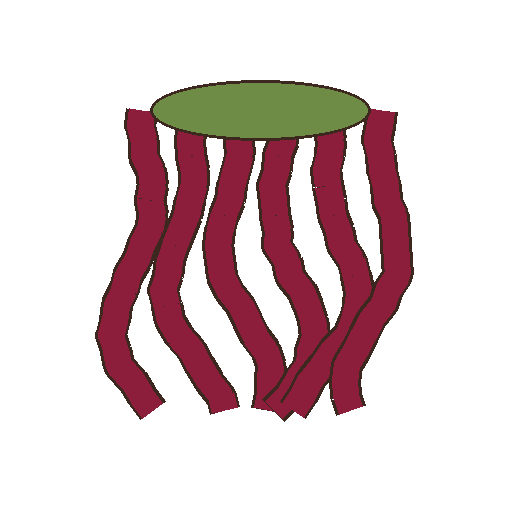 Puccoon Root1 ẹyọ
Àwọn irinṣẹ́ tí a nílò:
 Ihò iná
 Bulọ́ọ̀kù òkúta ọṣẹ
 Ọ̀bẹ
4
4
Paint
Paint
Grease the face first, or paint dry. Use a finger or small sticks. Patterns Teit recorded: young women, a red dot on each cheek, sometimes carried over the temples and eyebrows; older women, the whole face red up to the eyes; men, from their dreams: big red spots on the cheeks and a streak along each eyebrow, or one side of the face red, or the face covered with wet red and stripes scratched through it with a deer's jaw or teeth. The parting of the hair was often painted red.
Àwọn irinṣẹ́ tí a nílò:
Bulọ́ọ̀kù òkúta ọṣẹ5
5
Troubleshooting
Troubleshooting
Face paint troubleshooting.
Flow
Loading...
6
6
History and honest limits
History and honest limits
From James Teit, *The Thompson Indians of British Columbia*, **Memoirs of the American Museum of Natural History, Jesup North Pacific Expedition** vol. I part IV (1900), pp. 184, 226, 228 and Fig. 207 (checked on the archive.org scan cihm_16242). Some designs belonged to warriors, shamans or ceremonies; a man's design came from his own dream, so make your own rather than copy one. By 1900 face painting was used mostly by shamans and women. Grinding, the fat ratio and the stand-in heads are ours.
Àwọn ohun-èlò
7- 1 ẹyọÀyè
- Àyè
- 1 ẹyọÀyè
- 1 ẹyọÀyè
- 1 ẹyọÀyè
- 1 ẹyọÀyè
Ìtọ́nisọ́nà yìí ń ṣe
Blueprint tó jọra
Àwọn blueprint wọ̀nyí pín ìmọ̀ — ọ̀nà, ohun-èlò tàbí ìlànà
CC0 Àgbègbè Gbogbogbò
Blueprint yìí ti jáde lábẹ́ CC0. O lè ṣe àdàkọ, yí padà, pín, àti lò láìsí ìyọ̀ǹda.
Ṣàtìlẹ́yìn Olùṣẹ́dá nípa rírà àwọn ọjà nipasẹ̀ Blueprint wọn Ẹ̀san Olùṣẹ́dá tí àwọn Olùtajà gbé kalẹ̀, tàbí ṣẹ̀dá àtúnṣe tuntun ti Blueprint yìí kí o sì fi sínú Blueprint rẹ gẹ́gẹ́ bí ìsopọ̀ láti pín owó-wíwọlé.