कला
सुन्दरता र कल्याण
हस्तकला
संस्कृति र इतिहास
मनोरञ्जन
वातावरण
खाना र पेय
रिभर्स इन्जिनियरिङ
विज्ञान
खेलकुद
प्रविधि
पहिर्न मिल्ने
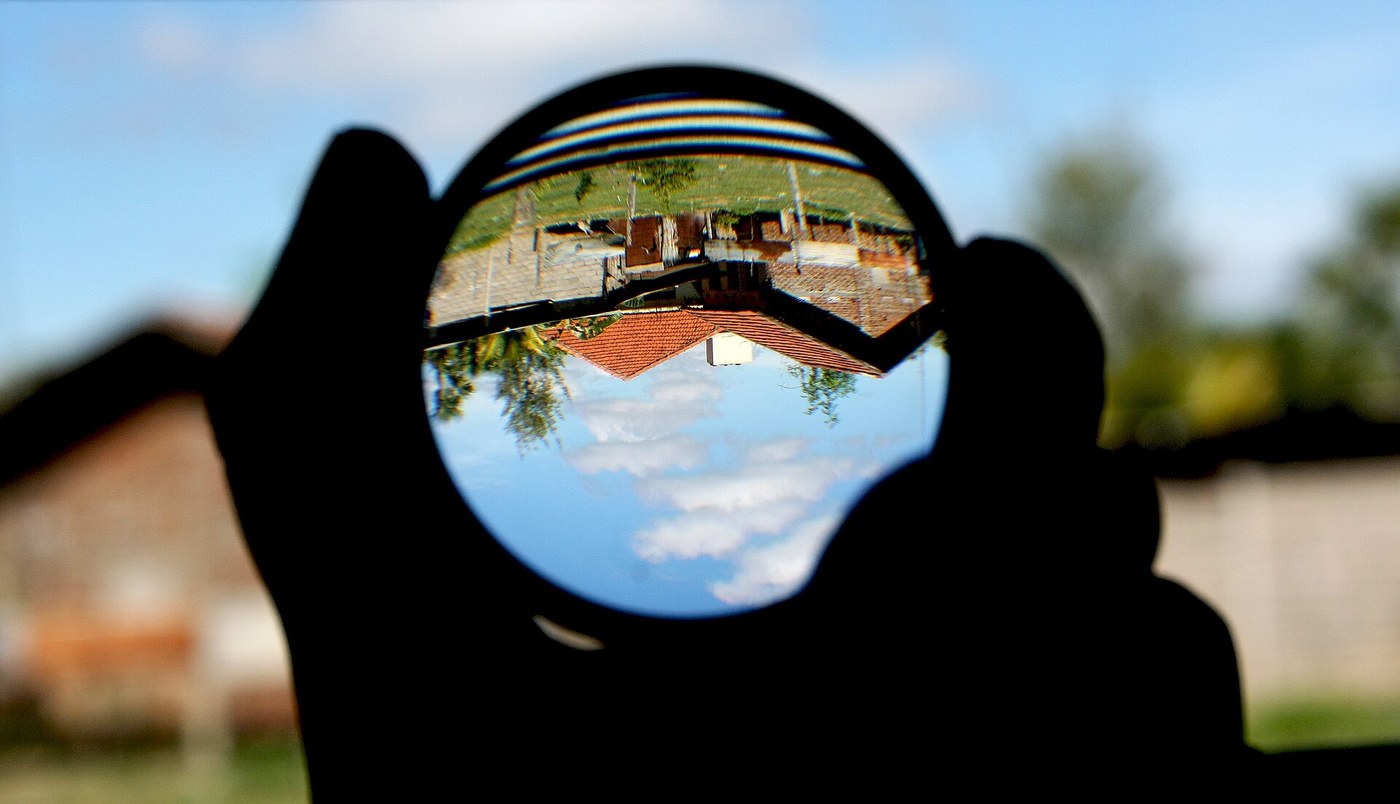


Convex and Concave Lenses Ground as a Pair
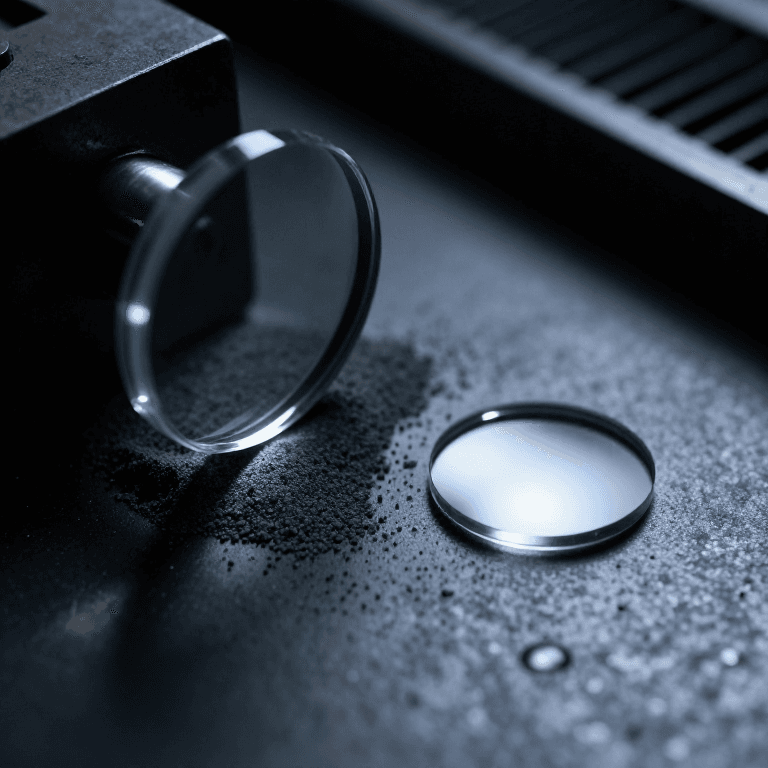
Rub one glass disc over another with wet grit and both change shape: the one on top goes hollow, the one beneath goes domed, and they stay a perfect fit. Grind both faces of a pair this way and the bottom disc becomes a double-convex lens, the top one a double-concave lens of the same curve. Longer work gives deeper curves and shorter focal lengths.
The picture: a double-convex lens held at arm's length shows the scene small and upside down.
उन्नत
Several days per pair
निर्देशनहरू
1
1
Cut two discs
Cut two discs
Score two equal circles on the glass sheet, snap them out and nibble the edges round with grozing pliers. Fix a short wooden handle to the back of each with warm pitch.
यस चरणका सामग्री:
 सिसाको पाता1 टुक्रा
 सल्लाको अलकत्राको टाँस20 ग्राम
 कडा काठको साँघुरो पट्टी1 टुक्रा
चाहिने औजार:
 सिसा काट्ने औजार
 सिसा कुत्रने प्लास
 सुरक्षा चस्मा
2
2
Rough grind the first faces
Rough grind the first faces
Lay one disc face up on a firm table, wet it and sprinkle coarse grit. Push the other disc over it, face down, in short strokes, turning both a little all the time. The top one becomes concave, the bottom convex. Rinse and recharge as the grit wears.
यस चरणका सामग्री:
 पानी2 लिटर
चाहिने औजार:
 रुलर
 सिलिकन कार्बाइडका दाना
3
3
Check the curve
Check the curve
Lay a ruler across the hollow disc and measure the depth at the centre with the caliper. Keep the top disc on top to deepen the curve; swap them to flatten it.
चाहिने औजार:
रुलर डिजिटल क्यालिपर ६ इन्च
4
4
Fine grind and polish
Fine grind and polish
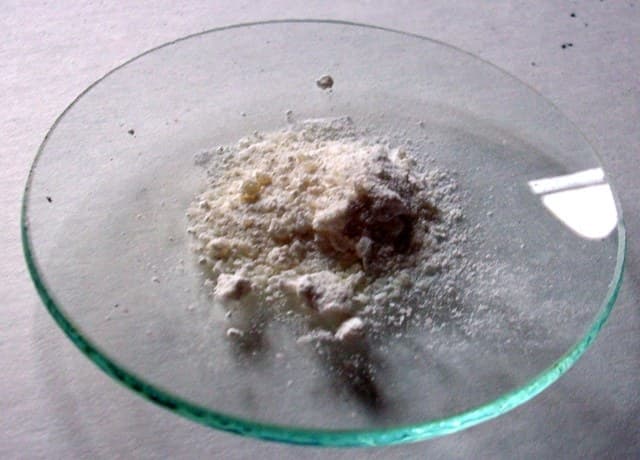
Go through finer grits, washing everything clean between grits. Polish each face on a pitch lap pressed to the other disc's curve, with tin oxide (putty powder) and water, until clear.
यस चरणका सामग्री:
 टिन अक्साइड (स्ट्यानिक अक्साइड)30 ग्रामसल्लाको अलकत्राको टाँस100 ग्राम
चाहिने औजार:
सिलिकन कार्बाइडका दाना5
5
Turn them over, do the second faces
Turn them over, do the second faces
Move the handles to the finished faces and grind the other sides the same way, the same disc on top, to the same depth. The bottom disc is now a double-convex lens, the top one double-concave.
यस चरणका सामग्री:
टिन अक्साइड (स्ट्यानिक अक्साइड)20 ग्रामचाहिने औजार:
डिजिटल क्यालिपर ६ इन्चसिलिकन कार्बाइडका दाना6
6
Find the focal length
Find the focal length
Hold the convex lens in sunlight over paper and move it until the spot is smallest; that distance is its focal length. Grind more pairs to different depths for a set of focal lengths.
चाहिने औजार:
रुलर7
7
Focal length from the curve
Focal length from the curve
Jupyter नोटबुक लोड हुँदैछ…
8
8
Limits
Limits
Which disc goes hollow is the mirror makers' rule (Sky & Telescope, Stellafane); the lens formula is from Wikipedia. Window glass is not optical glass: expect some colour fringes and bubbles.
सामग्री
5- 1 टुक्राप्लेसहोल्डर
- 120 ग्रामप्लेसहोल्डर
- 1 टुक्राप्लेसहोल्डर
- 2 लिटरप्लेसहोल्डर
- 30 ग्रामप्लेसहोल्डर
यो खाकाले बनाउँछ



सम्बन्धित ब्लुप्रिन्ट
यी ब्लुप्रिन्टहरूले ज्ञान साझा गर्छन् — प्रविधि, सामग्री वा सिद्धान्त

CC0 सार्वजनिक डोमेन
यो ब्लुप्रिन्ट CC0 अन्तर्गत जारी गरिएको छ। तपाईं अनुमति नसोधी प्रतिलिपि, परिमार्जन, वितरण र प्रयोग गर्न सक्नुहुन्छ।
ब्लुप्रिन्ट मार्फत उत्पादनहरू किनेर सिर्जनाकर्तालाई सहयोग गर्नुहोस् सिर्जनाकर्ता कमिसन विक्रेताले तोकेको, वा यो ब्लुप्रिन्टको नयाँ संस्करण बनाउनुहोस् र आम्दानी बाँड्न आफ्नो ब्लुप्रिन्टमा जडानको रूपमा समावेश गर्नुहोस्।