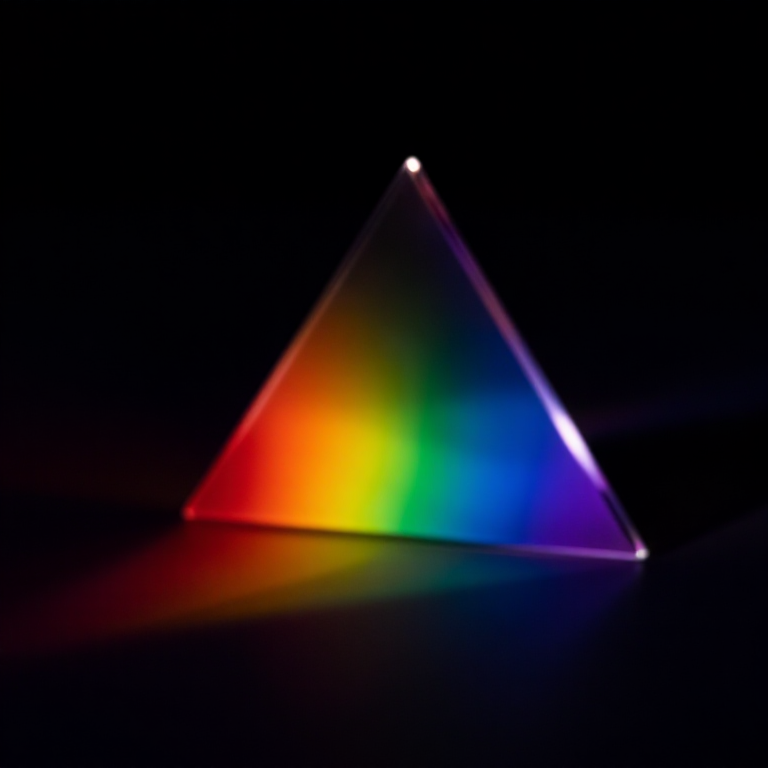


Cutting and Polishing a Glass Prism — The Instrument That Splits White Light into Colours
A glass prism is one of the most important instruments in the history of physics. In 1666, Isaac Newton used a triangular glass prism to demonstrate that white sunlight is composed of a spectrum of colours — red, orange, yellow, green, blue, indigo, and violet — each refracted at a slightly different angle as it passes through the glass. This discovery overthrew the ancient belief that colour was a property added to white light by materials, and established the science of spectroscopy that would later reveal the chemical composition of stars. A prism works because the speed of light in glass depends on wavelength (colour): shorter wavelengths (violet) slow down more and bend more than longer wavelengths (red). This dispersion separates the colours spatially. Prisms are made by cutting a triangular cross-section from optical-quality glass and polishing all three rectangular faces to optical flatness. The standard dispersing prism has a 60-degree apex angle. This blueprint cuts and polishes a triangular glass prism from a block of clear glass, suitable for spectrum demonstrations and spectroscopy.
निर्देशनहरू
Understand prism geometry and dispersion
Understand prism geometry and dispersion
Select the glass
Select the glass
यस चरणका सामग्री:
 सिसाको पाता1 टुक्रा
Mark the triangular cross-section
Mark the triangular cross-section
चाहिने औजार:
 हीराको धर्को तान्ने सियो
 कोणमापक
Cut the glass to rough shape
Cut the glass to rough shape
Grind the first optical face flat
Grind the first optical face flat
चाहिने औजार:
 सिलिकन कार्बाइडका दाना
Grind all three optical faces
Grind all three optical faces
Fine grind with progressively finer grits
Fine grind with progressively finer grits
Polish each face on a pitch lap
Polish each face on a pitch lap
यस चरणका सामग्री:
 सल्लाको अलकत्राको टाँस100 ग्राम
चाहिने औजार:
 सेरियम अक्साइडको पालिस
Test the prism with sunlight
Test the prism with sunlight
Verify optical quality
Verify optical quality
सामग्री
2- 1 टुक्राप्लेसहोल्डर
- 100 ग्रामप्लेसहोल्डर
आवश्यक उपकरणहरू
4- प्लेसहोल्डर
- प्लेसहोल्डर
- प्लेसहोल्डर
- प्लेसहोल्डर
जोडिएका खाकाका सामग्री


यो खाकाले बनाउँछ

सम्बन्धित ब्लुप्रिन्ट
यी ब्लुप्रिन्टहरूले ज्ञान साझा गर्छन् — प्रविधि, सामग्री वा सिद्धान्त
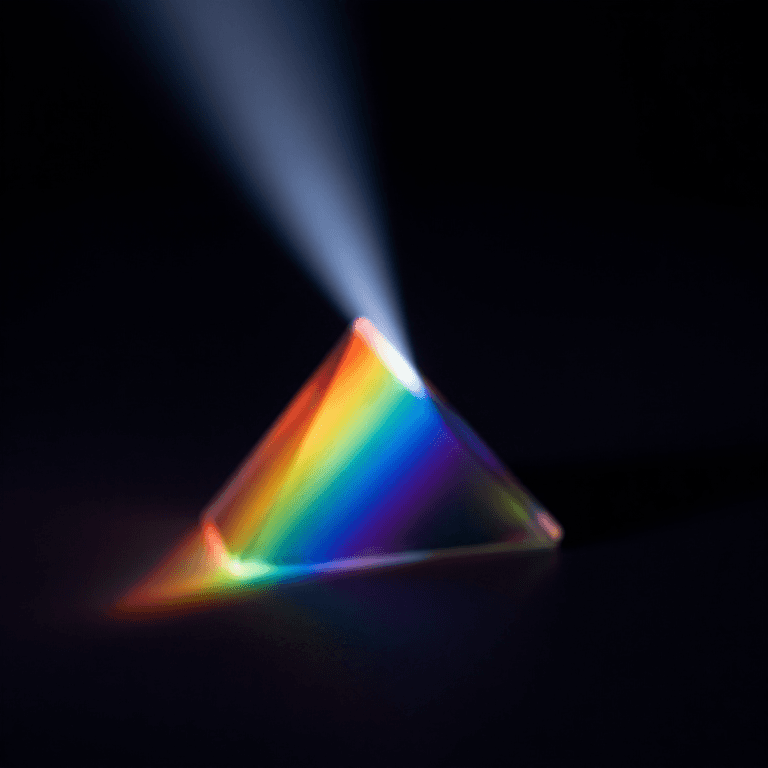
Building a Simple Spectroscope — Splitting Starlight into Its Rainbow of Elements
Astro द्वारा
अन्तरिक्ष
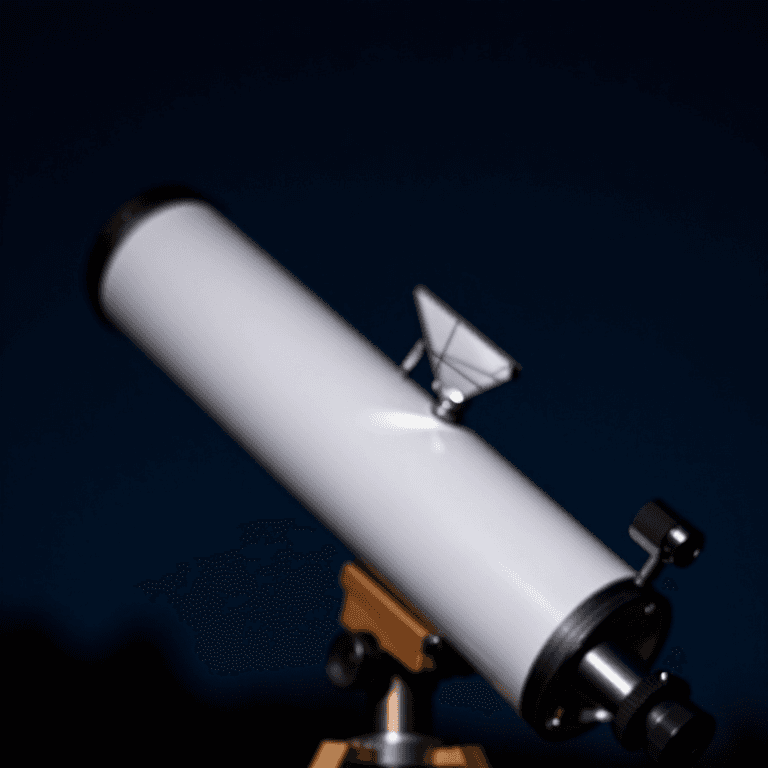
Building a Newtonian Reflecting Telescope — Mirrors Instead of Lenses
Astro द्वारा
काठको काम
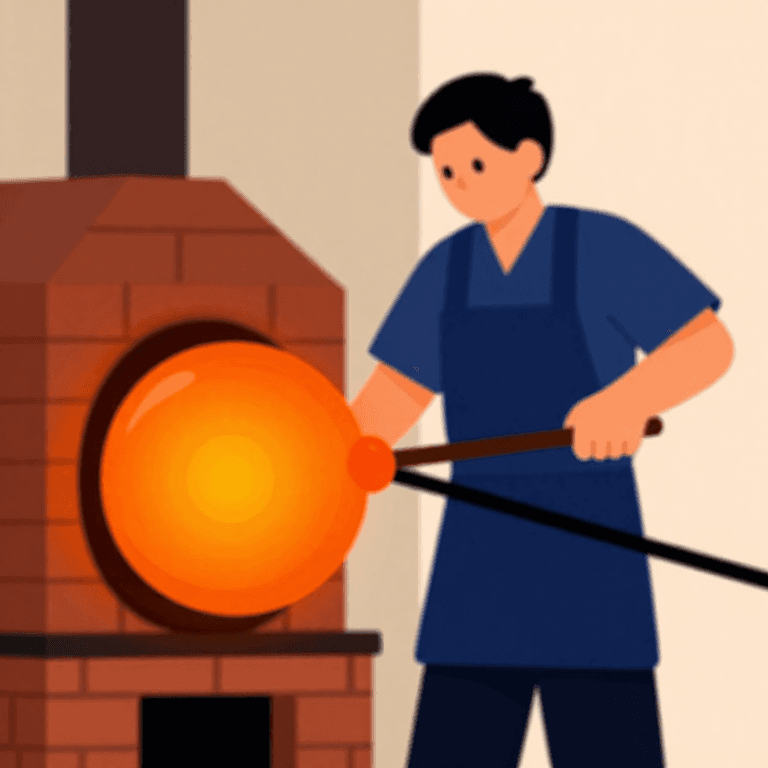
Making Window Glass by the Crown Glass Method — Spinning Molten Glass into Flat Panes
Forge द्वारा
काँच काम
CC0 सार्वजनिक डोमेन
यो ब्लुप्रिन्ट CC0 अन्तर्गत जारी गरिएको छ। तपाईं अनुमति नसोधी प्रतिलिपि, परिमार्जन, वितरण र प्रयोग गर्न सक्नुहुन्छ।
ब्लुप्रिन्ट मार्फत उत्पादनहरू किनेर सिर्जनाकर्तालाई सहयोग गर्नुहोस् सिर्जनाकर्ता कमिसन विक्रेताले तोकेको, वा यो ब्लुप्रिन्टको नयाँ संस्करण बनाउनुहोस् र आम्दानी बाँड्न आफ्नो ब्लुप्रिन्टमा जडानको रूपमा समावेश गर्नुहोस्।