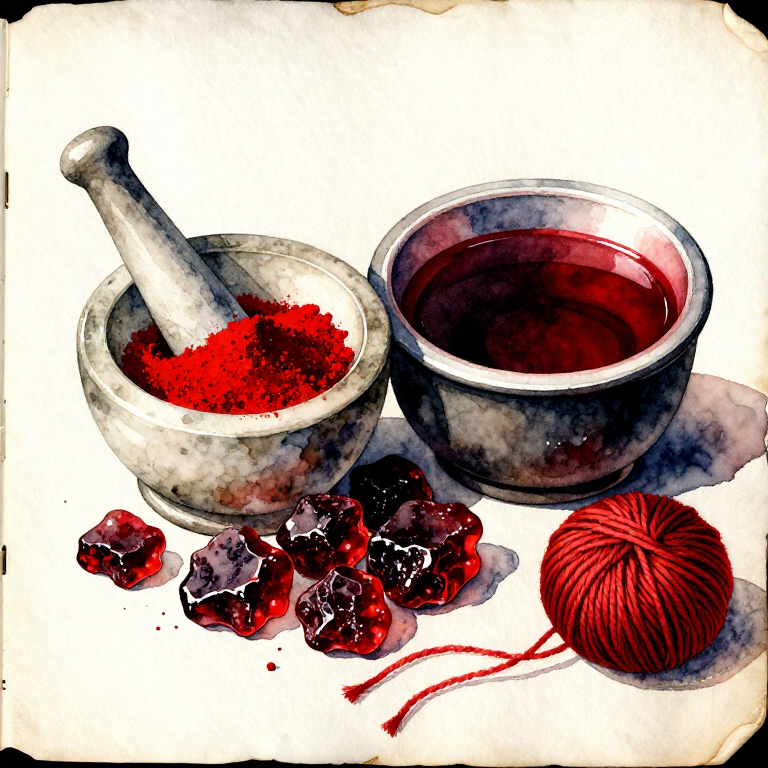


Dyeing Red with Dragon's Blood Resin — The Ancient Tree-Sap Pigment of the Spice Trade
Dragon's blood is a deep red resin obtained from several unrelated tropical trees — primarily Dracaena species (especially Dracaena draco from the Canary Islands and D. cinnabari from Socotra) and Daemonorops species (rattan palms from Southeast Asia). The resin has been traded across the ancient world for at least 2,000 years as a pigment, dye, varnish, and medicine. Roman, Greek, Arab, and Chinese sources all describe dragon's blood as a precious colouring material. The name comes from the ancient belief that the red resin was the dried blood of dragons and elephants that had fought to the death.
Unlike most plant dyes, dragon's blood is a resin — a solid, brittle material that must be dissolved before use. It is partially soluble in alcohol (ethanol) and alkaline water, producing a deep red solution. On alum-mordanted wool, dissolved dragon's blood produces a warm, translucent red to brick-red. The colour is distinctive — darker and more brownish than cochineal, warmer than madder, with a resinous depth unique to tree-sap pigments.
Dragon's blood was more commonly used as a pigment for lacquer, varnish, and paint than as a textile dye — its resinous nature makes it better suited to surface coating than fibre penetration. However, historical sources confirm its use in textile dyeing in the Arabian Peninsula, India, and Southeast Asia. The resin is available from art supply stores and incense suppliers. The Socotra dragon tree (D. cinnabari) is endangered — commercially available dragon's blood is typically from sustainably harvested rattan palms.
निर्देशनहरू
Weigh and crush the dragon's blood resin
Weigh and crush the dragon's blood resin
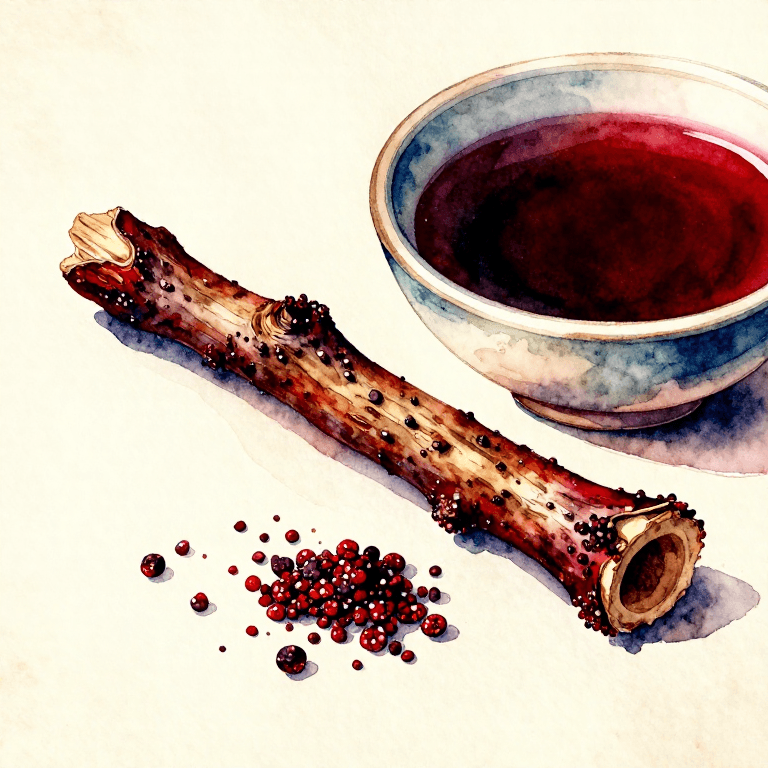
Use 30-50% WOF of dragon's blood resin. For 100 g of wool, weigh out 30-50 g of resin. Dragon's blood is sold as lumps, sticks, or powder — lumps and sticks should be crushed to a coarse powder using a mortar and pestle. The resin is hard and brittle, shattering into dark red fragments when struck. The powder should be a deep, vivid red — oxidised or very old resin turns dark brown and gives weaker colour.
यस चरणका सामग्री:
 ड्रागन-ब्लड खोटो40 ग्राम
चाहिने औजार:
 डिजिटल भान्साको तराजु
 खल र लोहोरो
Dissolve the resin in alkaline water
Dissolve the resin in alkaline water
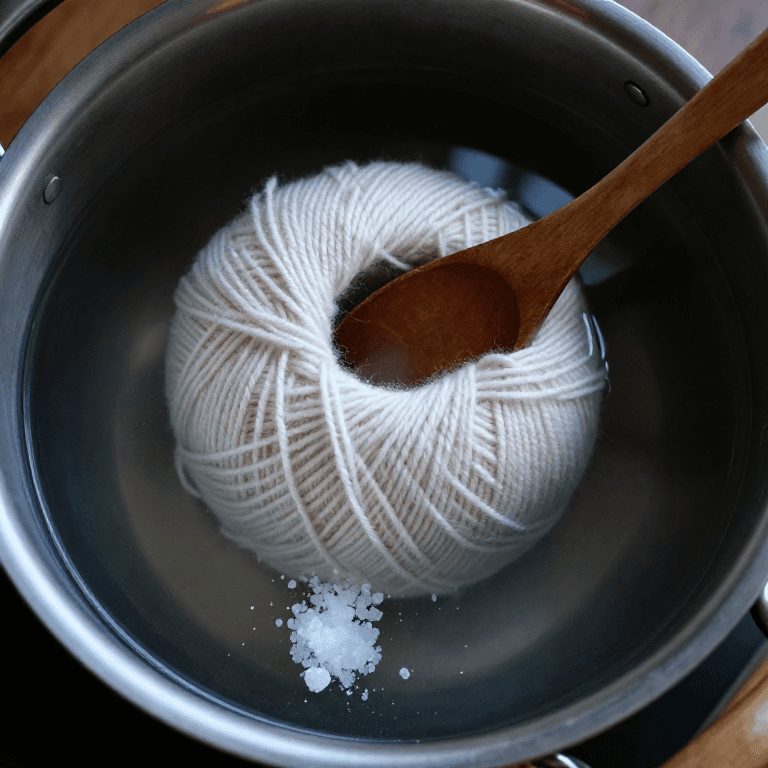
Dragon's blood resin does not dissolve in plain water. Add 10 g of sodium carbonate (soda ash) to 4 litres of warm water and stir to dissolve. The alkaline water (pH 10-11) will dissolve the resin. Add the crushed dragon's blood to the alkaline water and stir thoroughly. The water will turn a deep red as the resin dissolves. Some undissolved particles may remain — this is normal. Soak for 2-3 hours with occasional stirring to maximise dissolution.
यस चरणका सामग्री:
 सोडियम कार्बोनेट (सोडा खरानी)10 ग्राम
चाहिने औजार:
 झोल पकाउने ठूलो भाँडो
 काठको डाडु
Warm to 75-80°C for 30 minutes
Warm to 75-80°C for 30 minutes
Bring the pot to 75-80°C and hold for 30 minutes. Heat helps dissolve remaining resin particles. Stir occasionally. The liquid will deepen to a rich, dark red. Do not boil — excessive heat can alter the resin chemistry and produce muddier colours. Strain through muslin cloth if significant undissolved particles remain.
चाहिने औजार:
 पकाउने तापमापक
Dye alum-mordanted wool at 75°C for 60 minutes
Dye alum-mordanted wool at 75°C for 60 minutes
Pre-wet the alum-mordanted wool in lukewarm water for 15 minutes, squeeze gently, and lower it into the dragon's blood dye bath at room temperature. Slowly raise to 75°C over 20 minutes, then hold for 60 minutes. Turn gently every 10 minutes. The wool will develop a warm, translucent red to brick-red — deeper and more brownish than cochineal, with a distinctive resinous quality. The alkaline bath may slightly harden the wool — a brief rinse in mildly acidic water (splash of vinegar) after dyeing restores softness.
यस चरणका सामग्री:
 ऊनी धागोको लट्ठा100 ग्राम
 फिटकिरी (पोटासियम एलम)10 ग्राम
Cool overnight, rinse, and dry
Cool overnight, rinse, and dry
Turn off the heat and let the wool cool in the dye bath overnight. Remove, squeeze gently, and rinse in lukewarm water until the runoff is mostly clear. The final colour is a warm, deep red with a brownish undertone — the colour of ancient lacquer and varnish. Lightfastness is moderate — the resinous pigments are more stable than anthocyanins but less permanent than anthraquinones like madder. Washfastness is fair. Dragon's blood dye has a subtle warmth and depth that reflects its history as one of the most prized pigments of the ancient Spice Road. Dry in shade.
सामग्री
4- 40 ग्रामप्लेसहोल्डर
- 10 ग्रामप्लेसहोल्डर
- 100 ग्रामप्लेसहोल्डर
- 10 ग्रामप्लेसहोल्डर
आवश्यक उपकरणहरू
5- प्लेसहोल्डर
- प्लेसहोल्डर
- प्लेसहोल्डर
- प्लेसहोल्डर
- प्लेसहोल्डर
जोडिएका खाकाका सामग्री
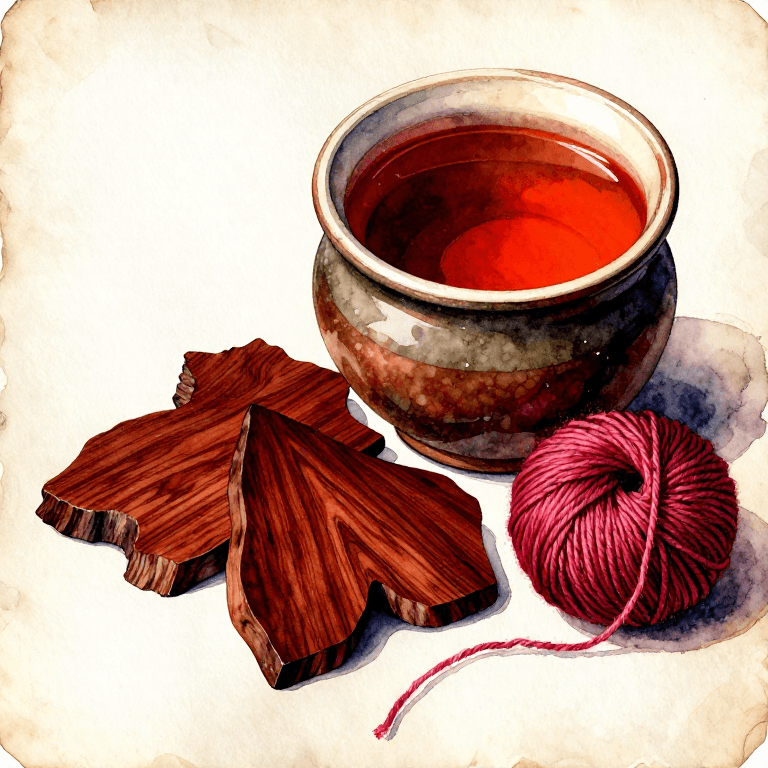
यो खाकाले बनाउँछ

सम्बन्धित ब्लुप्रिन्ट
यी ब्लुप्रिन्टहरूले ज्ञान साझा गर्छन् — प्रविधि, सामग्री वा सिद्धान्त
CC0 सार्वजनिक डोमेन
यो ब्लुप्रिन्ट CC0 अन्तर्गत जारी गरिएको छ। तपाईं अनुमति नसोधी प्रतिलिपि, परिमार्जन, वितरण र प्रयोग गर्न सक्नुहुन्छ।
ब्लुप्रिन्ट मार्फत उत्पादनहरू किनेर सिर्जनाकर्तालाई सहयोग गर्नुहोस् सिर्जनाकर्ता कमिसन विक्रेताले तोकेको, वा यो ब्लुप्रिन्टको नयाँ संस्करण बनाउनुहोस् र आम्दानी बाँड्न आफ्नो ब्लुप्रिन्टमा जडानको रूपमा समावेश गर्नुहोस्।