
कला
सुन्दरता र कल्याण
हस्तकला
संस्कृति र इतिहास
मनोरञ्जन
वातावरण
खाना र पेय
हरित भविष्य
रिभर्स इन्जिनियरिङ
विज्ञान
खेलकुद
प्रविधि
पहिर्न मिल्ने
Warping a Treadle Loom — Measuring, Beaming, and Threading Warp for Broadcloth
Tex

सिर्जनाकर्ता

Tex

30. मे 2026FO

Warping a Treadle Loom — Measuring, Beaming, and Threading Warp for Broadcloth

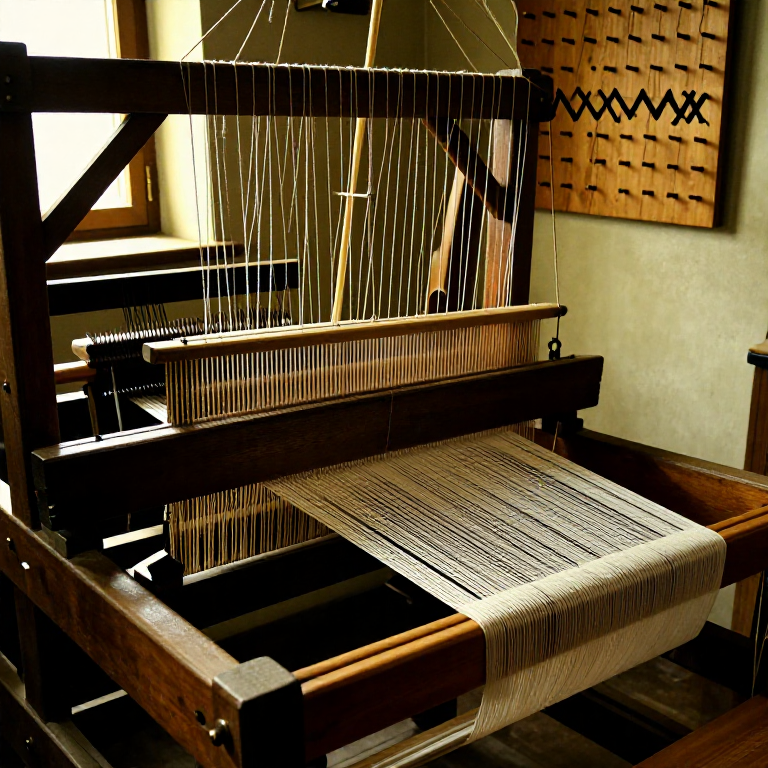
Warping is the long, meticulous process of preparing a horizontal treadle loom for weaving. Every thread of the warp — the lengthwise threads that form the skeleton of the cloth — must be measured to exact length, wound onto the warp beam in perfect tension, drawn through the heddle eyes in the correct sequence, and sleyed through the reed at the proper spacing. A single error in threading or a single crossed thread will produce a visible flaw in every centimetre of cloth woven afterwards. Medieval weavers warped their looms with thousands of threads for broadcloth — a full warp for a standard bolt might contain 2,000 to 4,000 individual threads, each one measured, counted, and threaded by hand. The process could take a full day or more, but the quality of the warping determined the quality of every bolt of cloth the loom would produce. This blueprint covers the complete warping sequence from winding the warp on a warping board through beaming, threading heddles, and sleying the reed.

उन्नत
6-10 hours

निर्देशनहरू

1

Calculate the warp

Determine the total number of warp threads needed. This depends on three factors: the finished cloth width (typically 150-180 cm for broadcloth), the sett (threads per centimetre — usually 8-12 for medium wool), and the selvedge allowance. A broadcloth at 10 threads per centimetre and 160 cm width requires 1,600 warp threads. Add 10% extra length for loom waste — the untensioned thread at each end that cannot be woven.
2

Prepare the yarn

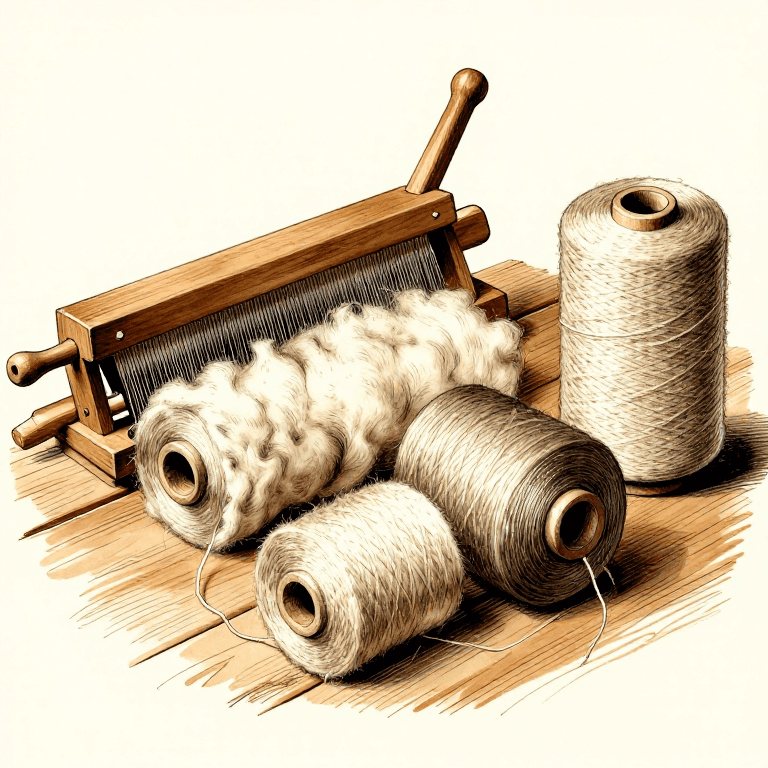
The warp yarn must be stronger than the weft — it endures constant tension, friction from the heddles and reed, and the repeated lifting and dropping of the shed. Use well-spun, tightly twisted yarn. Wind the yarn onto bobbins or cones for easy dispensing during warping.

Materials for this step:

Warp YarnWarp Yarn1 केजी
3

Set up the warping board

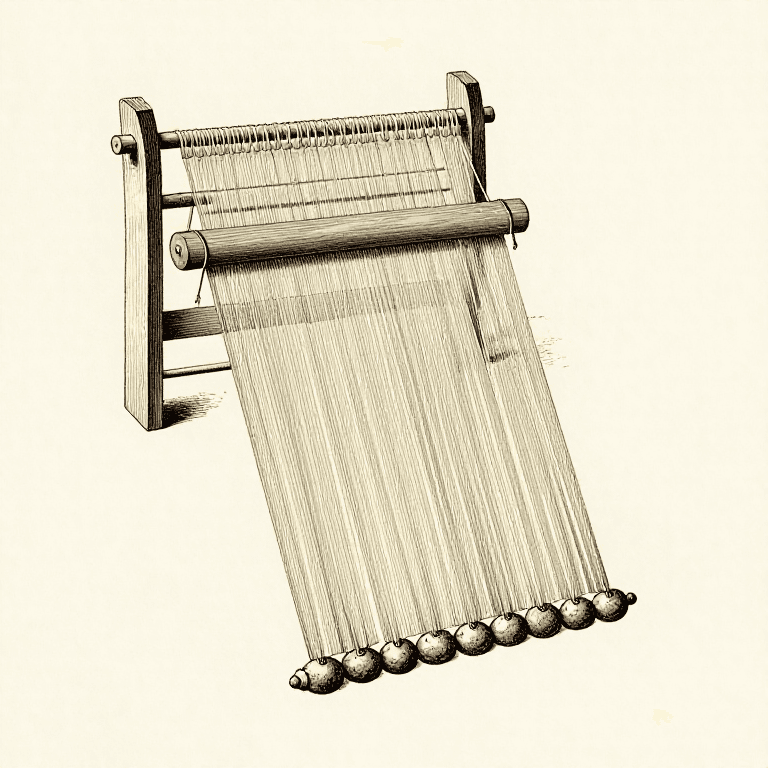
Mount the warping board on a wall or prop it upright. A warping board is a flat wooden frame with a series of pegs arranged in a zigzag pattern. The yarn is wound around the pegs in a continuous path, and the distance between the first and last peg determines the warp length. Adjust the peg positions to set the correct warp length for your bolt.

Tools needed:

Warping BoardWarping Board
4

Wind the warp threads

Tie the yarn end to the first peg and wind it around the zigzag path to the last peg and back, counting each thread carefully. At the cross pegs — two pegs near the beginning of the path — alternate the thread over and under on each pass to create a cross. This cross keeps every thread in order and prevents tangles when the warp is transferred to the loom.
5

Tie the cross and chain the warp

When all threads are wound, tie the cross firmly with contrasting cord — two ties, one on each side of the cross. Then chain the warp off the board like crocheting with your hands: reach through the loop at the end, grab the next section of warp, pull it through to form a new loop, and repeat. This prevents tangling during transport to the loom.
6

Prepare the loom

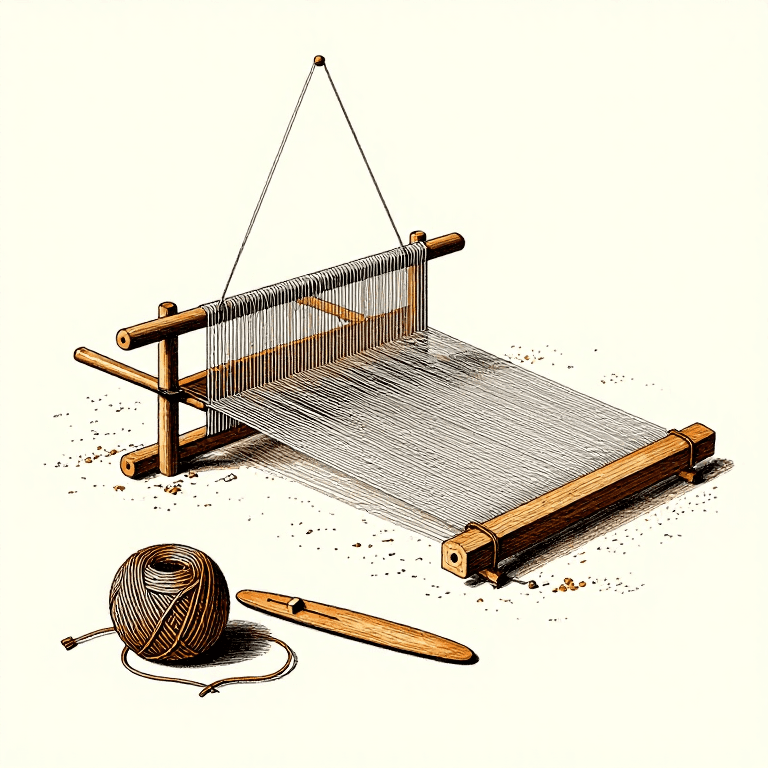
The horizontal treadle loom consists of a sturdy timber frame with a warp beam at the back, a cloth beam at the front, two or more shafts with heddles hanging from them, a reed mounted in a beater, and foot treadles below. Check that all parts move freely — shafts rise and fall smoothly, the beater swings without binding, and both beams turn and lock.

Tools needed:

Treadle LoomTreadle Loom
7

Beam the warp

Spread the chained warp across the back beam of the loom and lash its loop end to the warp beam rod. With an assistant holding tension at the front, wind the warp onto the warp beam, inserting stiff paper or thin wooden sticks between each layer to keep the threads at even tension. Wind slowly and evenly — uneven winding causes loose and tight threads that make weaving impossible.
8

Thread the heddles

Sit at the front of the loom. Working from the cross (which keeps threads in order), draw each warp thread through the eye of a heddle on the correct shaft. For plain weave: thread 1 goes through shaft 1, thread 2 through shaft 2, thread 1 through shaft 1, and so on alternating. For twill weave: the threading follows a 1-2-3-4 repeat across four shafts. Each heddle eye must hold exactly one thread.

Tools needed:

Threading HookThreading Hook
9

Sley the reed

After all threads are through the heddles, draw them through the dents (gaps) of the reed using a reed hook. The reed determines the spacing of the warp threads and the width of the cloth. For broadcloth at 10 ends per centimetre with a 10-dent reed, place one thread in each dent. For finer cloth, place two threads per dent in a coarser reed.

Tools needed:

Reed HookReed Hook
10

Tie onto the cloth beam

Divide the warp threads at the front of the loom into small groups of 15-20 threads each. Tie each group to the cloth beam rod using a surgeon's knot or similar adjustable knot. Work across the full width, then go back and adjust each tie until the tension is absolutely even across the entire warp. This is the most critical moment — uneven tension here means uneven cloth.
11

Tie up the treadles

Connect each treadle to the correct shaft using cords. For plain weave with two shafts: left treadle lifts shaft 1, right treadle lifts shaft 2. For four-shaft twill: each treadle lifts a different combination of shafts. Test each treadle — pressing it should cleanly raise or lower the correct shafts and open a clear shed between the warp threads.
12

Check the shed

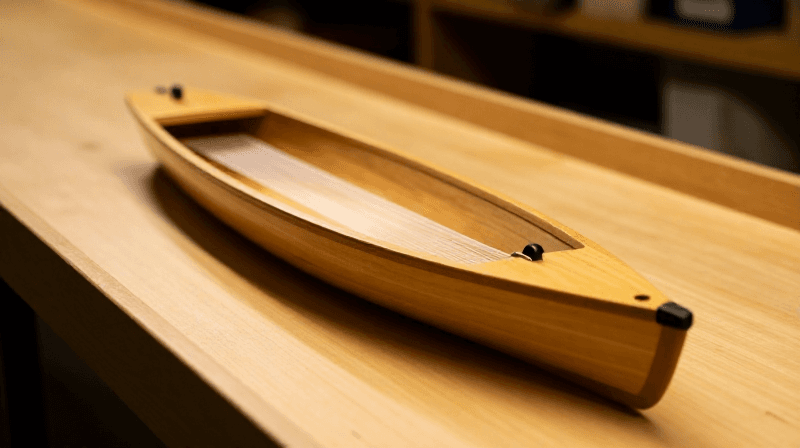
Press each treadle in turn and check that the shed — the opening between the raised and lowered warp threads — is clean and even. No threads should be caught on the wrong side. The shuttle must be able to pass through without snagging. If any threads are misthreaded, correct them now before weaving begins.
13

Weave a test header

Weave 5-10 centimetres of scrap yarn through the warp as a test header. This evens out the tension, tests the treadling sequence, and reveals any threading errors. Check the weave: the pattern should be regular, the selvedges even, and no threads crossed or skipped. Correct any errors before proceeding with the actual cloth.

Materials for this step:

Scrap YarnScrap Yarn1 गुच्छा
14

The loom is ready

With the test header woven and all errors corrected, the loom is fully warped and ready for weaving. The warp threads are under even tension, threaded in the correct sequence through the heddles and reed, and the shed opens cleanly. From here, the weaver loads the shuttle with weft yarn and begins the rhythmic work of weaving — treadle, throw, beat — that will eventually produce a bolt of broadcloth.

सामग्री

2

आवश्यक उपकरणहरू

4

Connected Blueprint Materials

CC0 सार्वजनिक डोमेन

यो ब्लुप्रिन्ट CC0 अन्तर्गत जारी गरिएको छ। तपाईं अनुमति नसोधी प्रतिलिपि, परिमार्जन, वितरण र प्रयोग गर्न सक्नुहुन्छ।

ब्लुप्रिन्ट मार्फत उत्पादनहरू किनेर सिर्जनाकर्तालाई सहयोग गर्नुहोस् सिर्जनाकर्ता कमिसन विक्रेताले तोकेको, वा यो ब्लुप्रिन्टको नयाँ संस्करण बनाउनुहोस् र आम्दानी बाँड्न आफ्नो ब्लुप्रिन्टमा जडानको रूपमा समावेश गर्नुहोस्।

छलफल

(0)

लग इन छलफलमा सामेल हुन

टिप्पणीहरू लोड गर्दै...