कला
सुन्दरता र कल्याण
हस्तकला
संस्कृति र इतिहास
मनोरञ्जन
वातावरण
खाना र पेय
रिभर्स इन्जिनियरिङ
विज्ञान
खेलकुद
प्रविधि
पहिर्न मिल्ने
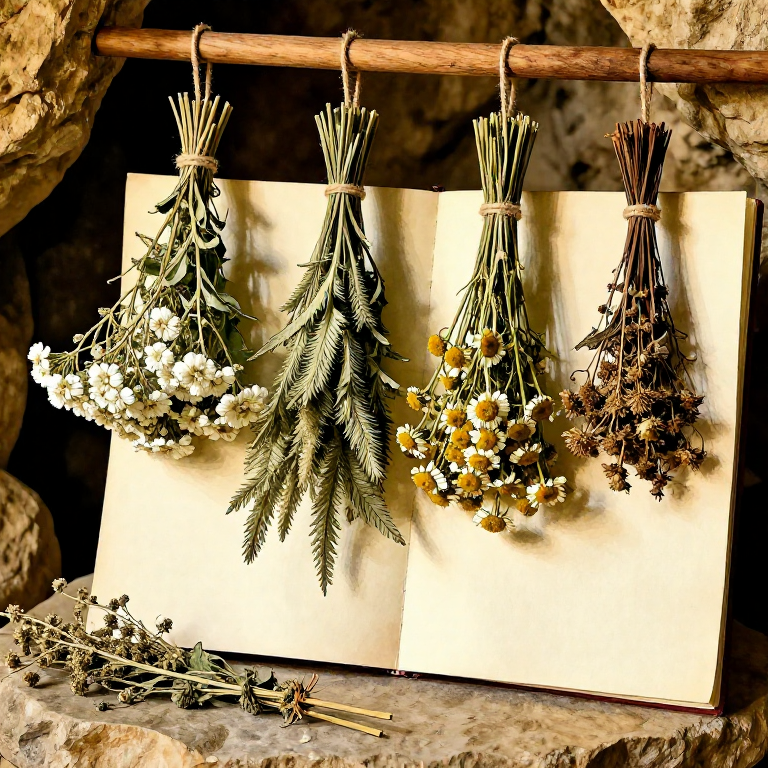


Drying Medicinal Herbs for Winter Storage — Preserving Nature's Pharmacy
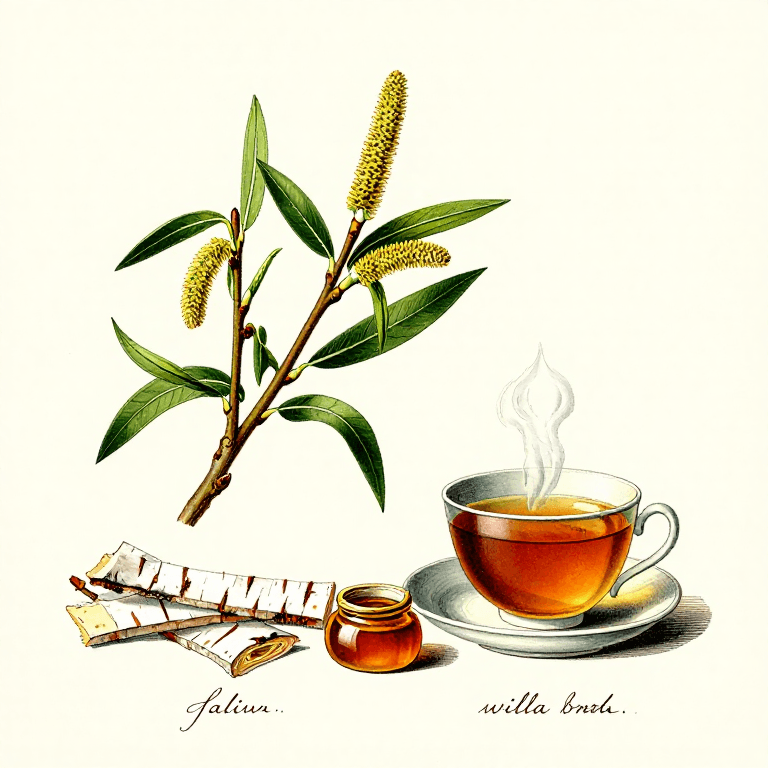
Once prehistoric humans discovered which plants healed wounds, eased pain, and reduced fever, the next critical innovation was preserving them. Fresh yarrow, willow bark, chamomile, and plantain grow only during specific seasons, but injuries and illness strike year-round. Air-drying is the oldest known preservation method for plant material — evidence of dried herb bundles dates back tens of thousands of years in cave sites across Europe and the Middle East. The process removes moisture while retaining the volatile oils and active compounds that give medicinal herbs their healing properties. This blueprint teaches the complete drying process: harvesting at peak potency, bundling stems, hanging in warm dry shade, testing for dryness, and storing in bark containers to keep herbs usable through winter. Every material is available in a prehistoric context — no modern tools required.
शुरुआती
2-3 hours active (7-14 days drying)
निर्देशनहरू
1
1
Choose Herbs at Peak Potency
Choose Herbs at Peak Potency
Harvest medicinal herbs when their active compounds are most concentrated. For flowering herbs like yarrow and chamomile, harvest when flowers are fully open but not yet wilting. For bark like willow, harvest in spring when sap flows freely.
यस चरणका सामग्री:
 भँडार-घाँस (Achillea millefolium)200 ग्राम
2
2
Harvest in Dry Morning Conditions
Harvest in Dry Morning Conditions
Gather herbs after morning dew has evaporated but before the midday sun draws volatile oils from the leaves. Wet plant material is prone to mould during drying. Avoid harvesting after rain — wait at least one full dry day.
3
3
Inspect Each Plant for Quality
Inspect Each Plant for Quality
Examine every stem, leaf, and flower head. Discard any plant material showing brown spots, insect damage, mildew, or wilting. Only healthy, undamaged plant parts retain full medicinal properties after drying.
4
4
Shake Off Insects and Debris
Shake Off Insects and Debris
Gently shake each stem over the ground to dislodge spiders, beetles, and small insects. Remove any grass, dead leaves, or foreign plant material mixed in with the harvest.
5
5
Rinse Roots and Bark Only
Rinse Roots and Bark Only
If drying roots or bark, rinse briefly in clean water to remove soil and grit. Do not rinse leaves or flowers — water delays drying and can wash away surface oils. Pat rinsed roots dry immediately.
यस चरणका सामग्री:
 आसुत पानी500 मिलि
6
6
Sort Herbs by Type
Sort Herbs by Type
Separate different herb species into distinct piles. Each species dries at a different rate — thick-stemmed plants take longer than thin-leaved ones. Mixing species leads to some herbs overdrying while others remain damp and spoil.
7
7
Bundle Stems in Small Groups
Bundle Stems in Small Groups
Gather 5 to 8 stems of the same species together. Avoid large bundles — air must circulate around every stem for even drying. Thick bundles trap moisture in the centre and cause the inner stems to rot.
8
8
Tie Bundles at the Stem Ends
Tie Bundles at the Stem Ends
Bind each bundle tightly at the cut end of the stems using plant fiber cordage. Wrap the cord several times and tie a secure knot. Leave a long tail of cord for hanging. As stems shrink during drying, retighten the binding after 2 to 3 days.
यस चरणका सामग्री:
 डोरी3 मिटर
9
9
Select a Warm, Dry, Shaded Location
Select a Warm, Dry, Shaded Location
Choose a spot with good air circulation, consistent warmth, and no direct sunlight. A sheltered rock overhang, the inside of a lean-to, or a cave entrance facing away from prevailing wind works well. Direct sun degrades volatile oils and bleaches the herbs.
10
10
Hang Bundles Upside Down
Hang Bundles Upside Down
Suspend each bundle with the flower or leaf end pointing downward and the tied stem end at the top. Hanging upside down draws the plant oils from the stems into the leaves and flowers as the plant dries, concentrating the medicinal compounds.
यस चरणका सामग्री:
डोरी2 मिटर11
11
Space Bundles for Air Circulation
Space Bundles for Air Circulation
Hang bundles at least 10 cm apart from each other. They should not touch. Crowded bundles restrict airflow and create damp pockets where mould grows. Air must flow freely around all sides of every bundle.
12
12
Lay Thick Roots on a Flat Stone Surface
Lay Thick Roots on a Flat Stone Surface
Roots, bark strips, and thick plant parts that cannot be bundled should be spread in a single layer on a clean flat stone in the drying area. Turn them once daily to ensure even drying on all surfaces.
चाहिने औजार:
 चेप्टो ढुङ्गे पाटी
13
13
Check Daily for Mould
Check Daily for Mould
Inspect every bundle each day for white or grey fuzzy spots, musty odour, or dark discoloration. Remove and discard any affected stems immediately — mould spreads rapidly to neighbouring bundles. Increase air circulation if mould appears.
14
14
Test Dryness After 7 to 14 Days
Test Dryness After 7 to 14 Days
After one to two weeks, test the herbs. Properly dried leaves should crumble when rubbed between your fingers. Stems should snap cleanly, not bend. Flowers should be papery and hold their shape. If any part bends rather than snaps, continue drying.
15
15
Strip Dried Leaves from Stems
Strip Dried Leaves from Stems
Once fully dry, run your hand along each stem from top to bottom. The brittle dried leaves and flower petals will break away cleanly. Collect the stripped material on a clean flat stone surface. Discard the bare stems.
चाहिने औजार:
चेप्टो ढुङ्गे पाटी16
16
Crush to Desired Size
Crush to Desired Size
For wound poultices, leave the dried material in small crumbled pieces. For teas and decoctions, crush further using a smooth stone against a flat surface to create a coarse powder. Do not grind to fine dust — larger pieces retain volatile oils longer in storage.
चाहिने औजार:
 चिल्लो ढुङ्गा
17
17
Prepare Storage Containers
Prepare Storage Containers
Line a birch bark container, tightly woven basket, or hollow gourd with large dry leaves to create a moisture barrier. The container must seal as completely as possible to prevent humidity from rehydrating the dried herbs.
यस चरणका सामग्री:
 चौडा हलहले पात4 टुक्रा
18
18
Fill Containers by Species
Fill Containers by Species
Store each herb species in its own container. Never mix species — each has different uses and combining them makes accurate dosing impossible. Fill containers loosely, not packed tight, to allow any residual moisture to escape.
19
19
Store in a Cool, Dark, Dry Place
Store in a Cool, Dark, Dry Place
Place sealed containers in a cool, dark area — the back of a cave, a dry root cellar, or a sheltered overhang. Heat, light, and moisture are the three enemies of dried herbs. Properly stored dried herbs retain medicinal potency for 6 to 12 months.
सामग्री
4- 200 ग्रामप्लेसहोल्डर
- 500 मिलिप्लेसहोल्डर
- 5 मिटरप्लेसहोल्डर
- 4 टुक्राप्लेसहोल्डर
आवश्यक उपकरणहरू
2- प्लेसहोल्डर
- प्लेसहोल्डर
जोडिएका खाकाका सामग्री
सम्बन्धित ब्लुप्रिन्ट
यी ब्लुप्रिन्टहरूले ज्ञान साझा गर्छन् — प्रविधि, सामग्री वा सिद्धान्त
CC0 सार्वजनिक डोमेन
यो ब्लुप्रिन्ट CC0 अन्तर्गत जारी गरिएको छ। तपाईं अनुमति नसोधी प्रतिलिपि, परिमार्जन, वितरण र प्रयोग गर्न सक्नुहुन्छ।
ब्लुप्रिन्ट मार्फत उत्पादनहरू किनेर सिर्जनाकर्तालाई सहयोग गर्नुहोस् सिर्जनाकर्ता कमिसन विक्रेताले तोकेको, वा यो ब्लुप्रिन्टको नयाँ संस्करण बनाउनुहोस् र आम्दानी बाँड्न आफ्नो ब्लुप्रिन्टमा जडानको रूपमा समावेश गर्नुहोस्।