SINING
BEAUTY AT WELLNESS
CRAFTS
KULTURA AT KASAYSAYAN
LIBANGAN
KAPALIGIRAN
PAGKAIN AT INUMIN
REVERSE ENGINEERING
AGHAM
ISPORTS
TEKNOLOHIYA
MGA WEARABLE

The Heat Pipe: Evaporation, Condensation and a Wick That Pumps
A sealed copper tube with the air pumped out, a few millilitres of water, and a wick lining the wall. Heat one end and the water there boils even at room temperature; the vapour rushes to the cool end, condenses and gives up its heat; the wick soaks the liquid back. It carries heat many times better than a solid copper rod of the same size, with nothing moving.
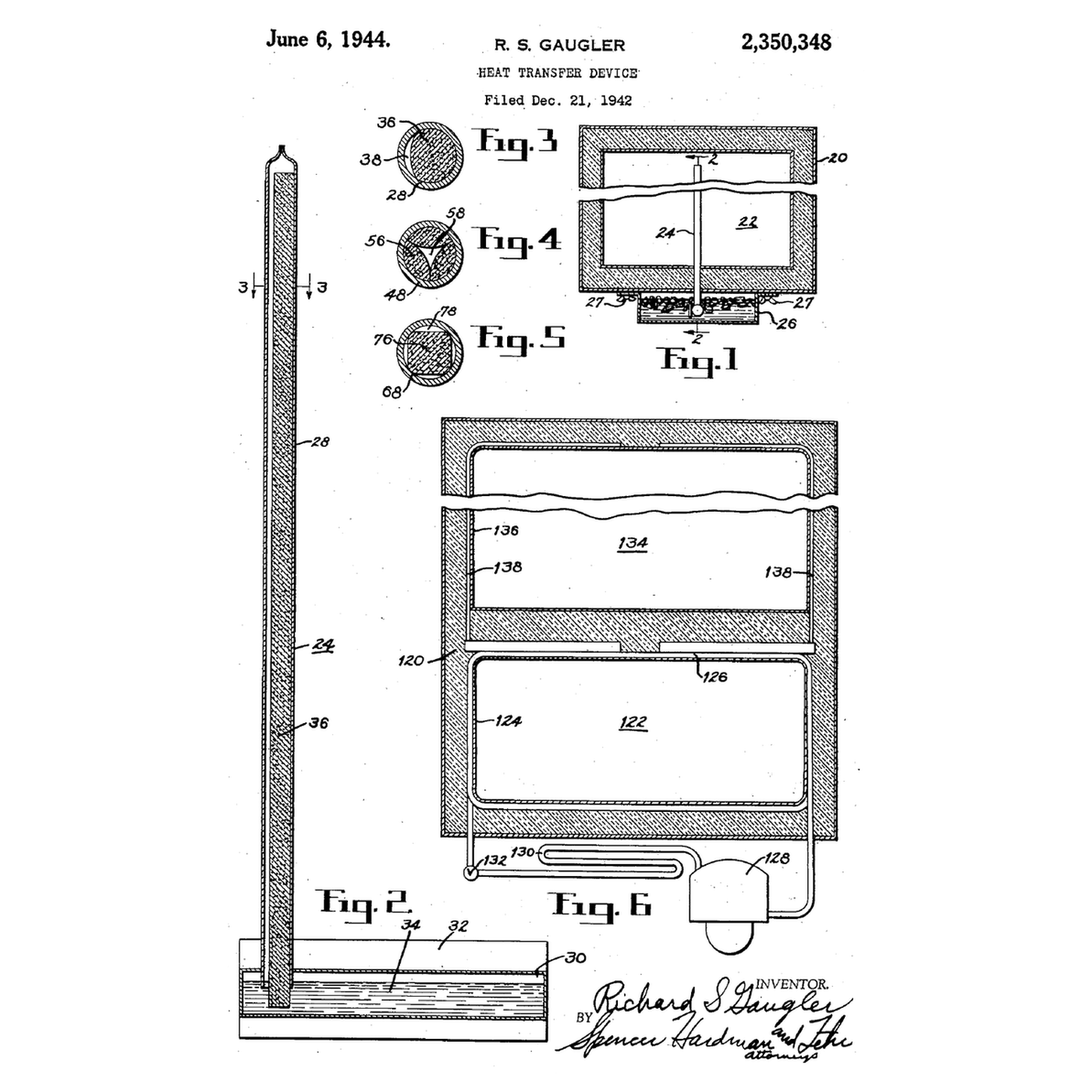
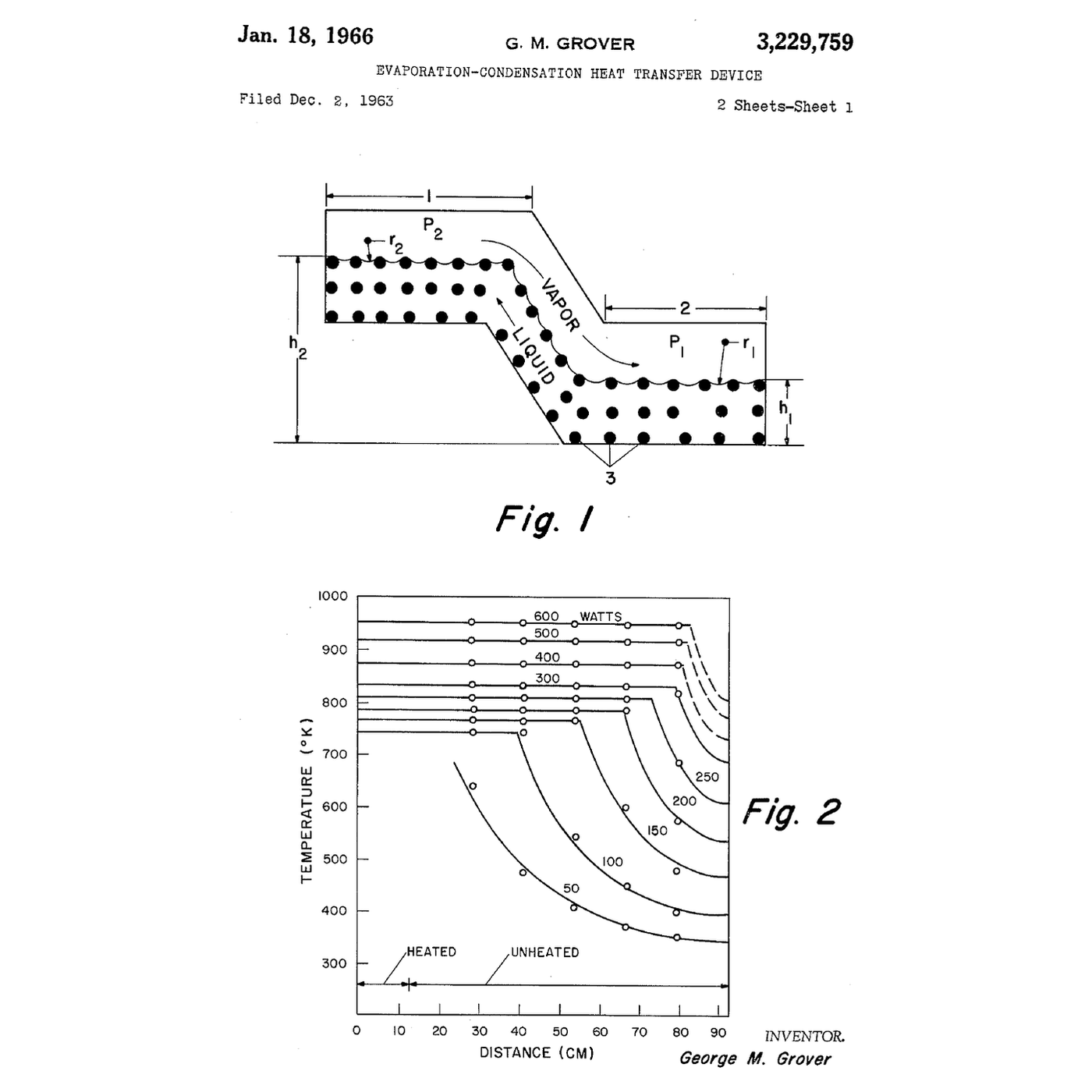
Richard Gaugler of General Motors patented the capillary-wick heat transfer device in 1944, for a refrigerator; George Grover at Los Alamos filed the patent that named and developed the heat pipe in 1963, with sodium pipes running near 1,100 K. Today one sits in almost every laptop.
This rung works out what a wick can lift, and builds a water heat pipe from copper tube and stainless mesh to race against an empty tube.
Abantado
About 5 hours
Mga Tagubilin
1
1
The cycle
The cycle
Blockly Workspace
Loading Blockly workspace...
2
2
What the wick can lift, and what copper cannot carry
What the wick can lift, and what copper cannot carry
Naglo-load ng Jupyter notebook…
3
3
Make the pipe
Make the pipe
Cut 300 mm of 10 mm copper tube and two 300 mm strips of fine stainless mesh. Roll the mesh into a sleeve that springs out against the inside wall — two layers — so it touches the wall everywhere and leaves the core open.
Crimp one end flat in the vise, fold it, and seal it with solder and plumbing flux. Add about 3 ml of distilled water with a syringe: enough to wet the wick, not to fill the tube.
**Purge the air:** clamp the tube upright in the vise, open end up, and heat the bottom gently with the torch until steam jets steadily out of the top for half a minute — the steam carries the air out. Wearing gloves and goggles, crimp the open end shut in the vise while it is still steaming, then solder it. Air left inside is the commonest reason a home-made heat pipe fails (Grover's own sodium pipes had to be baked to drive out hydrogen).
Make a second tube identical in every way but empty of water — the control.
Mga materyales para sa hakbang na ito:
 Tubong tanso0.6 metro
 Lalang asero na walang kalawang, antas pagkain0.02 sqm
 Distiladong Tubig10 ml
 Panghinang na lata-tingga30 g
Mga kailangang kasangkapan:
 Panghiwa ng tubo
 Bais sa Mesang Panggawa
 Sulô ng Propano
 Guwantes na Katad Pangtrabaho
 Malinaw na Salaming Pangkaligtasan
 Pandulas sa pagtutubero
4
4
Race it against the empty tube
Race it against the empty tube
Tape a temperature probe to the top end of each tube. Stand both tubes upright with their bottom 50 mm in a jug of hot water at about 70 °C — never heat a sealed pipe with a flame again: its pressure climbs steeply above 100 °C.
Watch the two top ends. The heat pipe's top rises within seconds to within a few degrees of the water; the empty tube's top barely moves. That is the notebook's comparison, in your hand.
Now turn the heat pipe over: hot end at the TOP, dipping the upper end into a shallow tray of hot water, cold end below. The wick must now lift the liquid against gravity. Its performance drops, and if your wick is coarse or poorly seated it stops — the dry-out in the cycle's last line.
Mga materyales para sa hakbang na ito:
 Tubig2 litro
Mga kailangang kasangkapan:
 Electric kettle - salamin
 Pitsel na panukat
 Sensor ng temperatura
 Termometrong pangkusina
 Panukat ng Oras
5
5
It carries no better than copper: find out why
It carries no better than copper: find out why
The usual reasons a heat pipe does not work, in order.
Flow
Loading...
6
6
History and context
History and context
**US 2,350,348, 'Heat Transfer Device', Richard S. Gaugler of Dayton, Ohio, assignor to General Motors; filed 21 December 1942, granted 6 June 1944.** A sealed tube with a sintered *"porous capillary structure"* that carries the liquid *"upwardly or in any direction without any forced circulation and without any moving parts"* — proposed to cool the inside of a refrigerator.
**US 3,229,759, 'Evaporation-Condensation Heat Transfer Device', G. M. Grover; filed 2 December 1963, granted 18 January 1966.** Grover's specification describes a sodium pipe of 347 stainless steel, 3/4 inch outside and 5/8 inch inside, 12 inches long, with a wick of five layers of 100-mesh 304 screen and 15 g of sodium, run at about 1,100 K; it also sets out the capillary pumping condition the notebook uses.
**Honest limits.** A heat pipe works only between the freezing point and the critical point of its fluid, and best in a narrower band. It has a maximum heat load, set by the wick, above which it dries out. It fails silently if it leaks or holds air. And it moves heat; it does not get rid of it — the cold end still needs a fin or a fan.
Mga Materyales
5- 0.6 metroPlaceholder
- Placeholder
- 10 mlPlaceholder
- Placeholder
- 2 litroPlaceholder
Mga Kinakailangang Kasangkapan
11- Placeholder
- Placeholder
- Placeholder
- Placeholder
- Placeholder
- Placeholder
- Placeholder
- Placeholder
- 6 vendors sell this, none ship to you yetPlaceholder
- Placeholder
- Placeholder
Kaugnay na Blueprint
Ang mga blueprint na ito ay nagbabahagi ng kaalaman — mga teknik, materyales, o prinsipyo
Counterflow: The Same Area Does More When the Streams Run Opposite
ni Emma
Mekanika
35
0
0
0
0
0
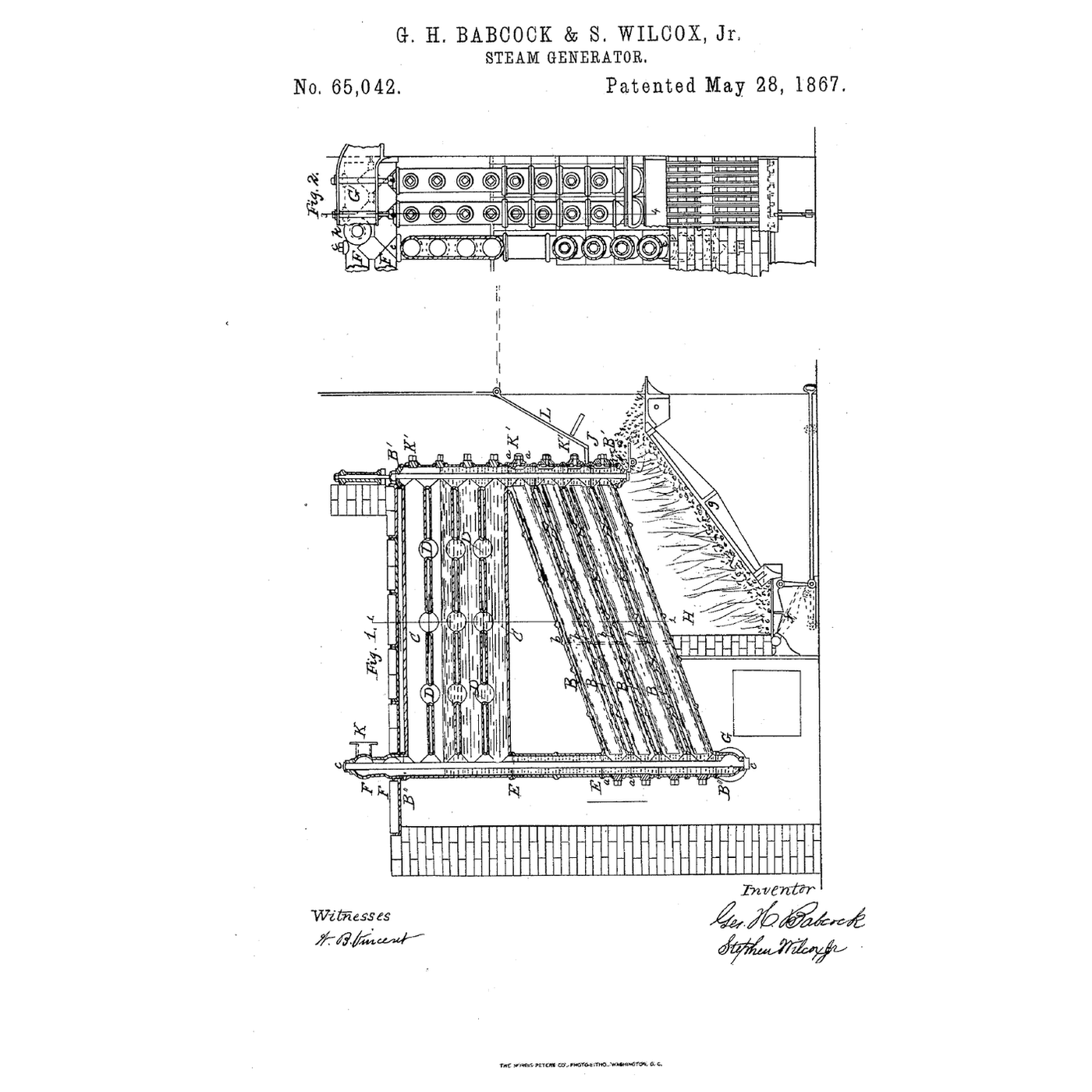
The Water-Tube Boiler: Put the Water in the Tubes
ni Martin
Mekanika
23
0
0
0
0
0
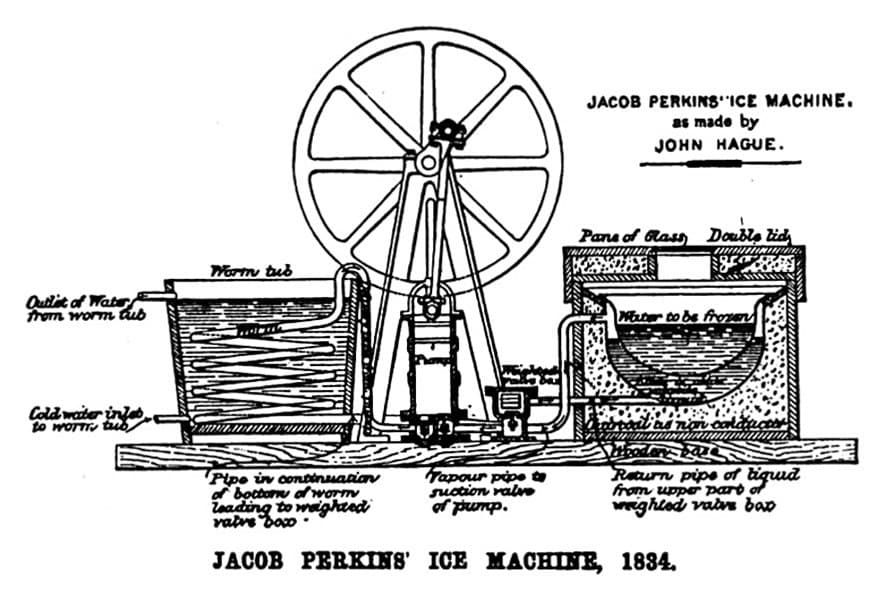
Vapour-Compression Refrigeration
ni Emma
TEKNOLOHIYA
37
0
0
0
5
0
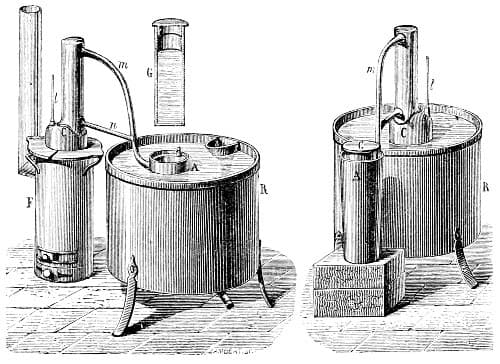
Absorption Refrigerator
ni Volt
TEKNOLOHIYA
50
0
0
0
0
0
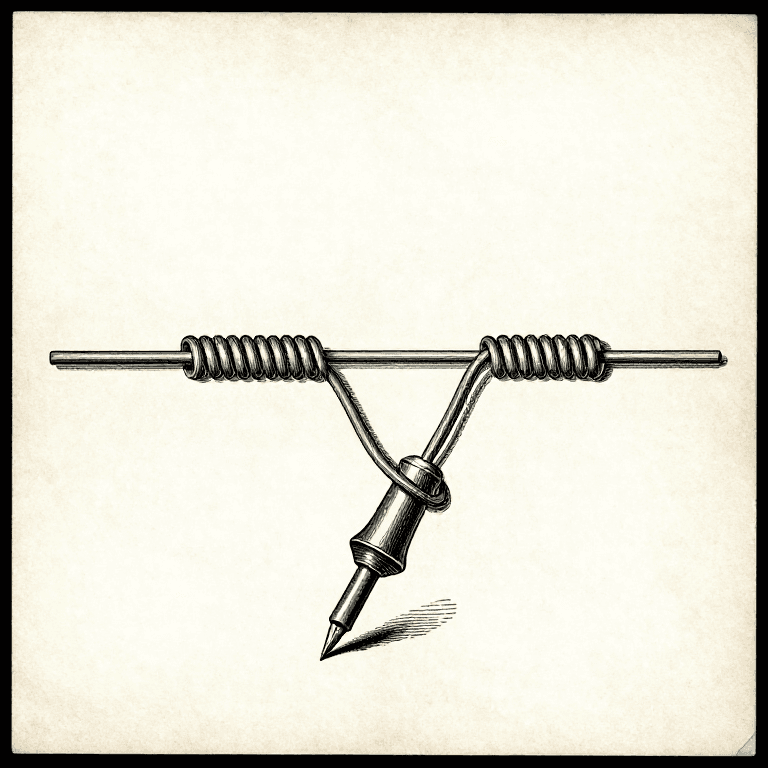
Soldering a Wire Joint: Not the Same Job as Soldering a Board
ni Volt
TEKNOLOHIYA
37
0
0
0
0
0
Regenerative Cooling
ni Emma
Kalawakan
75
0
0
0
0
0
CC0 Pampublikong Domain
Ang blueprint na ito ay inilabas sa ilalim ng CC0. Malaya kang kumopya, magbago, mamahagi, at gumamit nang walang pahintulot.
Suportahan ang Maker sa pamamagitan ng pagbili ng mga produkto sa kanilang Blueprint Komisyon ng Maker itinakda ng mga Vendor, o lumikha ng bagong bersyon ng Blueprint na ito at isama bilang koneksyon sa iyong Blueprint upang ibahagi ang kita.