
Współpraca
SZTUKA
Piękno i dobre samopoczucie
RZEMIOSŁO
KULTURA I HISTORIA
ROZRYWKA
ŚRODOWISKO
JEDZENIE I NAPOJE
INŻYNIERIA ODWROTNA
NAUKI
LEKKOATLETYKA
TECHNOLOGIA
URZĄDZENIA DO NOSZENIA
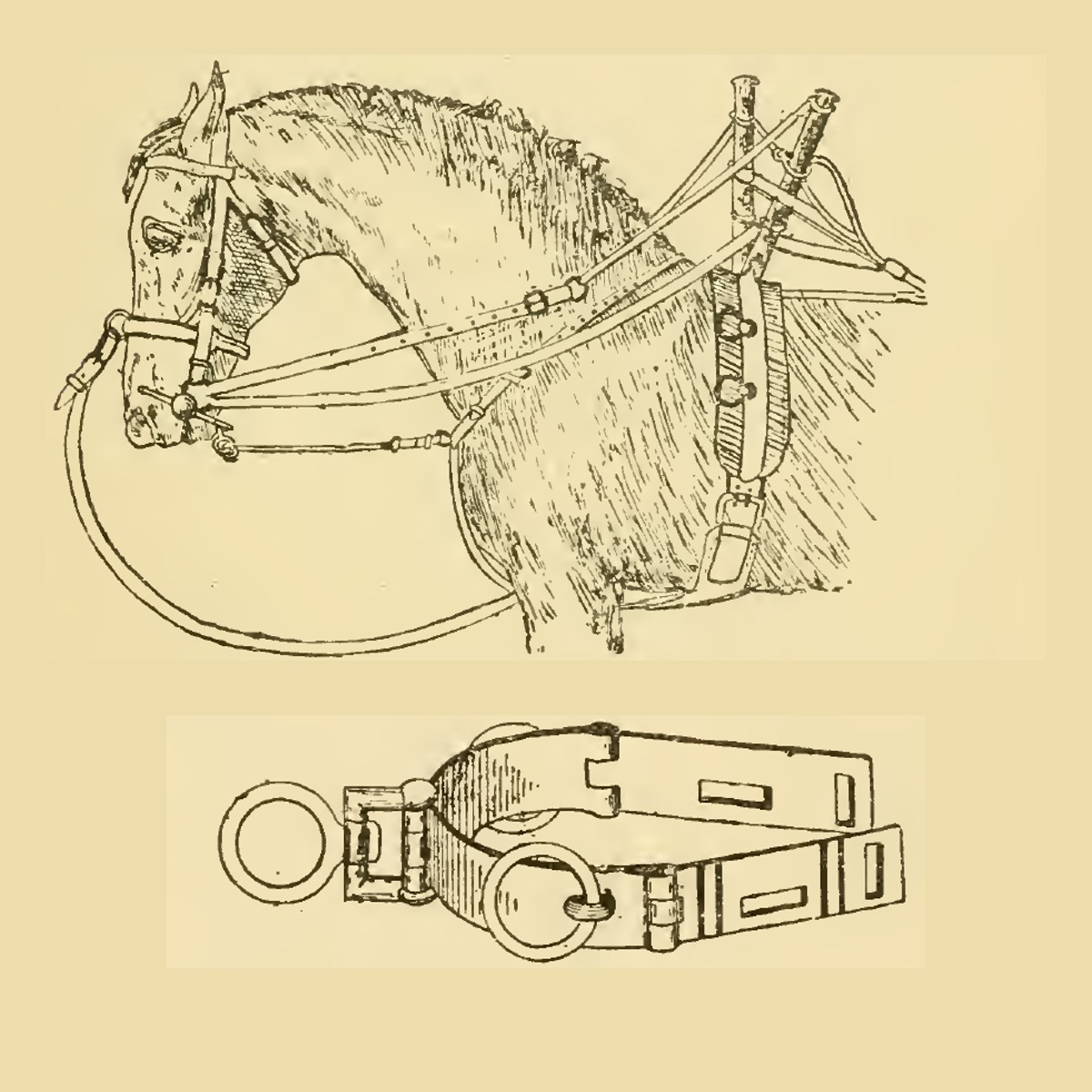
Breaking Cavesson: Leather-Covered Cavesson Iron With Padded Noseband and Double Throat Lash (Hasluck, Saddlery, 1904)
Tex

Autor

Tex

13. listopad 2026FO
7
0
0
0
0

Breaking Cavesson: Leather-Covered Cavesson Iron With Padded Noseband and Double Throat Lash (Hasluck, Saddlery, 1904)

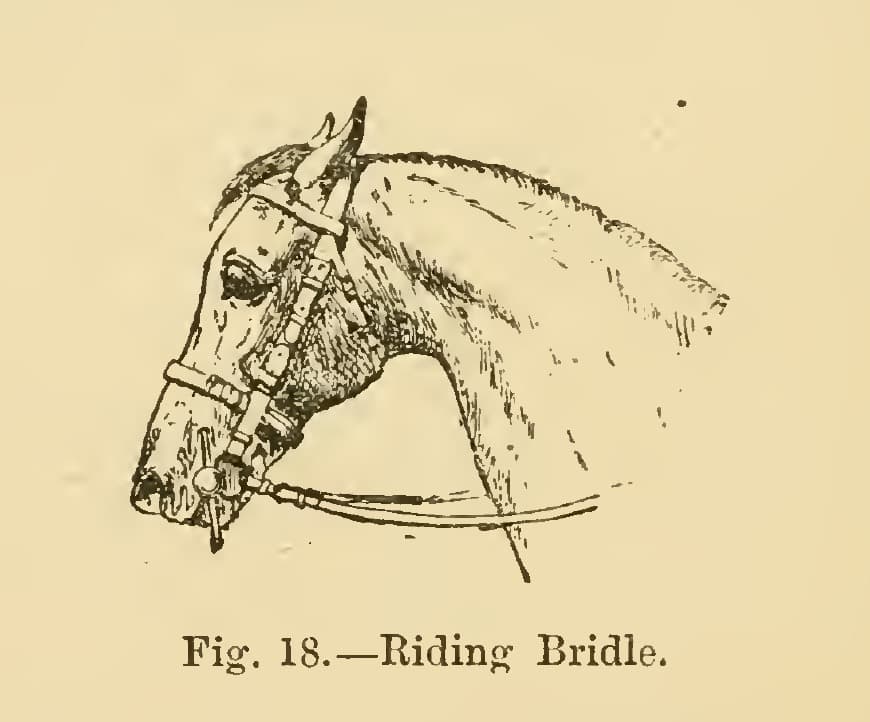
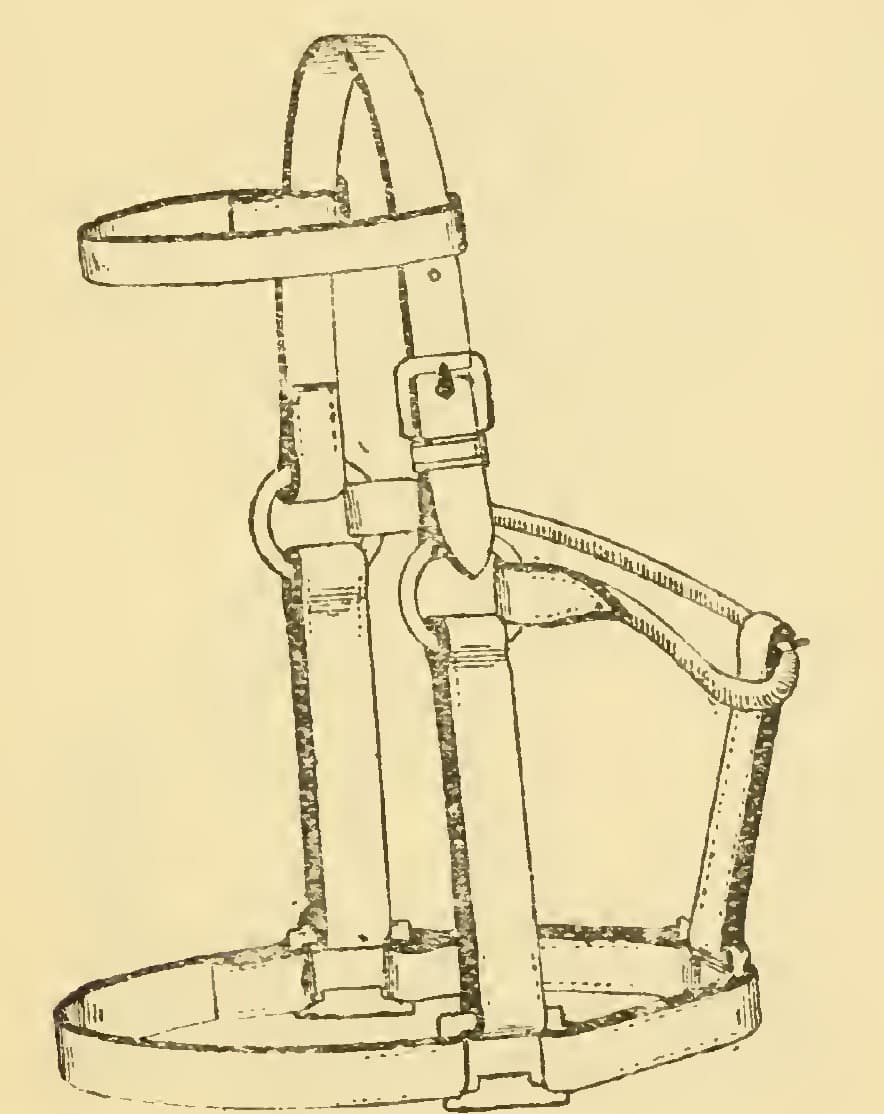
A cavesson holds a young horse's head steady while it is broken in; it is used without a bit, and the leading rein goes on its rings. This is the cavesson from the breaking-down tackle in Paul N. Hasluck's Saddlery (1904): a bought cavesson iron covered in leather and padded inside, a strap up the face, cheeks, jaw straps, a headpiece and one or two throat lashes. Every size is his.
Zaawansowany
About 1 day

Instrukcje

1

His sizes in centimetres

Wczytywanie notatnika Jupyter…
2

Read Saddlery, ch. VII

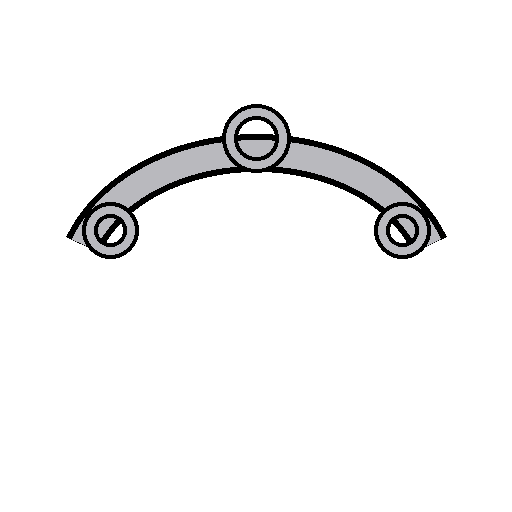
"The cavison iron (Fig. 22) can be purchased ready-made; it acts as a noseband, being strong to hold the horse's head steady. In the centre is a ring, which turns like a swivel, and another ring is placed on each side." It has openings at the sides for the cheeks and one at each end for the straps below the jaw.
3

Cover the iron

Cover the cavesson iron with thin brown leather and herringbone-stitch it underneath, out of sight. Make holes in the leather opposite the openings in the iron.

Materiały do tego kroku:

Żelazo kawecanuŻelazo kawecanu1 sztuka
Skóra owcza (basil)Skóra owcza (basil)1 sztuka
Nić lnianaNić lniana1 sztuka
Wosk pszczeliWosk pszczeli1 sztuka

Potrzebne narzędzia:
Nóż do skóryNóż do skóry

SzydłoSzydło
Dwie igły rymarskieDwie igły rymarskie
Kozioł rymarskiKozioł rymarski
4

Fit the cheeks

Fit two cheeks 7 in by 1 in in the side openings, each with a runner and buckle and a loop at the top.

Materiały do tego kroku:

Skóra uprzężowaSkóra uprzężowa1 sztuka
Żelazna klamra z kolcemŻelazna klamra z kolcem2 sztuk
Nić lnianaNić lniana1 sztuka
Wosk pszczeliWosk pszczeli1 sztuka

Potrzebne narzędzia:

Nóż do skóryNóż do skóry
Fazownik krawędziFazownik krawędzi
Gładzik do krawędzi skóryGładzik do krawędzi skóry
BigownicaBigownica
Palnik propanowyPalnik propanowy
Wzornik do szlufekWzornik do szlufek
SzydłoSzydło
Dwie igły rymarskieDwie igły rymarskie
5

Fit the face strap

Cut a 1 in strap 20 in long to pass round the centre of the iron, go up the face and buckle in the centre of the headpiece. Turn one end in enough to go round the iron and leave enough to stitch it together on the upper side. Slit it in half far enough to go over the centre ring, put it round with half the slit on each side of the ring, and stitch it above the iron, with a hoop under the forehead (his word) for it to pass through.

Materiały do tego kroku:

Skóra uprzężowaSkóra uprzężowa1 sztuka
Nić lnianaNić lniana1 sztuka
Wosk pszczeliWosk pszczeli1 sztuka

Potrzebne narzędzia:

Nóż do skóryNóż do skóry
Dziurkacz do skóryDziurkacz do skóry
SzydłoSzydło
Dwie igły rymarskieDwie igły rymarskie
Kozioł rymarskiKozioł rymarski
6

Fit the jaw straps

Put a strap 9 in long in the off-side opening at the end of the iron, and another 5 in long, with a buckle, loop and runner, on the near side.

Materiały do tego kroku:

Skóra uprzężowaSkóra uprzężowa1 sztuka
Żelazna klamra z kolcemŻelazna klamra z kolcem1 sztuka
Nić lnianaNić lniana1 sztuka
Wosk pszczeliWosk pszczeli1 sztuka

Potrzebne narzędzia:

Nóż do skóryNóż do skóry
Wzornik do szlufekWzornik do szlufek
Dziurkacz do skóryDziurkacz do skóry
SzydłoSzydło
Dwie igły rymarskieDwie igły rymarskie
7

Make and strap on the pad

Make a stuffed leather pad, as for a cart winker cheek but longer, to run all along the inside of the iron and reach about 1 in beyond it at each end; it is slightly wider when stuffed and flattened. Do not make it clumsy and thick with stuffing. Make four 1/2 in straps long enough to pass round the iron, with a few holes punched in them; stitch one across the pad at each end and one on each side of the central ring, to fasten the pad on.

Materiały do tego kroku:

Skóra uprzężowaSkóra uprzężowa1 sztuka
Wypełnienie wełnianeWypełnienie wełniane1 sztuka
Nić lnianaNić lniana1 sztuka
Wosk pszczeliWosk pszczeli1 sztuka

Potrzebne narzędzia:

Nóż do skóryNóż do skóry
Dziurkacz do skóryDziurkacz do skóry
SzydłoSzydło
Dwie igły rymarskieDwie igły rymarskie
Kozioł rymarskiKozioł rymarski
8

Make the headpiece and throat lash

Make the headpiece of good leather 2 ft 4 in long, so that it fits a horse of any size, and slit it 8 in or 9 in at each side so that, when cut, it is 1-3/4 in wide; it can be narrowed in the centre between the slits. Put a chape and buckle in the centre to take the face strap. Make the foreband as for a stallion bridle (the same length as an ordinary bridle front, or a little longer). Make the throat lash 1 ft 8 in long when turned in and 3/4 in wide, with a buckle, a loop and a runner at each end.

Materiały do tego kroku:

Skóra uprzężowaSkóra uprzężowa1 sztuka
Żelazna klamra z kolcemŻelazna klamra z kolcem3 sztuk
Nić lnianaNić lniana1 sztuka
Wosk pszczeliWosk pszczeli1 sztuka

Potrzebne narzędzia:

Nóż do skóryNóż do skóry
Fazownik krawędziFazownik krawędzi
Gładzik do krawędzi skóryGładzik do krawędzi skóry
BigownicaBigownica
Palnik propanowyPalnik propanowy
Wzornik do szlufekWzornik do szlufek
Dziurkacz do skóryDziurkacz do skóry
SzydłoSzydło
Dwie igły rymarskieDwie igły rymarskie
9

Add a second throat lash for safety

If you want extra safety, put a 5/8 in strap 6 in long on each side of the cheek, stitched in with the chape at the top and slanting slightly downwards, and make an extra throat lash 5/8 in by 1 ft 4 in to buckle to them. "With two throat lashes the bridle will be firm and safe on the horse's head."

Materiały do tego kroku:

Skóra uprzężowaSkóra uprzężowa1 sztuka
Nić lnianaNić lniana1 sztuka
Wosk pszczeliWosk pszczeli1 sztuka

Potrzebne narzędzia:

Nóż do skóryNóż do skóry
Dziurkacz do skóryDziurkacz do skóry
SzydłoSzydło
Dwie igły rymarskieDwie igły rymarskie
10

Troubleshooting

Cavesson troubleshooting.

Flow

Loading...
11

History and honest limits

From **Saddlery**, edited by Paul N. Hasluck, David McKay, 1904 (archive.org saddlery00hasl), chapter VII, "Breaking-down Tackle", pp. 59-61, Figs. 21-22; every fraction was read on the scan. He sends the reader to the stallion bridle for the foreband and to a cart winker cheek for the pad, without sizes here. The leading rein (9 ft by 1-1/8 in), side reins, dumb jockey, Corbett martingale, crupper and girth of the full tackle are not made here. Basil for the "thin brown leather", the buckle count in the list, the thread, tools and metric figures are ours.

Materiały

7

Wymagane narzędzia

10

Według tego planu powstaje

CC0 Domena publiczna

Ten plan jest udostępniany na licencji CC0. Możesz go swobodnie kopiować, modyfikować, rozpowszechniać i wykorzystywać do dowolnych celów, bez konieczności uzyskiwania zgody.

Wesprzyj Makera kupując produkty przez jego plan, za co zarabia Prowizja Makera ustalony przez sprzedawców, lub stwórz nową iterację tego planu i dołącz go jako połączenie w swoim własnym planie, aby dzielić się przychodami.

Dyskusja

(0)

Zaloguj się aby dołączyć do dyskusji

Ładowanie komentarzy...