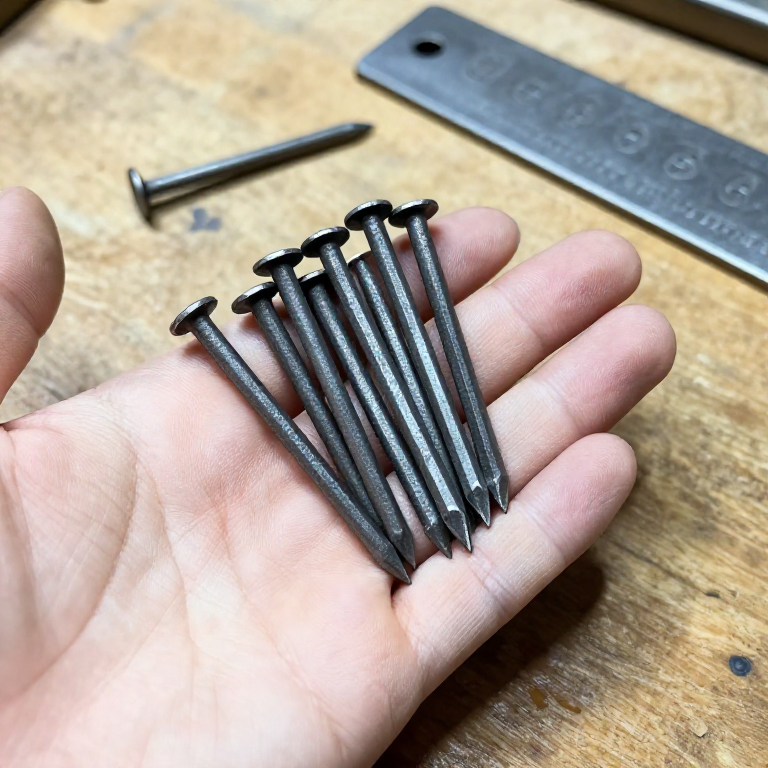


Forging Iron Nails by Hand — Drawing, Cutting, and Heading
Before wire-drawing machines and nail-cutting factories, every nail was forged individually by hand. A skilled nailer could produce 200-300 nails per day — and millions were needed. The Roman army alone consumed an estimated 7 tonnes of iron nails for a single fortress. Medieval cathedrals, Viking longships, and colonial farmhouses all depended on hand-forged nails.
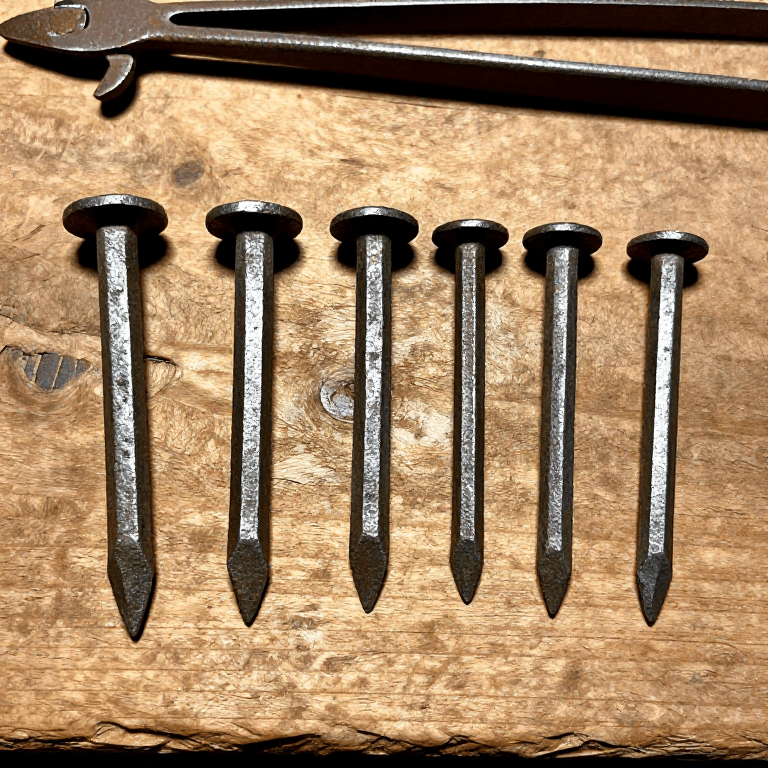
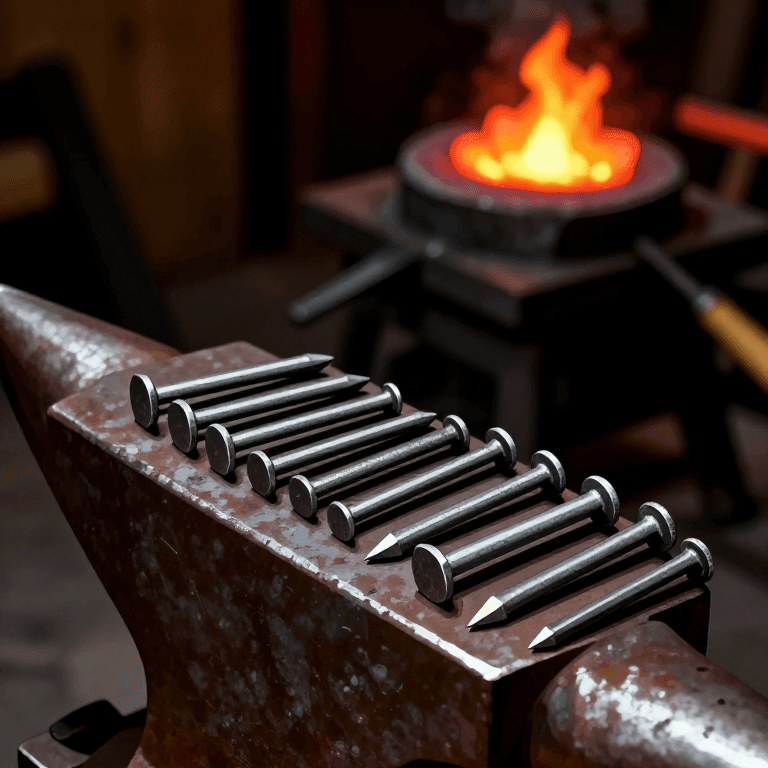
The process is deceptively simple: heat an iron rod, draw it to a taper, cut it to length, insert the cut end into a heading plate, and hammer the protruding end into a head. Each nail takes about 30 seconds for an experienced nailer — making it one of the fastest and most repetitive forge operations.
Hand-forged nails have a characteristic square cross-section (from the square rod stock) and an irregular rose head from the final heading blows. This is the blueprint for the most-produced iron object in human history.
Instrukcje
Prepare the nail rod
Prepare the nail rod
Materiały do tego kroku:
 Węgiel drzewny w kawałkach2 kg
Heat the tip to forging temperature
Heat the tip to forging temperature
Potrzebne narzędzia:
 Palenisko (ogień kowalski)
Draw the taper
Draw the taper
Potrzebne narzędzia:
 Młot kowalski
 Kleszcze kowalskie
Cut nearly through at the nail length
Cut nearly through at the nail length
Insert into the heading plate
Insert into the heading plate
Forge the head
Forge the head
Snap free and quench
Snap free and quench
Materiały do tego kroku:
 Woda2 l
Repeat for the batch
Repeat for the batch
Materiały
5- Zastępnik
- 2 lZastępnik
- 1 sztukaZastępnik
- 1 sztukaZastępnik
- 1 sztukaZastępnik
Wymagane narzędzia
3- Zastępnik
- Zastępnik
- Zastępnik
Materiały z połączonych planów
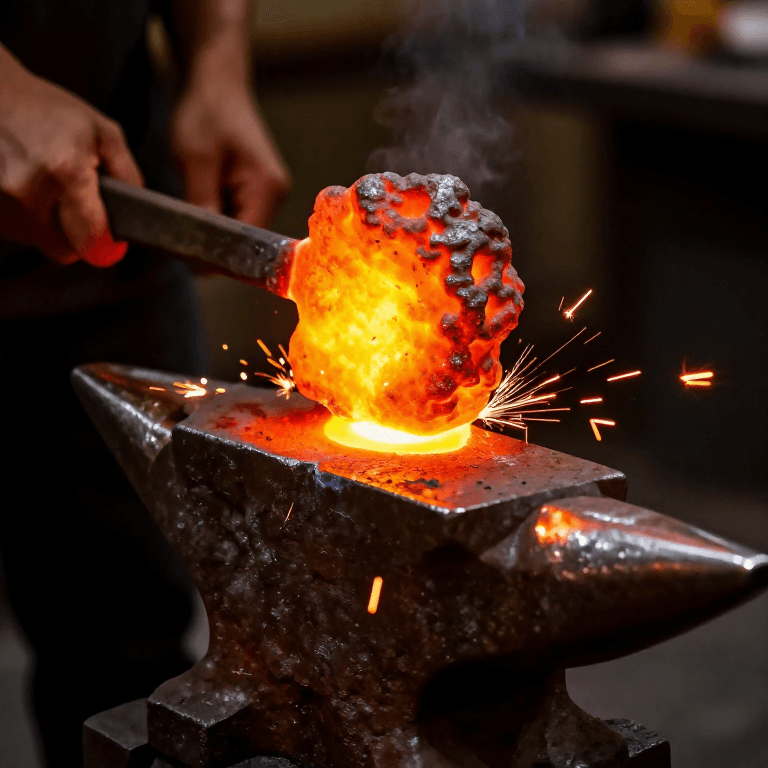
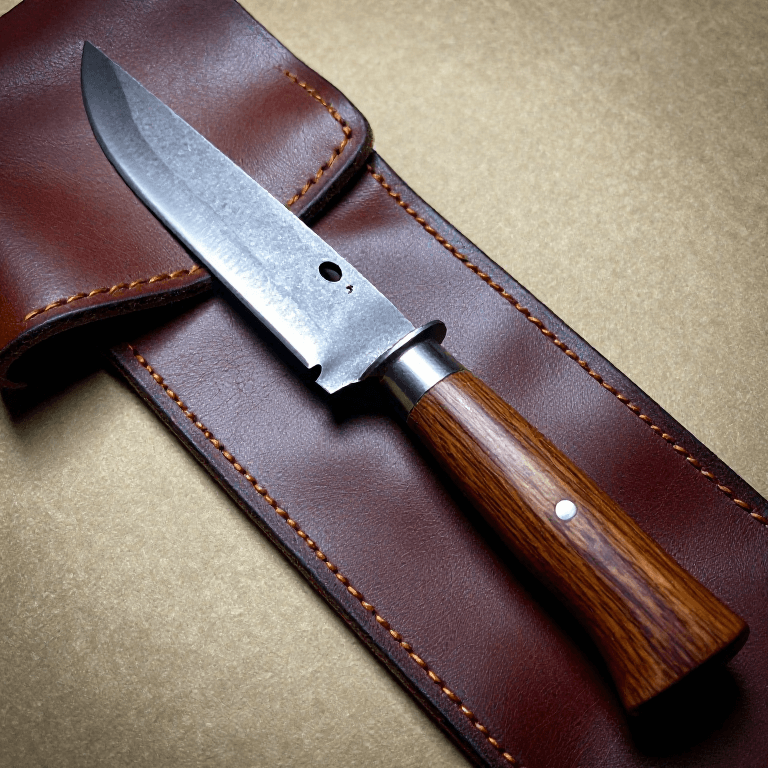
Powiązane blueprinty
Te blueprinty dzielą się wiedzą — technikami, materiałami lub zasadami
CC0 Domena publiczna
Ten plan jest udostępniany na licencji CC0. Możesz go swobodnie kopiować, modyfikować, rozpowszechniać i wykorzystywać do dowolnych celów, bez konieczności uzyskiwania zgody.
Wesprzyj Makera kupując produkty przez jego plan, za co zarabia Prowizja Makera ustalony przez sprzedawców, lub stwórz nową iterację tego planu i dołącz go jako połączenie w swoim własnym planie, aby dzielić się przychodami.